Uganda Guide: Gorillas and Beyond

November 2, 2022
Uganda pairs gorilla trekking in Bwindi with chimps, Nile safaris and tree-climbing lions, and sees far fewer visitors than Kenya or Tanzania. Where to go, when, and where to stay.
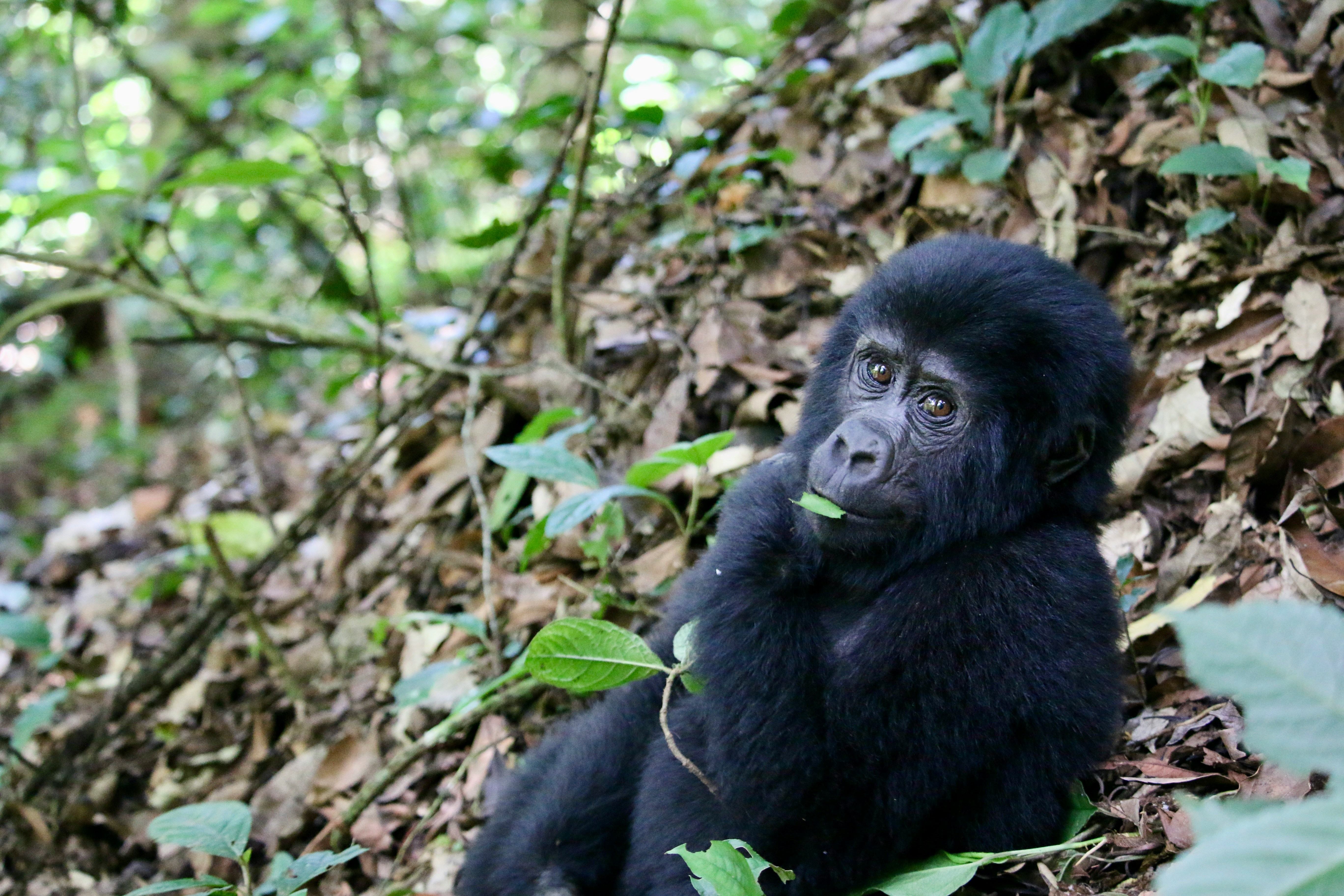
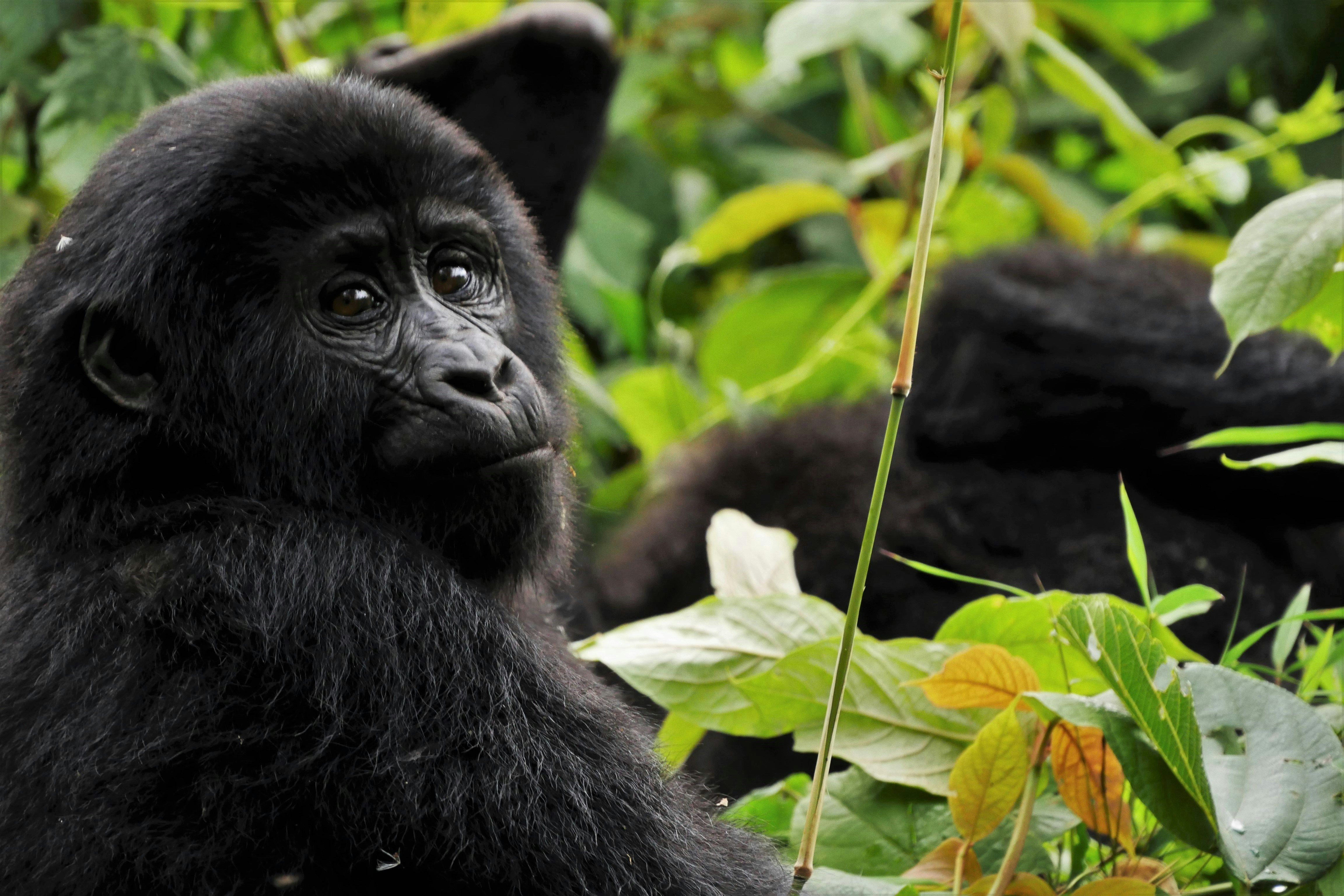
Mountain gorilla in Bwindi Impenetrable Forest, Uganda

A guide to luxury travel in Uganda's wildest places.

Uganda gets overlooked, which is part of its appeal. Its misty mountains shelter mountain gorillas, the Nile begins here and forces its way through narrow gorges, and its lakes and rainforests reward travelers who slow down.

If you want wildlife and wilderness without the crowds, Uganda delivers trips that feel small and personal. Below are the regions, experiences, and seasons worth knowing.

Why Uganda Is Africa's Most Underrated Luxury Safari Destination

Uganda offers a combination that's hard to find elsewhere:

  • Varied wildlife: gorillas, chimps, and classic safari
  • A wide range of landscapes in a compact country
  • Fewer crowds than Kenya or Tanzania (see my Uganda vs Kenya comparison)
  • Small lodges and camps with real character
  • Genuine contact with local communities

Uganda is known for one thing, mountain gorillas, and the gorillas deserve their reputation. But it has hidden the rest of the country, which is why its parks stay uncrowded. No single park makes Uganda special; the contrast between them does. Few African countries let you move so easily from rainforest to savannah in one itinerary.

There's no single headline experience. Instead, a good trip strings several together:

  • Bwindi for gorillas
  • Kibale for chimpanzees
  • Queen Elizabeth and Murchison for classic safari
  • Jinja and Lake Bunyonyi for water, rest, and soft adventure

Top Regions to Visit in Uganda

1. Bwindi Impenetrable Forest: Gorilla Trekking

Bwindi is the center of Uganda's gorilla country, an old rainforest spread over steep green hills. Small groups trek through the jungle to spend an hour with wild mountain gorillas.

Why go:

  • Mountain gorilla trekking, the main reason most people come to Uganda
  • Misty hillsides, dense rainforest, and big views
  • Small eco-lodges with real character
  • Visits to local communities and conservation projects

Best season:
June–September and December–February for drier trails and more predictable conditions.

Where to stay:

Don't miss:

  • An early start into the forest as the fog lifts
  • Time spent simply watching a gorilla family feed, play, and rest
  • A guided community walk to see life on the forest's edge
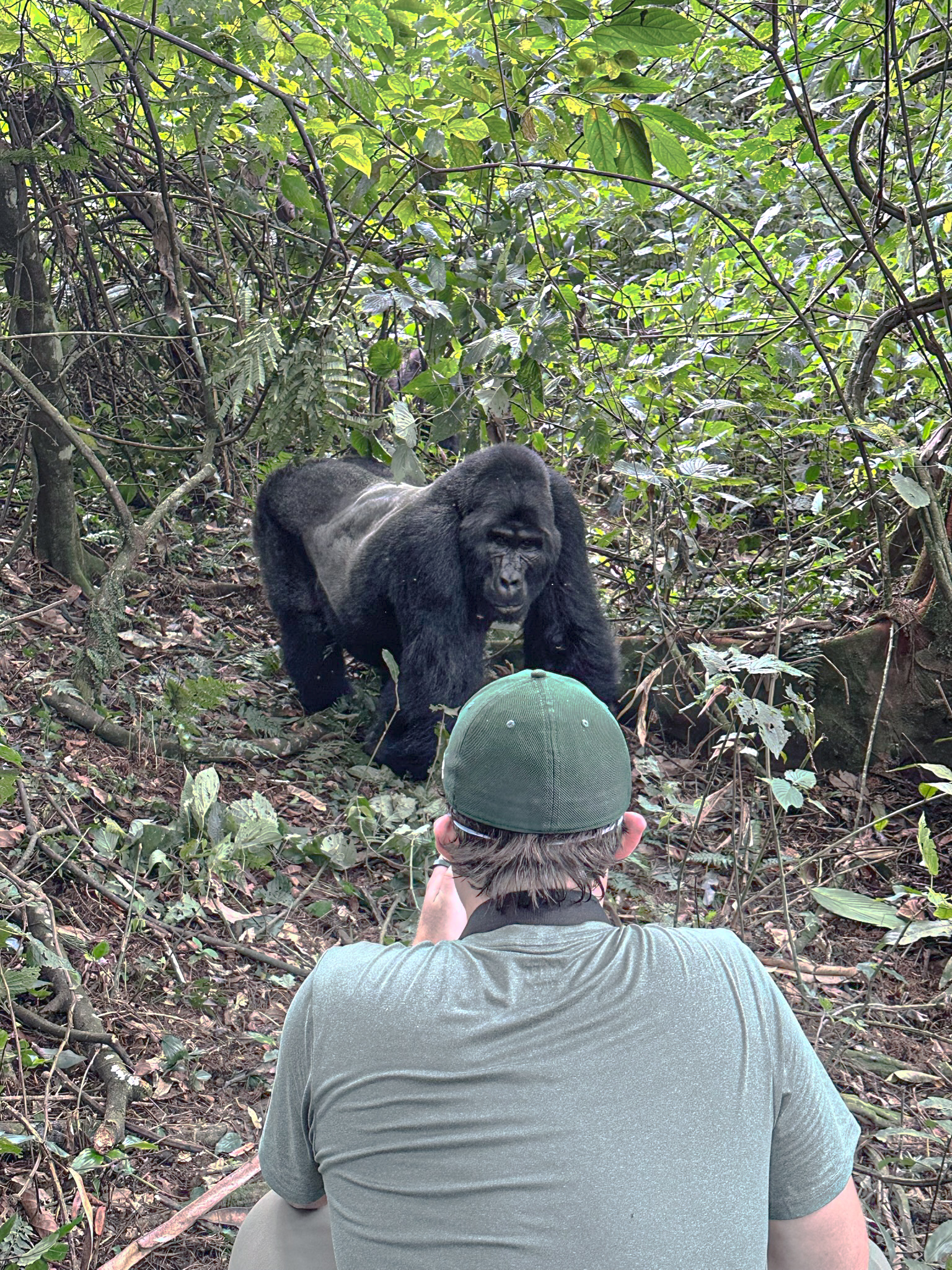
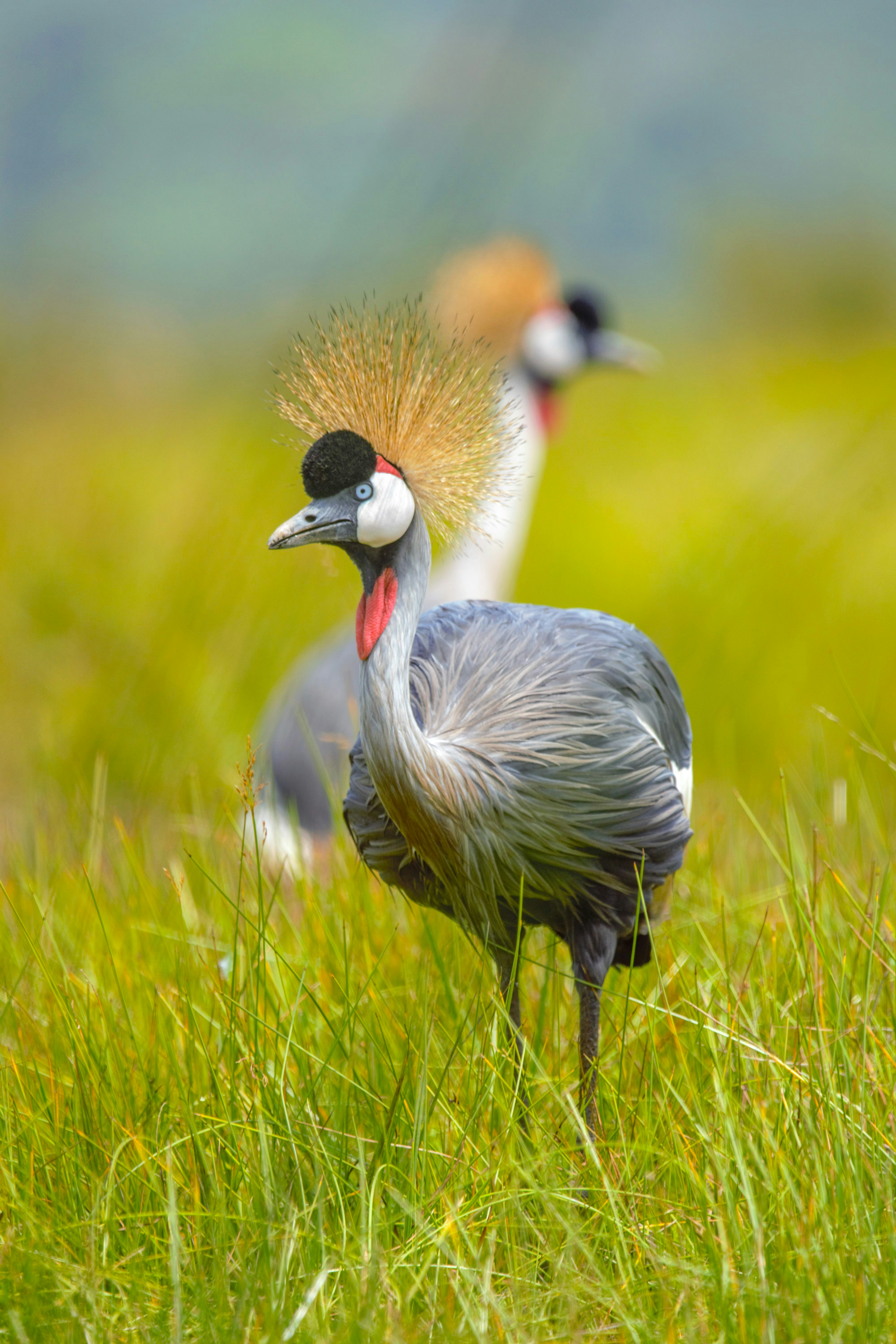
A collection of photographs showcasing Uganda's diverse wildlife, including mountain gorillas, chimpanzees, and the Shoebill Stork.
Me after a two-hour trek to spend an hour with seven gorillas in the Mubare group.

2. Queen Elizabeth National Park: Tree-Climbing Lions & Classic Safari

Queen Elizabeth is Uganda's best-known savannah park, set among volcanic crater lakes, open plains, and the Kazinga Channel. It's also home to the tree-climbing lions of Ishasha.

Why go:

  • Game drives for elephants, buffalo, antelope, and big cats
  • Lions lounging in the fig trees of Ishasha
  • Boat trips on the Kazinga Channel among hippos and crocodiles
  • Crater landscapes and wide views

Best season:
June–September, when animals gather around shrinking water sources and the vegetation is lower.

Where to stay:

Don't miss:

  • An afternoon boat cruise on the Kazinga Channel
  • A drive through the southern Ishasha sector looking for lions in the branches
  • Late-afternoon photography around the crater lakes
A collection of photographs showcasing Uganda's diverse wildlife, including mountain gorillas, chimpanzees, and the Shoebill Stork.
My first elephant encounter, on the way from the airstrip to Kyambura Gorge Lodge.

3. Kibale National Park: Chimpanzees in the Rainforest

Kibale is called the primate capital of East Africa. Its dense, bird-filled forest offers some of the best chimpanzee trekking and habituation on the continent.

Why go:

  • Excellent chimpanzee tracking and full-day habituation experiences
  • More than 13 primate species and 370+ bird species
  • Crater lakes and rolling countryside
  • Easy to route between Queen Elizabeth and Bwindi

Best season:
December–February and June–September for drier, easier forest trails.

Where to stay:
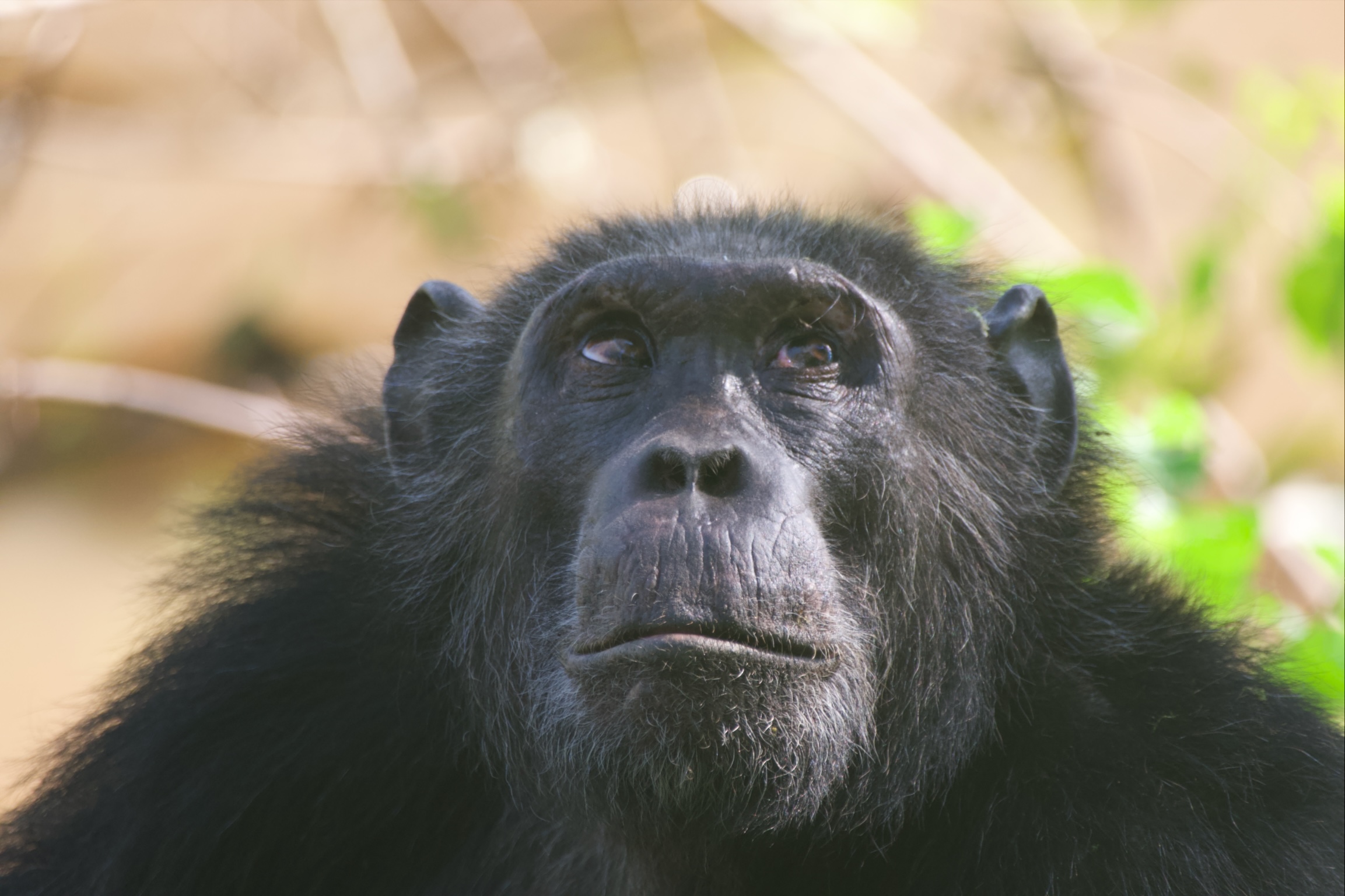
A collection of photographs showcasing Uganda's diverse wildlife, including mountain gorillas, chimpanzees, and the Shoebill Stork.
One of my favorite photos from chimp trekking.

Don't miss:

  • A chimp habituation day, with extended time alongside one troop
  • Walks around the crater lakes at sunrise or sunset
  • Birding and forest walks with specialist naturalist guides

4. Murchison Falls National Park: The Nile at Full Force

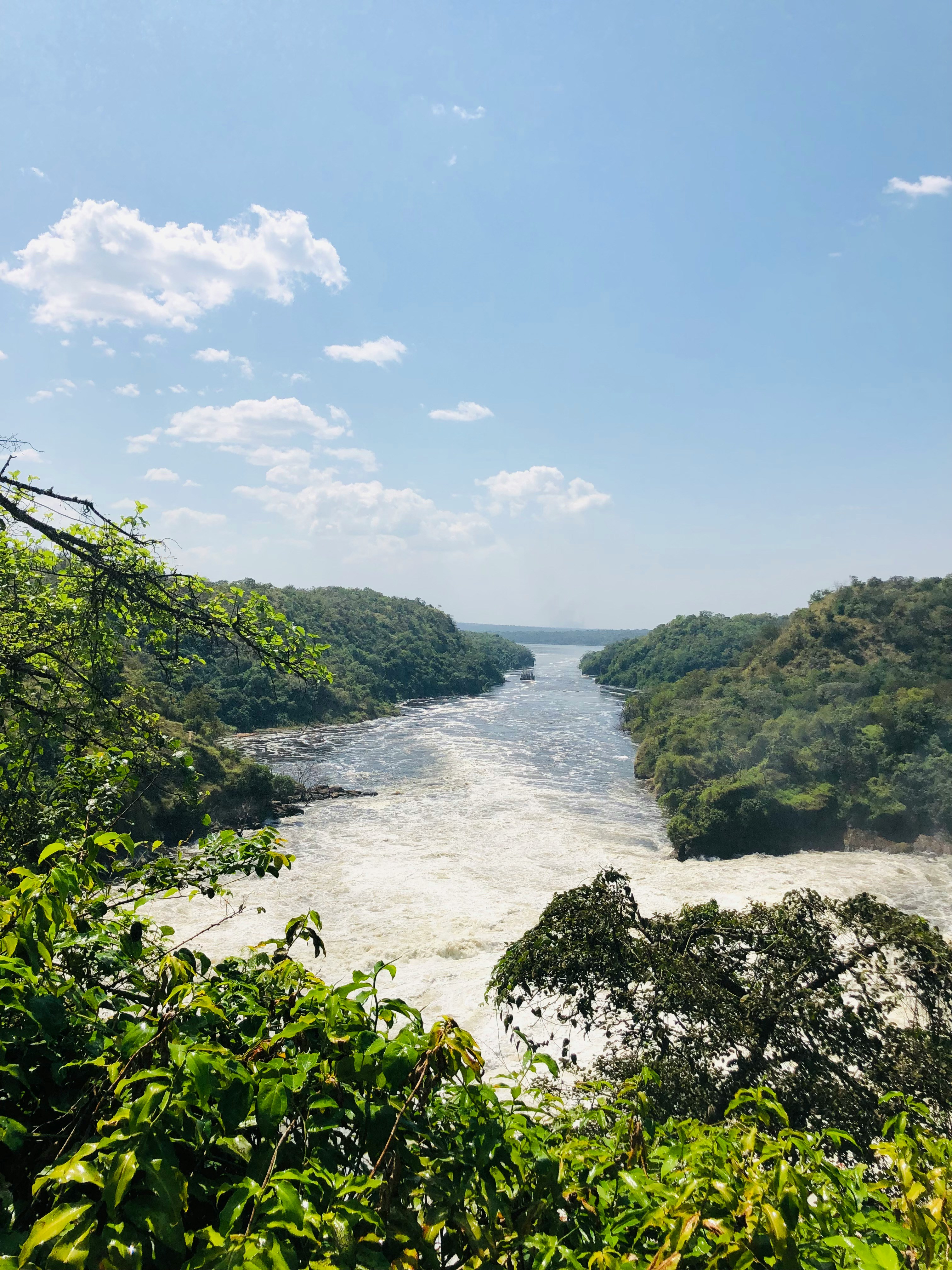
Murchison Falls is where the Nile squeezes through a 7-meter-wide gap, then spreads out into a broad river full of wildlife.

Why go:

  • Boat trips to the base of the falls
  • Game drives for elephants, giraffes, lions, and plenty of plains game
  • Savannah and a major river in the same park
  • Good photography from both the water and land

Best season:
December–February and June–September for dry, clear weather and strong game viewing.

Where to stay:

Don't miss:

  • A hike to the top of the falls, close enough to feel the spray
  • A sunrise boat cruise toward the Nile delta
  • Evening drives across plains dotted with Borassus palms
A collection of photographs showcasing Uganda's diverse wildlife, including mountain gorillas, chimpanzees, and the Shoebill Stork.

Conservation You Can See

In Uganda, the wildlife and the conservation system are hard to separate, and it is unusually easy to see how tourism money pays for protection on the ground.

  • Gorillas: Bwindi holds close to half of the world's remaining mountain gorillas. Permits are strictly limited, each habituated family can be visited by a maximum of eight people a day, and visits are quiet and regulated.
  • Communities: part of park revenue is shared with communities around the parks, and lodges employ local guides, porters and staff.
  • Partnerships: government, conservation groups and lodge operators work together on protection and visitor limits.

For travelers who care about where their money goes, that is a large part of the appeal. With good planning, the gorilla trek is less about the physical challenge and more about the encounter itself.

Uganda by Season

You can visit Uganda year-round, but rainfall and trail conditions matter, especially for gorilla and chimp trekking.

Long Dry Season (June–September)

  • Best for: gorilla trekking, chimp trekking, Queen Elizabeth, Murchison
  • Drier trails, clearer skies, excellent game viewing

Short Dry Season (December–February)

  • Best for: gorilla and chimp trekking, Murchison Falls, Jinja
  • Good conditions across most of the country

Long Rains (March–May)

  • Best for: green landscapes, fewer travelers, photographers
  • Some trails are muddier; trekking still works but is harder going

Short Rains (October–November)

  • Best for: dramatic skies, lush scenery, birding
  • Afternoon showers are common; mornings are often clear

Timing your trip around these seasons helps you avoid crowds and get the conditions that suit what you most want to do. My month-by-month guide to safari weather covers the rest of the region.

Luxury Experiences That Define Uganda

Mountain Gorilla Trekking in Bwindi

You get one hour with a gorilla family: juveniles playing, mothers with infants, a silverback keeping order. Few wildlife encounters anywhere compare. If budget and availability allow, a gorilla habituation experience gives you up to four hours with a group, and it's more physically demanding.

Chimpanzee Tracking in Kibale, Kyambura Gorge and Kalinzu Forest

Follow chimps as they call, feed, and move through the canopy. Habituation experiences give you extended time with them.

Nile Safaris at Murchison Falls and River Experiences in Queen Elizabeth National Park

On the Nile you drift past elephants on the banks and pods of hippos, with the roar of Murchison Falls ahead. In Queen Elizabeth, boats run through the highest density of hippos in East Africa.

Tree-Climbing Lions in Ishasha

Lions draped over fig branches are a rare sight, found in only a few places in Africa.

Community & Conservation Experiences

Meet the guides, porters, rangers, and community leaders shaping conservation and tourism in Uganda.

Traveling to Uganda: Essential Tips

  • Trip length: 9–14 days for a well-paced itinerary, or a 3–4 day primate extension as an add-on to a Kenya itinerary
  • Best time overall: June–September and December–February
  • Getting around: A mix of 4x4 vehicles and small scheduled or charter flights saves time and is more comfortable
  • Health & entry:
    • An e-visa is often required (check current rules)
    • Yellow fever vaccination may be required depending on where you're coming from and your routing
  • Fitness: Gorilla and chimp treks can be moderately strenuous; I match the trek and location to your fitness, and porters are available on every gorilla trek

Why Book Uganda Through Wild Atlas Explorations

Gorilla permits and park names are the easy part. What makes a Uganda trip work is how it's put together:

  • Which regions you pair
  • How you pace your days
  • Which guides, lodges, and routes you choose
  • How you balance trekking with rest

I plan Uganda the way I like to travel it: small lodges, strong guides, responsible operators, and fewer stops with more time at each. That works for a first silverback encounter or a full circuit of primates, savannah, river, and lake.

Who Uganda Suits

Uganda is a good fit if you want:

  • Many ecosystems rather than one headline species
  • Low-density wildlife encounters and strong guiding
  • Conservation that you can see working
  • Something less familiar than the classic safari countries

It works especially well for conservation-minded travelers, adventurous travelers who still want comfort, and confident first-time safari travelers ready for more than the classics.

Uganda FAQ

Is Uganda safe for safari travel?
Yes. With good planning, Uganda is a safe safari destination, with professional guiding and strong oversight of its parks.

Is Uganda only about gorilla trekking?
No. There are also savannah safaris, boat safaris on the Kazinga Channel and the Nile, chimpanzee tracking and very good birding.

How physically demanding is gorilla trekking?
Treks vary. Routes and gorilla families can be matched to fitness, and porters are available. My Uganda vs Rwanda guide compares the trekking in more detail.

How far ahead should I plan?
Ideally 6–12 months, particularly for gorilla permits and the peak seasons.

Ready to Explore Uganda?

Tell me your dates, pace, and how much trekking you want, and I'll build the itinerary around the right season.

→ Start planning your Uganda trip

Ready to plan your trip?

Every itinerary begins with a 20-minute planning call. From there, a $250 planning fee, credited in full toward your booked trip and non-refundable if you don’t book. I brief the property before you arrive — that's what the fee funds.

Plan your trip
More from the journal

Back to the Journal
Abstract artistic frame for luxury travel contentAerial view of clear turquoise ocean water and white sand beach, representing a tropical destination.