Plan this trip with us. $250 planning fee, credited in full toward your trip. The fee funds your property briefing.
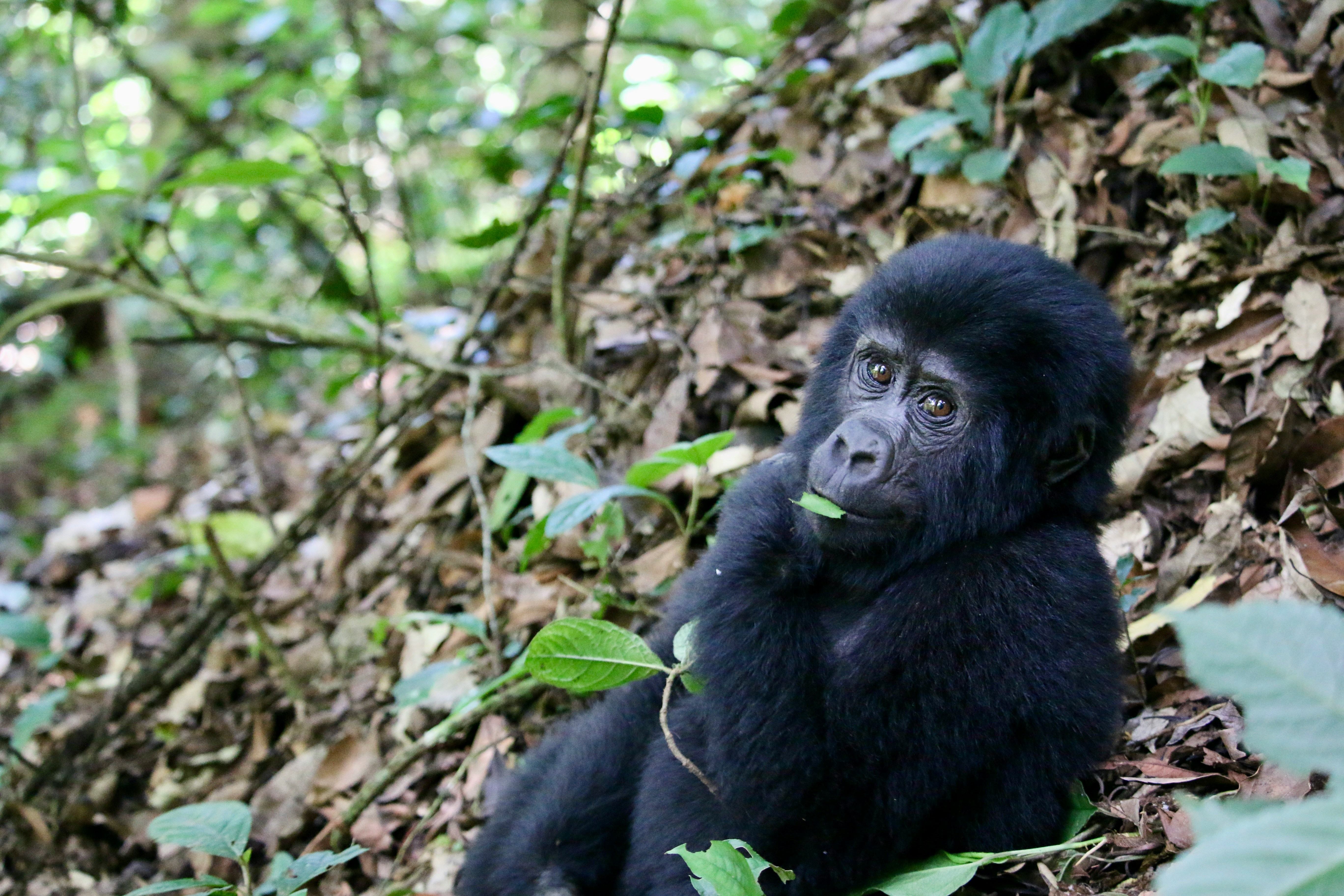
Start the inquiryUganda is where I’d send someone who wants gorillas and a proper safari in the same trip. It is home to East Africa’s mountain gorillas and golden monkeys, and reaching the gorillas means hours of trekking through rainforest on steep volcanic slopes. The rest of the country is crater lakes, rolling hills, tea plantations and national parks with elephant, lion, hippo and a long list of birds.
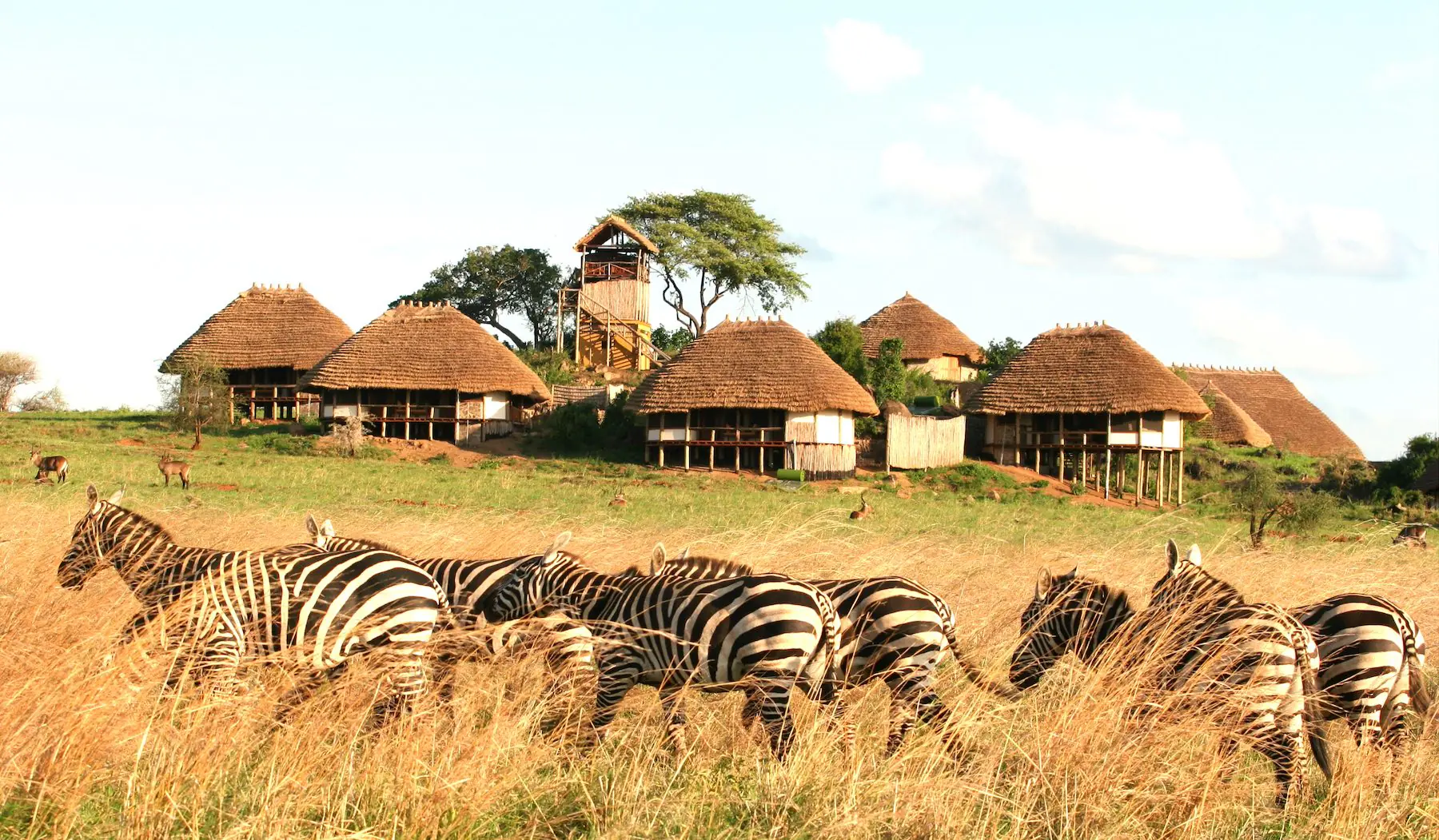
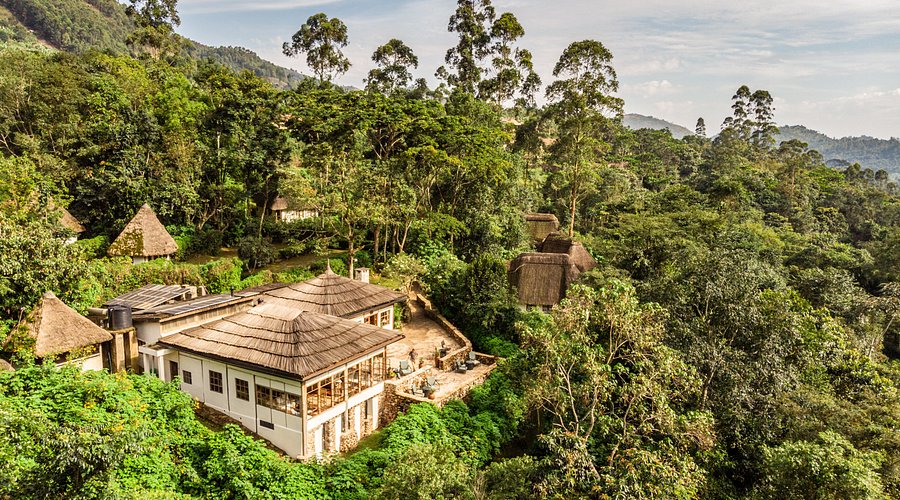
A lot fits into a small country. One trip can combine gorilla trekking in Bwindi, chimpanzee tracking in Kibale, savanna game drives in Queen Elizabeth National Park, and boat trips through wetlands with buffalo and elephant. Lodges range from forest lodges above the clouds to tented camps overlooking the plains. I’ve done the gorilla trek in Bwindi myself.
Best for: gorilla and chimpanzee trekking, travelers who don’t mind a physical day, and anyone who wants forest and savanna in one trip.
Uganda comes down to sequencing. Gorilla permits are limited, the Bwindi trekking sectors differ a lot in terrain, and a domestic flight can save a long day on the road between Bwindi, Kibale and Queen Elizabeth. I help you choose lodges, sectors, seasons and routing, book the lodges, flights and local operators who handle permits and guiding, and am your point of contact before and during the trip.
I book through Fora, so I can often add perks through Fora Reserve and hotel brands’ own advisor programs, such as a property credit, a welcome amenity or an upgrade when one is free, at many properties where available.
Every gorilla permit you buy in Uganda sends money, by design, to the villages around Bwindi — a share of permit and park revenue is paid over to the communities at the forest edge. It is the economic fact that turned gorillas from a poaching target into an asset worth protecting, and it is part of what your $800 actually buys.
I favor lodges and operators that support anti-poaching units, protect great ape habitat and work with community-run conservancies around Bwindi, Kibale and Queen Elizabeth National Parks.
Gorilla and chimpanzee tourism gives local communities an income from keeping these landscapes wild. The lodges I prefer run community education, reforestation and wildlife research programs.
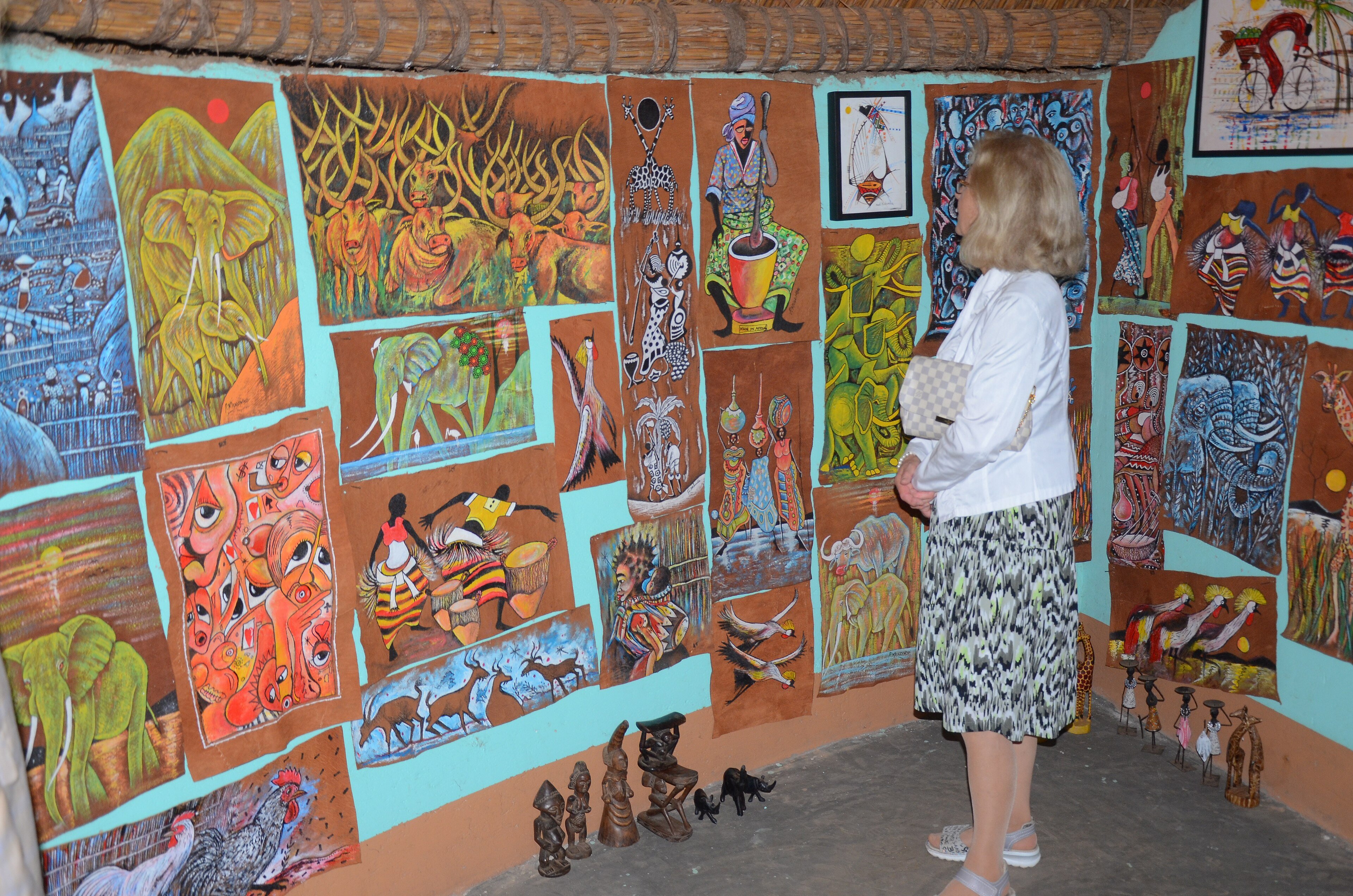
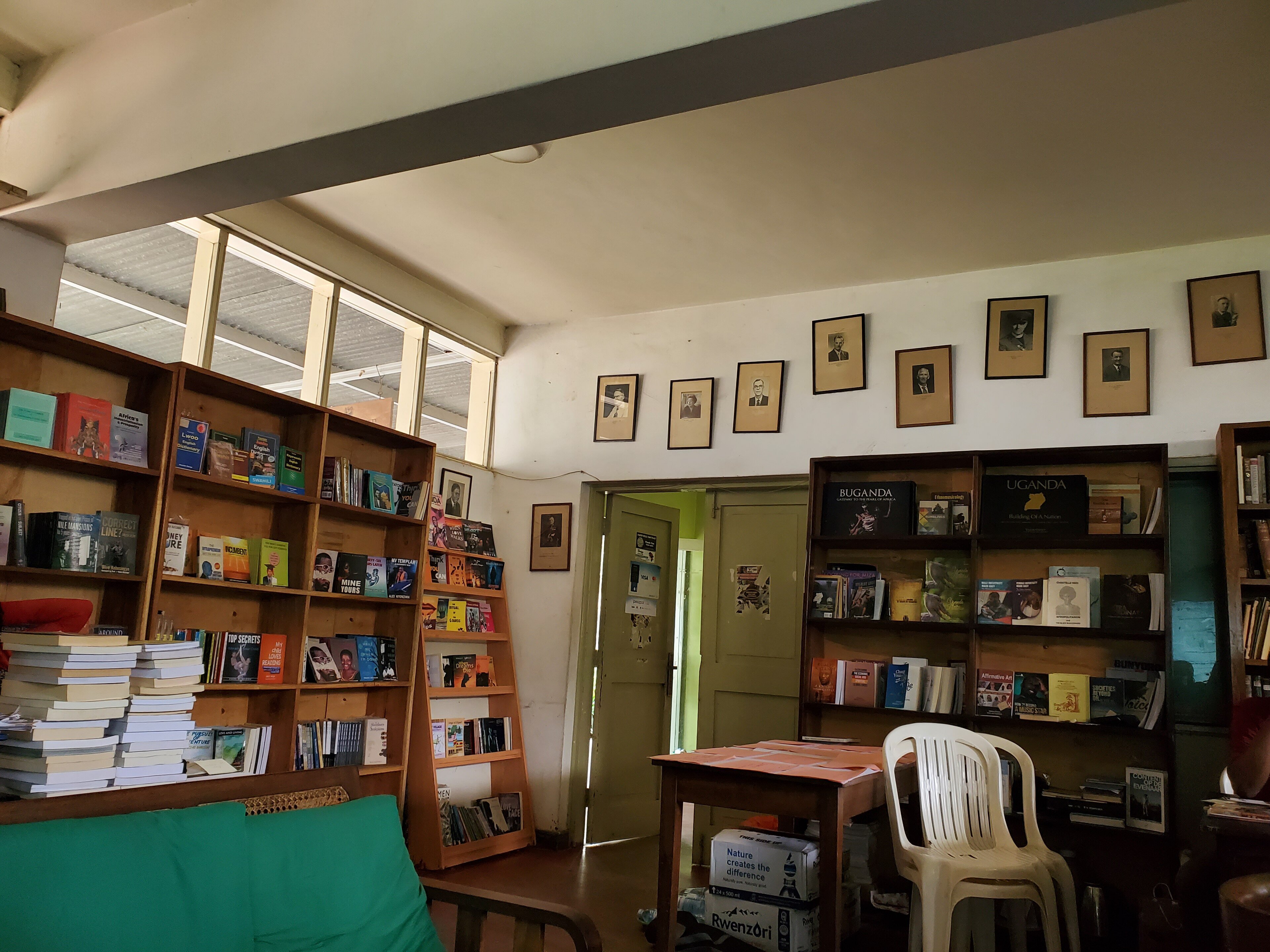
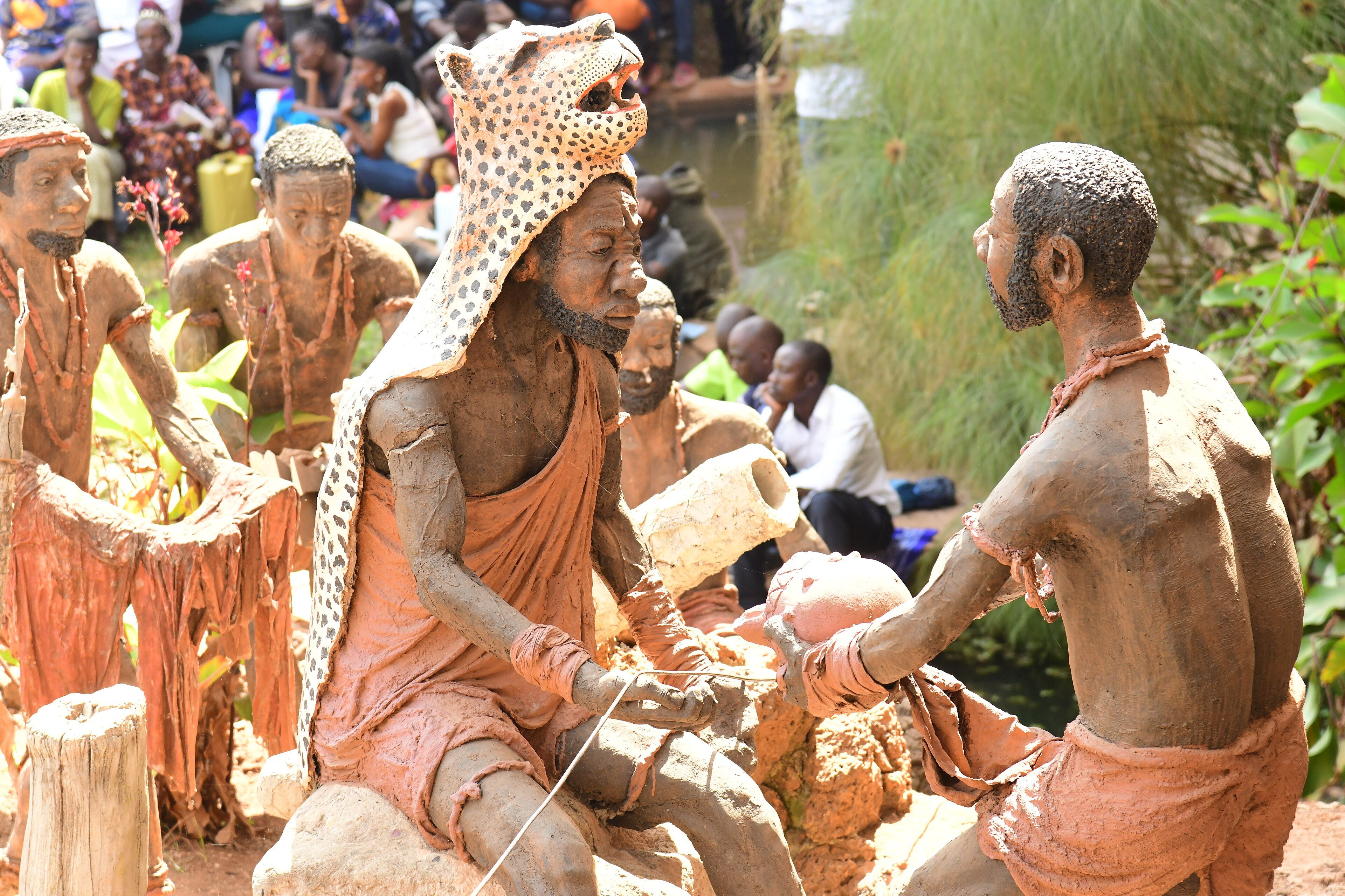
Uganda's culture is easy to fit around gorilla and chimp trekking, from the old Buganda kingdom around Kampala to the communities on the edges of the parks.
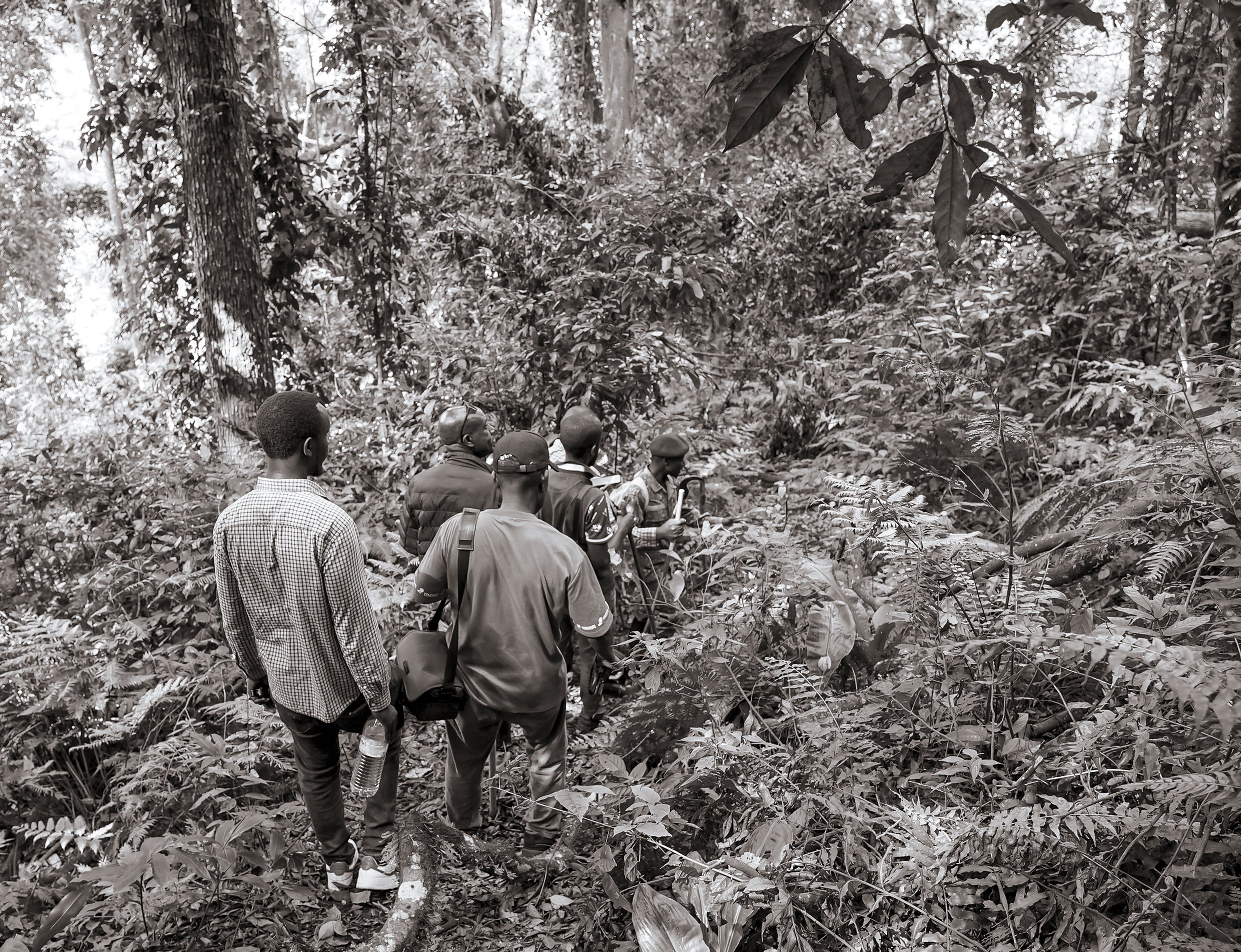
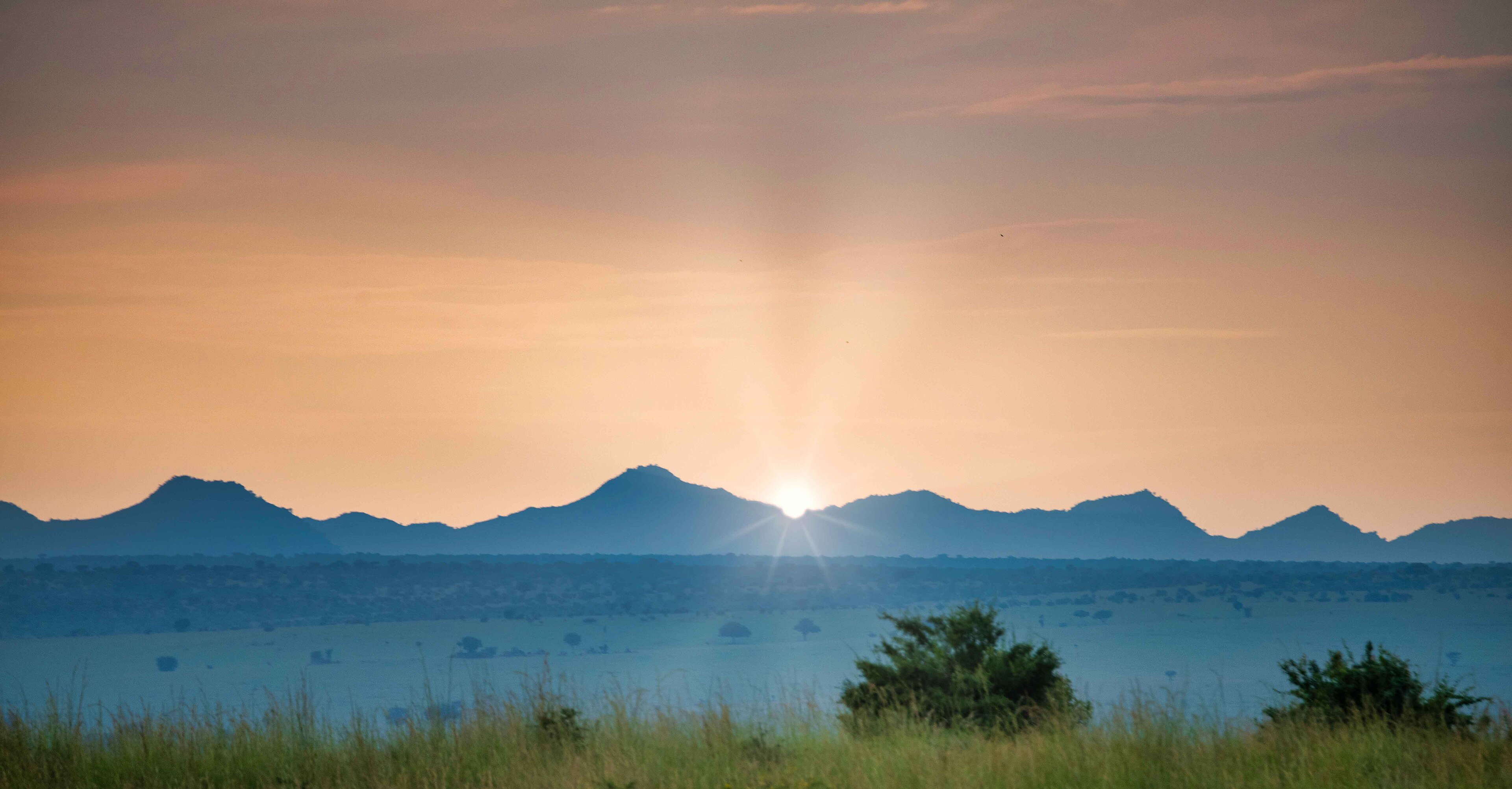
Uganda is a year-round destination, but certain months are ideal for primate trekking and wildlife viewing.
Dry, clear mornings with excellent gorilla and chimpanzee trekking conditions. Forest trails are firm and visibility is great.
The driest months of the year. Gorilla trekking is fantastic, wildlife viewing is excellent, and skies are reliably clear.
Brief showers, lush forests, fewer travelers, and good value at lodges. Trekking is still rewarding.
Another high-demand month with stable conditions and vibrant forest life.
Gorilla permits sell out 6–12 months ahead, no exceptions. Permits by March, or we plan around what’s left.

Pian Upe Wildlife Reserve lies east of Kidepo, stretching toward the Kenyan border. Vast, lightly visited, and semi-arid, it is one of Uganda’s least-known conservation areas—and one of its most revealing.
Pian Upe is not a destination you add for highlights. It is a place you include for space, solitude, and context.
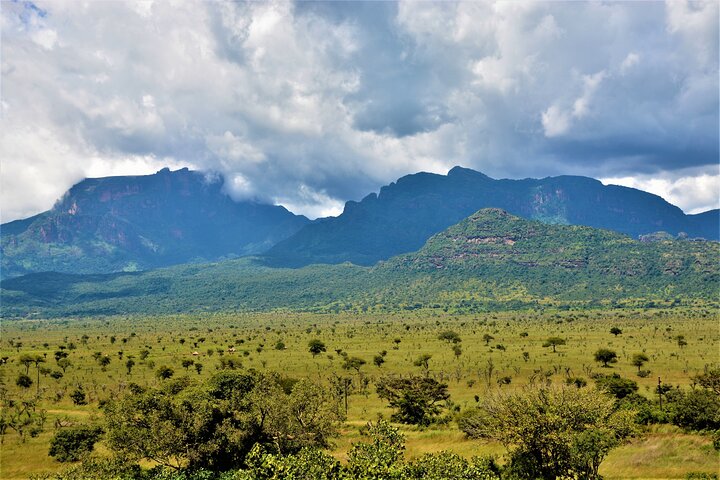
Kidepo Valley National Park sits in Uganda’s far northeast, bordered by South Sudan and Kenya, and feels geographically and culturally closer to northern Kenya than to the rest of the country. Remote, arid, and vast, Kidepo is Uganda’s most unfiltered wilderness—and the country’s best place to see cheetah.
This is not a park you stumble into. It is one you choose deliberately.

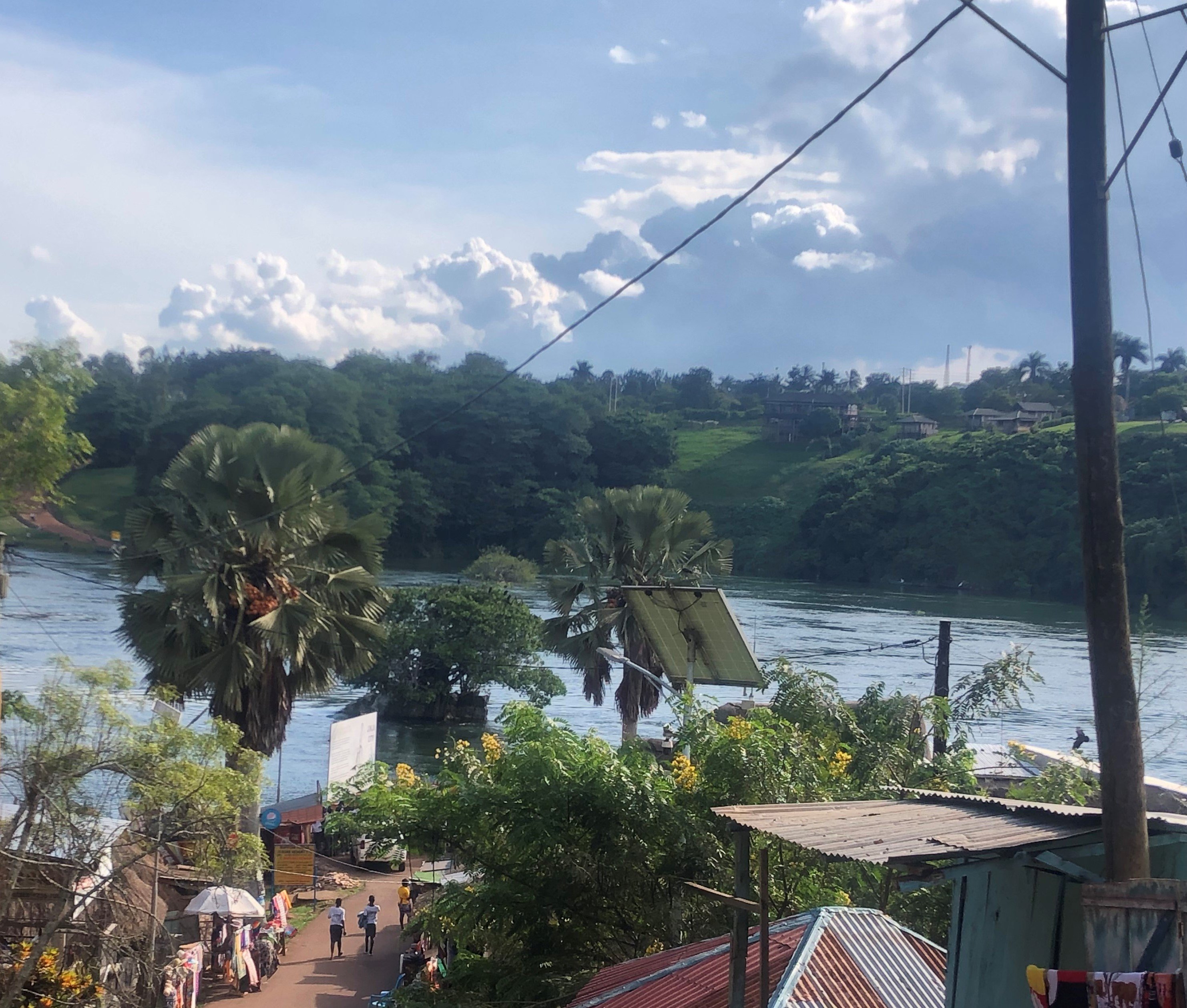
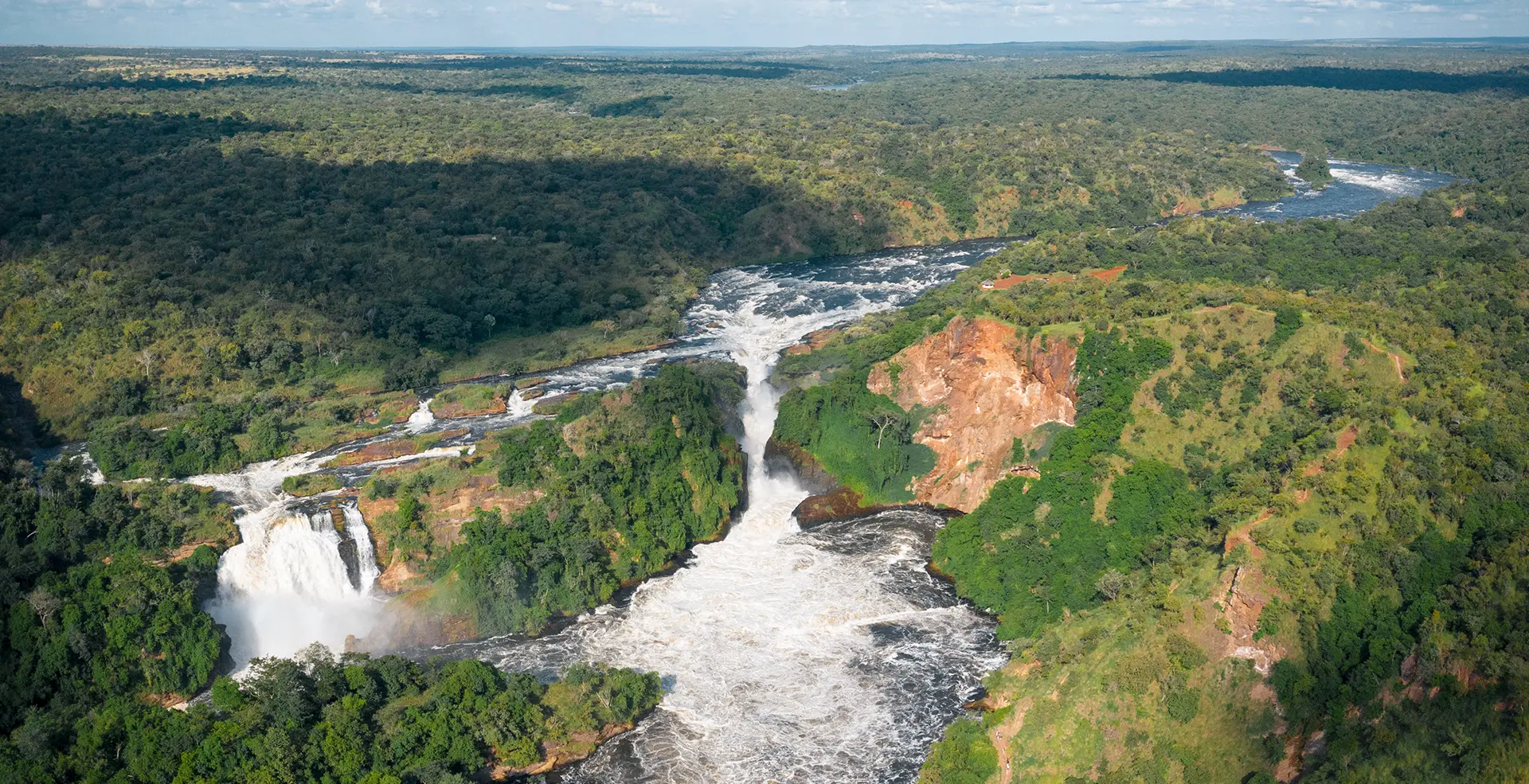
Murchison Falls National Park is Uganda’s most physically dramatic safari landscape. Where western Uganda is defined by forests, primates, and layered ecosystems, Murchison is about open space, water, and wildlife density—all shaped by the force of the Nile.
This is Uganda’s most traditional safari environment, but with a scale and energy that set it apart from anywhere else in the country.
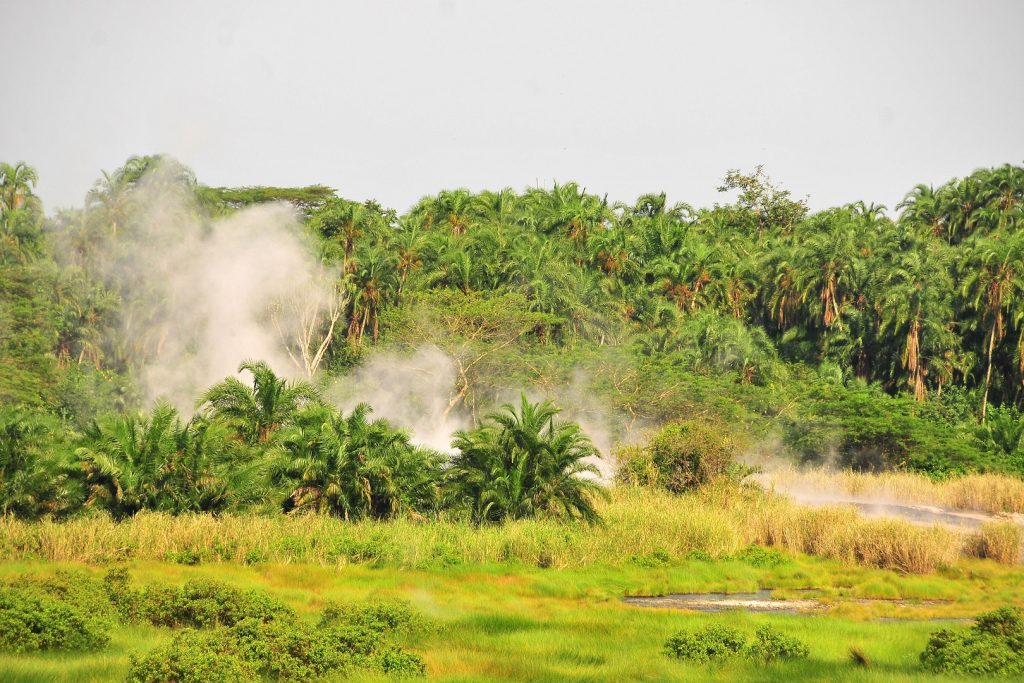
Semliki National Park feels unlike anywhere else in Uganda. Sitting at the base of the Rwenzori Mountains along the border with the Democratic Republic of Congo, Semliki protects the easternmost edge of the Congo Basin rainforest—and with it, a collection of species that feel almost imagined.
This is why Semliki is often described, affectionately, as “Dr. Seuss land.” The wildlife here is not defined by size or spectacle, but by oddity, rarity, and evolutionary detours.
Kibale Forest National Park is Africa’s most important stronghold for wild chimpanzees—not simply because sightings are reliable, but because this is a place where chimpanzee societies, hierarchies, and territories can be observed unfolding in real time.
This is not a quiet forest. Kibale is alive with movement, sound, and social drama. Tracking chimps here feels less like a walk and more like entering an active primate domain.

Mgahinga Gorilla National Park is Uganda’s smallest national park—and one of its most distinctive. Tucked into the Virunga Mountains along the borders of Rwanda and the Democratic Republic of Congo, Mgahinga offers a quieter, more focused gorilla experience defined by altitude, volcanic landscapes, and solitude.
This is a park for travelers who value atmosphere and intention over scale.

Bwindi is not simply a place to see mountain gorillas. It is a dense, ancient ecosystem where altitude, terrain, and forest structure shape every part of the experience.
This is where gorilla trekking feels most authentic—and most demanding. When planned properly, Bwindi delivers one of the most emotionally powerful wildlife encounters on earth.

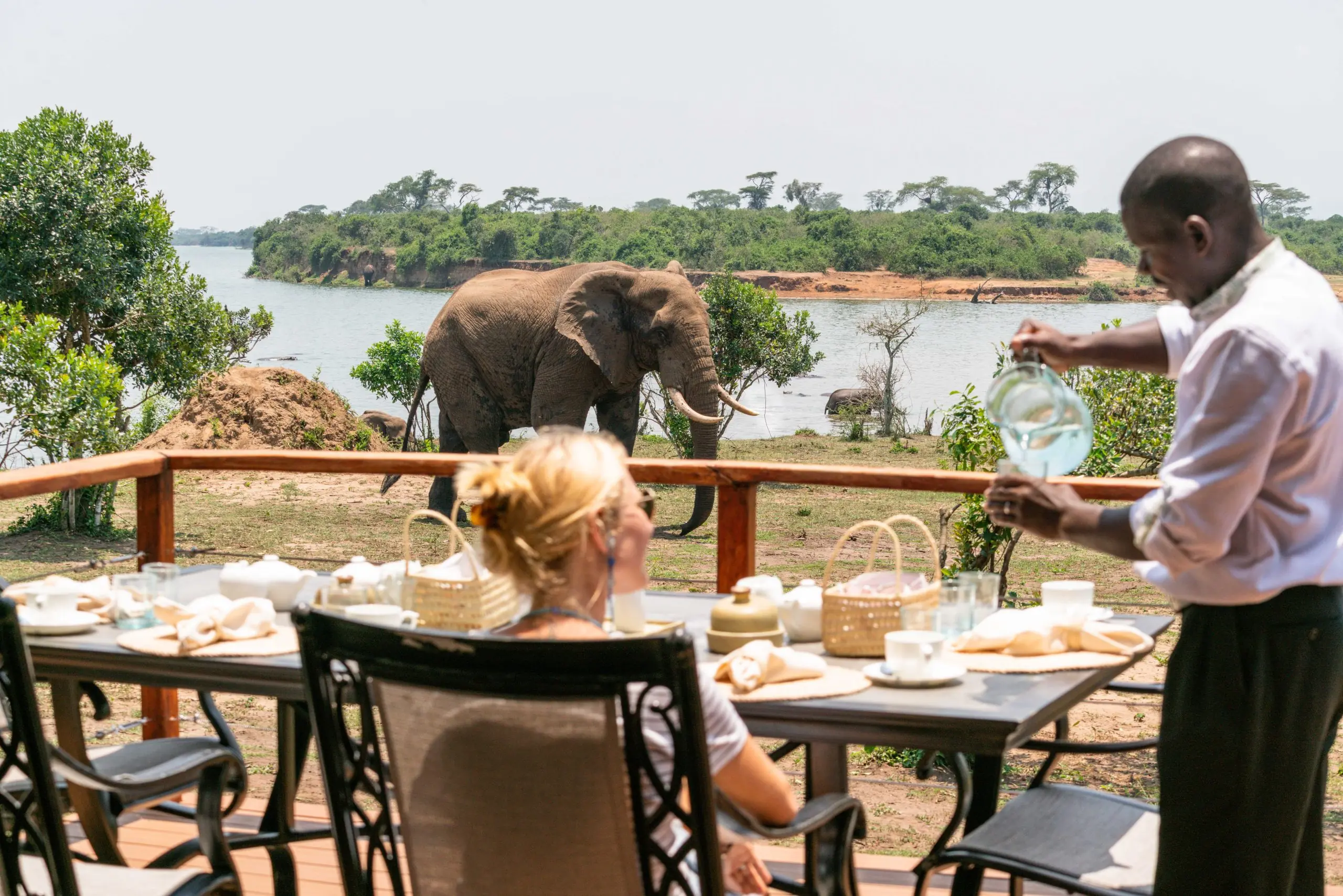
Queen Elizabeth National Park is not defined by a single headline experience. It is a living, interconnected system—where savannah, water, forest, wildlife, and human communities overlap in ways few African parks can match.
Done properly, QENP delivers primates, predators, water-based wildlife viewing, and cultural context within a single region—without feeling fragmented.

Every trip begins with a 20-minute planning call. From there, a $250 planning fee, credited in full toward your booked trip and non-refundable if you don’t book. I brief the property before you arrive — that's what the fee funds. I reply within one business day.
Plan your trip