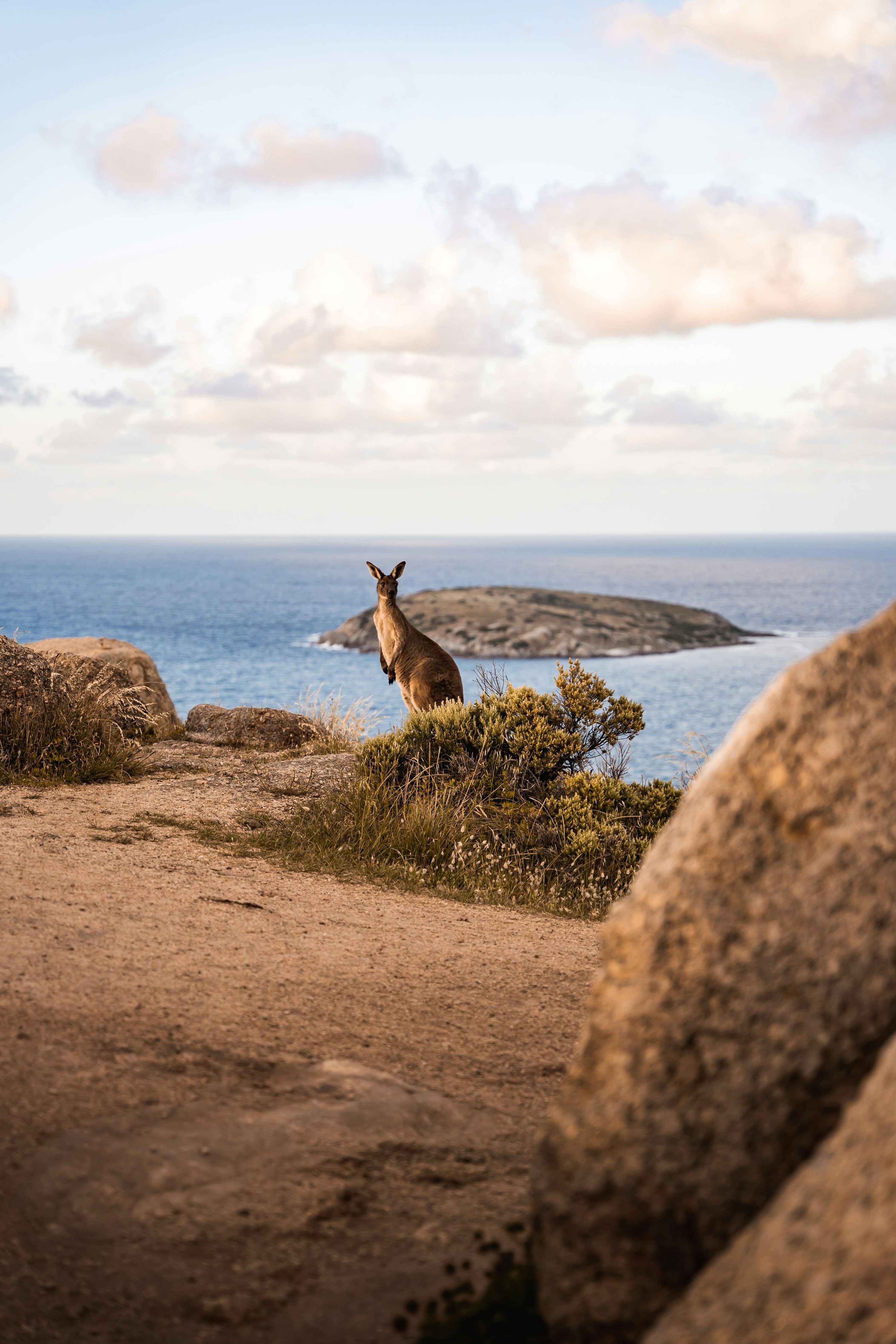
Some travelers want to see wildlife.
Others want to understand it.
Wildlife and conservation-focused travel is not about checking species off a list or rushing between sightings. It is about time, context, and place — about being guided by people who know the land intimately and traveling in ways that respect the ecosystems that make these experiences possible.
At Wild Atlas Explorations, we design journeys for travelers who care deeply about the natural world and want their travel to reflect that care — through where they go, when they go, and how they experience it.
This style of travel prioritizes quality over quantity.
It is defined by:
For these travelers, luxury is not excess. It is access, insight, and integrity.
Many conservation-minded travelers come to us after disappointing experiences elsewhere.
Common frustrations include:
Overcrowded wildlife areas
Too many vehicles disrupt animal behavior and diminish the experience.
Superficial guiding
Scripted commentary and rushed sightings fail to provide real understanding.
Greenwashing
Vague sustainability claims without real conservation impact.
Poor timing
Traveling at the wrong season for wildlife activity or ecological events.
Wildlife-focused travel succeeds only when destinations, guides, and timing are chosen with care.
The most rewarding wildlife journeys begin with ecology, not logistics.
Before designing an itinerary, we focus on:
Only then do we design journeys that align with natural systems rather than forcing experiences into rigid schedules.
We currently focus our wildlife and conservation journeys on Kenya, Zambia, Uganda, and Australia — destinations where conservation outcomes and guiding standards are among the strongest in the world.
Kenya’s private conservancies represent one of the most successful wildlife conservation models globally.
Why Kenya stands out:
For conservation-focused travelers, Kenya offers both extraordinary wildlife density and meaningful impact.
Zambia remains one of Africa’s most ecologically intact safari destinations.
Why Zambia excels:
Zambia is ideal for travelers who value solitude, time, and ecological authenticity.
Uganda’s wildlife experiences are inseparable from its conservation story — particularly in relation to mountain gorillas.
Why Uganda is uniquely compelling:
For travelers who want their visit to actively contribute to protection efforts, Uganda offers rare clarity of impact.
Australia offers one of the world’s most diverse wildlife landscapes, supported by advanced conservation science and land management.
Why Australia works for conservation-minded travelers:
From Kangaroo Island to remote outback regions, Australia allows travelers to engage deeply with conservation across land and sea.
Every wildlife and conservation journey we design is built around respect — for place, people, and species.
Our approach emphasizes:
We believe the most powerful wildlife experiences come from patience, presence, and perspective.
If your travel decisions are guided by curiosity, ethics, and respect for the natural world, you belong here.
We specialize in designing journeys for travelers who want to engage with wildlife thoughtfully — in places where conservation is real and experiences are uncrowded.
👉 Explore Conservation-Led Journeys
How does conservation travel differ from a standard safari?
Conservation travel prioritizes low-impact access, expert guiding, and destinations where tourism directly supports wildlife protection.
Are wildlife-focused trips suitable for first-time safari travelers?
Yes, when planned correctly. Many first-time travelers prefer conservation-led journeys for their depth and authenticity.
How do you evaluate conservation claims?
We work only with partners whose conservation impact is measurable, transparent, and embedded in daily operations.
Is Australia suitable for conservation-focused travel?
Absolutely. Australia offers exceptional conservation leadership across terrestrial and marine ecosystems.
How far in advance should these trips be planned?
Ideally 6–12 months in advance to align travel with optimal ecological conditions.
Wildlife and conservation travel is not about seeing more.
It’s about seeing better — with clarity, humility, and intention.
Wild Atlas Explorations exists to design journeys that honor the wild places we visit, ensuring they remain extraordinary long after the journey ends.
Every intinerary begins with a conversation. Tell us what you're dreaming of, and we'll design a journey tailored entirely to you.
Take the Next Steps




.svg)