
.svg)
Why travel with us?
We design bespoke, exceptional journeys focused on nature-centered, seasonal, and immersive travel. Discover the difference: high-touch itineraries, private guiding, and honest, expert guidance worldwide.
Discover
Every intinerary begins with a conversation. Tell us what you're dreaming of, and we'll design a journey tailored entirely to you.
Take the Next StepsLuxury safari travelers increasingly want fewer vehicles, fewer people, and more intimate wildlife moments. The solution isn’t avoiding Africa — it’s choosing the right places within it.
This guide explains exactly how to plan a no-crowds safari, breaking down conservancies, private reserves, and remote parks so you can build a trip with maximum exclusivity and minimal tourism pressure.
A conservancy is privately or community-owned land that partners with safari operators to protect wildlife while limiting tourism numbers.
They typically cap:
Why it matters:
You see wildlife with no traffic and directly support conservation and local communities.
Best examples:
These are privately managed wildlife areas adjacent to national parks (often unfenced), offering:
Why it matters:
Dramatically fewer vehicles and more freedom in activities.
Best examples:
These are government parks with naturally low visitor numbers because of limited access, large size, or low commercial development.
Best examples:
Why it matters:
The experience is unmatched solitude. You may not see another vehicle the entire day.
This is the formula we use for Wild Atlas Explorations trips:
Prioritize:
Small, owner-run camps protect the experience.
Example: Mara Reserve, Serengeti Central, Chobe Riverfront.
These naturally avoid vehicle congestion — Zambia and Kenya are best.
Sunrise departures
Later brunches
Private sundowner spots
Example combos:
A no-crowds safari isn’t complicated — it’s intentional.
Choose the right land model. Choose the right operators. Choose the right timing.
Do that, and the Africa most people dream about — quiet, wild, intimate — becomes your reality.
Every intinerary begins with a conversation. Tell us what you're dreaming of, and we'll design a journey tailored entirely to you.
Take the Next Steps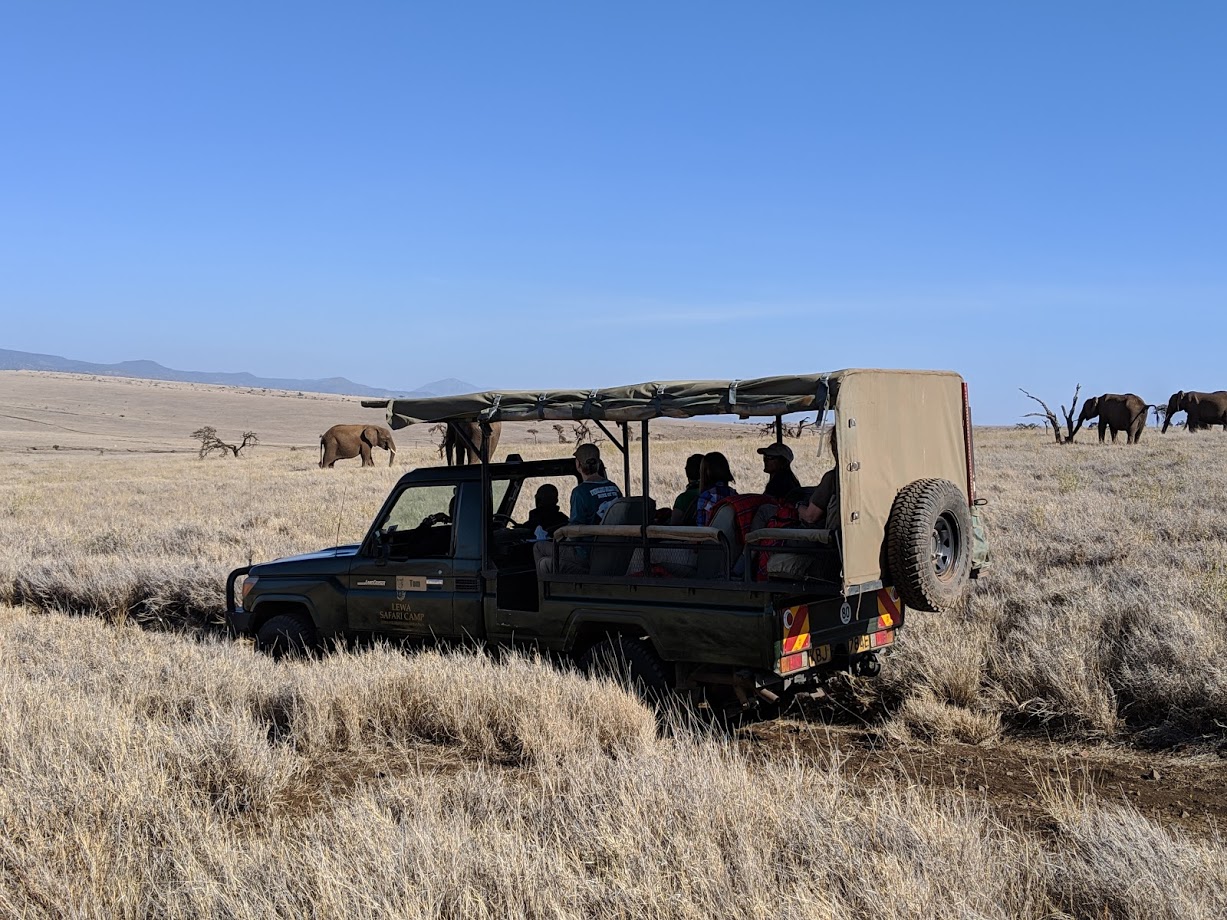





.svg)