
.svg)
Why travel with us?
We design bespoke, exceptional journeys focused on nature-centered, seasonal, and immersive travel. Discover the difference: high-touch itineraries, private guiding, and honest, expert guidance worldwide.
Discover
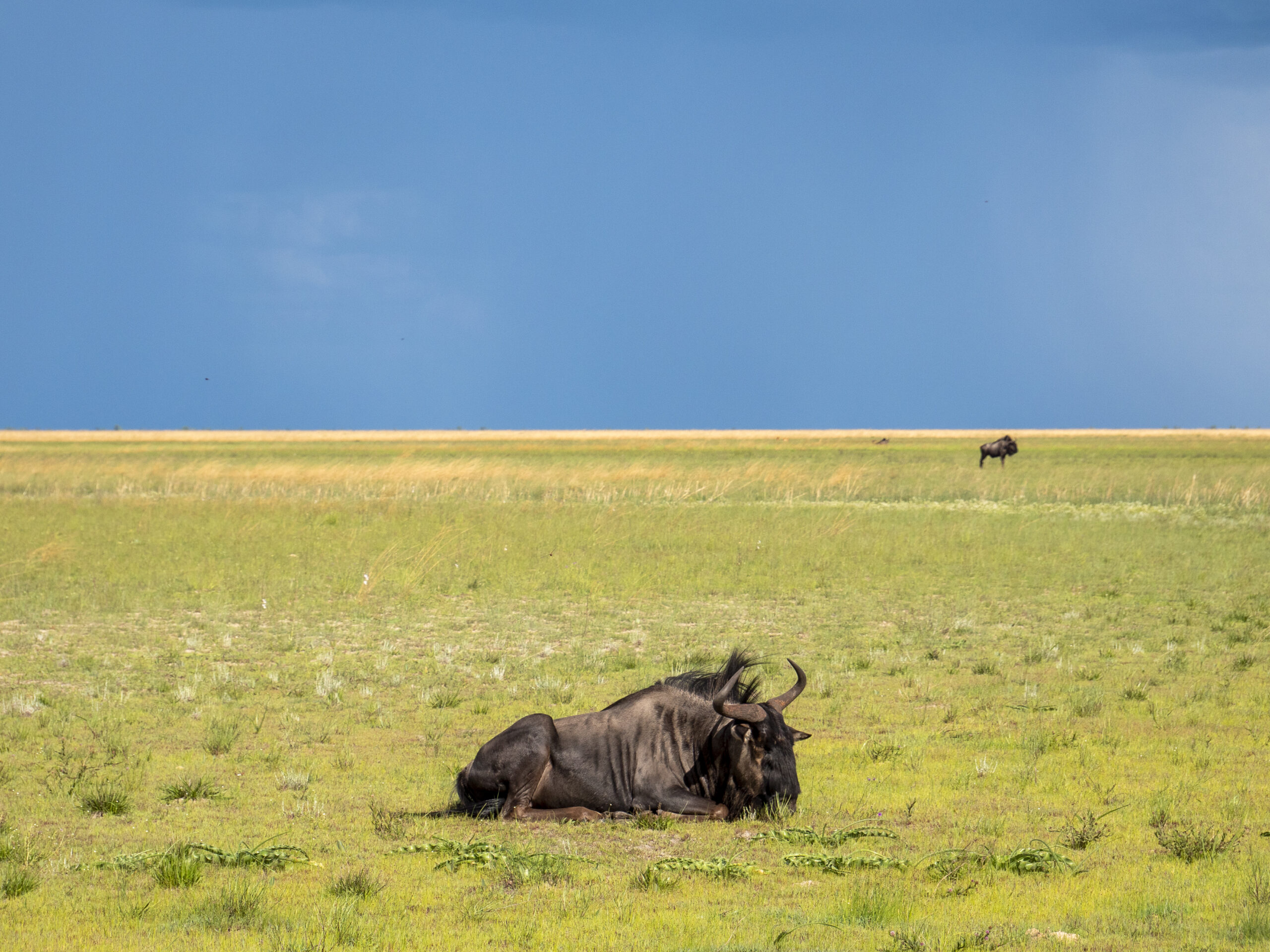
Every intinerary begins with a conversation. Tell us what you're dreaming of, and we'll design a journey tailored entirely to you.
Take the Next StepsBy 2026, travel demand will be fully normalized—but access, quality, and authenticity will not be. The destinations that will matter most are the ones that limit volume, reward intention, and still feel meaningfully wild.
Below are the places we believe will offer the best experiences in 2026—not because they’re new, but because they continue to resist dilution when approached properly.
Uganda remains one of the most undervalued safari destinations in the world—and by 2026, that gap between perception and reality will matter even more.
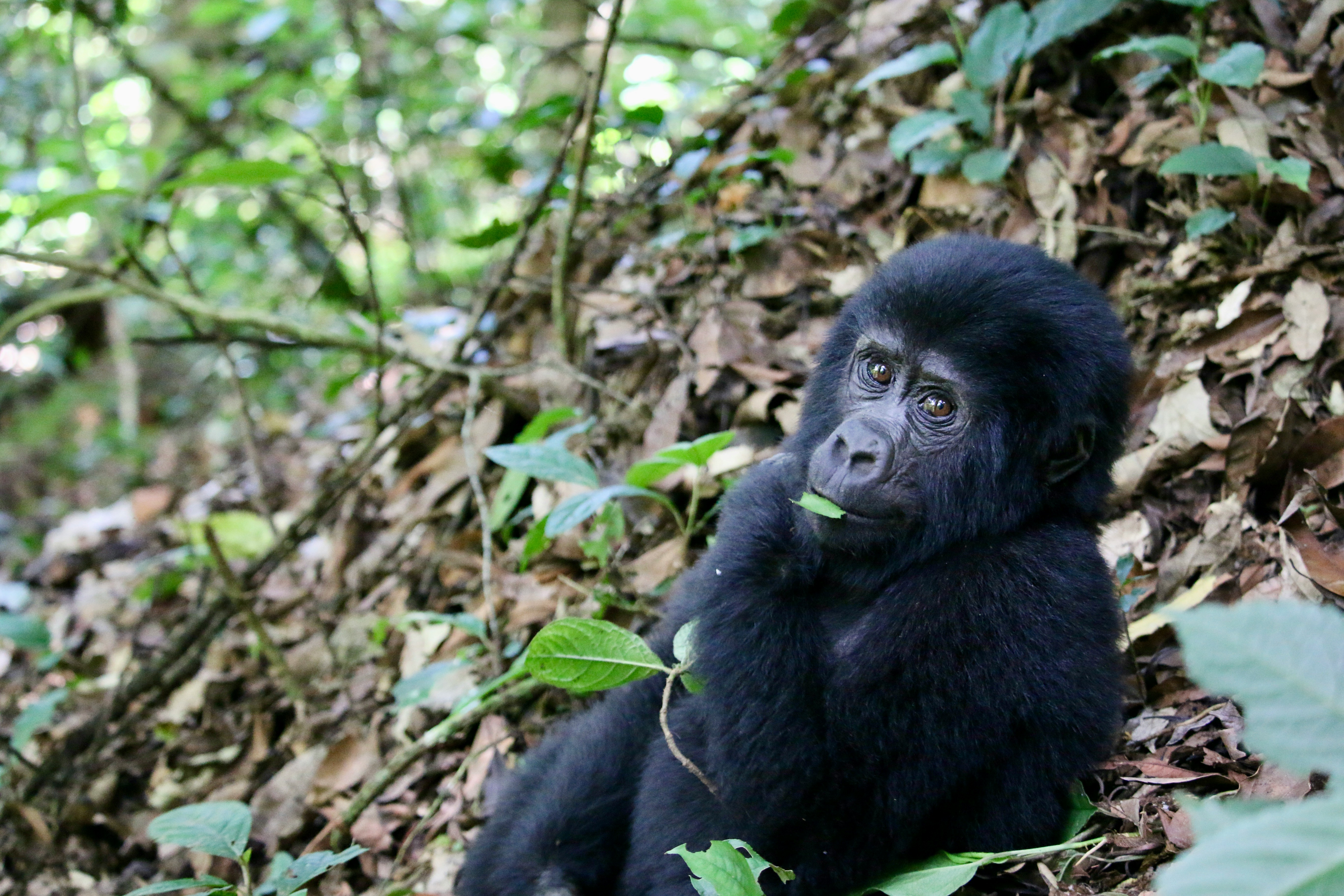
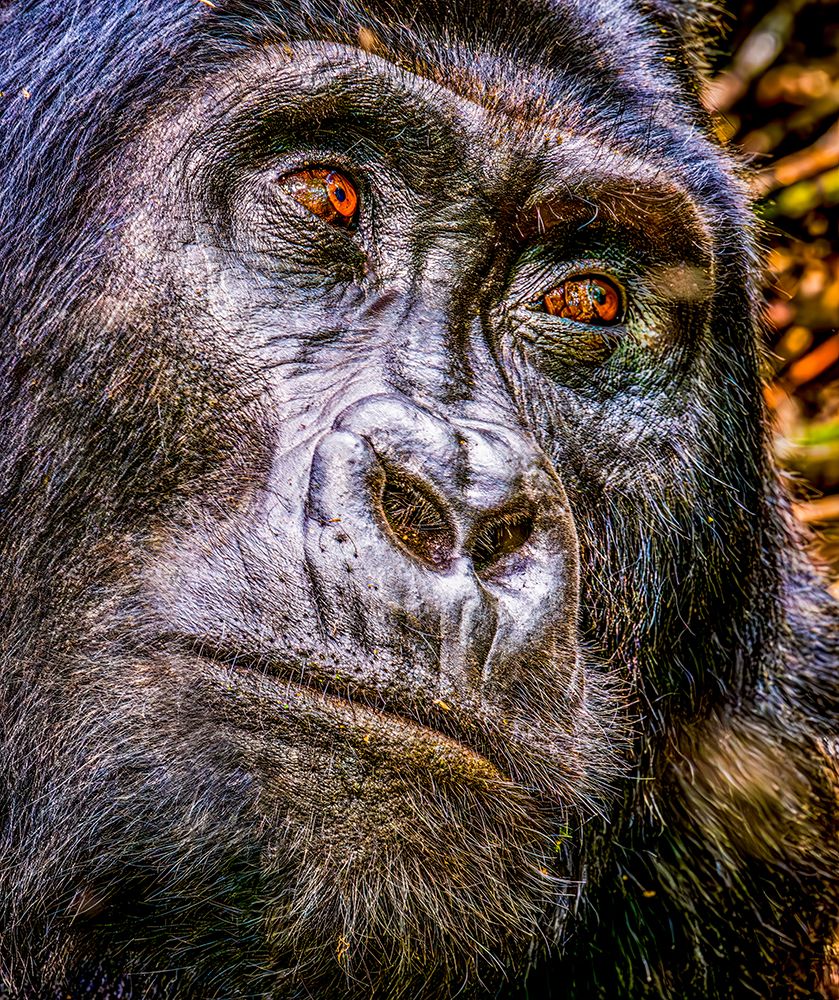
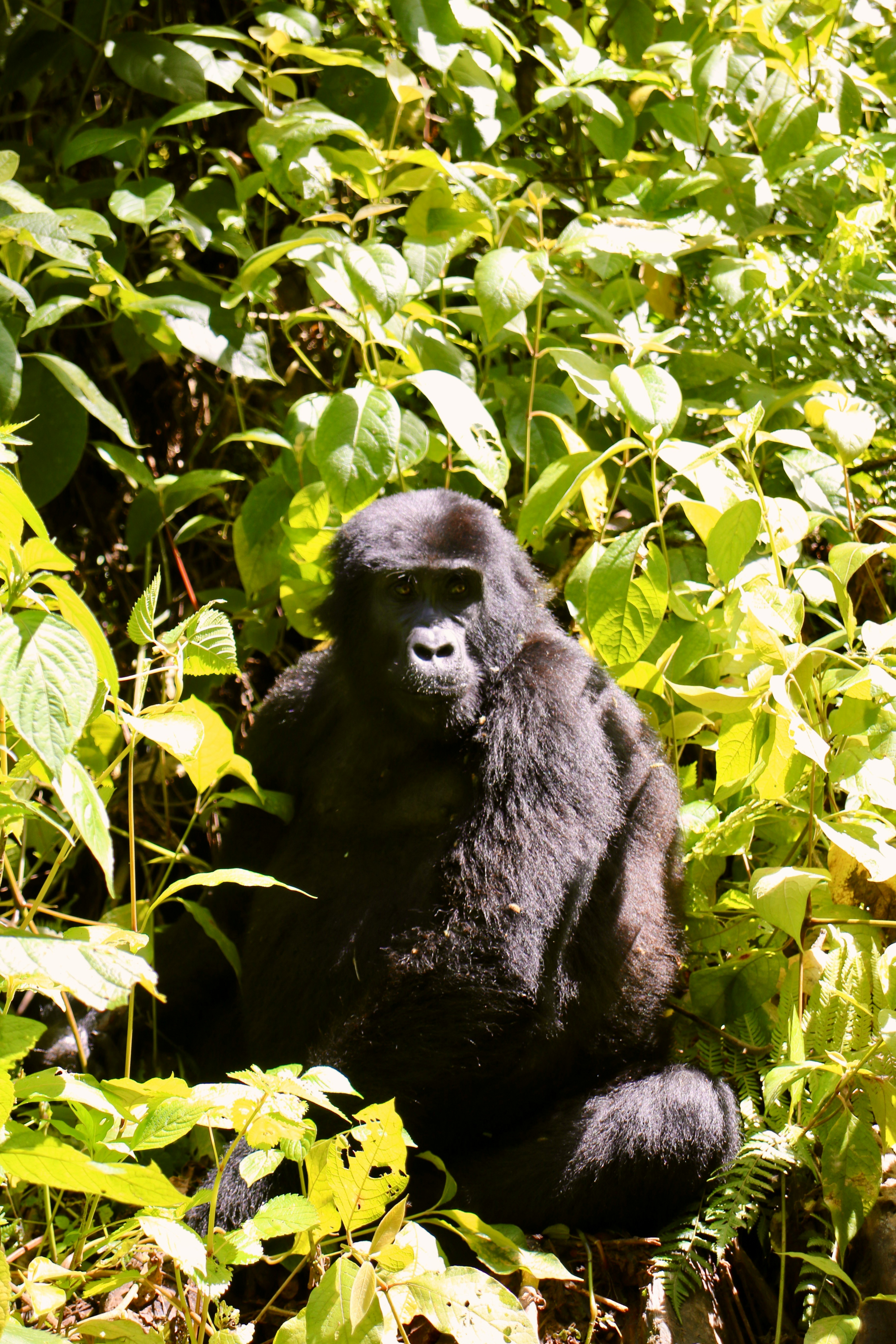
Gorilla trekking will always define Uganda, but Bwindi’s strength lies in regulation. Permit limits, highly trained trackers, and a growing number of low-impact forest lodges preserve intimacy in an experience that could easily be overrun elsewhere.
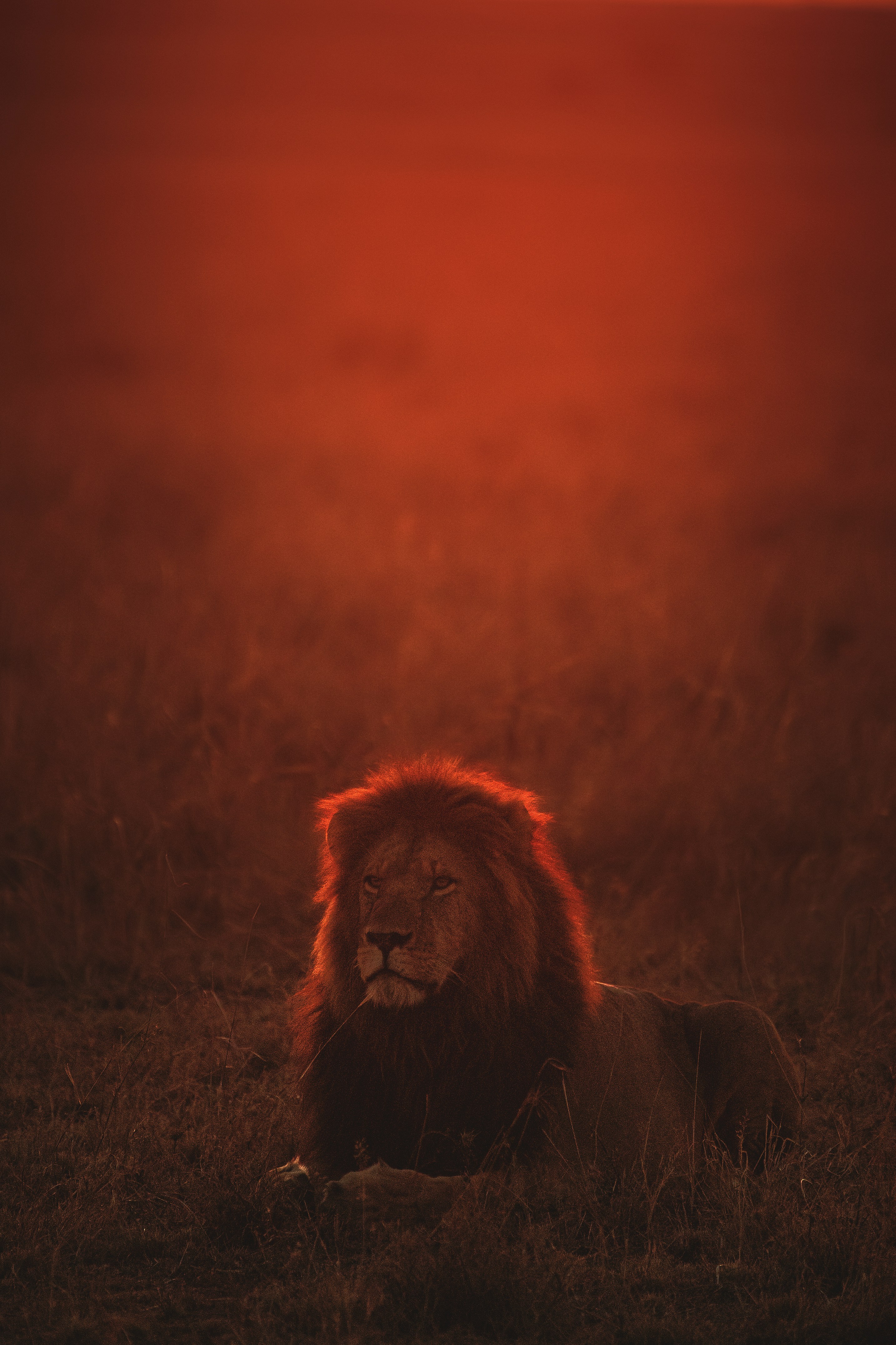
Kidepo is not a “detour”—it’s the point. Vast open savannah, cheetah, lion, and some of the lowest vehicle densities anywhere in Africa. In 2026, as safari congestion increases elsewhere, Kidepo’s remoteness becomes its greatest luxury.
When routed intentionally, Queen Elizabeth adds water-based wildlife, crater landscapes, and biodiversity without redundancy—an essential contrast between forest and far-north wilderness.
Unmatched biodiversity, improving infrastructure, and still one of the few places where safaris feel unscripted.
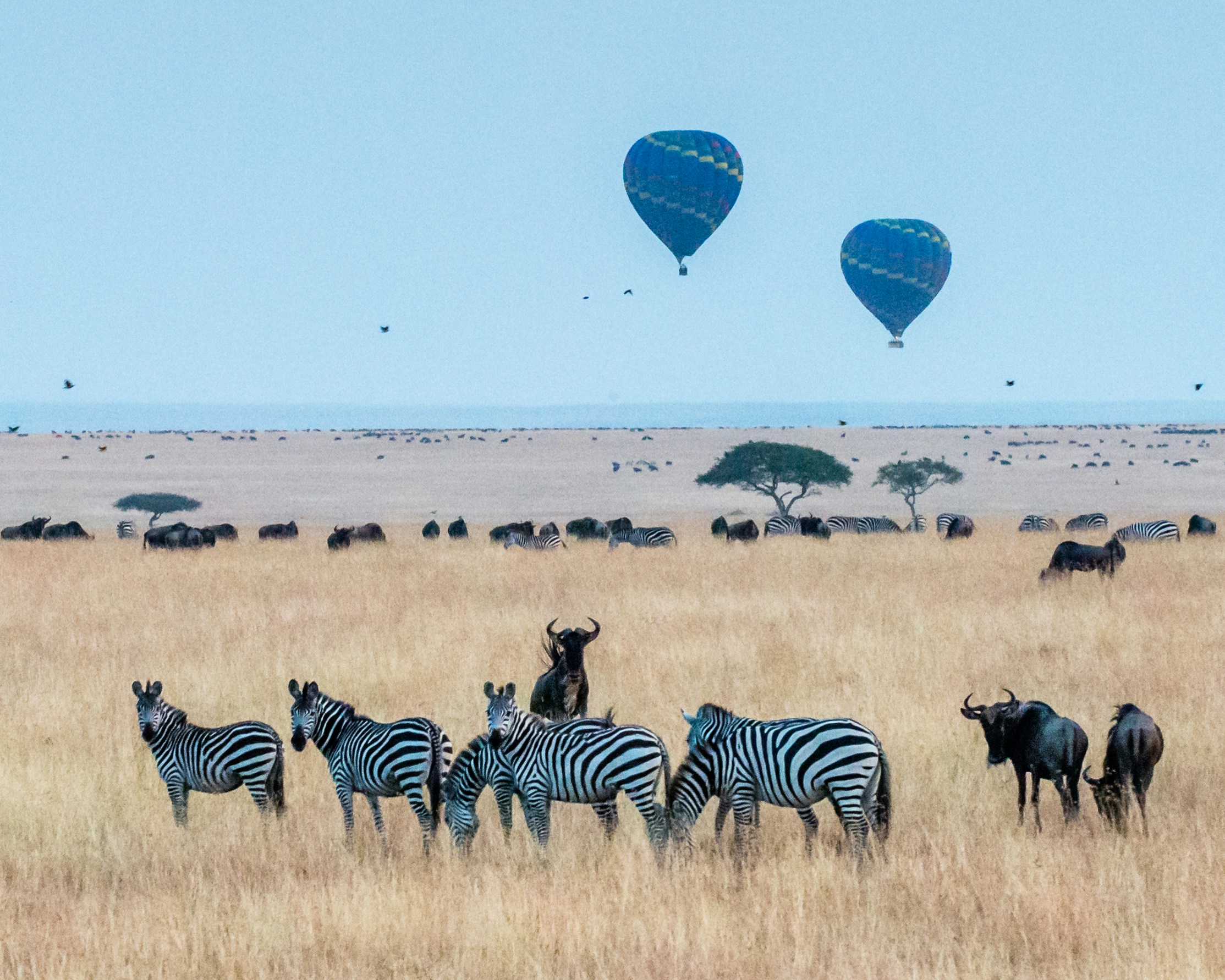
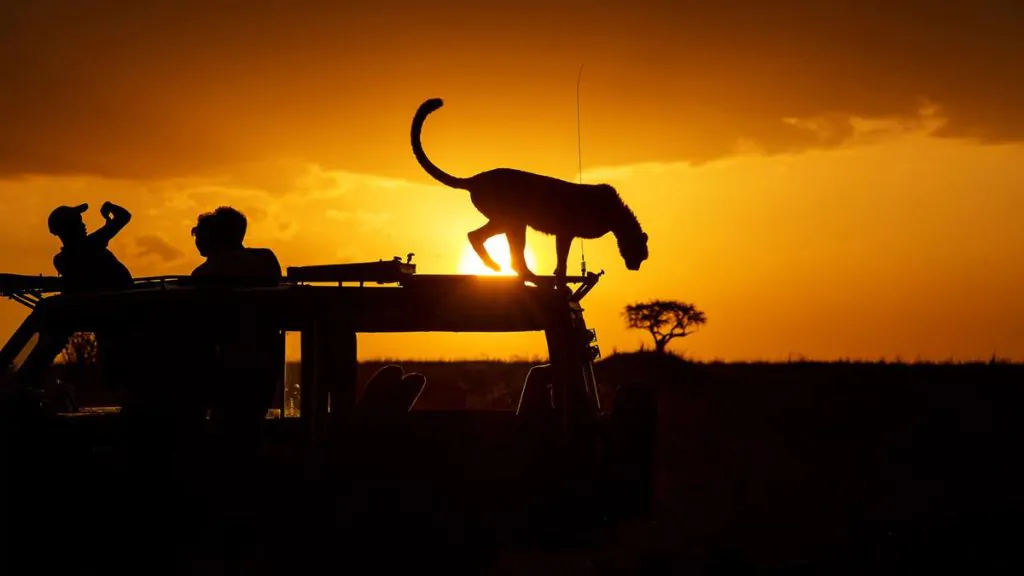
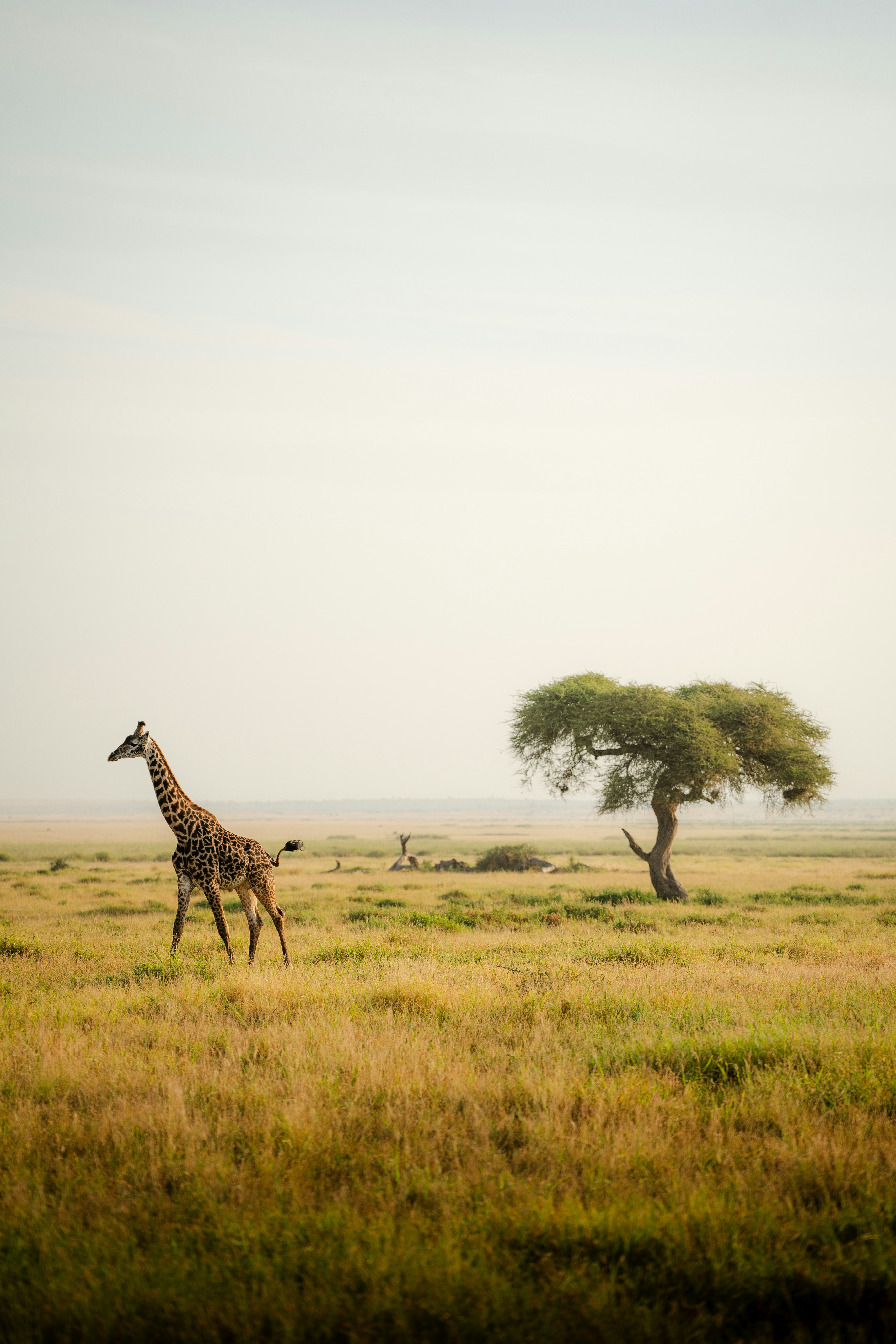
Kenya will remain Africa’s most sophisticated safari ecosystem in 2026—but also one of its most polarized. The difference between exceptional and overcrowded is sharper here than anywhere else.
The national reserve absorbs volume. The surrounding conservancies preserve experience. Limited beds, enforced vehicle caps, and access to walking and night safaris are non-negotiable for serious travelers.
Laikipia is Kenya’s most versatile region: rhino conservation, private land access, walking safaris, and dramatic terrain. It pairs naturally with the Mara without repeating it.
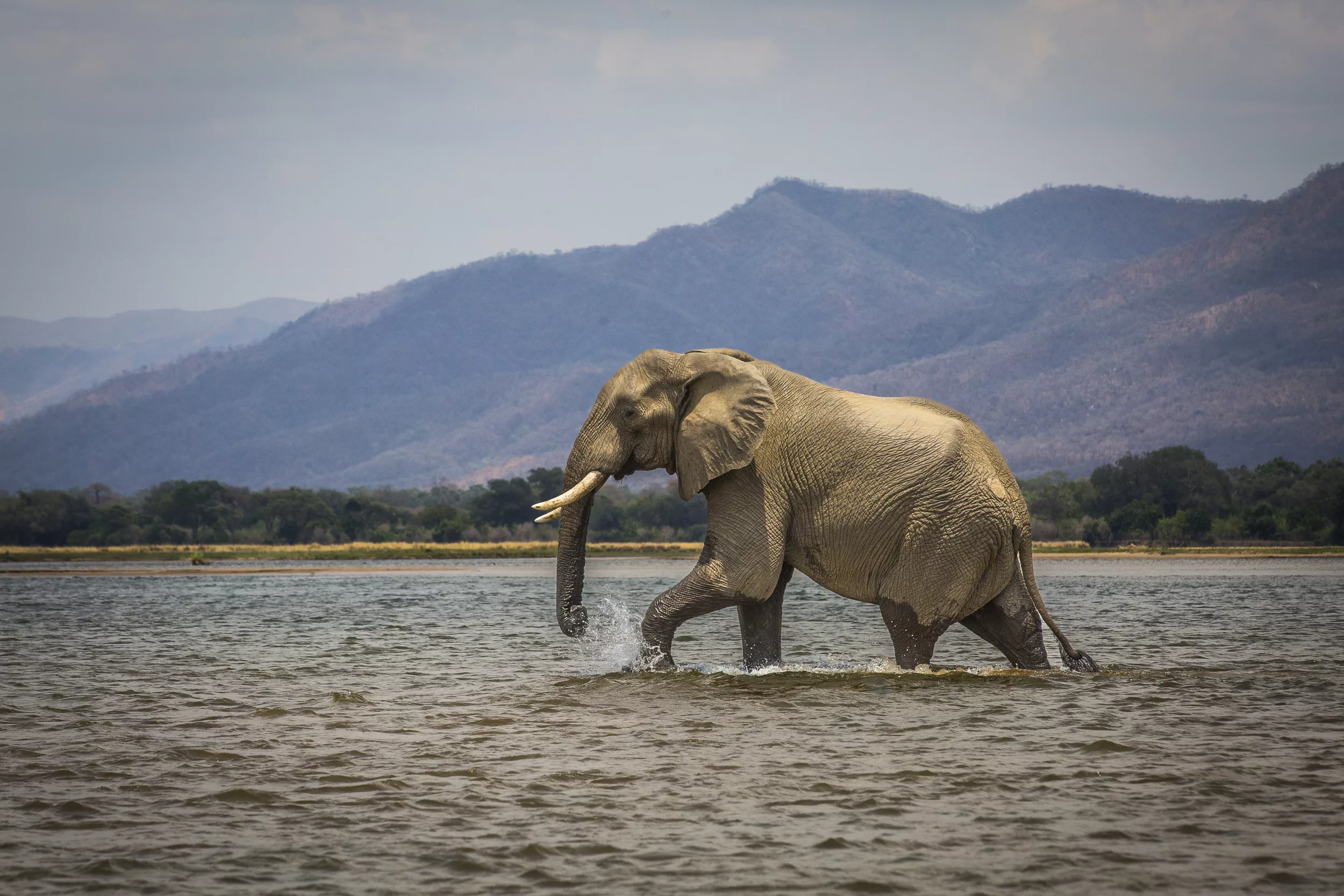
Amboseli’s elephant populations remain extraordinary—but success here depends on restraint: short stays, careful timing, and camps positioned away from day-visitor traffic.
Elite guiding, mature conservation models, and unmatched operational depth—if geography is chosen precisely.
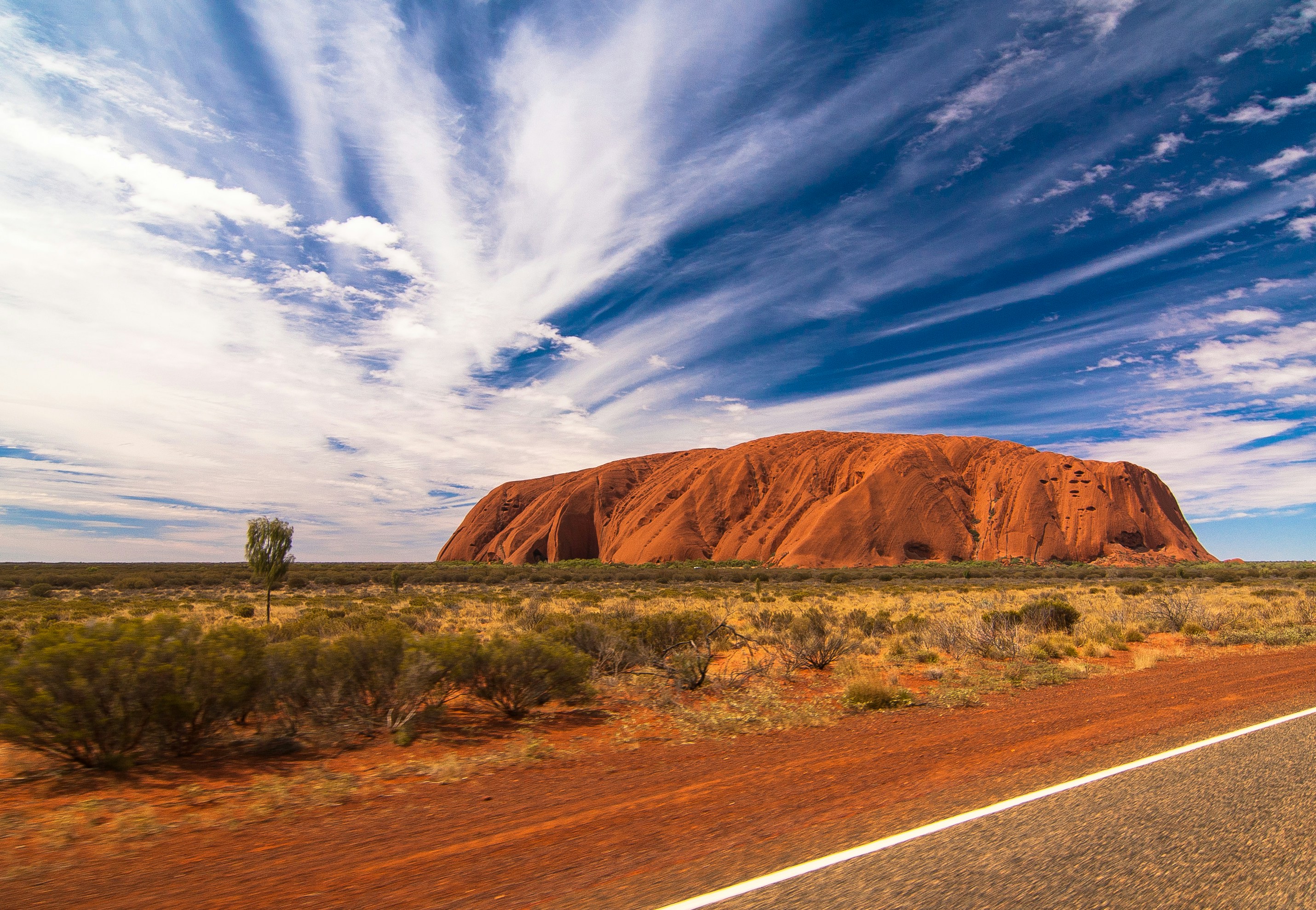
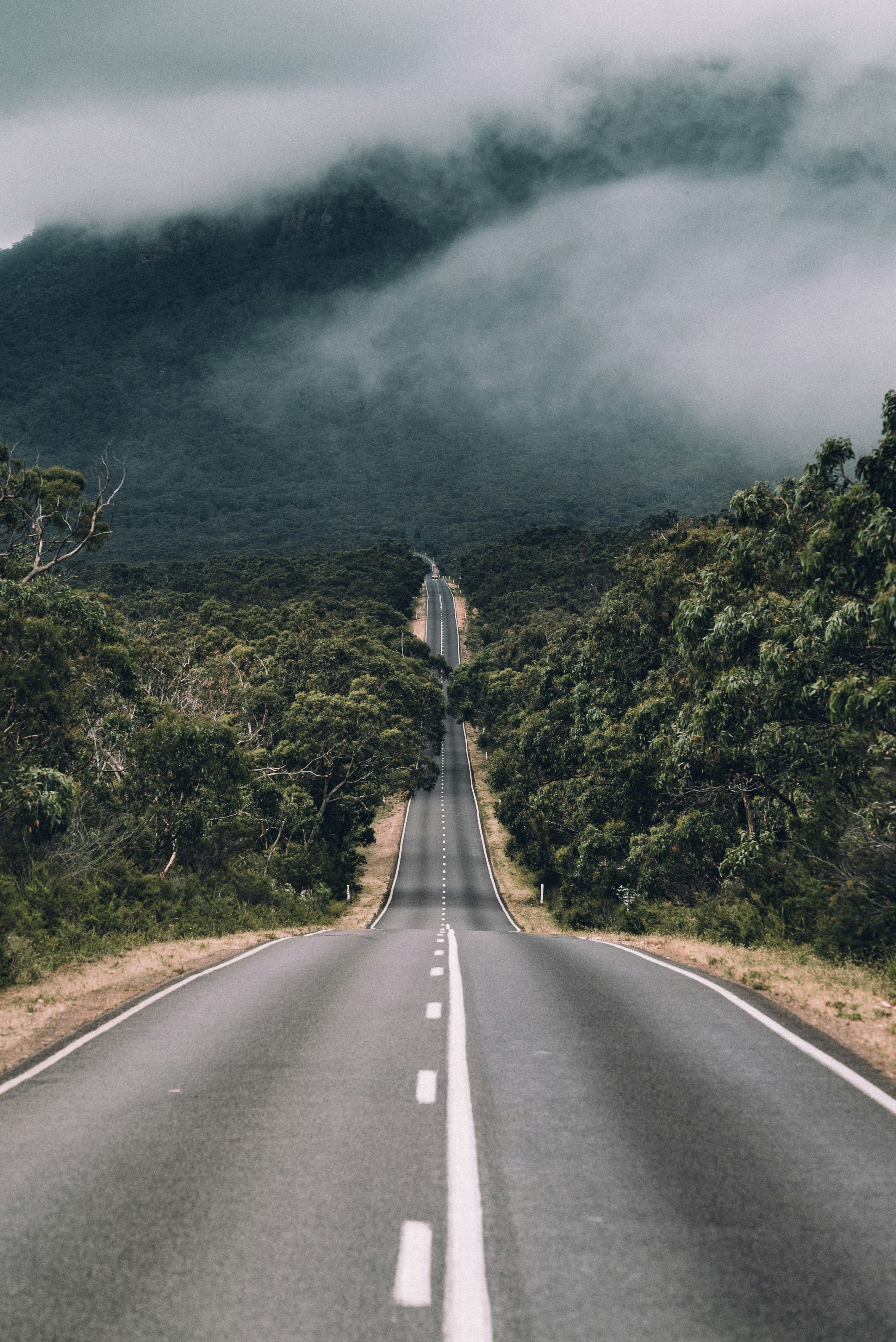
Australia rewards travelers who think regionally, not itinerarily. In 2026, it remains one of the best places on earth to experience wilderness without spectacle-driven tourism.
A global case study in ecological recovery. Kangaroo Island now offers some of Australia’s most compelling conservation-led stays, with endemic wildlife and raw coastal landscapes.
The world’s oldest rainforest paired with serious naturalist guiding. Elevated eco-lodges emphasize immersion over luxury signaling.
By 2026, Ningaloo’s reputation will continue to grow—but it remains fundamentally low-volume. Responsible whale shark encounters and intact reef systems make it one of the planet’s most meaningful marine experiences.
Scale, biodiversity, and space—without crowds, cruises, or mass-market pressure.
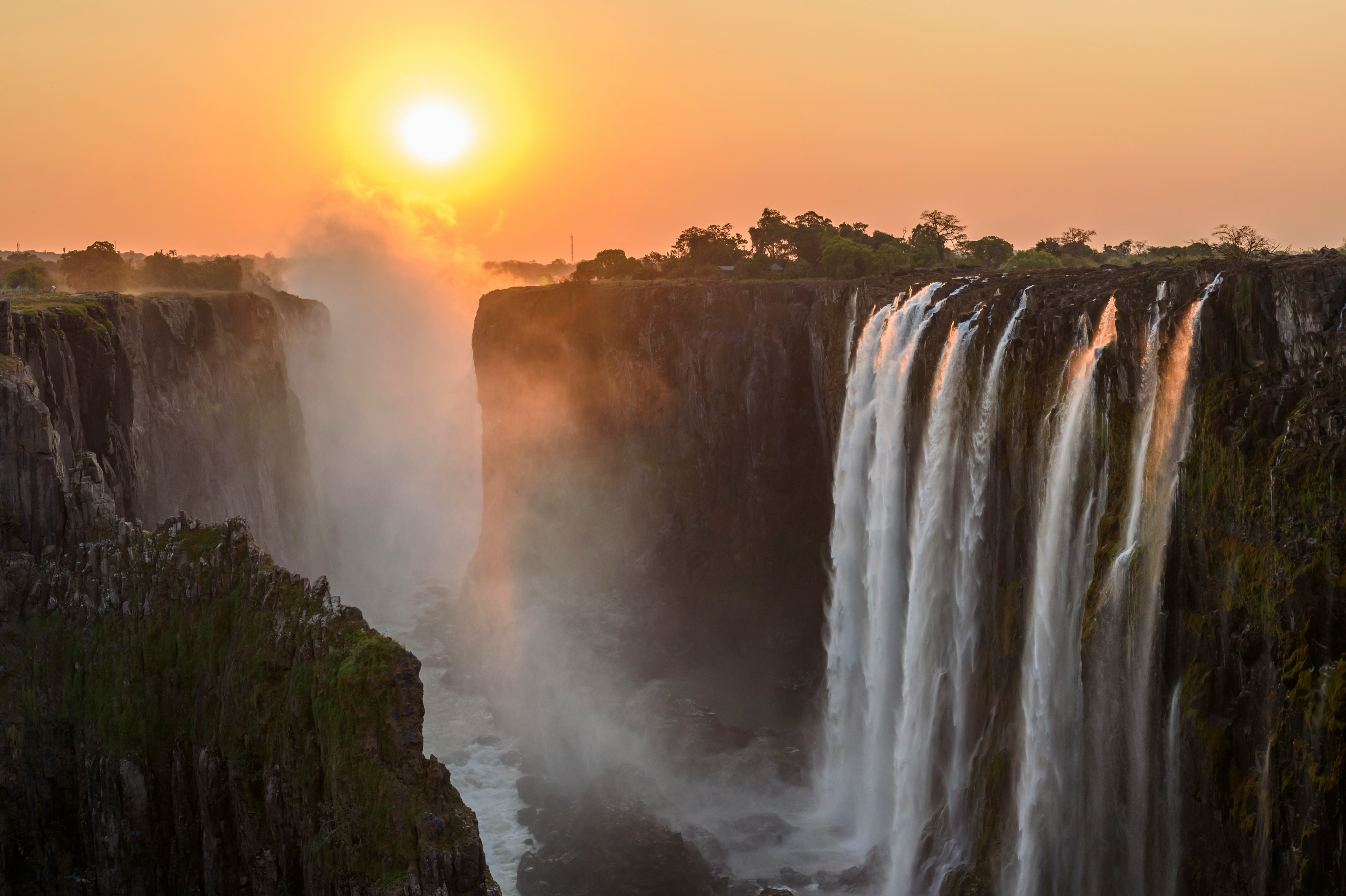
Zambia remains the destination for travelers who care less about polish and more about purity.
Still the world’s gold standard for walking safaris. Exceptional leopard density, guiding that emphasizes interpretation over sightings, and camps designed for immersion.
Canoe safaris on the Zambezi offer one of Africa’s most visceral wildlife experiences—quiet, unscripted, and deeply moving.
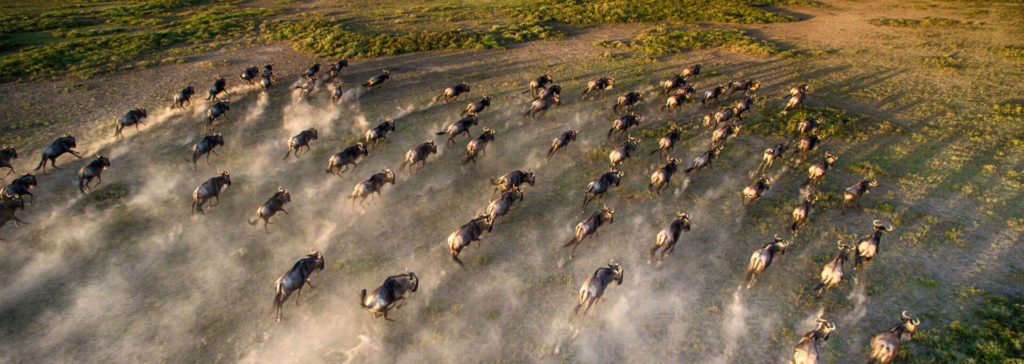
A remote migration, vast skies, and one of Africa’s most compelling conservation success stories—without the infrastructure that invites crowds.
Low tourism density, elite guiding culture, and safari experiences that still feel earned.
These are not add-ons. They’re destinations that demand intention, patience, and the right partners—and that’s exactly why they belong on a 2026 radar.
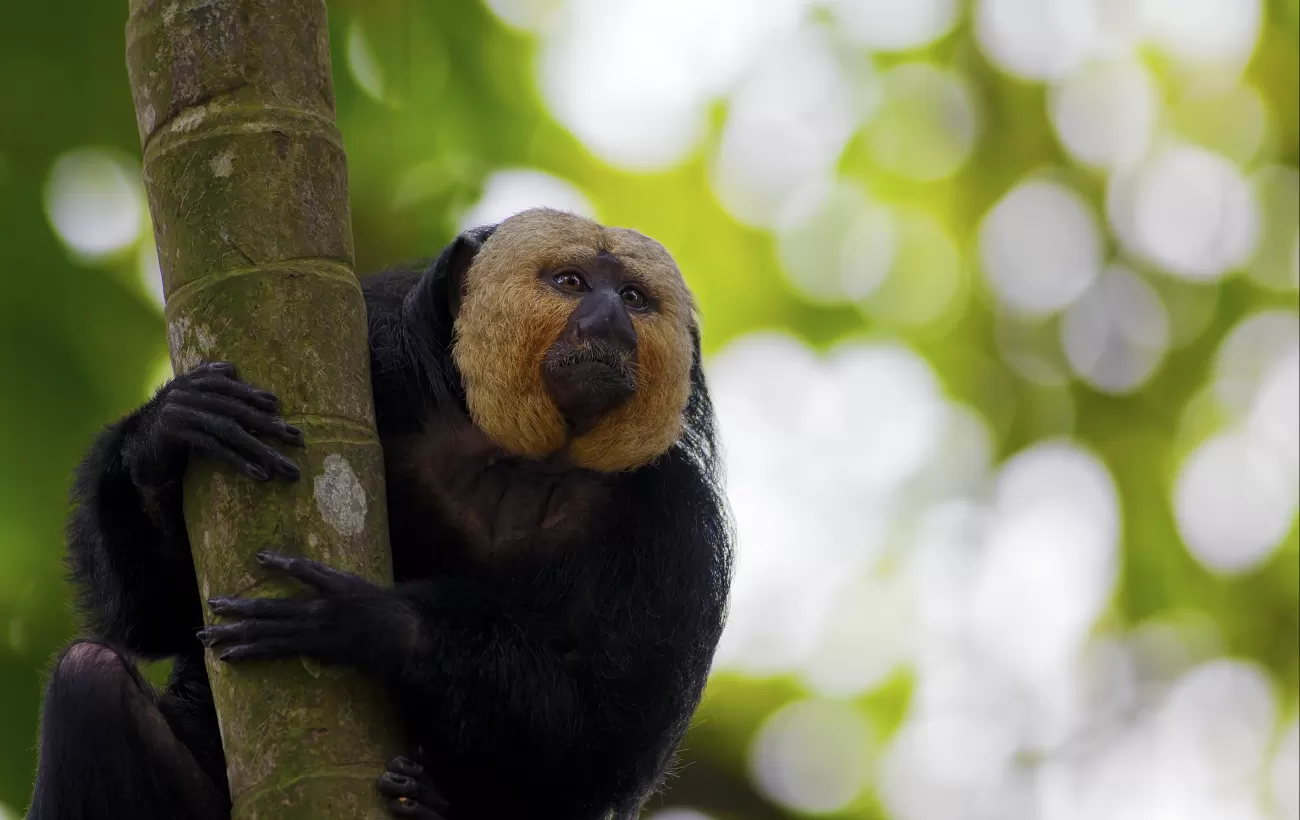
Guyana is one of the least-visited countries in South America—and one of the most biologically intact on the planet. Over 85% of the country is covered by pristine rainforest, with ecosystems that feel closer to the Congo Basin than to the Andes or Amazon hotspots further west.
In 2026, Guyana stands out for travelers who want true wilderness without crowds, and who value conservation outcomes over comfort signaling.
Key regions include:
Accommodation remains intentionally limited, often community-owned, and focused on naturalist-led experiences rather than traditional luxury. That constraint is the feature, not the bug.
Infrastructure is improving carefully, conservation governance is strong, and tourism remains volume-resistant. For travelers who have “done” Patagonia and the Galápagos, Guyana offers something rarer: silence, scale, and scientific significance.
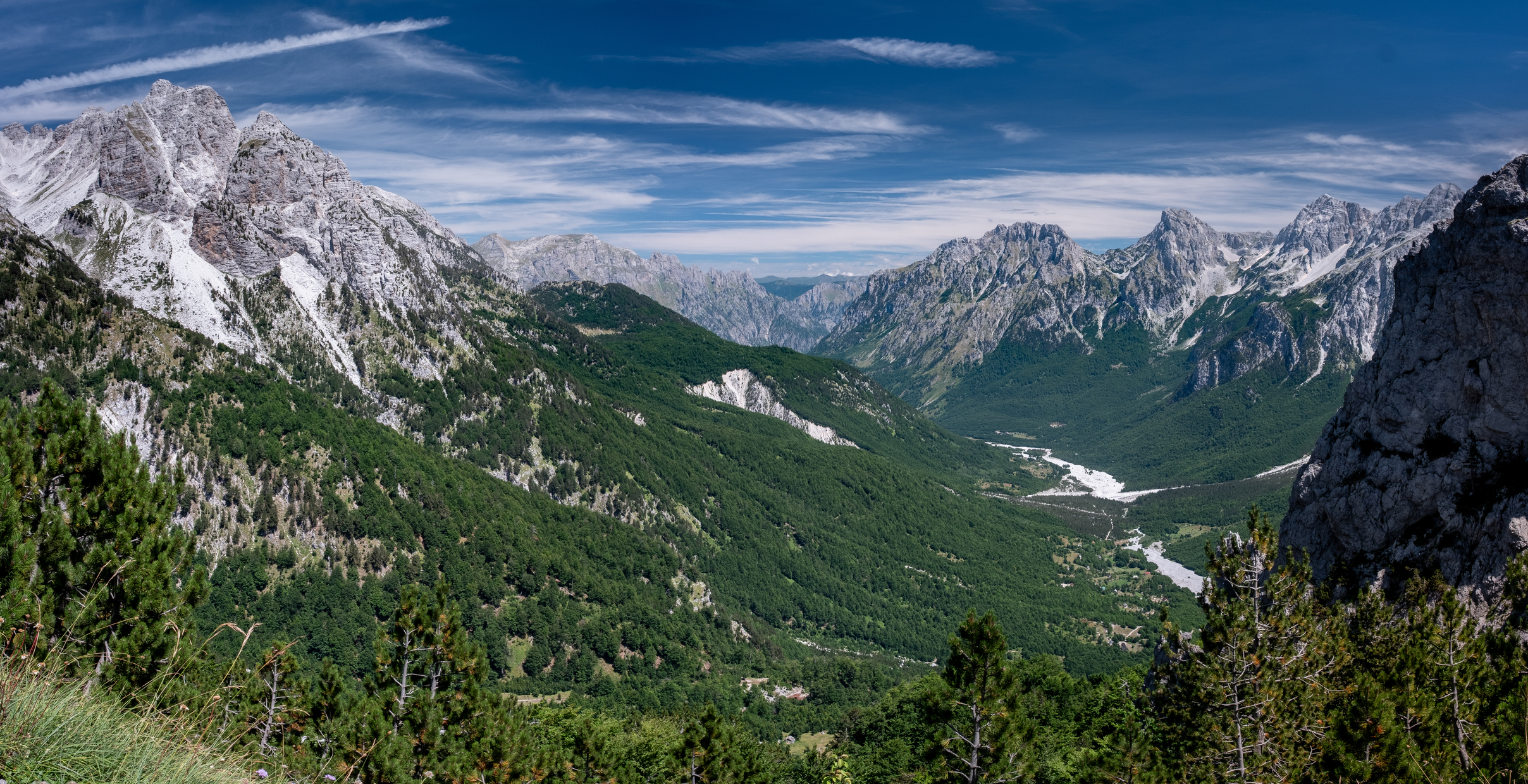
Northern Albania is one of Europe’s last true backcountry regions—dramatic, culturally rich, and still largely untouched by mass tourism.
The Albanian Alps (also known as the Accursed Mountains) rival the Dolomites in beauty but feel decades behind in development. Stone villages, shepherd trails, glacial valleys, and family-run guesthouses define the experience.
Highlights include:
Luxury here is quiet and contextual: private guides, simple but refined accommodations, and itineraries built around landscape and pace rather than checklists.
Improving access without overdevelopment, growing international interest, and a rare chance to experience a European mountain culture before it becomes standardized.
By 2026, the question won’t be where you can go—it will be where still feels worth going. The destinations that matter most are those that resist scale, protect access, and reward travelers who plan carefully and travel deliberately.
Uganda, Kenya, Australia, and Zambia remain anchors because they continue to deliver depth over volume. Places like Guyana and Northern Albania point toward what’s next: travel defined less by novelty and more by integrity.
If you’re thinking about 2026 and want guidance rooted in firsthand knowledge, conservation realities, and long-term perspective—not trends—we’re here to help you get it right.
Travel well. Travel intentionally.
Every intinerary begins with a conversation. Tell us what you're dreaming of, and we'll design a journey tailored entirely to you.
Take the Next Steps





.svg)