Plan this trip with us. $250 planning fee, credited in full toward your trip. The fee funds your property briefing.
Start the inquiryJapan is really two trips wearing one name: a culture trip — Tokyo and Kyoto — and a ski trip, Niseko or Hakuba, and the best version does both. Give the classic route 10–14 days; less than that and you're choosing which Japan to skip.
Most people plan Japan as a checklist: Tokyo tower, Kyoto temple, bullet train, done. The better trip is slower and more deliberate — fewer bases, each chosen for a reason. Tokyo for the energy and the food. Kyoto for the Japan people picture when they close their eyes. Then the mountains, because Japan in winter is one of the great ski trips on earth: the lightest, deepest powder in the world falling on Niseko, and Hakuba's steep Alps an hour from a bullet-train station. And threaded through all of it, the things Japan does better than anywhere: trains that run like clockwork, inns where dinner is the event, and hot springs at the end of every cold day.
Best for: skiers who want powder with a culture trip attached; couples and honeymooners doing the classic route properly; families who want a first Asia trip that runs smoothly; anyone who has done the Alps and the Rockies and wants the different version.
This page is researched, not stayed — built from our planning research and partner reporting. When we've sent travelers, we'll say so here.
The arrival and the engine room. Stay in one neighborhood and learn it rather than crossing the city daily — the city is a federation of villages, and the trip improves the moment you stop trying to see all of it. What Tokyo is for: the food (from counter sushi to department-store food halls), the museums and design shops, a morning at the outer fish market, and the sheer pleasant shock of a megacity that works. Three to four nights. It is also the jet-lag fix: start here, sleep it off, then move.
The Japan of temples, gardens, geisha districts and ryokan inns — and the part of the trip to slow down for. Gion at dusk, the bamboo grove at Arashiyama before the day crowds, a tea house, a garden that has been raked the same way for centuries. Three nights minimum; Kyoto punishes rushing more than any stop on the route. Day trip option: Nara, for the great bronze Buddha and the deer park, an easy train ride out and back.
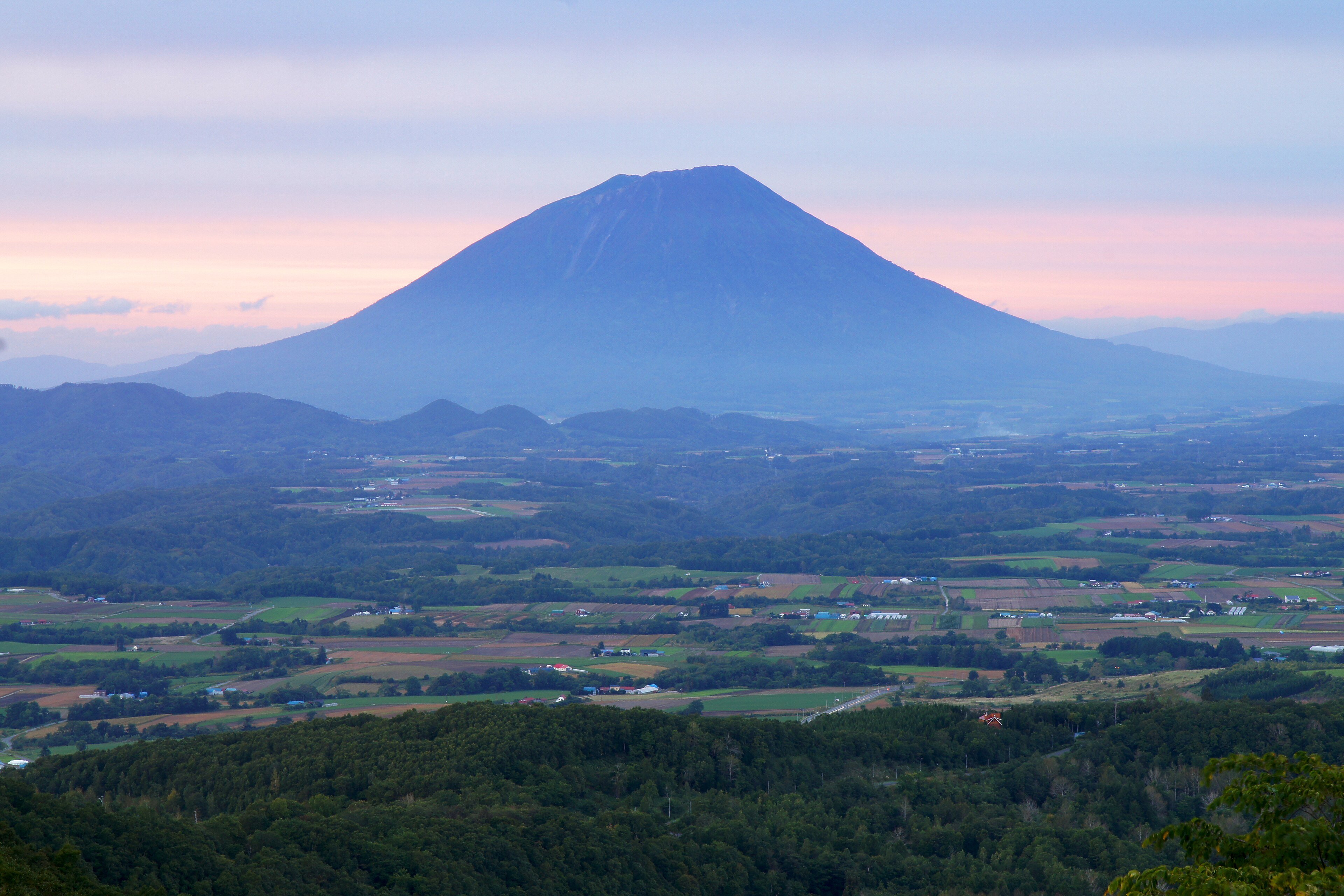
One mountain, Niseko Annupuri, with four linked resorts (Grand Hirafu, Hanazono, Niseko Village, Annupuri) on a single pass, and Mount Yōtei — a near-perfect volcano cone — across the valley. The snow is the headline: cold Siberian air crossing the Sea of Japan delivers frequent, light, deep powder through the heart of winter. Tree skiing, gate-accessed off-piste under the Niseko Rules (go with a local guide — avalanche risk is real), and full-service ski-in, ski-out hotels. About two and a half hours by road from New Chitose Airport (Sapporo). Full deep-dive: our journal guide to skiing in Japan and the Niseko & Hakuba region page.
A long valley in the Northern Japan Alps with around ten ski areas under much higher, steeper peaks than Niseko — Happo-One, Goryu, Hakuba 47, Tsugaike, Iwatake and Cortina among them, on one valley pass; the valley hosted alpine events at the 1998 Nagano Winter Olympics. More vertical, more variety, more traditional feel off the slopes — and the resorts are strung along the valley, so you move by shuttle or car. Easier to reach than Niseko: the Hokuriku Shinkansen runs Tokyo to Nagano in about an hour and a half, then an hour by road. The snow monkeys of Jigokudani, soaking in their hot spring near Nagano, make the day trip nobody expects to love as much as they do.
Hakuba's hotels run smaller and simpler than Niseko's best, with family-run lodges, a few modern boutique hotels and private chalets. We have not yet put a Hakuba hotel on our list at the same level as the Niseko three — for many families a private chalet with a cook is the right answer in the valley, and we advise per dates and group rather than pretending a default exists.
Neighborhood first, hotel second — but these are the names we reach for:
Plus one ryokan night done properly — in Kyoto's lanes or at Gōra Kadan in Hakone, a former imperial retreat (kaiseki dinner, private open-air bath, mountains out the window). One night is the taste; two is the immersion.
Japan is the trip where eating is the itinerary, not a break from it:
Japan is one of the great family trips — safe, fascinating, and engineered for delight:
Do the trip in this order: Tokyo first (three to four nights — land, sleep, eat, get your bearings), then the mountains while your legs are fresh (Niseko for the deepest powder and full-service hotels; Hakuba if you want bigger terrain and the easier train home), and Kyoto last, when you've slowed down enough to do it justice — three nights, one of them in a ryokan. Skiers traveling December–March, take the whole thing in winter and let the blossom go; culture-first travelers, reverse the logic and come in November.
Niseko for the deepest, lightest powder and ski-in, ski-out hotels with full service — the easier trip with children. Hakuba for bigger, steeper mountains, more variety across ten areas, and rail access straight from Tokyo. On a long trip, both fit: fly up to Hokkaido for Niseko, come back down for Hakuba and Kyoto.
It depends which Japan. Mid-January to mid-February for powder; late March to early April for cherry blossom; late October to November for autumn color and the most comfortable classic-route weather. June to August is the honest weak spot — rainy season, then heat — unless the trip is Hokkaido.
Ten to fourteen for Tokyo, Kyoto and one ski area without rushing any of them. Seven to eight covers a strong city pair (Tokyo + Kyoto) or a dedicated ski trip with a Tokyo night on each end.
That's the trip we'd design by default in winter. The routing is built for it: Tokyo on arrival, the shinkansen or a short flight to the mountains, Kyoto to finish — luggage forwarded ahead at every step so the trains stay easy.
Mountains & Ski is the trip style this page belongs to; the Ski & Mountains page covers the rest of the world's snow.
Japan rewards the well-briefed and quietly punishes the improvised: the ryokan with four rooms books out months ahead, the ski hotels for peak powder go earlier still, and the difference between a good route and a great one is sequencing — which base first, where the luggage goes, which train actually connects. We build the route (Tokyo, Kyoto and the mountains in the order that suits your dates and your group), book the hotels and ryokan, arrange the guides, ski school and transfers, and stay your point of contact before and during the trip. We book through Fora, so at many properties we can add advisor perks — a property credit, a welcome amenity, an upgrade when one is free — at the same rate you'd pay booking direct.
Few countries pack this much range into one trip: a megacity of neon and food halls, an ancient capital of Zen gardens, an alpine powder town, an onsen village where dinner is a ceremony. Culture in Japan isn't a museum stop — it's how the whole trip is lived.
The heart of it. Frequent snowfall, the deepest and lightest snow of the year at Niseko and Hakuba, cold clear days between storms. Cities are cold but crowd-light between the New Year and blossom build-up. Lunar New Year (early February in 2027) brings a wave of visitors from across Asia — book early and it's a non-issue.
Skiing continues on a deep base with longer, sunnier days and thinning crowds; by late March the cherry blossom reaches Kyoto and Tokyo, peaking around the turn of April — beautiful, busy and priced accordingly. The two Japans briefly coexist: blossom in Kyoto, spring skiing up north, one trip can touch both.
The mountains green up, the ski season ends (a few high Hokkaido slopes run into early May), and the classic route is warm, fresh and quieter — apart from Golden Week at the start of the month, when Japan itself travels. A genuinely good shoulder month.
June brings tsuyu, the rainy season, to Honshu; July and August are hot and humid with festival energy in the cities and typhoon risk late in the season. The honest exception is Hokkaido — cool, dry and green, Japan's own summer escape. We send people to Japan in summer for Hokkaido and the mountain festivals, not for the classic route.
Heat lingers early September with typhoon risk; by October the air clears, the classic route is comfortable again, and autumn color starts in the north and at altitude. An underrated window before the color peaks.
Kyoto's maples are the main event — gardens and temple grounds at their best, crisp days, some of the year's finest weather for the culture trip. Rightly popular; book the ryokan early.
Ski resorts open through December (cover can be thin early — late December is the safer ski bet), the Japanese New Year (roughly 29 December–3 January) is busy and expensive, and the cities do winter illuminations beautifully. Early December is a quiet, good-value moment for Tokyo and Kyoto before either peak.
How to read the strip honestly: January–February's “Excellent” is a ski verdict; November's is a culture-trip verdict. June–August's “Mixed” is the classic route — Hokkaido in those months rates a full step higher.
For January–February powder and for cherry blossom, book by September.

Every trip begins with a 20-minute planning call. From there, a $250 planning fee, credited in full toward your booked trip and non-refundable if you don’t book. I brief the property before you arrive — that's what the fee funds. I reply within one business day.
Plan your trip