Every intinerary begins with a conversation. Tell us what you're dreaming of, and we'll design a journey tailored entirely to you.
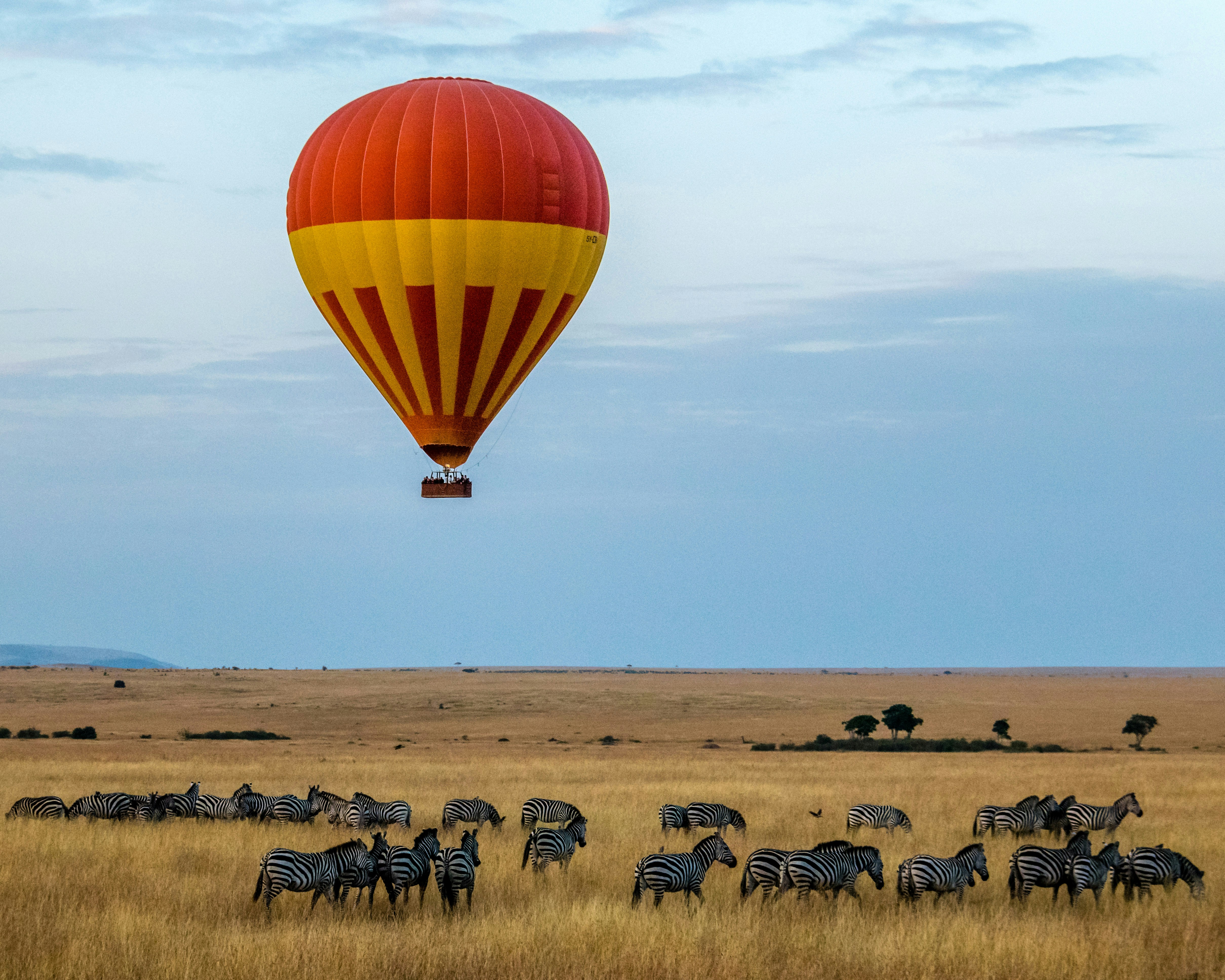
Take the Next StepsKenya is the birthplace of the classic safari—vast open plains, dramatic skies, and some of the most legendary wildlife viewing on earth. From the rolling savannas of the Masai Mara to the rugged, ochre landscapes of Samburu and the quiet, conservation-focused sanctuaries of Laikipia, Kenya offers a rare blend of raw wilderness and deeply meaningful human connection. This is a place where wildlife still moves with ancient rhythms: lions lounging in the heat of the day, elephants ambling between acacia groves, and the Great Migration thundering across the Mara in a spectacle that defines nature’s power.
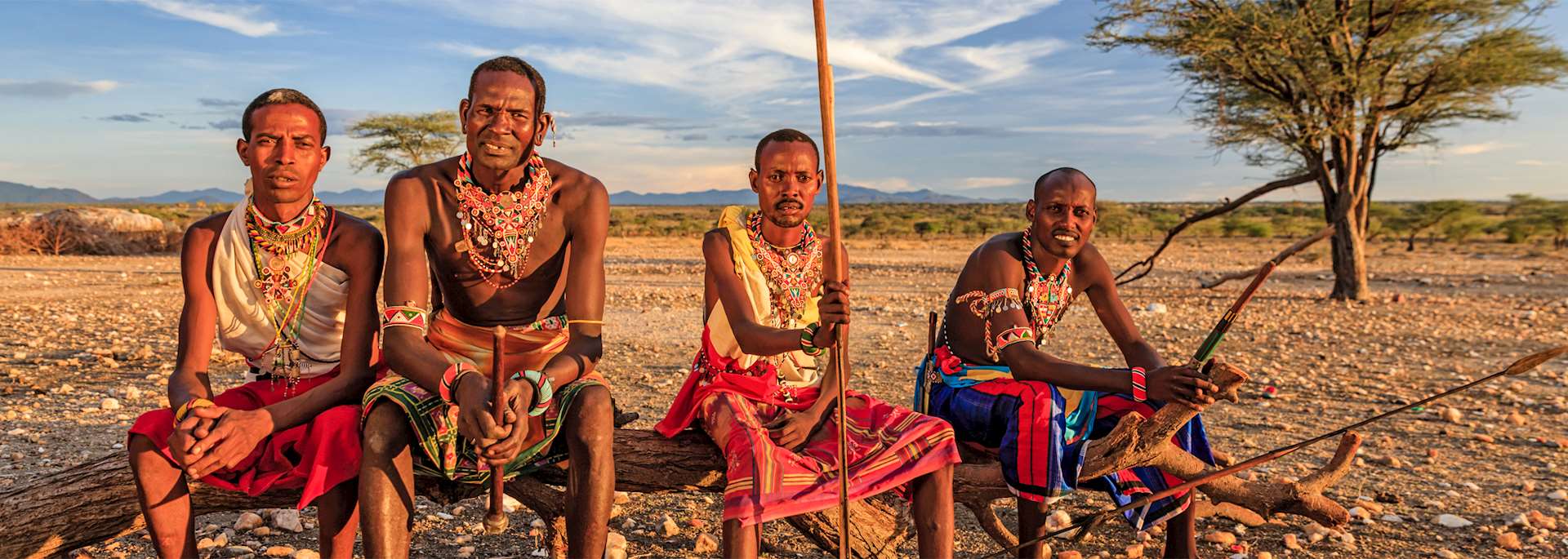
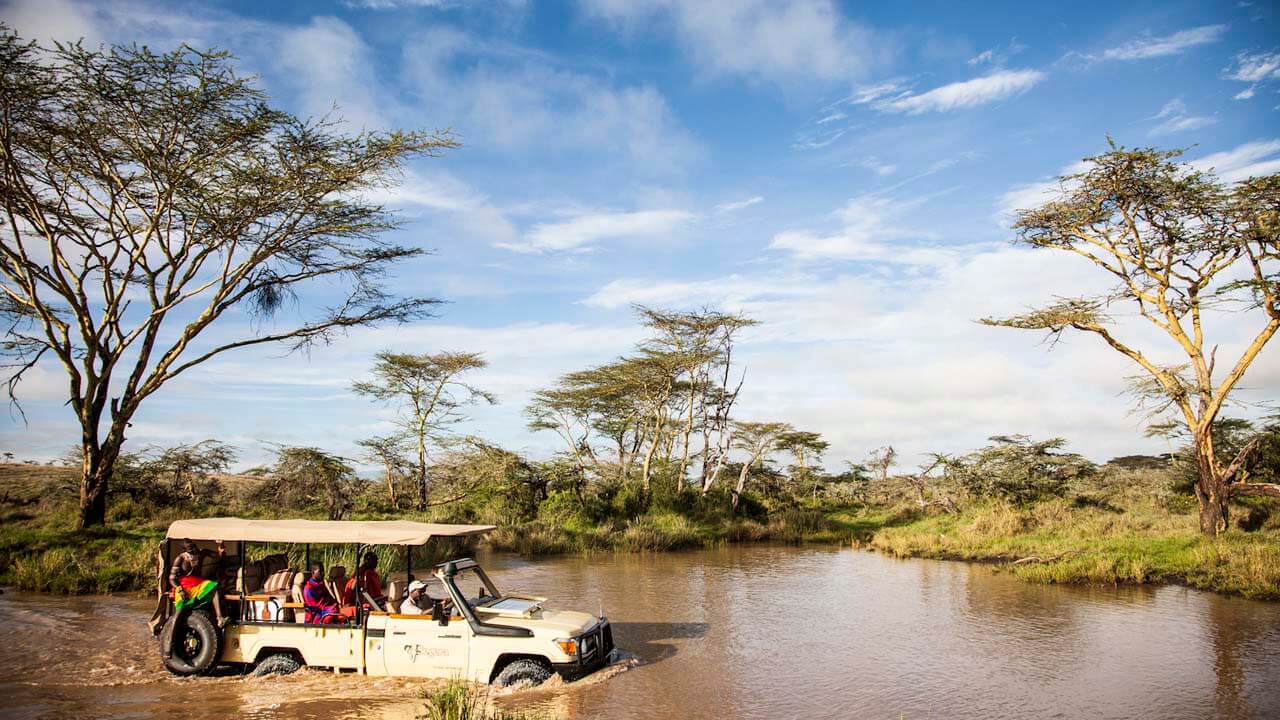
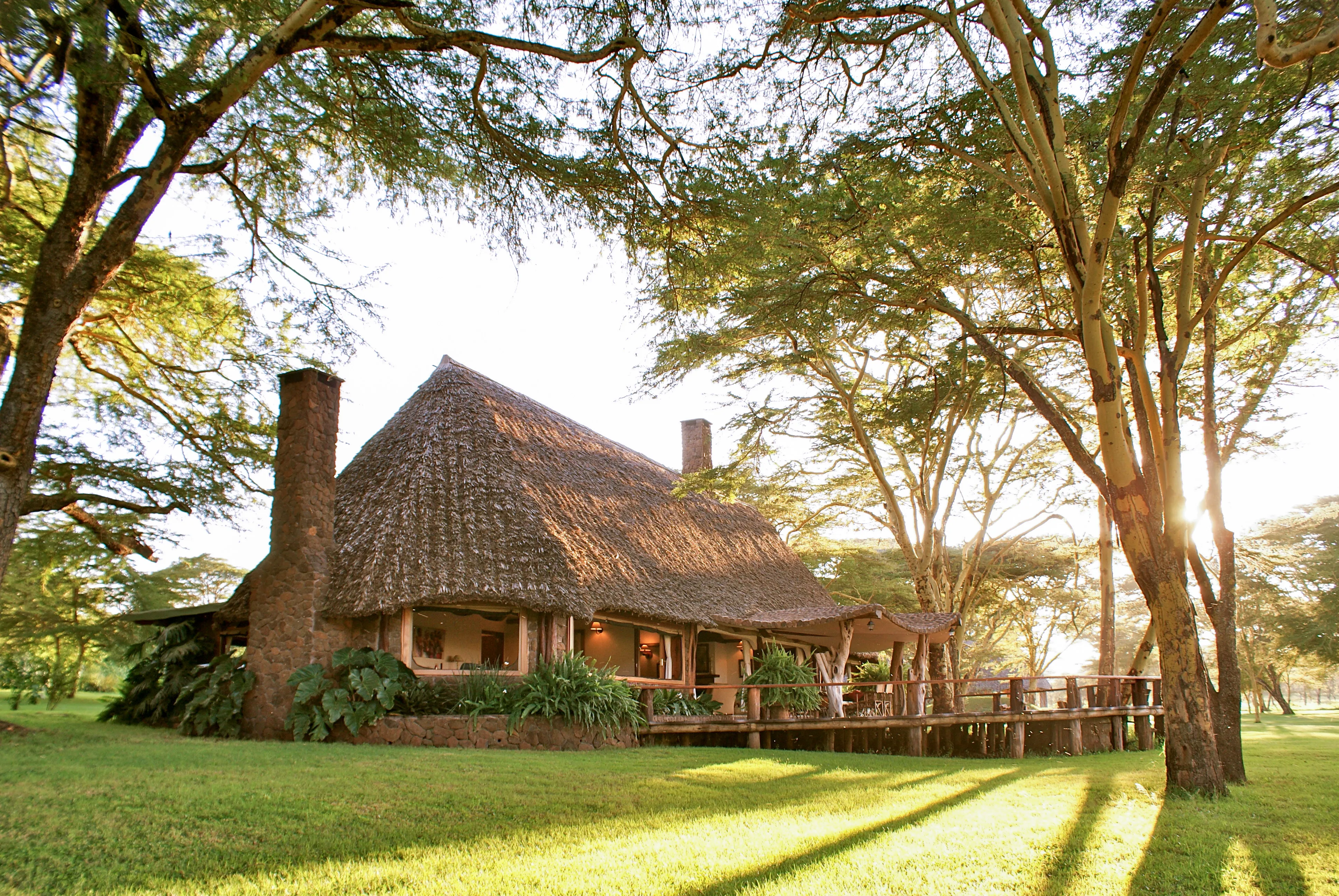
What makes Kenya truly special is its range. In a single journey, you can combine big-cat country, remote northern conservancies, Rift Valley lakes alive with flamingos, and cultural encounters with the Maasai or Samburu—experiences guided by communities who have protected these lands for generations. Lodges and camps here are warm, elegant, and welcoming, offering exceptional guiding and some of the most innovative conservation models in Africa.
Whether you’re here for wildlife, photography, family adventure, or simply the romance of wild places, Kenya delivers a safari that feels both iconic and refreshingly personal. It is Africa at its most soulful—vibrant, diverse, and endlessly inspiring.
Kenya is the birthplace of safari—and traveling with Wild Atlas means experiencing it with rare intimacy and intention. We design journeys that go far beyond the typical game drive, combining exclusive conservancies, exceptional guiding, and curated properties that immerse you in Kenya’s most iconic landscapes.
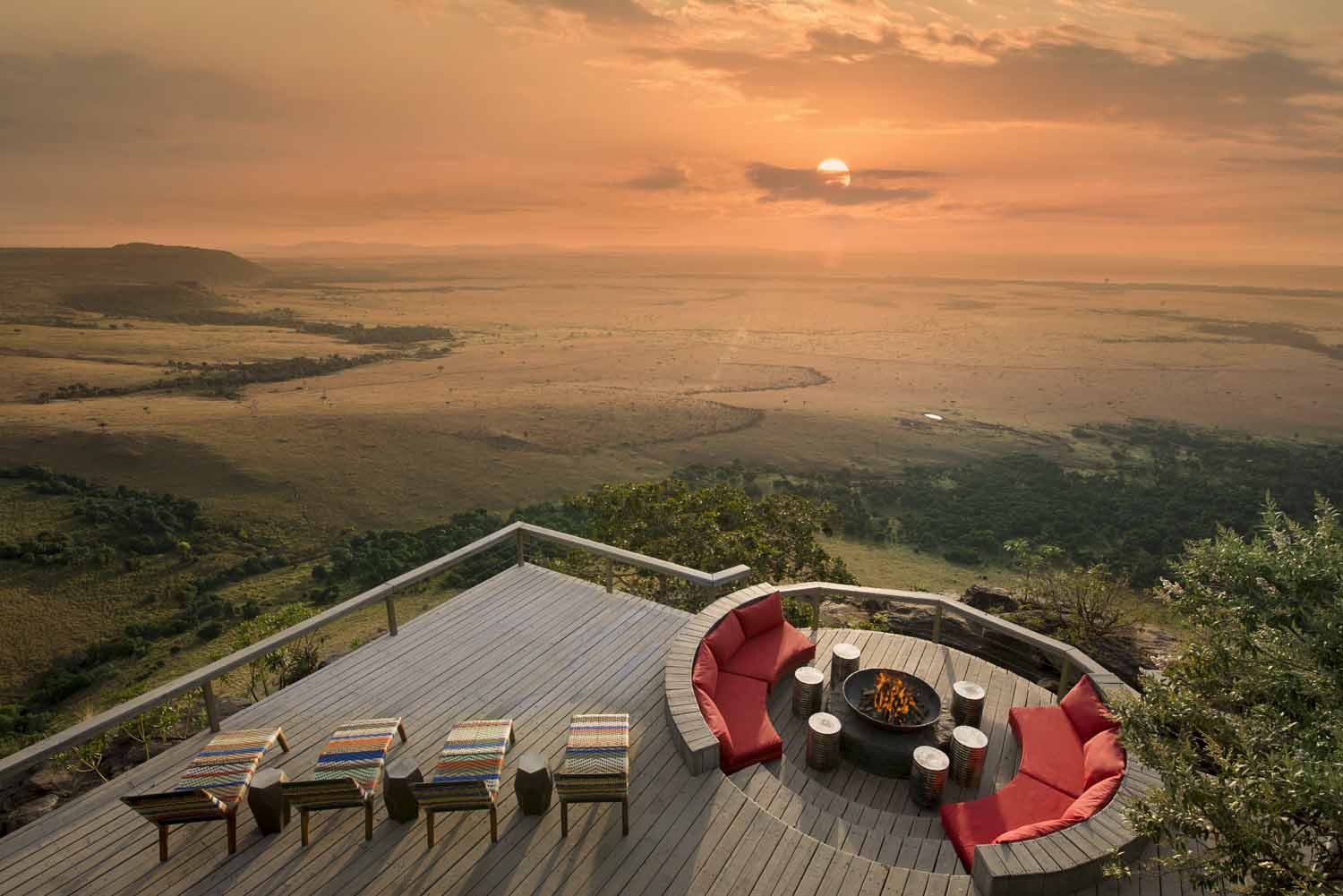
Our specialists have deep knowledge of Kenya’s wildlife seasons, migration patterns, and lesser-known conservancies. We partner only with camps known for extraordinary guiding, ethical practices, and remarkable locations—from elevated escarpment lodges overlooking the Mara Triangle to private bush camps in Laikipia’s rugged highlands.
Every itinerary is handcrafted: seamless flights between regions, private vehicles when needed, early-access experiences, and personalized touches that elevate your safari from extraordinary to unforgettable.
Kenya is a global conservation leader, and we’re proud to support organizations, conservancies, and communities driving that mission forward. Travel with Wild Atlas directly contributes to protecting iconic species—lions, cheetahs, elephants, rhinos—and preserving the ecosystems they depend on.
We work with lodges and partners that fund anti-poaching patrols, community conservancy programs, education initiatives, and habitat restoration across the Mara, Laikipia, and Samburu regions. Your stay helps ensure that Kenya’s wildlife thrives, and that the communities who safeguard these landscapes benefit meaningfully from tourism.
By choosing conservancy-based safaris, you experience quieter, less crowded wildlife viewing and help sustain one of Africa’s most successful community-led conservation models.
Kenya is outstanding year-round, but each season offers something distinct:
The Mara is at its dramatic best: river crossings, large predator densities, and pleasant dry-season weather. This is the busiest and most iconic safari window.
Dry grass, fewer travelers, and superb big-cat sightings. Ideal for photographers and those seeking fewer crowds.
Rains bring emerald landscapes, great birdwatching, lower rates, and atmospheric skies.
Note: Some remote camps close temporarily.
Quick showers, vibrant colors, dramatic sunsets, and excellent value at camps—without sacrificing wildlife viewing.
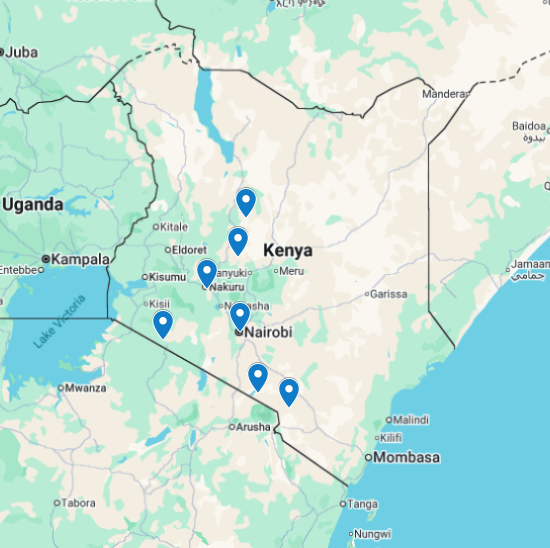
Kenya’s Rift Valley Lakes form a dramatic chain of soda and freshwater lakes that trace the floor of the Great Rift Valley. Unlike Kenya’s savannah and arid regions, this is a landscape shaped by geology, water chemistry, and migratory birdlife.
The Rift Valley Lakes are not about predator drama. They are about scale, color, and pause.

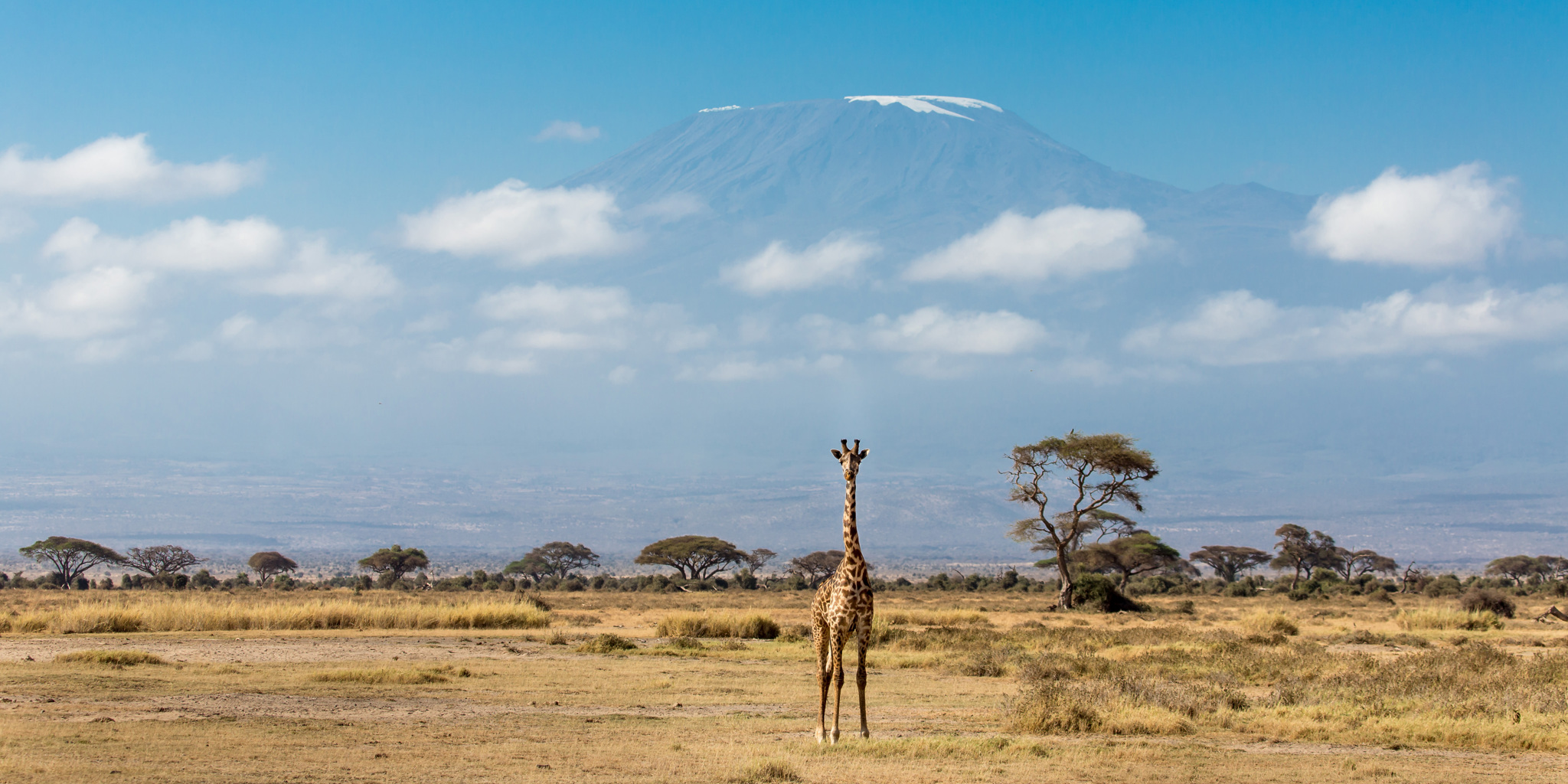
Southern Kenya offers a safari experience defined less by density and more by landscape, scale, and atmosphere. Amboseli, Tsavo, and the Chyulu Hills form a loosely connected complex where elephants dominate, horizons stretch endlessly, and geology shapes everything you see.
This is Kenya experienced through space and perspective, not constant wildlife pressure.
Kenya’s Northern Frontier—centered on Samburu, Buffalo Springs, and Shaba—reveals a version of safari defined by adaptation rather than abundance. Dry, dramatic, and culturally rich, this region feels fundamentally different from the Mara or Laikipia.
This is safari stripped back to essentials: heat, water, movement, and survival.
The Laikipia Plateau, north of the Aberdares and Mount Kenya, is one of East Africa’s most important conservation success stories. Rather than a single park, Laikipia is a network of private and community conservancies that prioritize coexistence—between wildlife, people, and working landscapes.
This is Kenya at its most intelligent and intentional.

The Masai Mara National Reserve is the heart of Kenya’s most famous ecosystem. It delivers extraordinary wildlife density, iconic big-cat sightings, and the raw spectacle that made the Mara globally known.
It also comes with real trade-offs.
Understanding those trade-offs—and designing around them—is what separates a considered safari from a chaotic one.
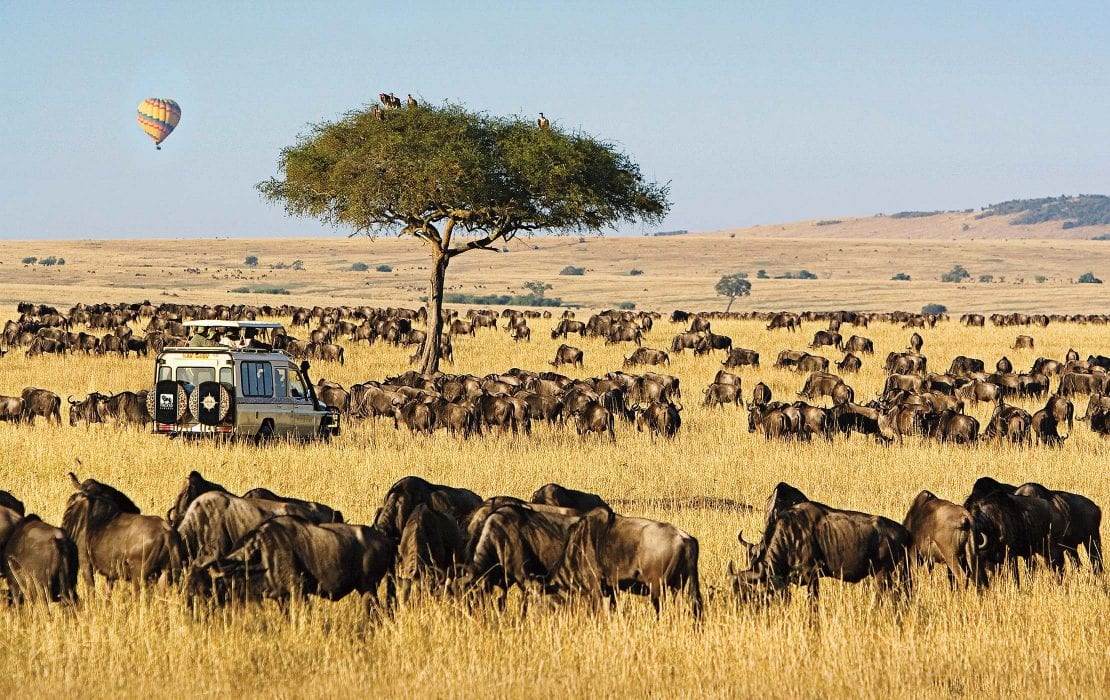
The Mara Conservancies are privately or community-owned lands that border the Masai Mara National Reserve. They share the same wildlife and migration patterns—but offer a fundamentally different safari experience.
This is where Kenya works best.
The conservancy model prioritizes controlled access, land stewardship, and experience quality, allowing wildlife behavior to unfold without pressure and guests to engage more deeply with the ecosystem.
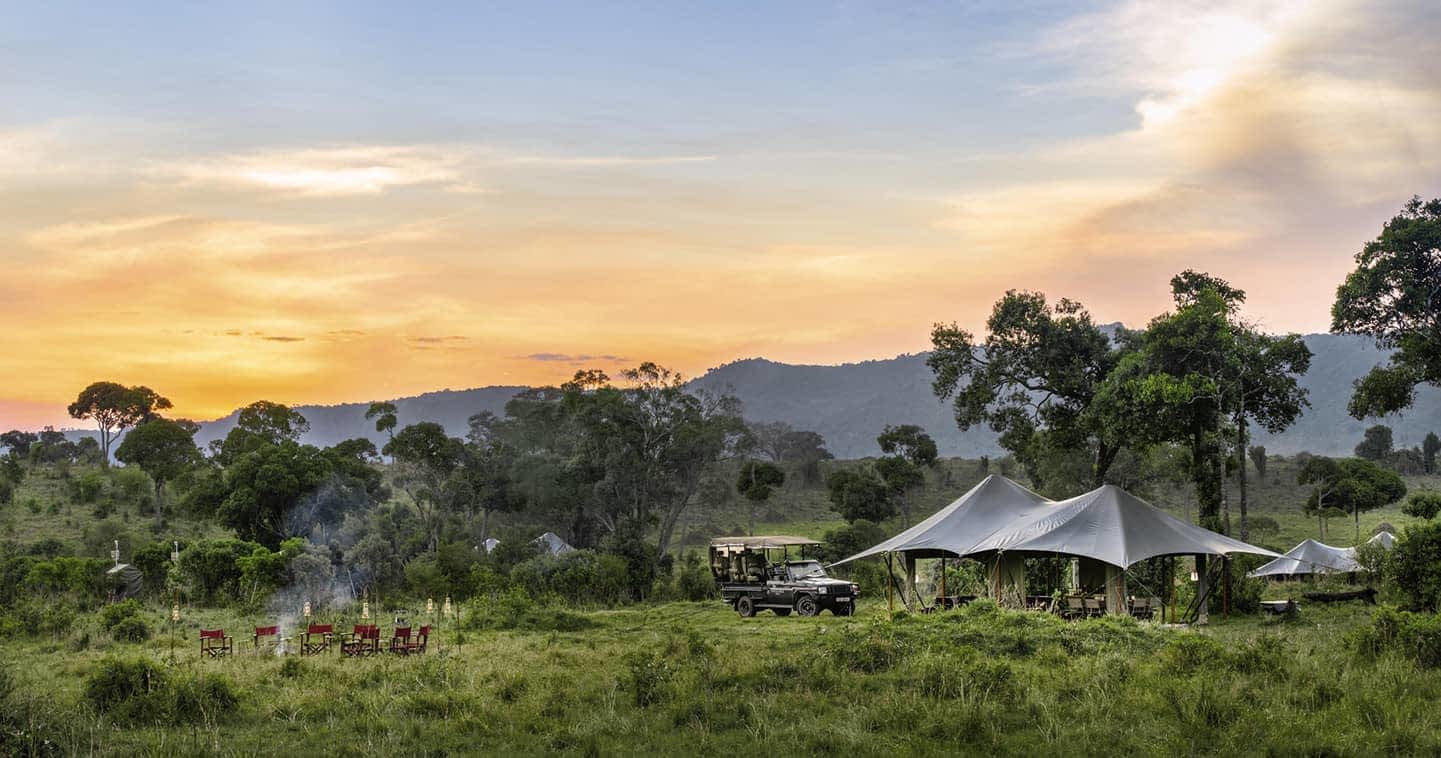
The Mara Triangle occupies the western portion of the greater Masai Mara ecosystem, bordered by the Mara River and managed independently from the rest of the reserve. While it shares the same wildlife and migration patterns as the central Masai Mara, the experience here is fundamentally different.
This difference comes down to management, access, and restraint.
Every intinerary begins with a conversation. Tell us what you're dreaming of, and we'll design a journey tailored entirely to you.
Take the Next Steps






.svg)