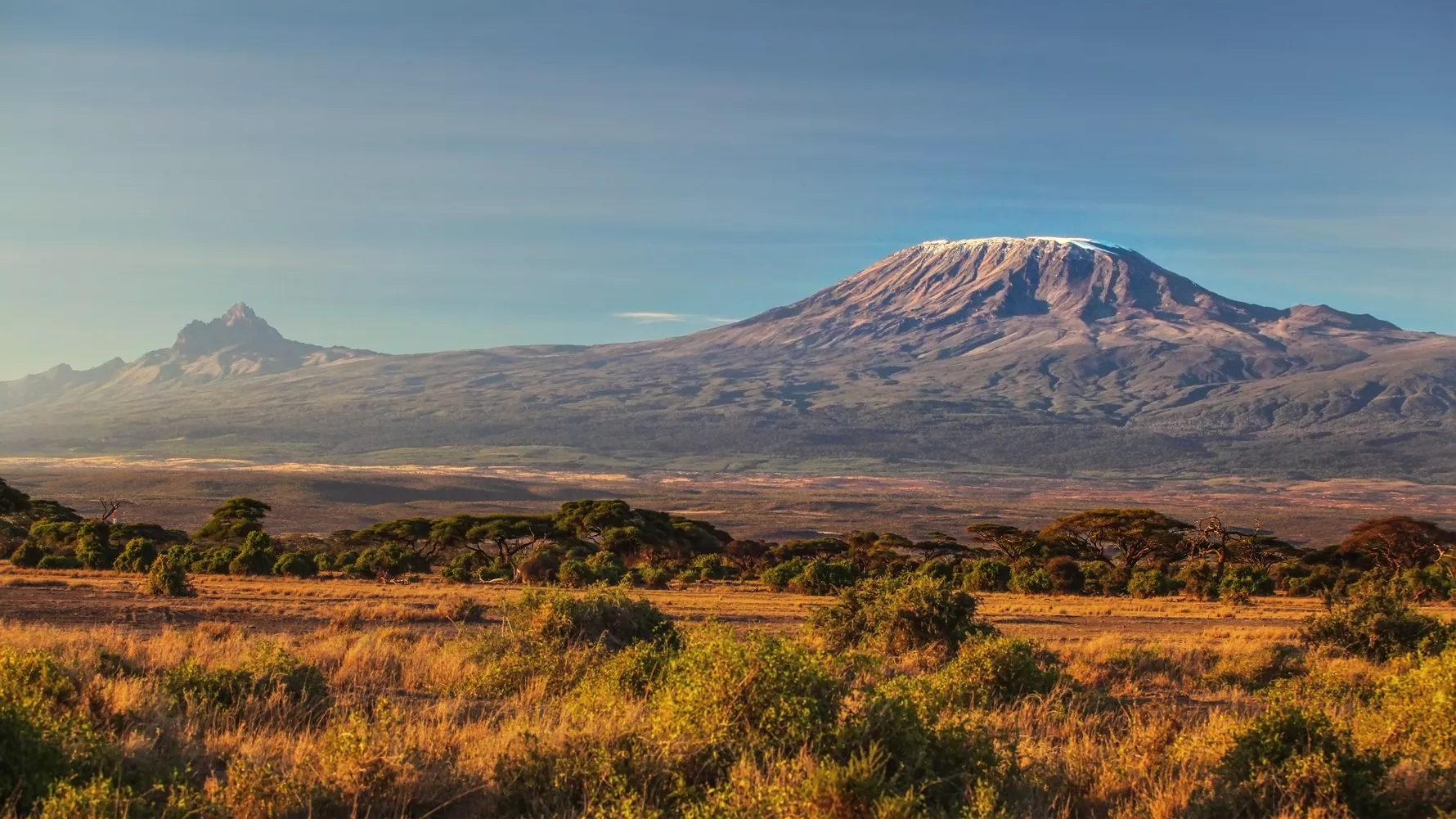
Tanzania is home to some of Africa's best-known safari country. In the north you have the Serengeti, the Ngorongoro Crater and Tarangire, all within a few hours of Arusha, plus Kilimanjaro on the horizon. Off the coast, Zanzibar and its smaller islands give you warm water and coral reefs to finish the trip.
Most first trips follow the northern circuit. Tarangire is known for its elephants and baobab trees, the Ngorongoro highlands are cool, green and Maasai country, and the Crater floor holds lion, buffalo and one of the best chances in East Africa to see black rhino. The Serengeti comes last and longest, and where you stay there depends on the month, because the wildebeest migration moves through different parts of the ecosystem over the year.
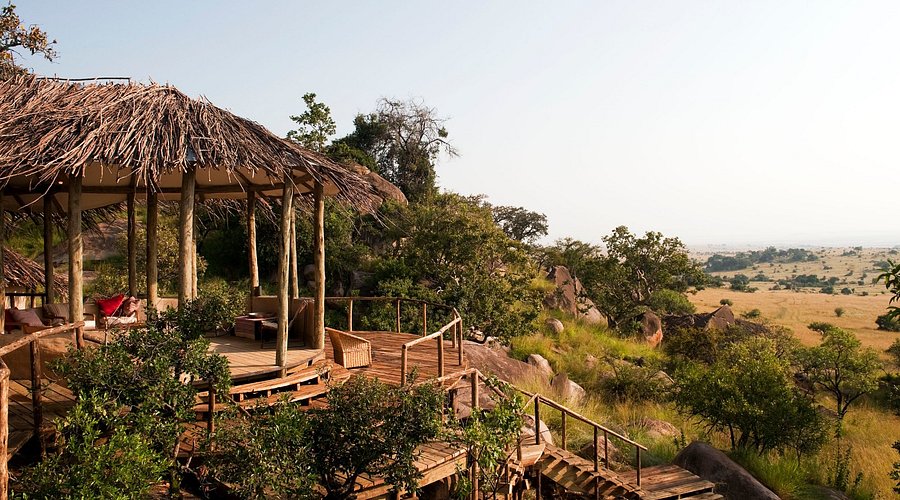
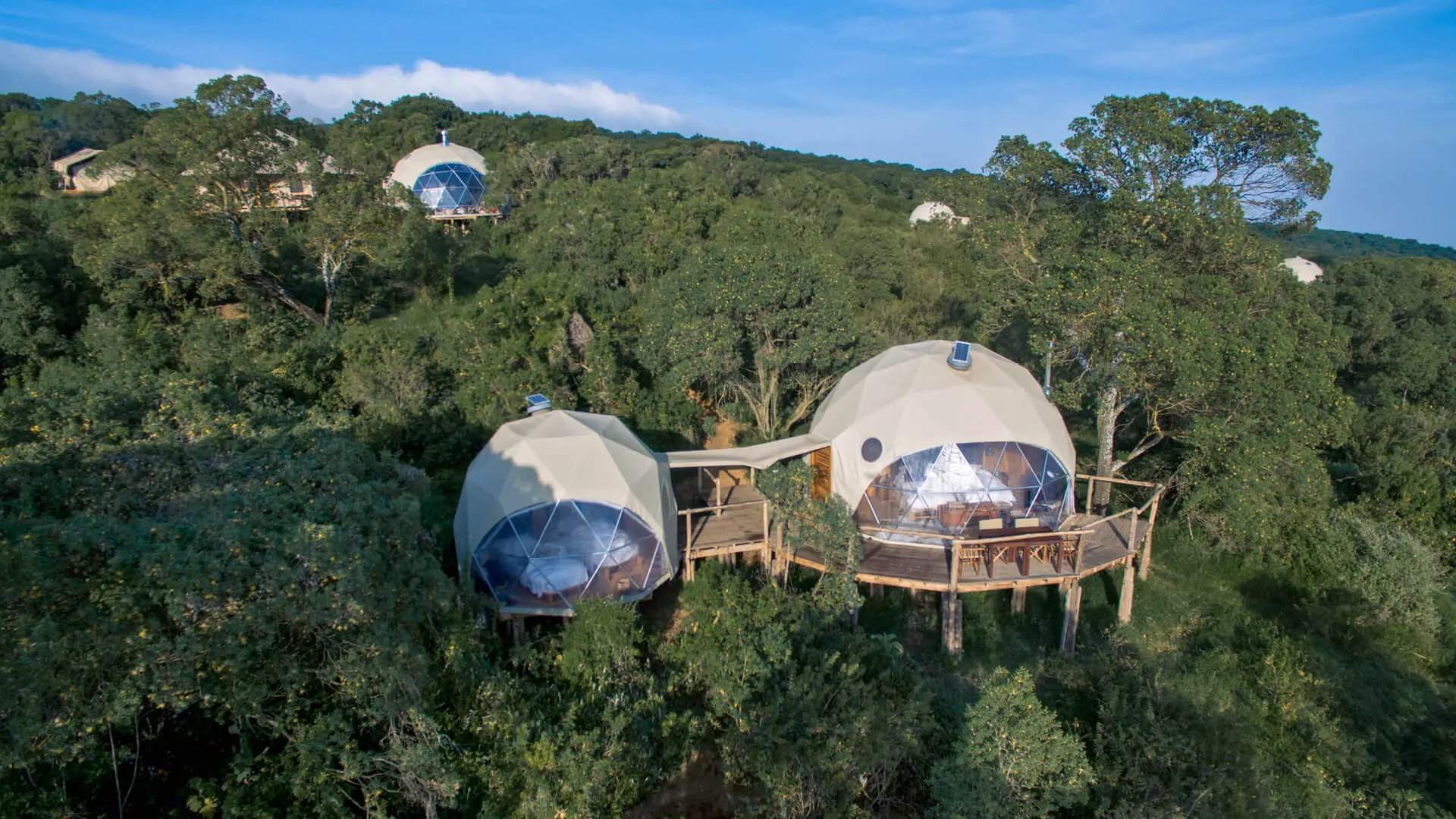
The lodges range from big, polished hotels in the national park to small camps on private concessions, where you can walk and drive off-road. A good Tanzania trip usually mixes the two, and flies the long distances by light aircraft so you spend your days on game drives rather than in the car.
Tanzania rewards good timing more than most places. The same camp can be in the middle of the migration one month and quiet the next, several lodges close for the long rains, and the light-aircraft schedules shape which camps link up easily. We plan the route around the month you can travel, and tell you plainly what you are likely to see.
We handle the flights, road transfers, park fees, guides and lodge bookings as one plan, so each leg connects and you are not left juggling airstrip times. If you want to finish on the beach, we line up the Zanzibar extension with your last safari flight.
A lot of Tanzania's wildlife lives outside the national parks, and private concessions and community areas do much of the work of protecting it.
Tanzania has two rainy seasons and a long dry season.
The most popular time. Tarangire is at its best as animals gather along the river, the migration is usually in the northern Serengeti from about July, and the grass is short. It is also the busiest season, especially on the Crater floor from July to September.
Green landscapes and passing showers. The herds usually head back south through the eastern Serengeti, and the parks are quieter than in the dry season.
The herds gather on the short-grass plains of the southern Serengeti around Ndutu, and most calves are born around February. The plains are green, and predators follow the herds.
The wettest months. Some roads become difficult and a number of camps close, including Lamai Serengeti and Chem Chem Lodge. Those that stay open are much quieter.
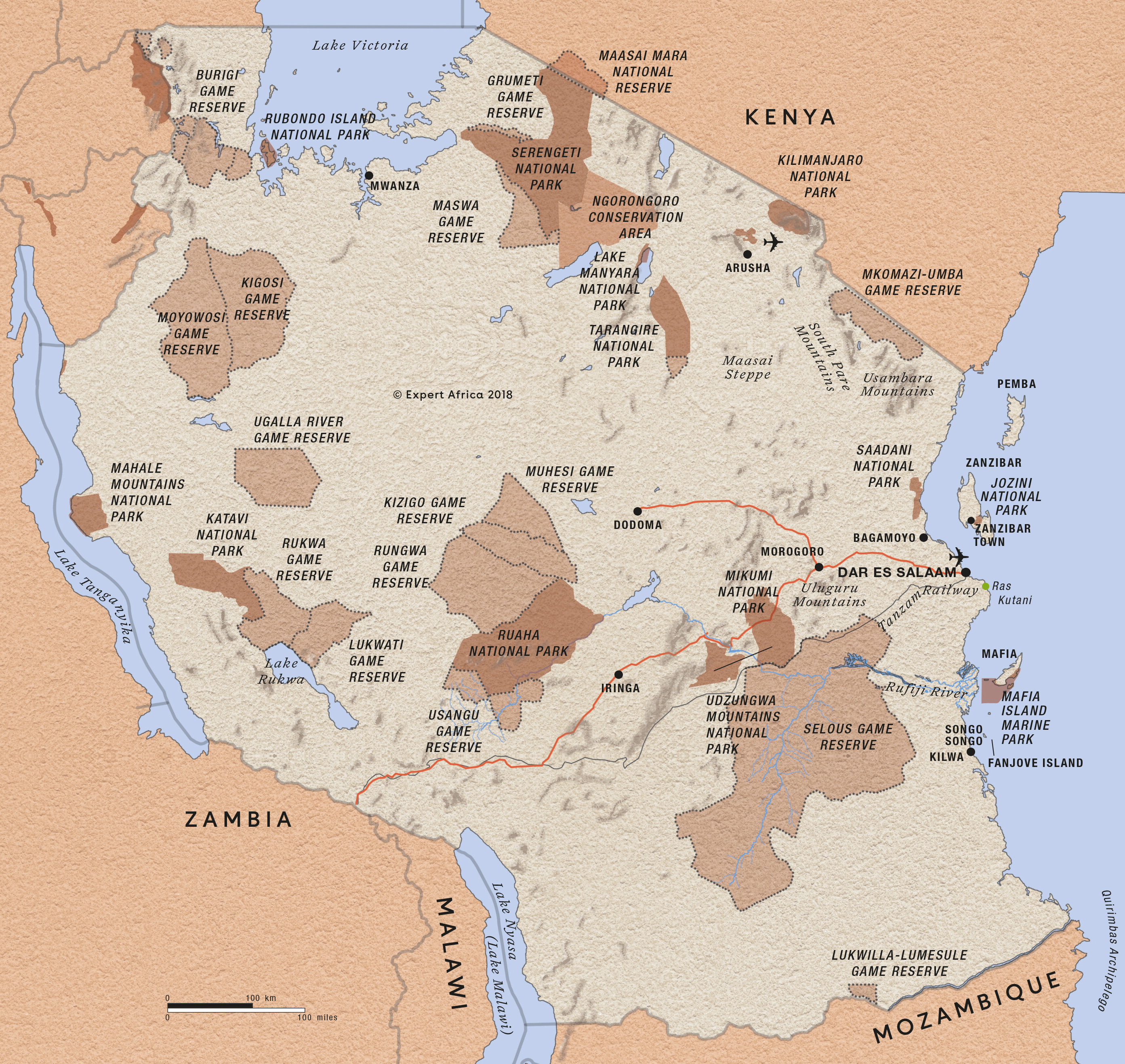
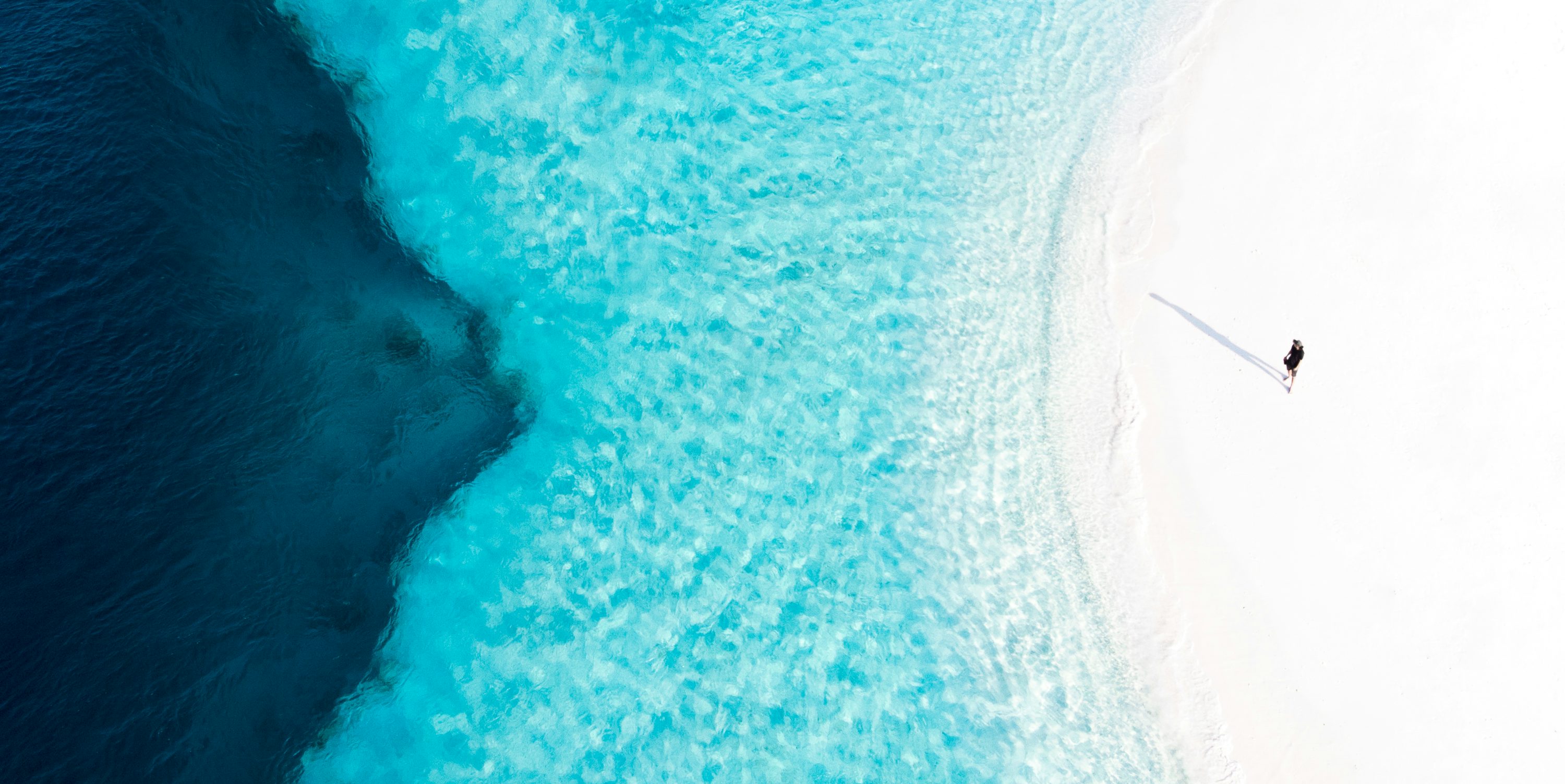
Zanzibar is an archipelago off Tanzania's coast, and most people come to finish a safari on the beach.
There is more here than sand: Stone Town is a UNESCO World Heritage Site, the reefs are good for snorkeling and diving, and Jozani forest has the Zanzibar red colobus, found nowhere else.

Nyerere National Park covers 30,893 km² of southern Tanzania, created in 2019 from the northern part of the Selous Game Reserve.
The Rufiji River and its lakes shape the park, so you explore by boat and on foot as well as by vehicle. It is a key stronghold for African wild dog.
Ruaha National Park covers 20,226 km² of central-southern Tanzania, with wildlife gathering along the Great Ruaha River in the dry season.
It sees a fraction of the north's visitors, it is one of Africa's strongest places for lion, and it mixes East and Southern African species.
Tarangire National Park lies under two hours by road from Arusha. In the dry season the Tarangire River draws wildlife from miles around, including some of northern Tanzania's largest elephant herds.
Big old baobabs, swamps and open grassland give it a different look from the Serengeti.
The Ngorongoro Conservation Area covers volcanic highlands between Tarangire and the Serengeti. At its centre is the Ngorongoro Crater, a collapsed volcano about 610 m deep whose floor holds lion, buffalo, elephant and black rhino.
Unlike a national park, people live here too, with Maasai herders sharing the land with wildlife.
The Grumeti Reserve is a private concession of more than 350,000 acres on the Serengeti's western side, on the migration's path through the Western Corridor.
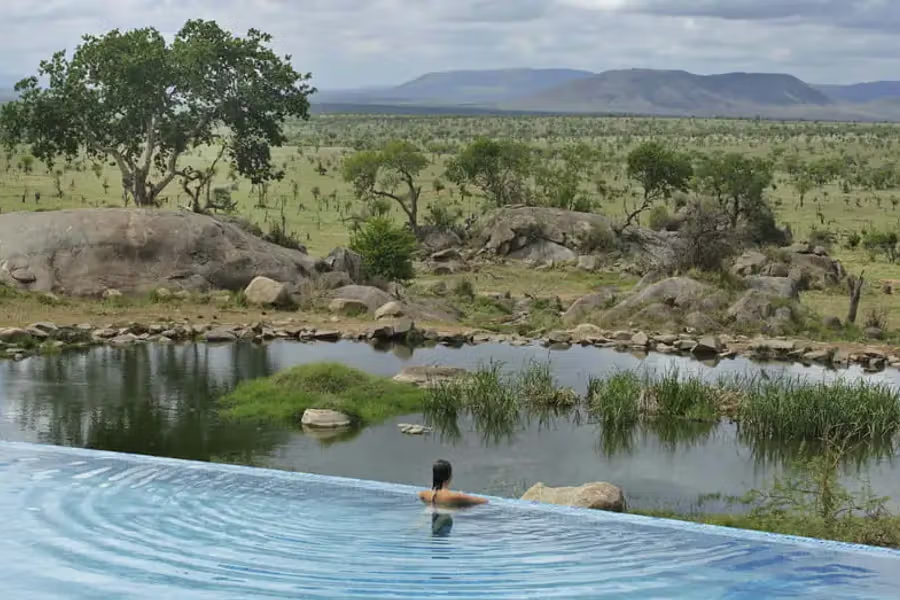
You get Serengeti wildlife with far fewer vehicles, Singita lodges, and guided walks the national park does not offer.
The Serengeti covers 14,763 km² of northern Tanzania, from the southern short-grass plains to the wooded hills on the Kenya border.
Most people come for the wildebeest migration, around 1.5 million wildebeest and 250,000 zebra moving through the year. Where you stay should follow the month you travel.
Every itinerary begins with a conversation. Tell us what you're dreaming of, and we'll design a journey tailored entirely to you.
Plan Your Trip







.svg)