Plan this trip with us. $250 planning fee, credited in full toward your trip. The fee funds your property briefing.
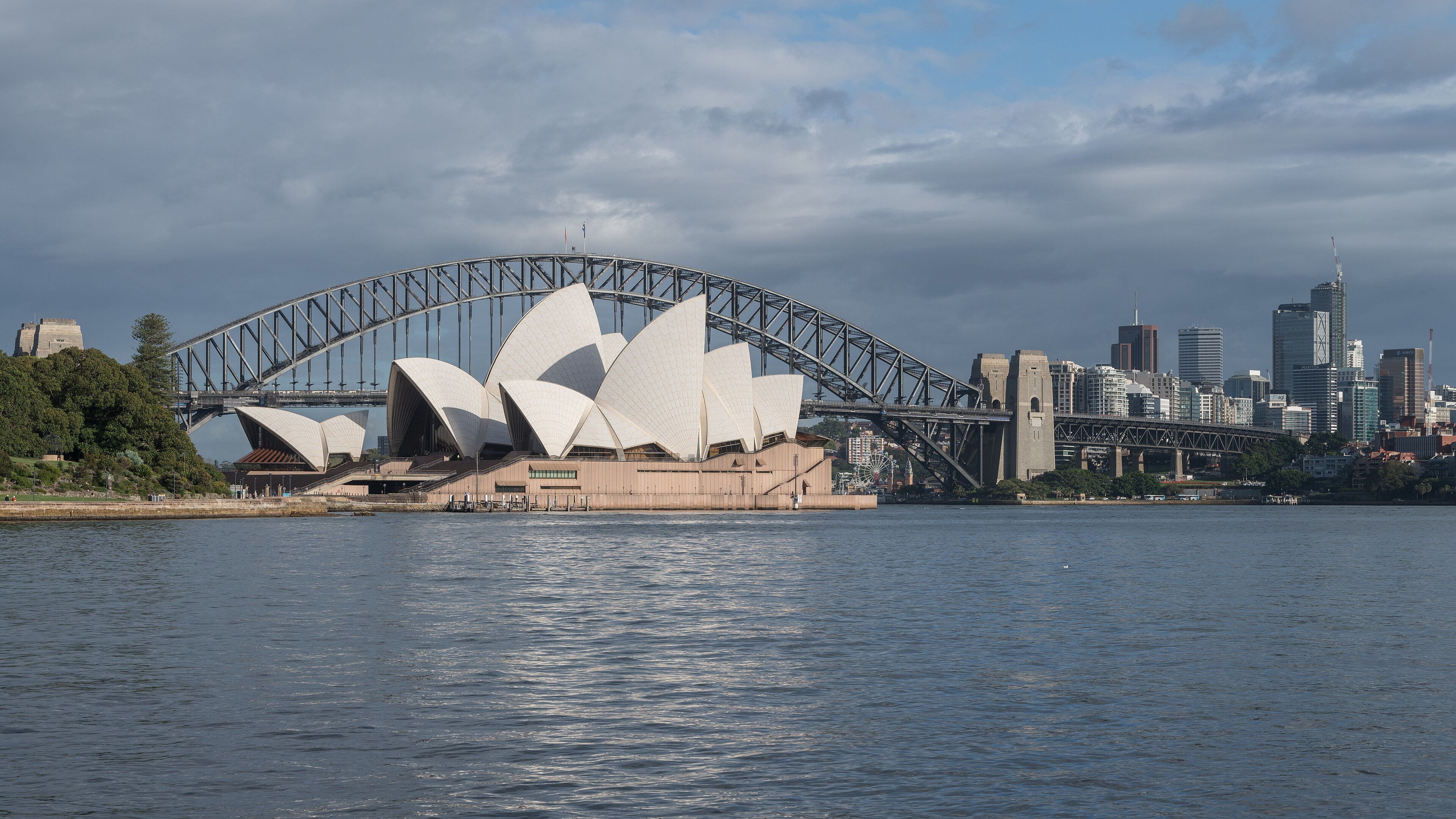
Start the inquiryAustralia is about range. In one country you have the red desert and ochre domes of the Red Centre, rainforest older than the Amazon in the tropical north, the Great Barrier Reef, and the wild edges of Tasmania, with Sydney’s harbor as the usual starting point. Along the way there are kangaroos grazing at sunrise, whales offshore, and Aboriginal stories tied to the landscapes you travel through.
A good trip strings several of these together: Sydney, then the Outback, then a rainforest lodge where cassowaries walk the trails or an island on the reef with snorkeling and reef conservation programs. Food and wine can be a reason to come on its own. I’ve been to the Barossa and dived the Great Barrier Reef, and both fit easily around a wildlife trip.
Best for: wildlife, open wilderness, food and wine, and travelers who want desert, reef and rainforest in one trip.
Australia is huge, and most trips here are won or lost on routing: how many nights per region, which internal flights connect, and which lodges book out 9–12 months ahead. I help you choose hotels, lodges, rooms, seasons and routing, book the hotels, lodges, flights and local operators, and am your point of contact before and during the trip.
I book through Fora, so I can often add perks through Fora Reserve and hotel brands’ own advisor programs, such as daily breakfast, a hotel credit or an upgrade when one is free, at many properties where available.
Conservation in Australia ranges from Indigenous land stewardship to wildlife reintroduction programs and reef-restoration science. I choose operators that:
Staying with them supports the Daintree Rainforest, the Kimberley’s ancient sandstone country and the Great Barrier Reef.
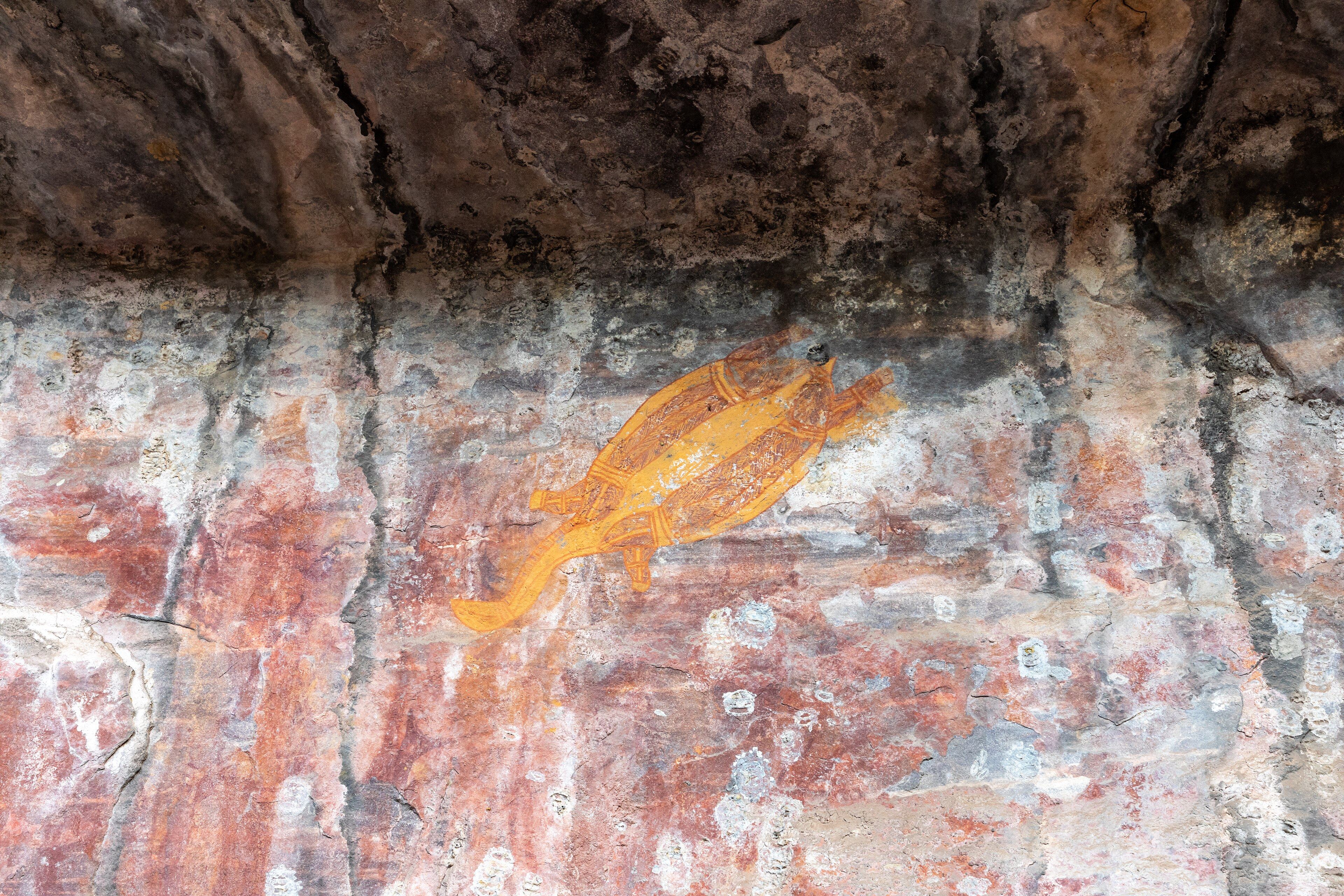
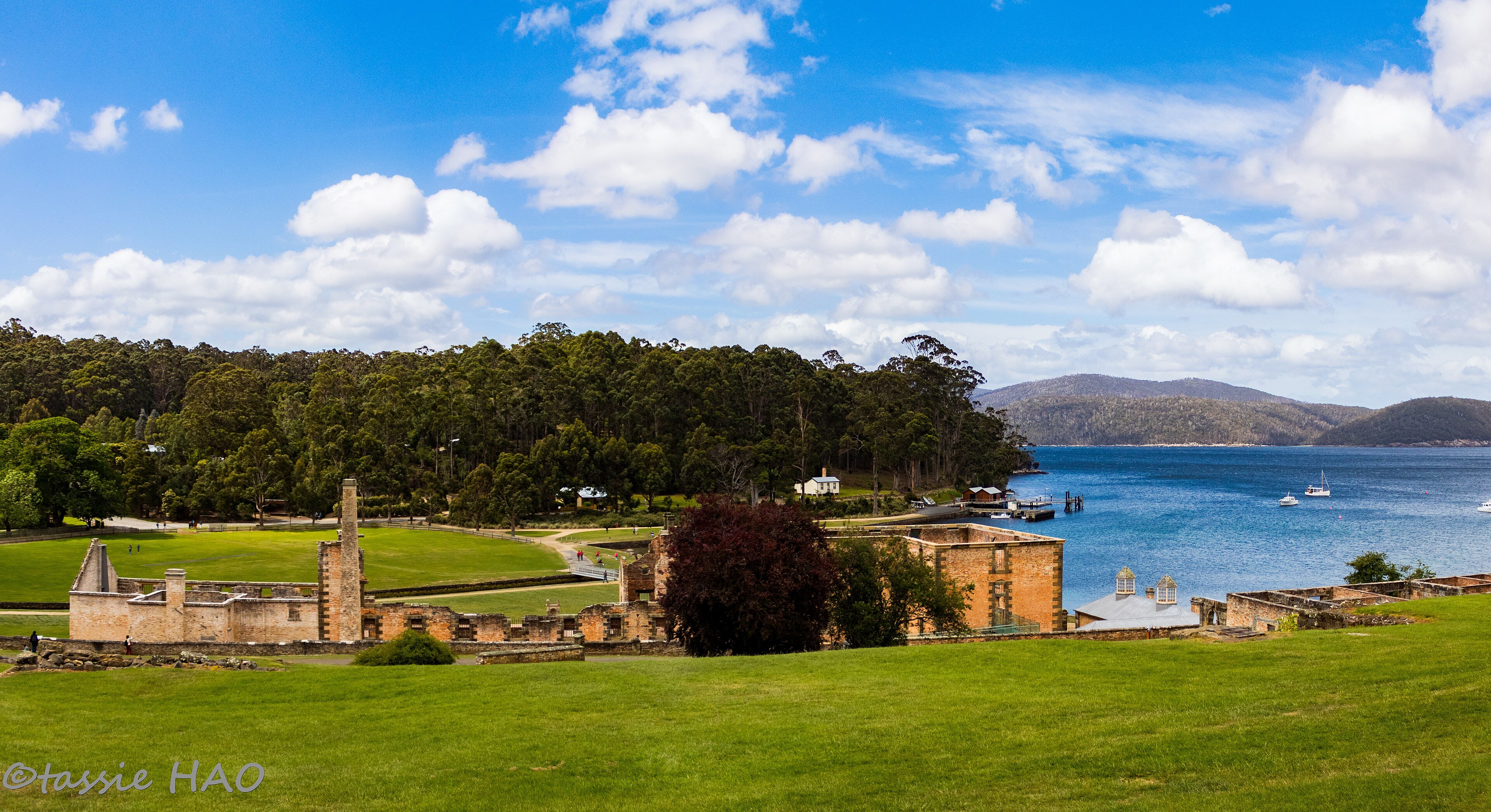
Australia's sights run from more than 60,000 years of Aboriginal culture to convict history, wine country and Sydney.

Australia varies dramatically by region, but for a classic wilderness trip:
Clear skies, low humidity, great wildlife, excellent reef conditions.
Ideal for: Reef + Rainforest, the Kimberley, Top End parks, Red Centre.
Beautiful early-summer landscapes and active wildlife.
Ideal for: Tasmania, Southern Australia, wine regions.
Warm days, bright oceans, ideal for Tasmania and coastal itineraries.
Note: Northern Australia is in the wet season.
Soft light, pleasantly warm conditions, excellent hiking.
Ideal for: Southern outback, Tasmania, Great Ocean Road.

Ningaloo Reef runs about 300 kilometers along the Western Australia coast, and in places it is only a few hundred meters from the beach, so you can snorkel straight off the sand.
I send people here for whale sharks from March to July and humpbacks later in the year.
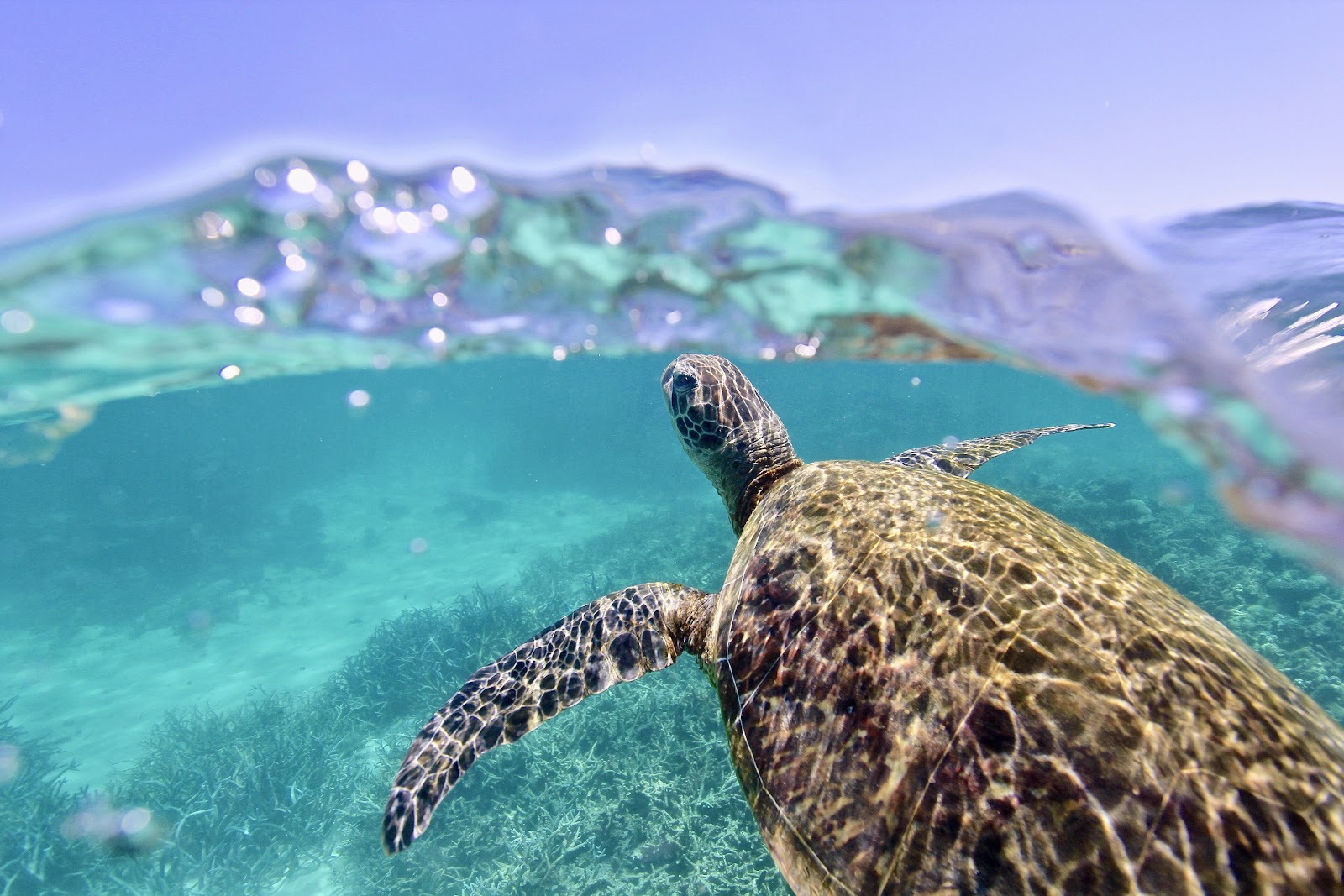
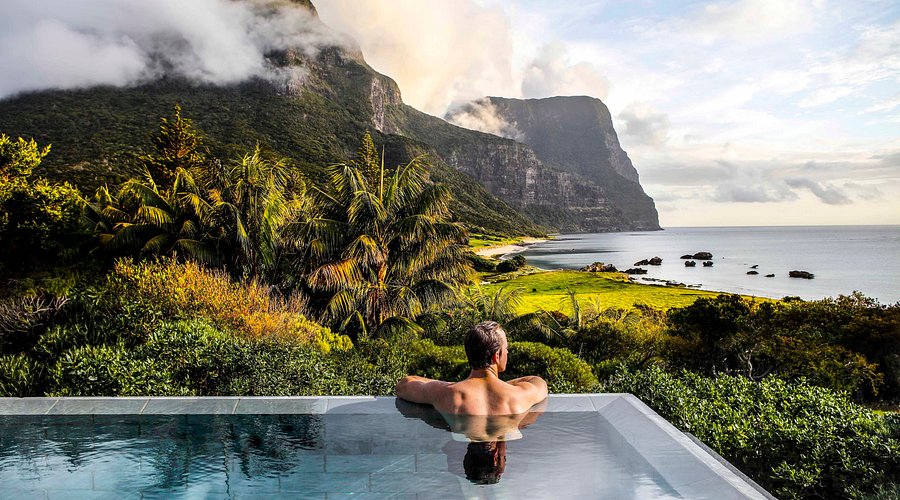
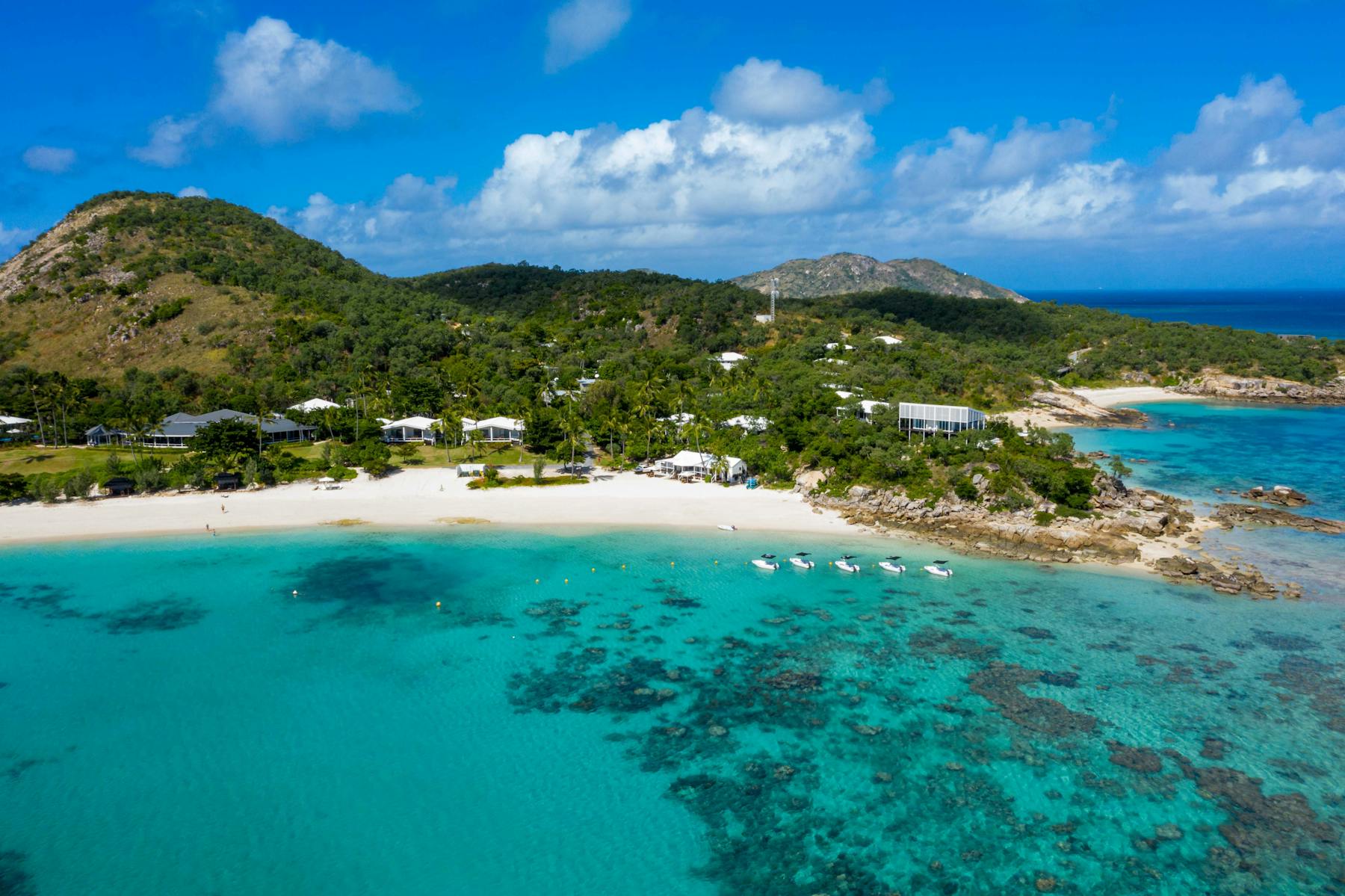
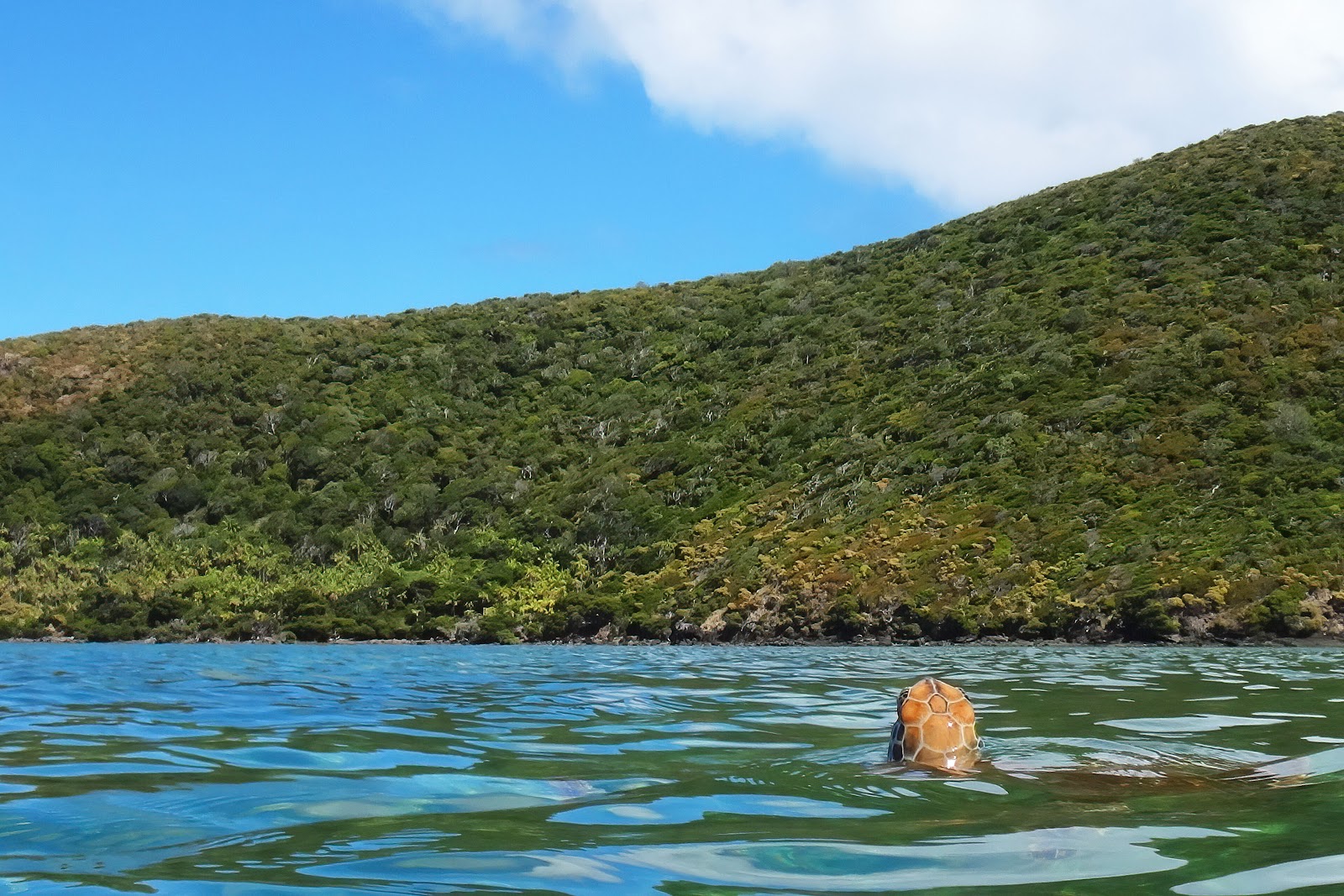
Lord Howe Island is a volcanic island in the Tasman Sea, under two hours' flight from Sydney, with the world's southernmost coral reef.
Only 400 visitors can stay at any one time. That cap is why I love it: walks, beaches and reefs with very few people.
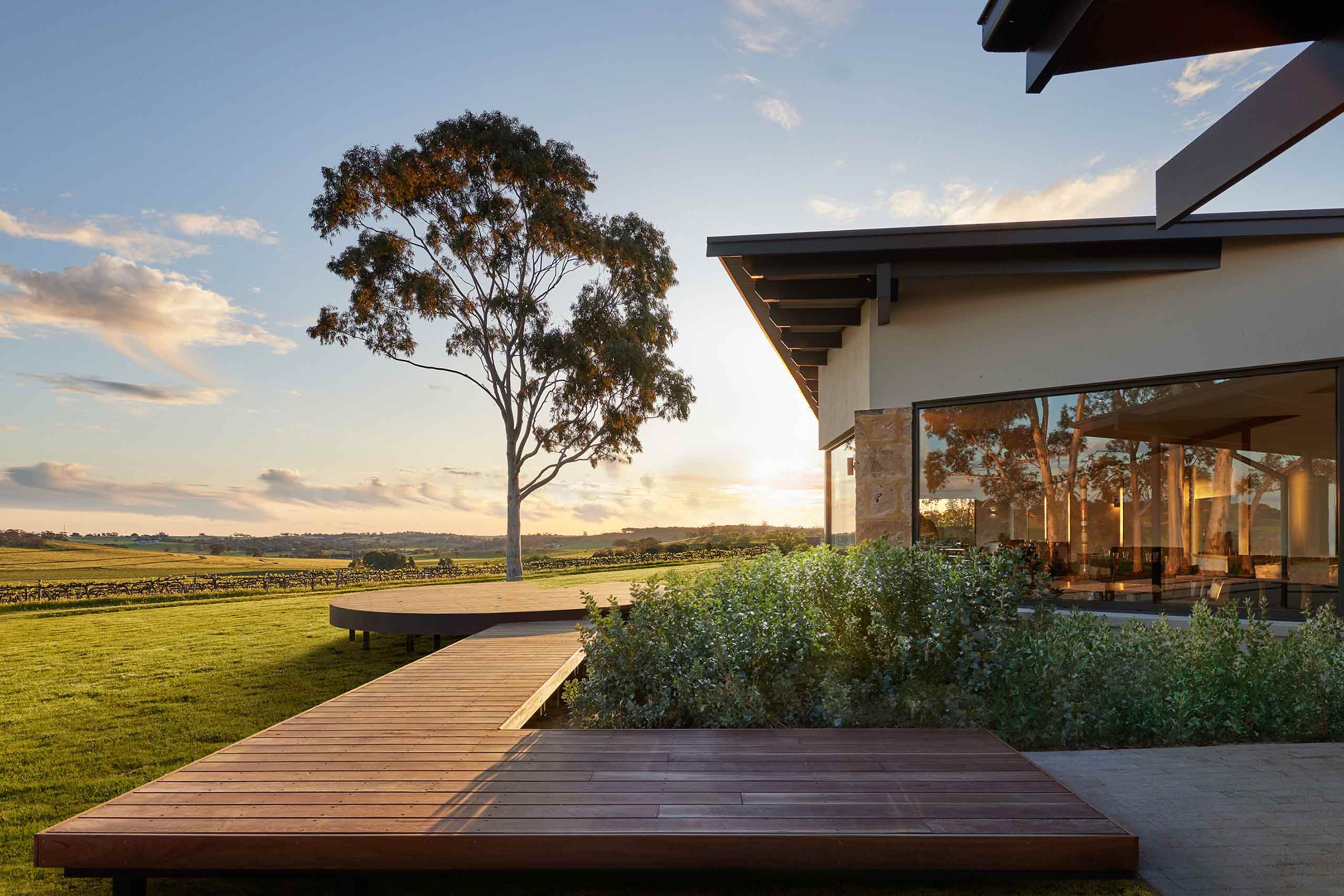
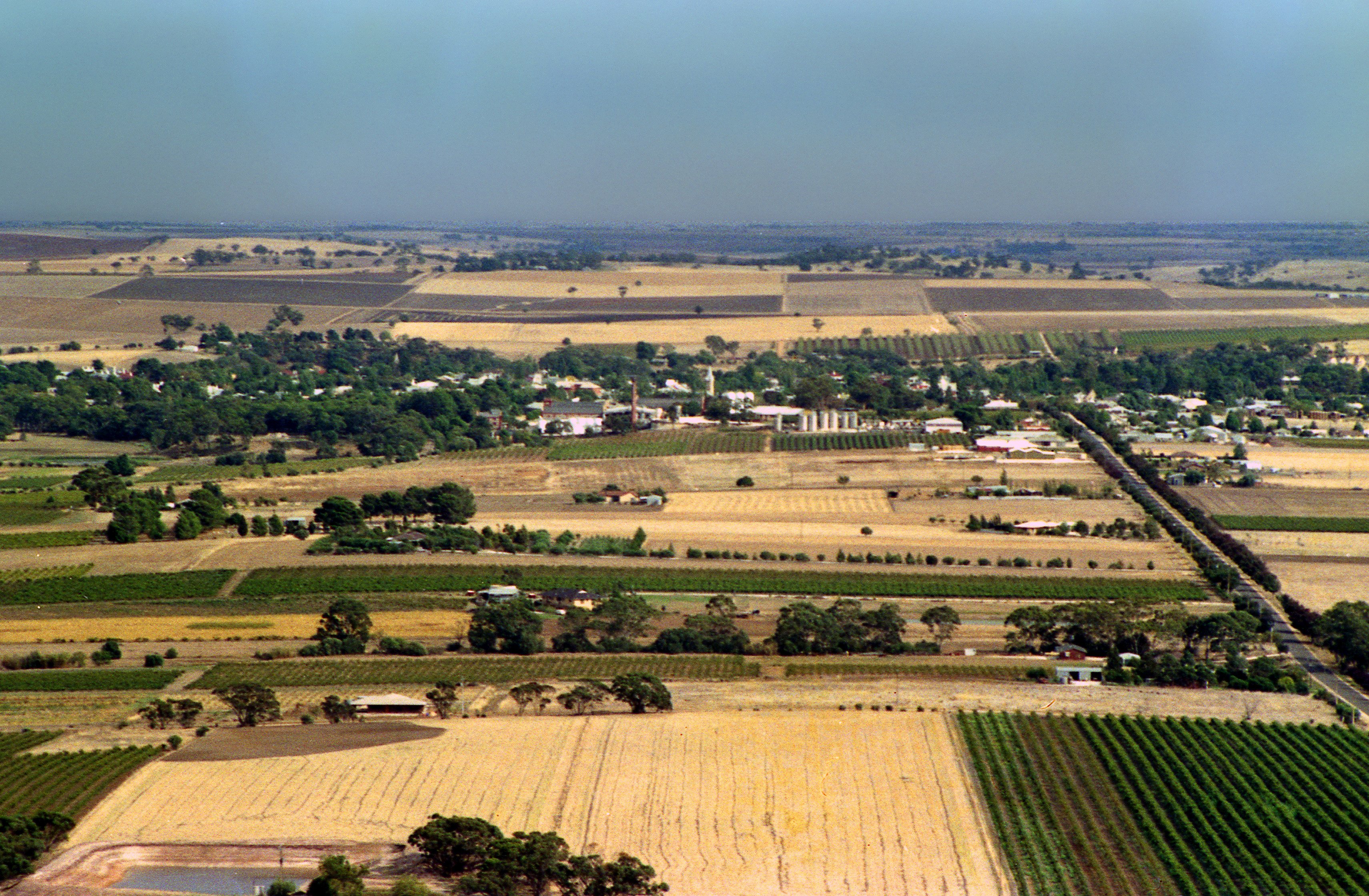
The Barossa Valley, an easy hour's drive northeast of Adelaide, is one of Australia's oldest wine regions, with some of the oldest producing Shiraz vines in the world.
I have tasted my way through the Barossa, and I recommend it for Australian wine at its source. It pairs well with Kangaroo Island.

Kangaroo Island lies about 15 kilometers off South Australia, south of Adelaide. More than a third is protected, and its isolation makes the wildlife easy to see and unusually relaxed.
It suits anyone who wants Australian animals in the wild without a long trek, and pairs easily with the Barossa.

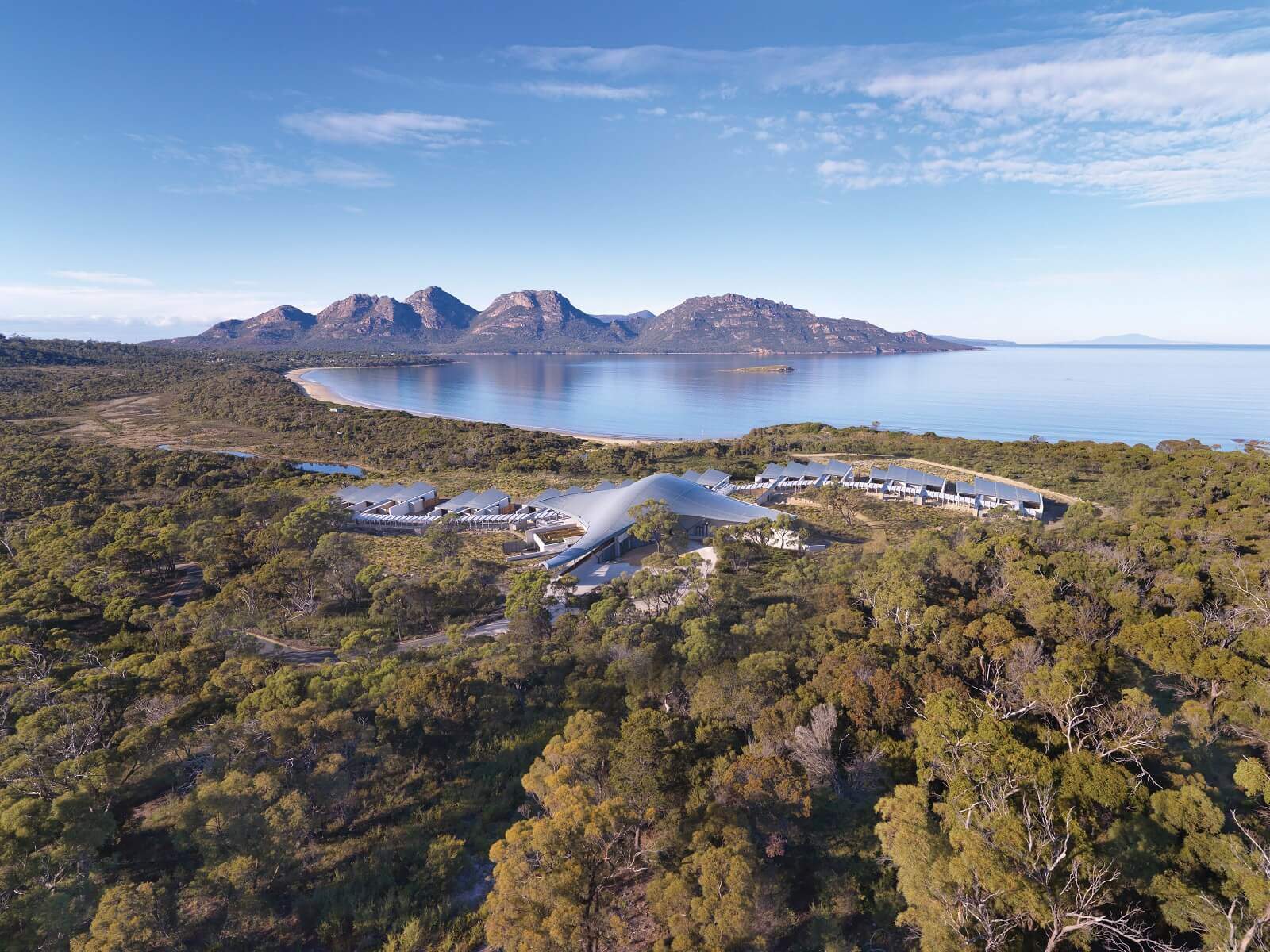
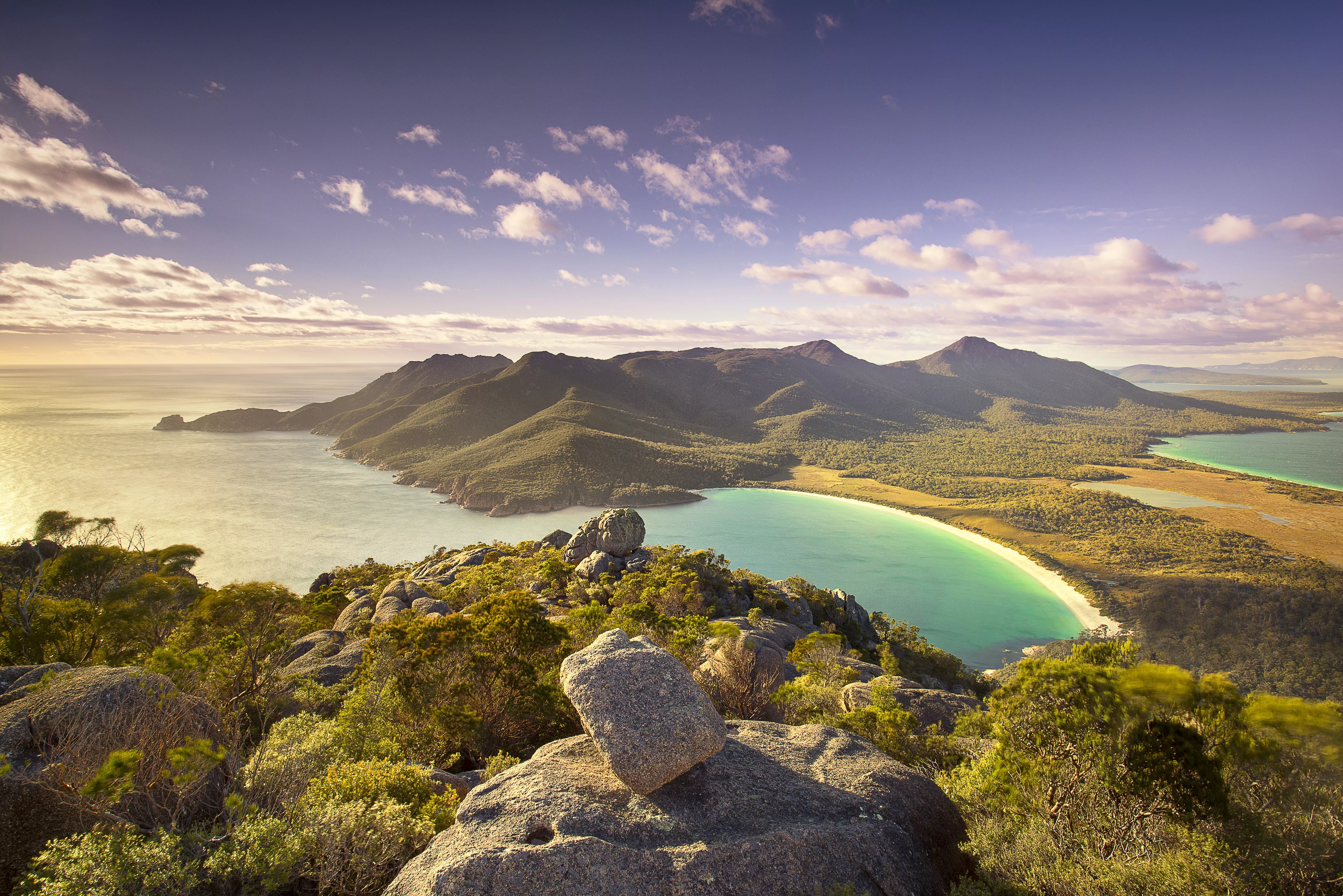
Tasmania is Australia's island state, south of the mainland across Bass Strait, with almost 20% inside a World Heritage wilderness area.
I send people here to walk, look for wildlife and eat very well. Freycinet on the east coast is the easy entry point; Cradle Mountain is for more of the wild.
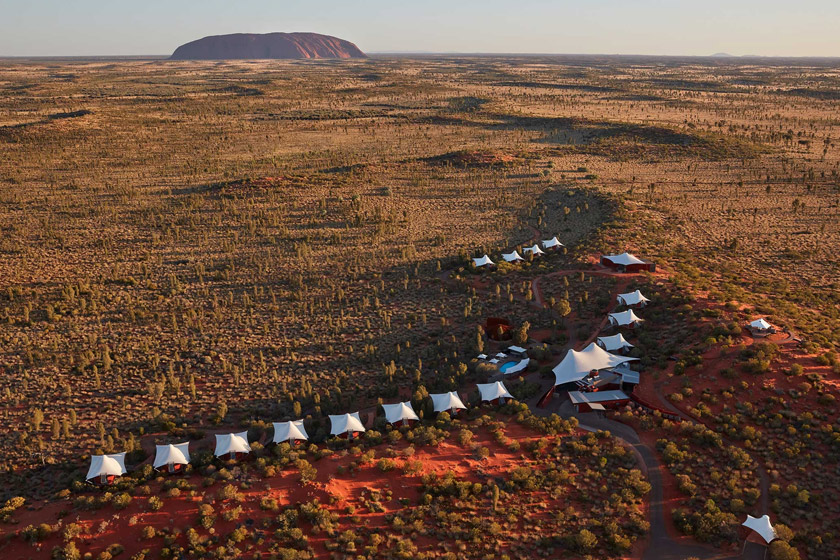
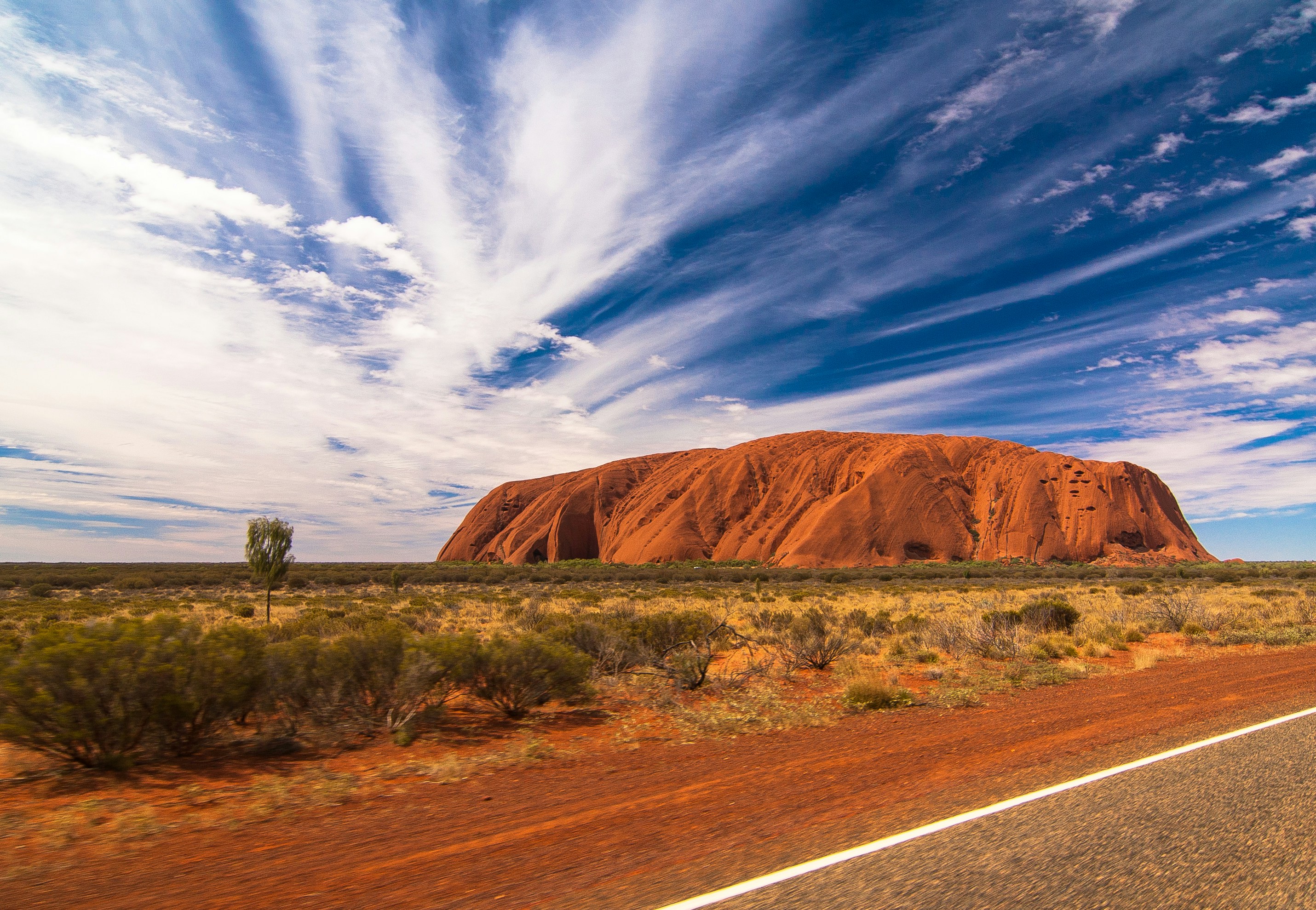
Uluru-Kata Tjuta National Park lies in the Northern Territory desert, about 440 kilometers southwest of Alice Springs. Uluru rises 348 meters above the plain, with the domes of Kata Tjuta to the west.
The park belongs to the Anangu, and the best visits are built around their stories.

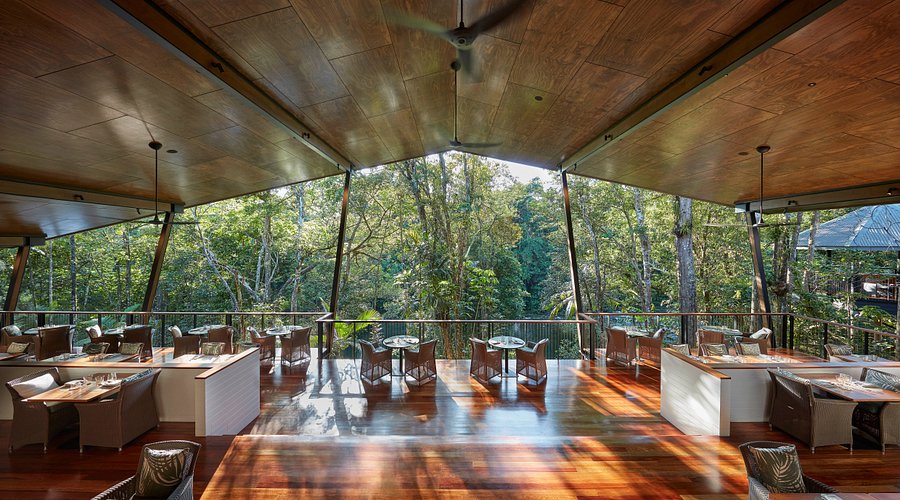
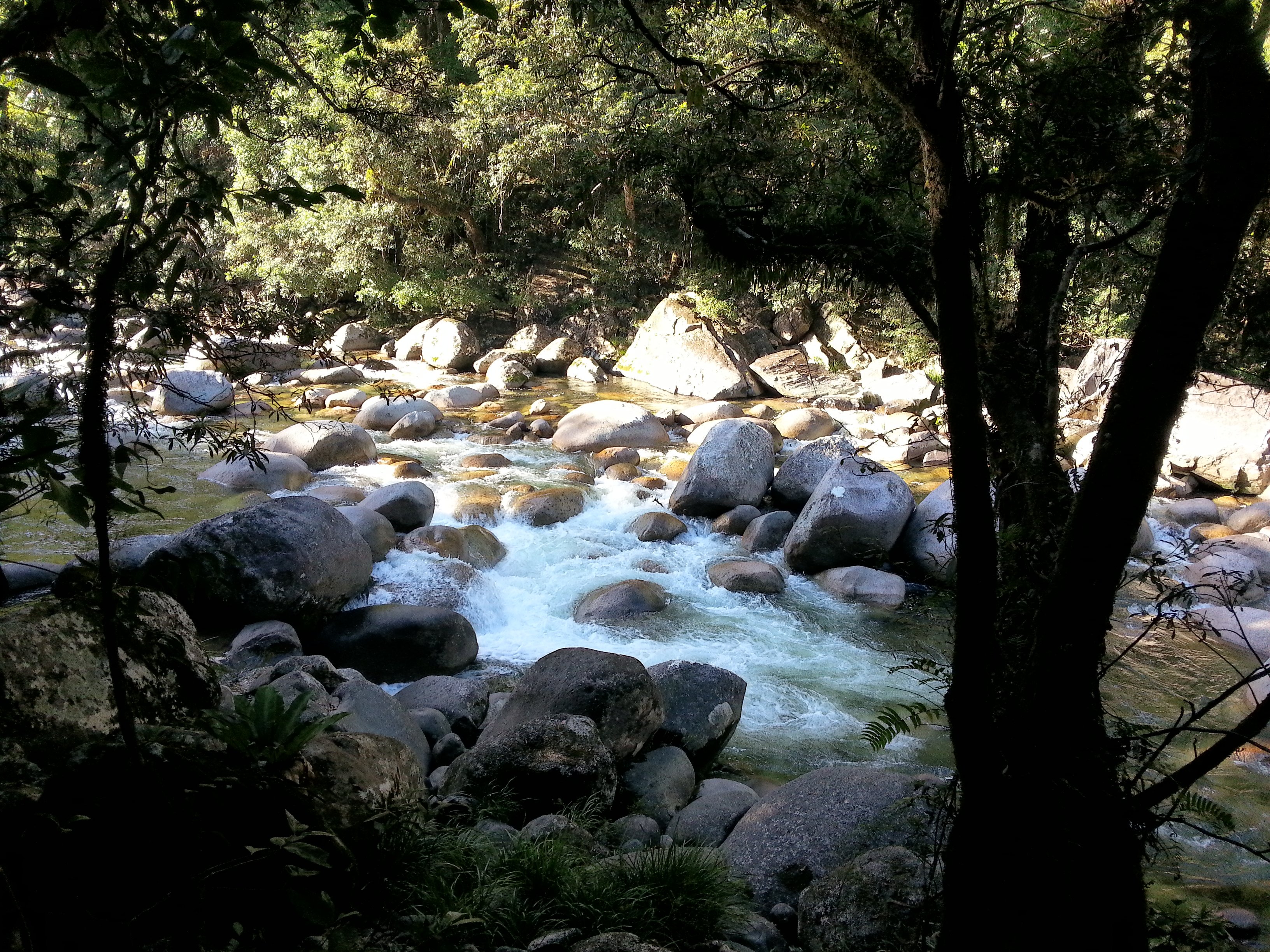
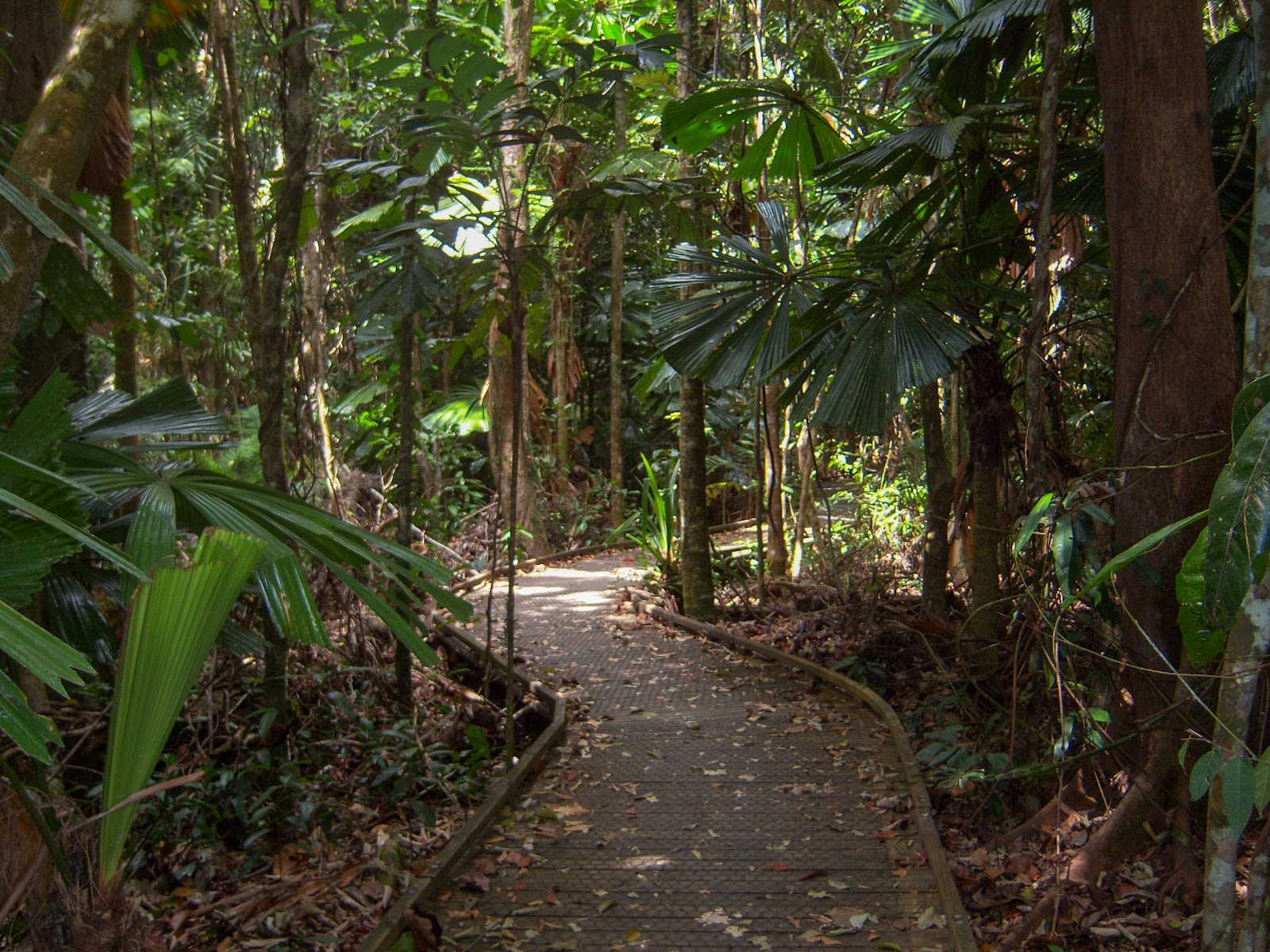
The Daintree is rainforest in far north Queensland, north of the Daintree River and about 105 kilometers by road from Cairns. At Cape Tribulation it runs down to the beach beside the reef.
I pair it with the reef for cassowaries, crocodiles and walks in some of the oldest rainforest on earth.
The Great Barrier Reef runs about 2,300 kilometers along the Queensland coast, with around 3,000 coral reefs.
I plan around two bases: the Whitsundays for sailing and white beaches, and the far north, where reefs see fewer boats. I dived the reef in the quiet season with almost no one else on it.

Every trip begins with a 20-minute planning call. From there, a $250 planning fee, credited in full toward your booked trip and non-refundable if you don’t book. I brief the property before you arrive — that's what the fee funds. I reply within one business day.
Plan your trip