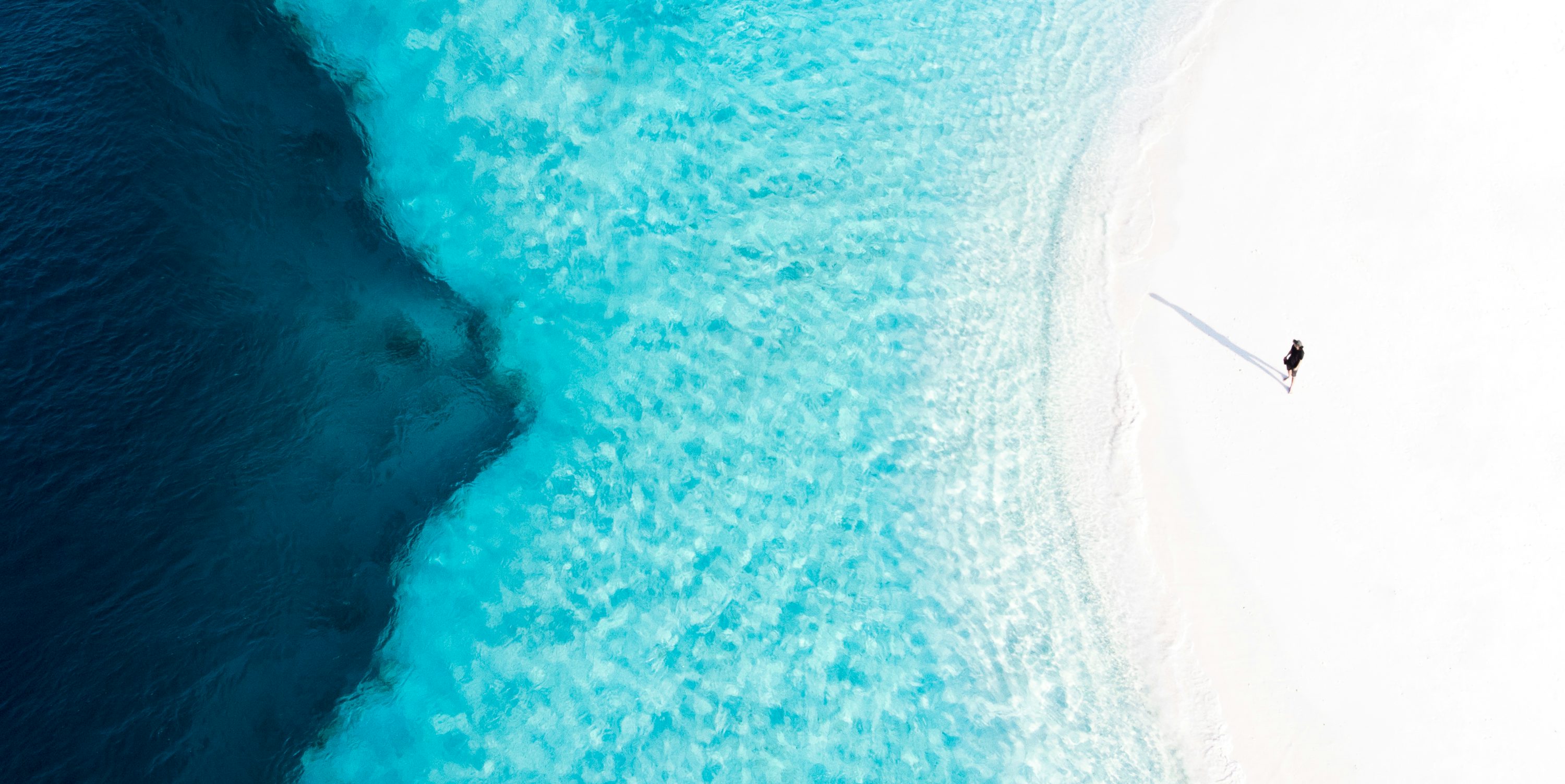
This is for travelers who want to move. Walk with a guide in Zambia or track on foot in the Mara; hike rifugio to rifugio in the Dolomites and earn the lunch; trek to Machu Picchu by the quieter routes; paddle, ride, and swim your way down an Australian coastline. Then come back to a comfortable bed and a serious dinner every evening. It isn't about adrenaline or endurance — we plan active days around how you want to spend them, not how much you can take.
“Adventure means discomfort.”
With the right lodges, pacing and logistics, active days are well supported.
“It’s only for extreme travelers.”
Activities can be matched to a wide range of fitness levels and preferences.
“You have to give up comfort.”
Some of the most comfortable trips are also the most hands-on.
Before suggesting destinations, I ask:
Six destinations I often suggest for active trips are Kenya, Zambia, Uganda, the Dolomites, Peru and Australia, each with a different style of hands-on travel.
Kenya’s private conservancies allow much more than game drives:
Walking safaris were pioneered in Zambia, and it’s still one of the best places to do one.
For the right traveler, Uganda offers:
Best for travelers who value preparation and depth over ease. I’ve done the gorilla trek in Bwindi myself.
Summer walking in the Dolomites is active travel at its most civilized: lifts and marked paths carry you between rifugi, and every day's walk ends at a table.
Fitness is matched honestly: some days are strolls between lunches, others are proper mountain days. Either way, you earn the evening. And in winter the same villages come back as ski bases — the walking trip and the ski trip are the same mountains wearing different clothes.
Everyone pictures the Inca Trail. Fewer picture the routes that avoid its crowds: lodge-to-lodge treks over high passes, ending at Machu Picchu with your legs having done the arriving.
I've planned these for strong walkers and for determined moderates. The difference is the route and the schedule, not the destination. The rest days at altitude aren't wasted days, either — they're how the trek gets finished.
Australia combines big landscapes and unusual wildlife with easy logistics:
Kangaroo Island, private reef trips and the outback all work well.
Is adventure travel physically demanding?
It can be as gentle or as active as you like. I match activities to your comfort and ability.
Do I need prior safari or adventure experience?
No. Many active travelers are on their first safari.
How does an active trip differ from a traditional safari?
It puts more weight on walking, guiding and time on foot or on the water, rather than viewing mostly from a vehicle.
Is Australia suitable for active travel?
Yes. Australia has varied landscapes, good wildlife and comfortable lodges for hands-on trips.
How far in advance should an active trip be planned?
Ideally 6–12 months ahead, to secure the best guides, camps and seasons.
Every itinerary begins with a 20-minute planning call. From there, a $250 planning fee, credited in full toward your booked trip and non-refundable if you don’t book. I brief the property before you arrive — that's what the fee funds.
Plan your trip