Plan this trip with us. $250 planning fee, credited in full toward your trip. The fee funds your property briefing.
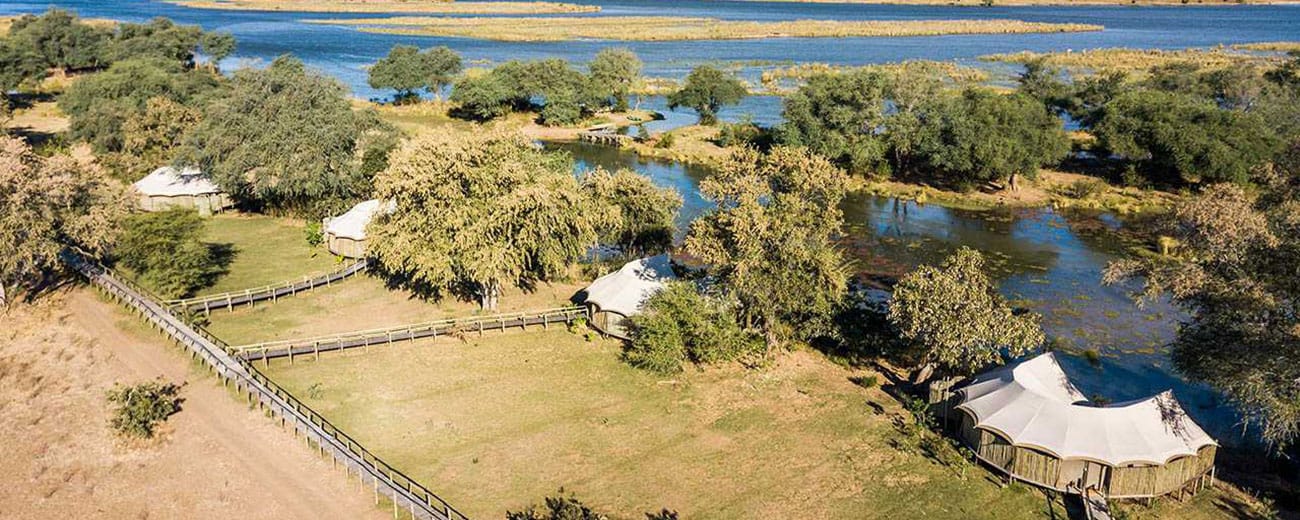
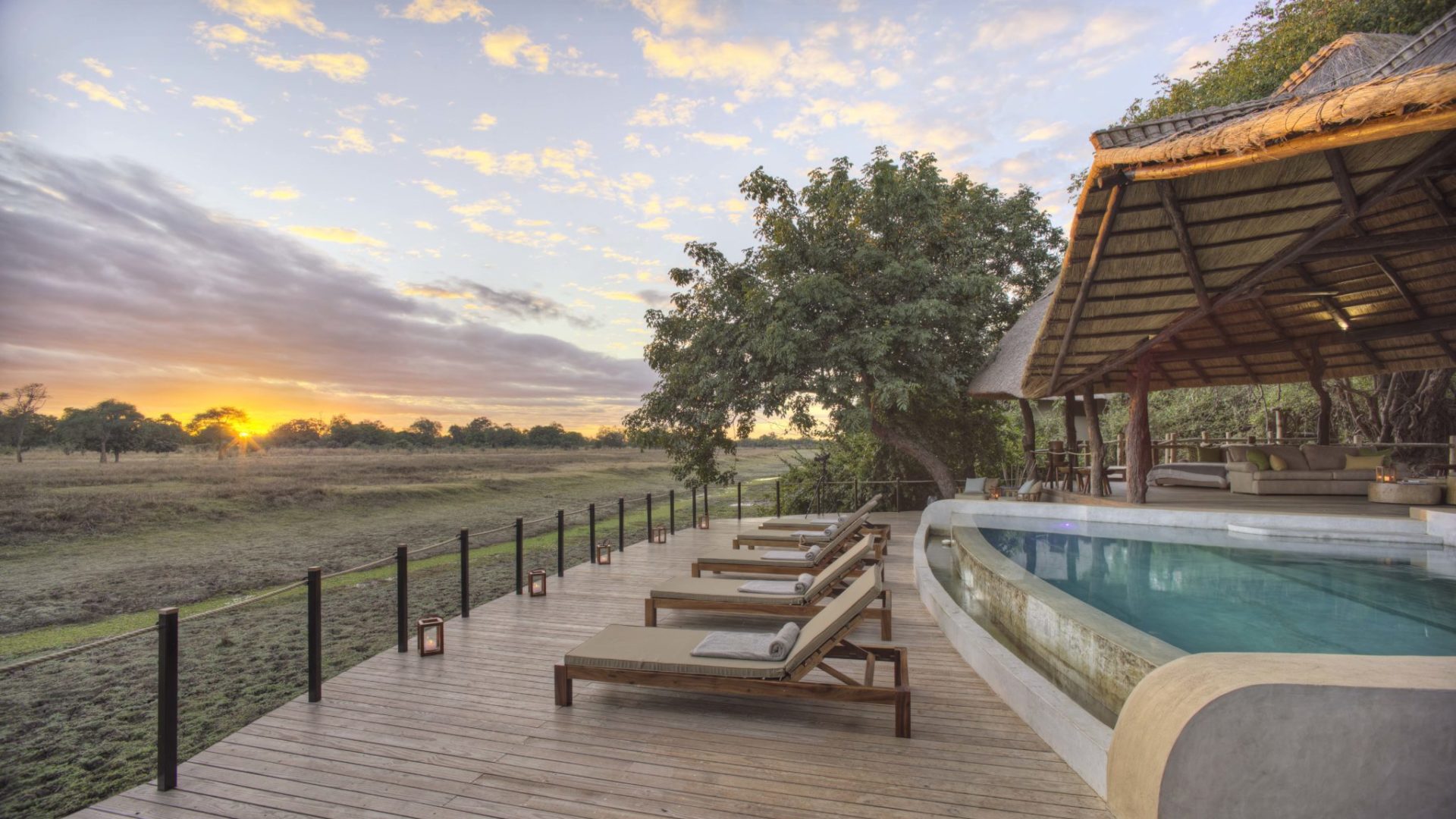
Start the inquiryZambia is where I’d send someone who wants a quieter, more hands-on safari. It’s known for Victoria Falls and the leopards of South Luangwa, and for walking safaris, which were pioneered here and are still guided as well as anywhere in Africa. Camps are small and often owner-run, and parks like Kafue and Liuwa Plain see few visitors. Best for: walking, river trips on the Zambezi, and travelers who’ve done a classic safari and want something wilder.
Zambia is strongly seasonal and spread out, so the route matters. Which camps are open, whether to walk in South Luangwa or canoe the Lower Zambezi, and how the light-aircraft hops connect to Kafue or Victoria Falls all shape the trip. I help you choose camps, rooms and timing, book the camps, flights and local operators, and am your point of contact before and during the trip.
I book through Fora, so I can often add perks through Fora Reserve and hotel brands’ own advisor programs, such as a property credit, a welcome amenity or an upgrade when one is free, at many properties where available.
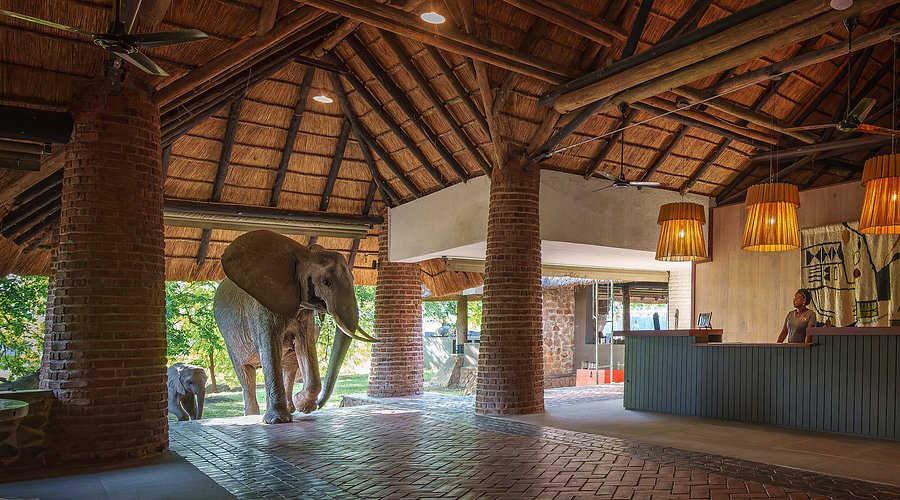
Zambia's parks are ringed by Game Management Areas — community land, not park land — and the camps I use pay concession and bed-night levies that flow to the local community resource boards. That money is a real argument, made every year, for tolerating elephants in the maize fields. Walking safaris here support it directly: small camps, local staff, low footprint.
Zambia’s parks depend on conservation teams and community partnerships. I favor lodges and operators that:
Your stay helps protect the leopard country of the Luangwa valley, elephant migration routes and one of Africa’s healthiest lion populations.
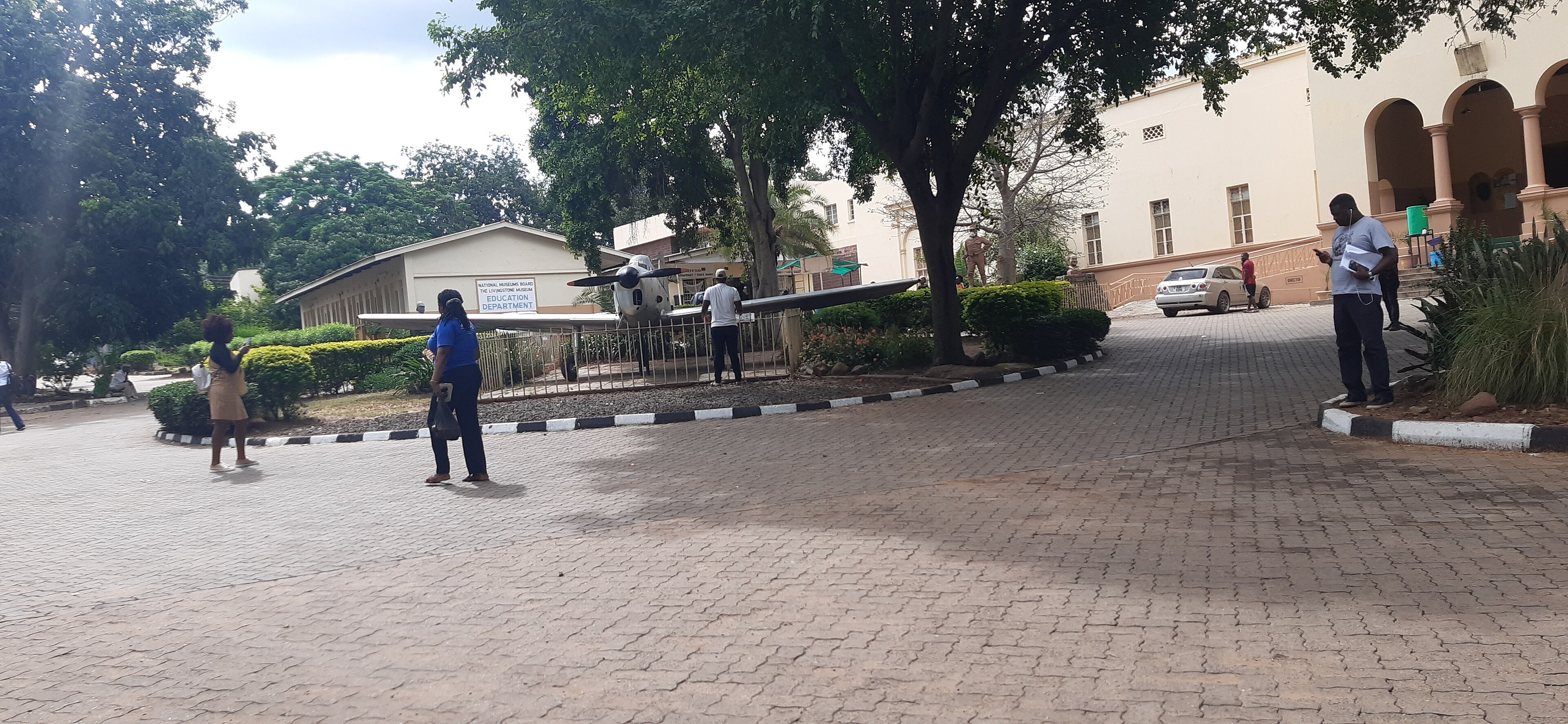
Zambia is known for walking safaris, but it also has a strong sense of history, from Livingstone's era to some of the oldest archaeology in Africa.
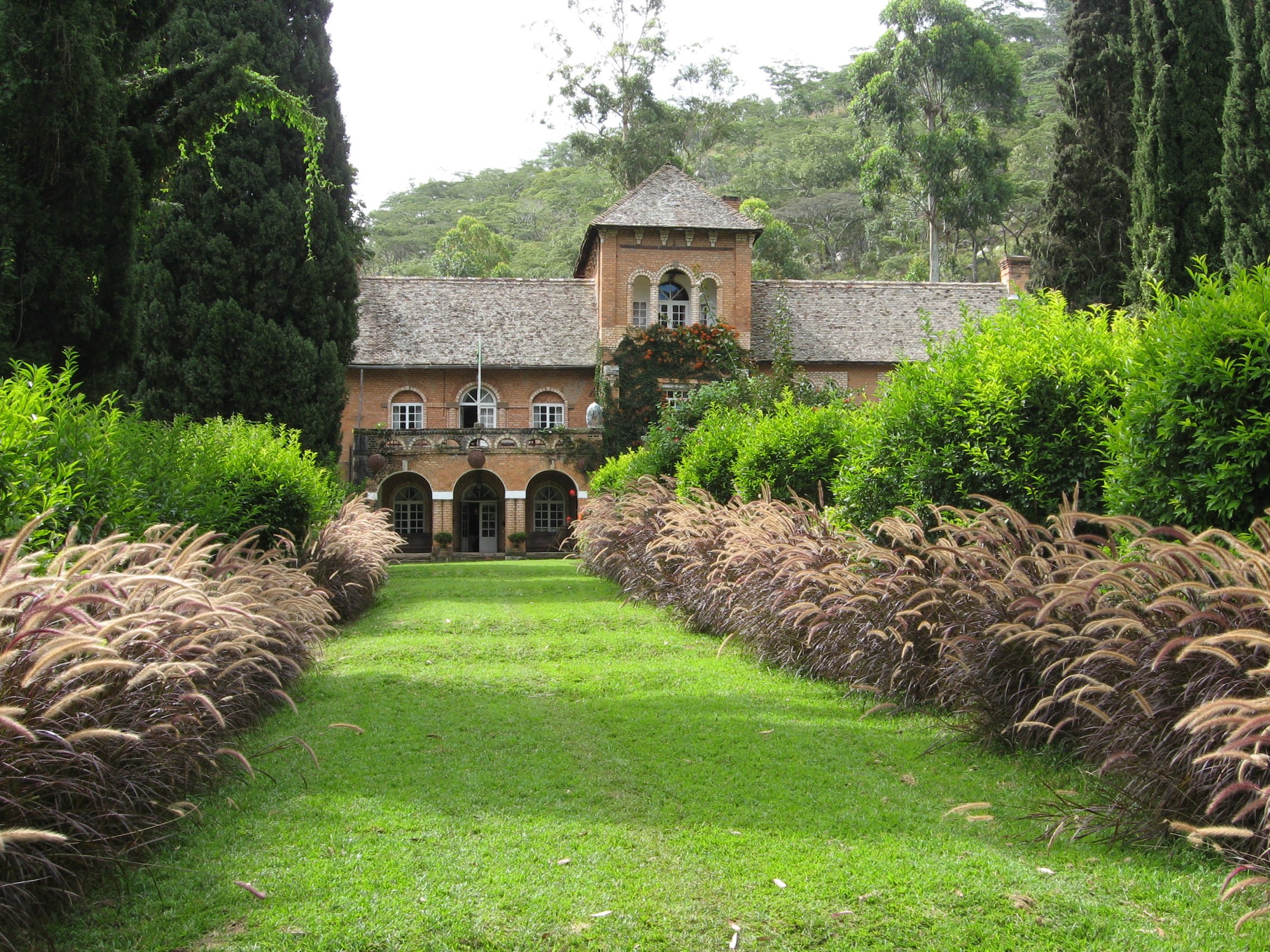
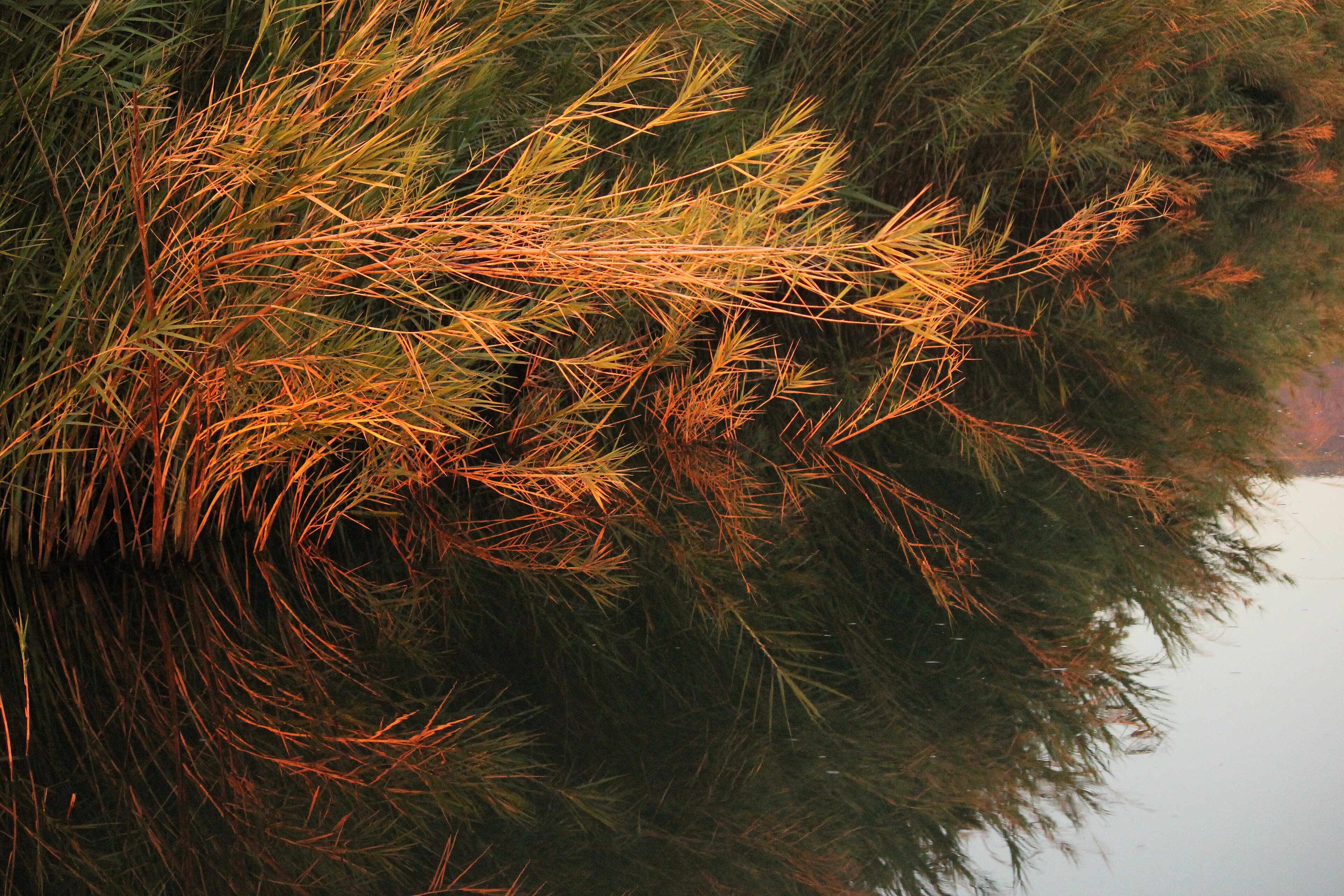
Zambia is strongly seasonal, so choosing the right season is key to the experience.
Wildlife viewing is outstanding as animals gather along rivers.
Best for: Big cats, elephants, walking safaris, Lower Zambezi canoeing.
First rains bring dramatic skies and fresh green landscapes.
Shoulder season with excellent predator action.
Some camps close; others offer strong birding and photography.
Rains may limit access to some remote areas.
Cooler temperatures, full rivers, stunning landscapes.
Great for early-season value and fewer travelers.
The walking camps are tiny. For June–October, book by February.

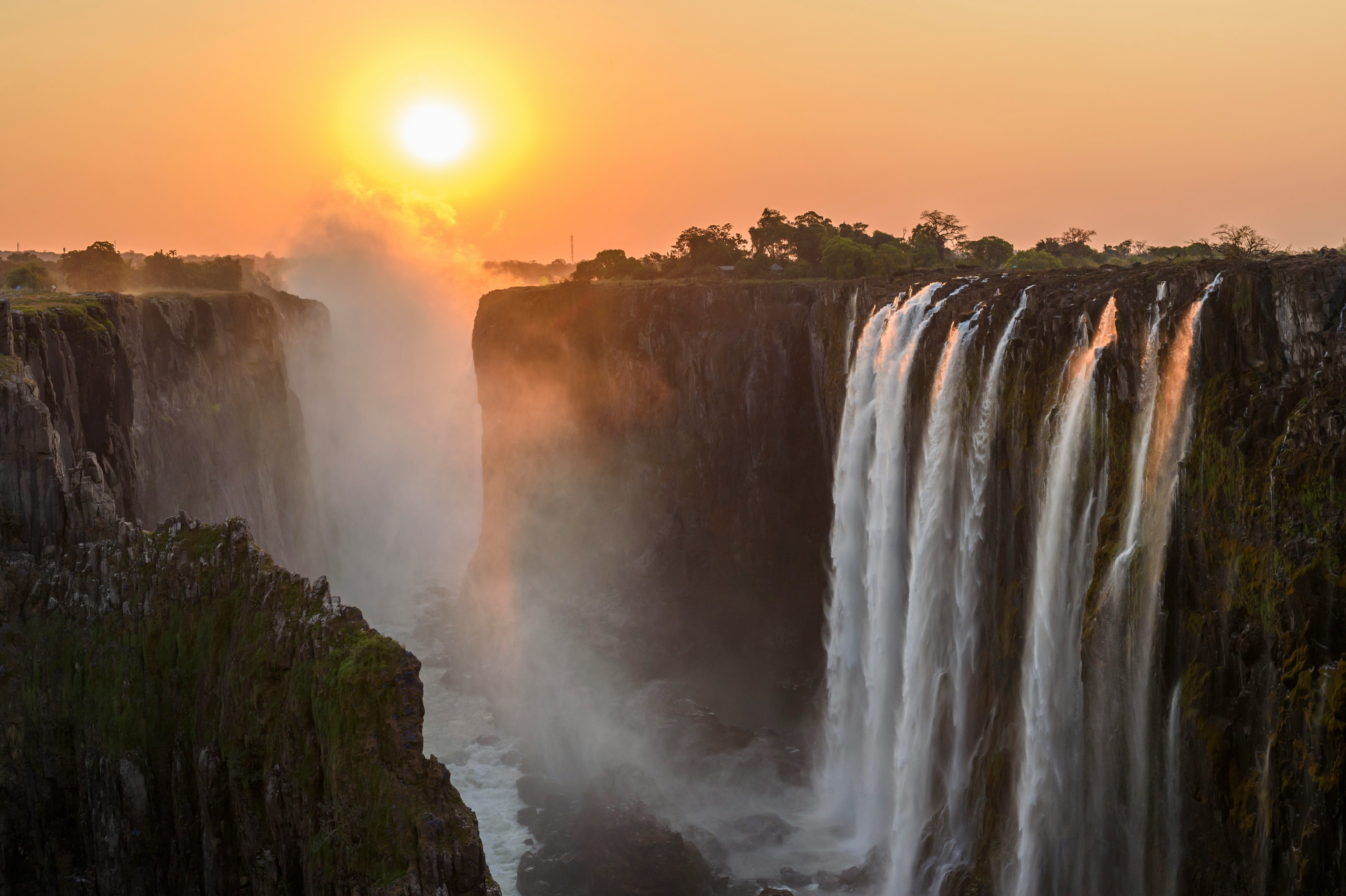
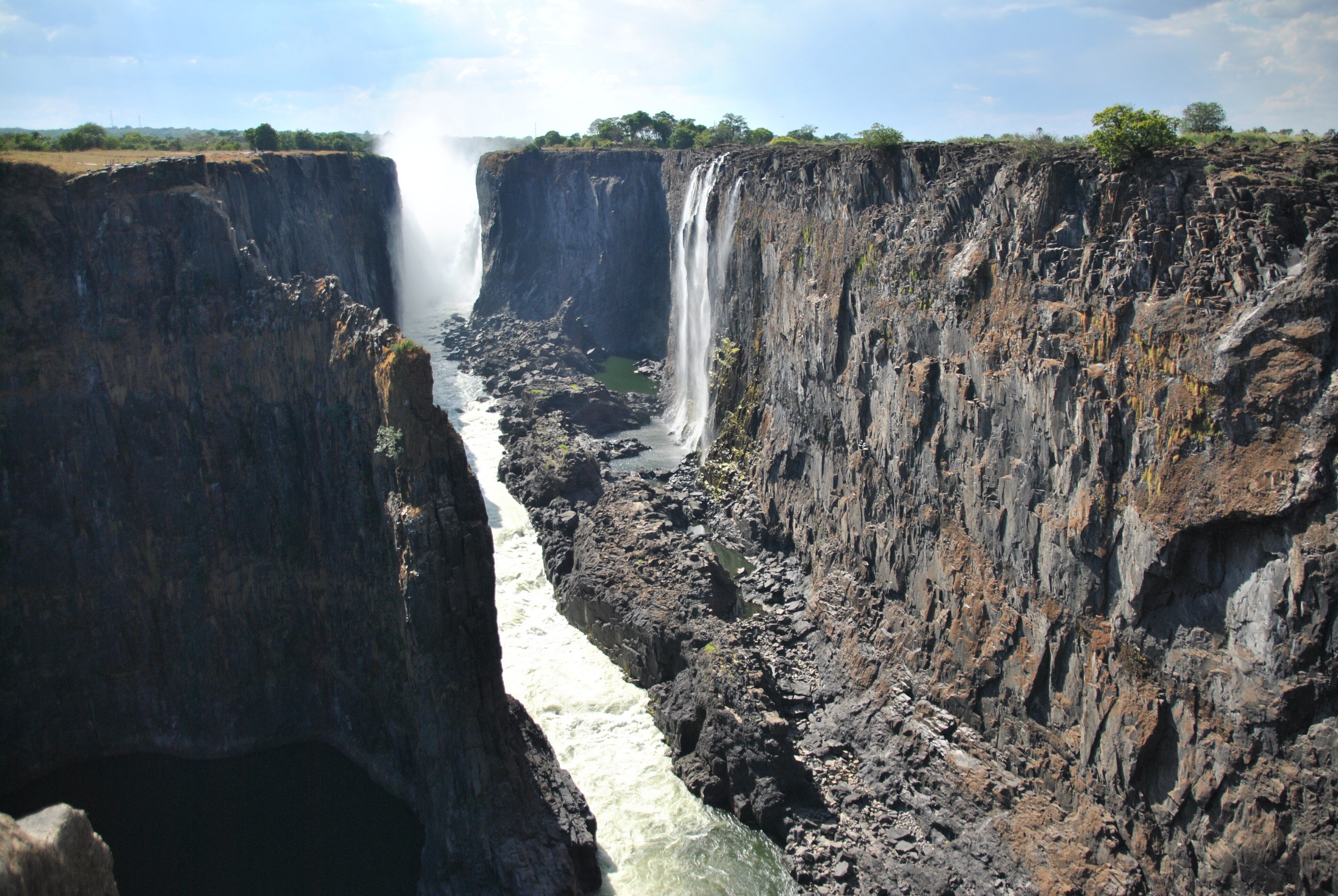
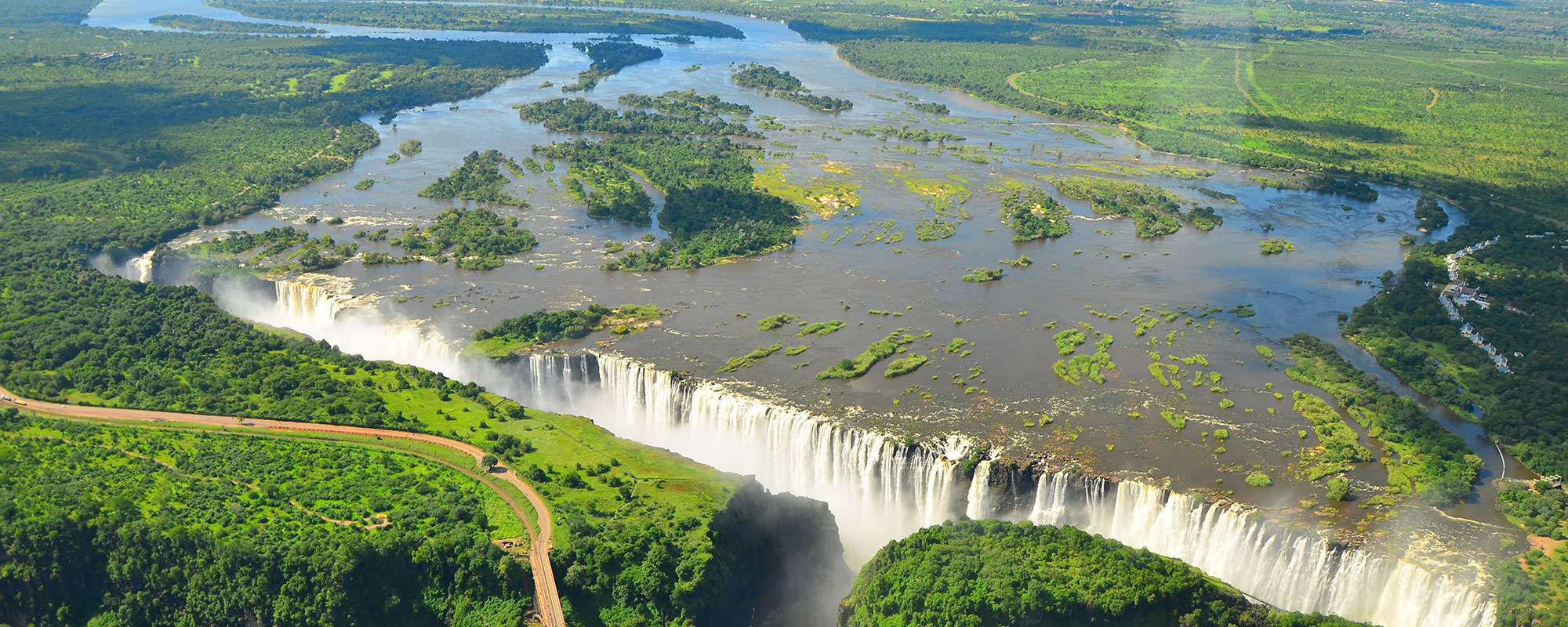
Known locally as Mosi-oa-Tunya, “The Smoke That Thunders,” Victoria Falls is one of the most powerful natural spectacles on earth. Where Zambia’s national parks reward patience and observation, this is a place of immediacy and force—a visceral reminder of scale.
Victoria Falls is not a safari destination. It is a natural anchor: a beginning, an ending, or a pause that reframes everything around it.
Kafue National Park is one of Africa’s largest and least understood safari landscapes. Vast, varied, and lightly visited, it rewards travelers who value diversity, patience, and scale over predictability.
This is not a single park experience—it is several ecosystems stitched together, each with its own rhythm and species mix.
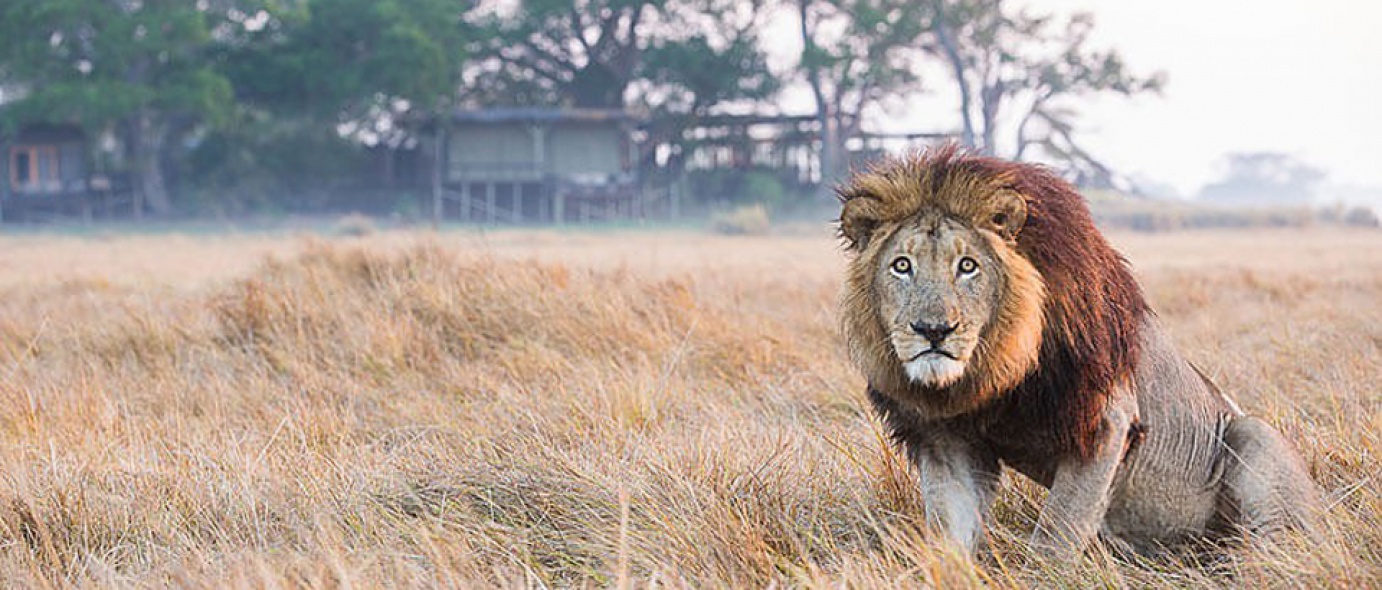
Liuwa Plain National Park is one of Africa’s last truly unmediated wildernesses. Remote, flat, and seasonally transformed by rain, Liuwa offers a safari experience defined by space, patience, and authenticity rather than density or infrastructure.
This is not a place that tries to impress you. It’s a place that reveals itself slowly.
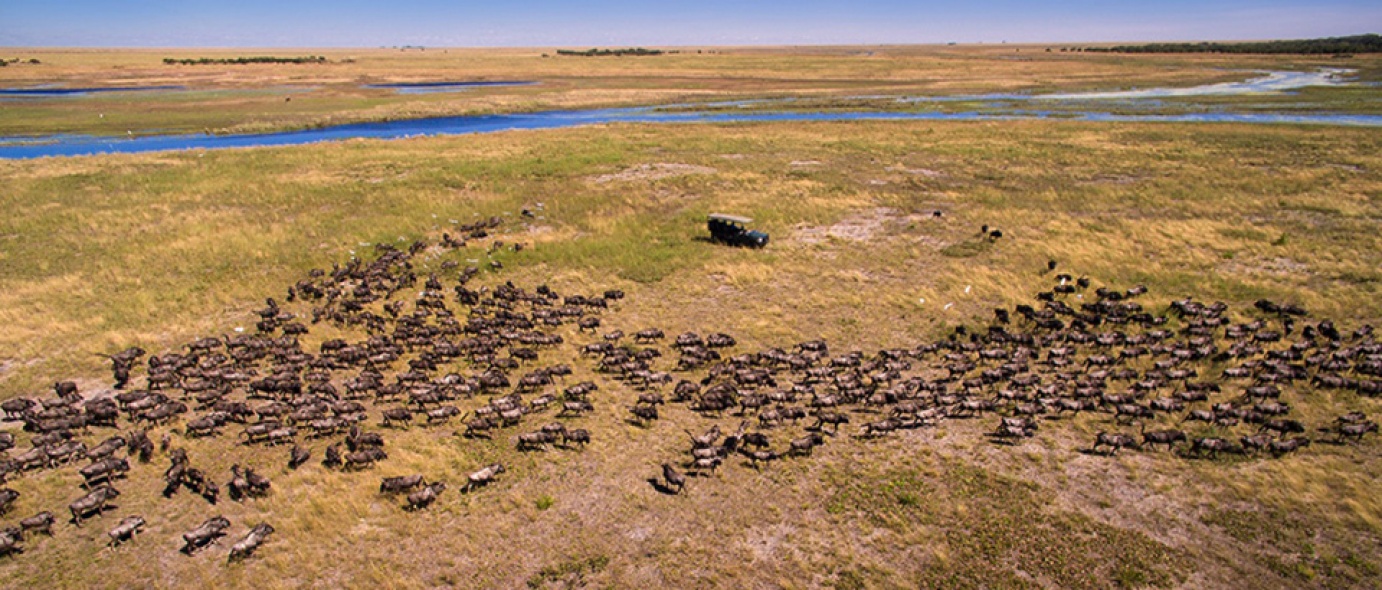
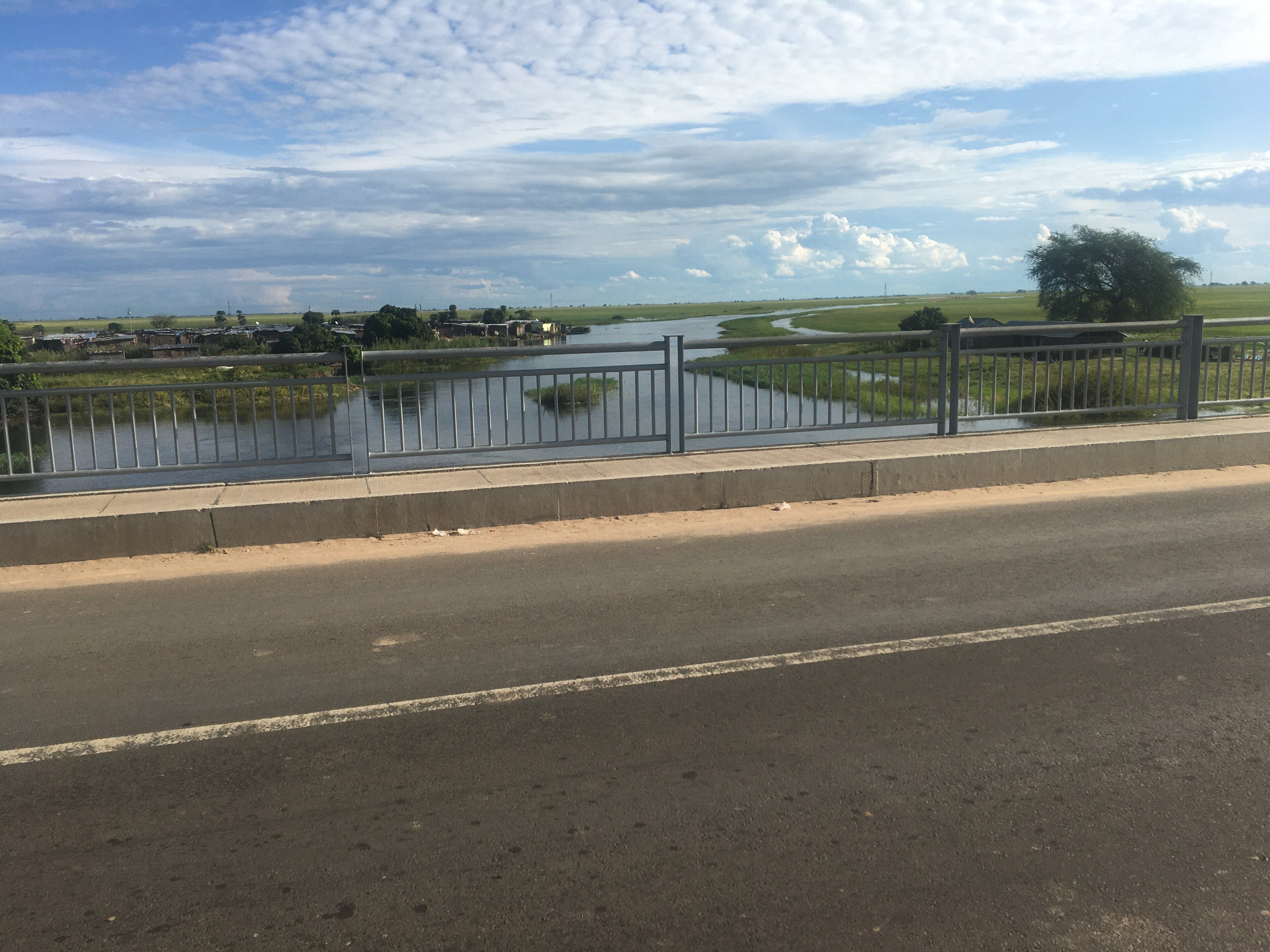
The Bangweulu Wetlands are unlike any other safari destination in Zambia—or Africa. Vast, flat, and seasonally flooded, this is a landscape defined not by predators or density, but by rarity, openness, and ecological purity.
Bangweulu is best known as one of the world’s most reliable places to see the shoebill—but its true value lies in experiencing a wetland system that remains largely unchanged and lightly visited.

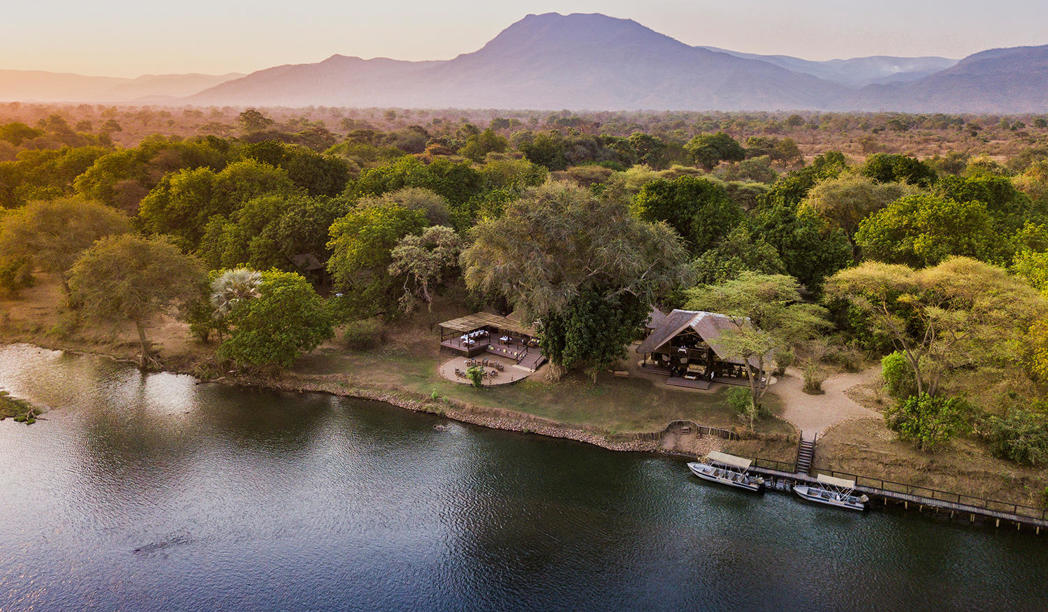
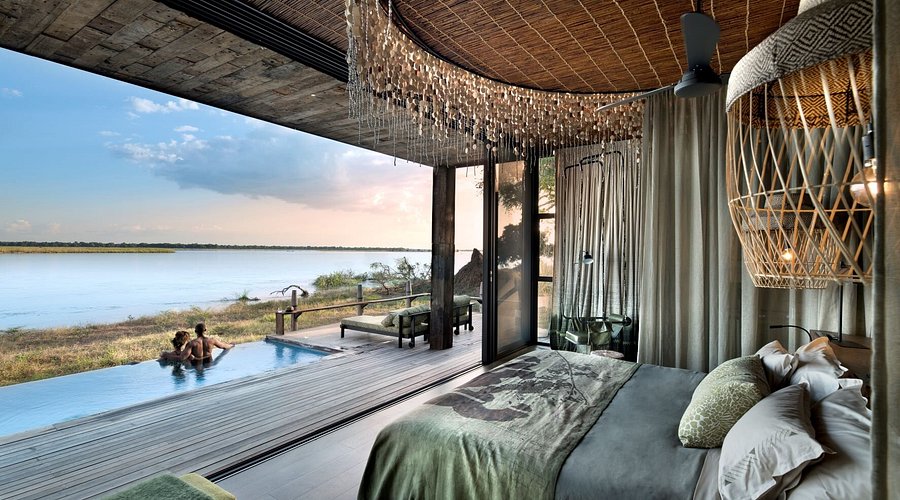
Lower Zambezi National Park offers one of Africa’s most multi-dimensional safari experiences, defined not by density or drama, but by water, light, and flexibility. Set along the northern bank of the Zambezi River, opposite Zimbabwe’s Mana Pools, this is safari experienced from land, water, and foot.
Lower Zambezi is not about spectacle. It is about variety and rhythm.

South Luangwa National Park is one of Africa’s most intellectually satisfying safari destinations. Remote, seasonal, and shaped by the Luangwa River, it is a place where wildlife is encountered on foot as often as from a vehicle, and where predator–prey dynamics play out in close proximity.
This is safari stripped of excess—focused on behavior, movement, and understanding.

Every trip begins with a 20-minute planning call. From there, a $250 planning fee, credited in full toward your booked trip and non-refundable if you don’t book. I brief the property before you arrive — that's what the fee funds. I reply within one business day.
Plan your trip