Best Time to Visit Africa: A Month-by-Month Guide to Safaris, Weather & Wildlife

December 4, 2025
Month-by-month safari timing for Kenya, Uganda, Zambia and Victoria Falls: when the dry, green and shoulder seasons fall, and who each one suits.
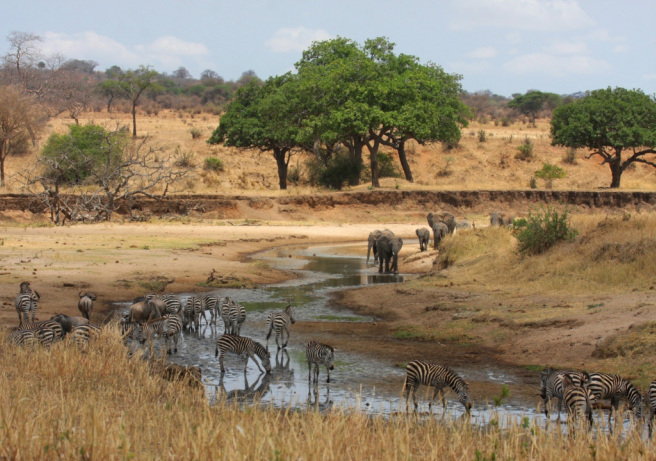
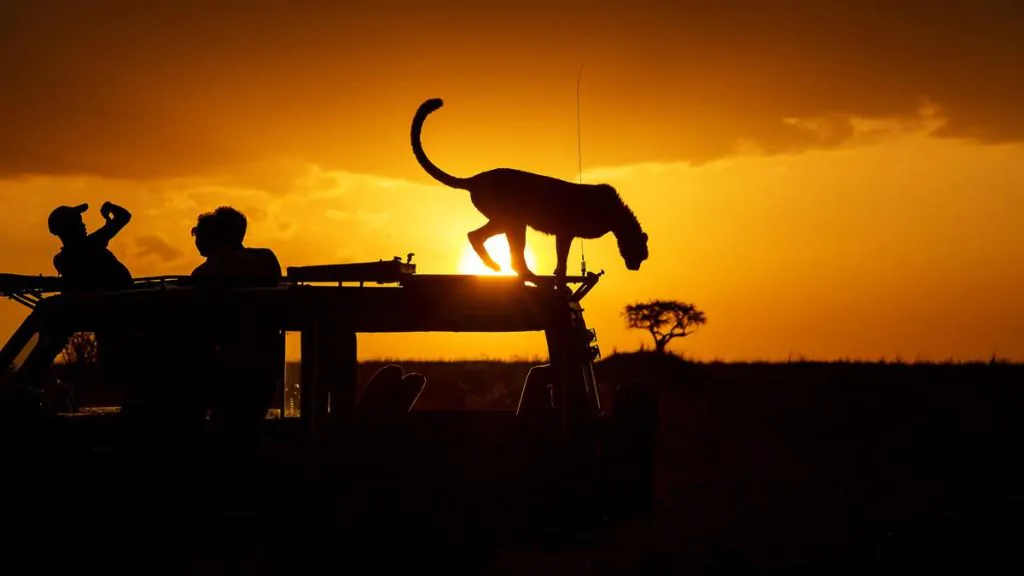
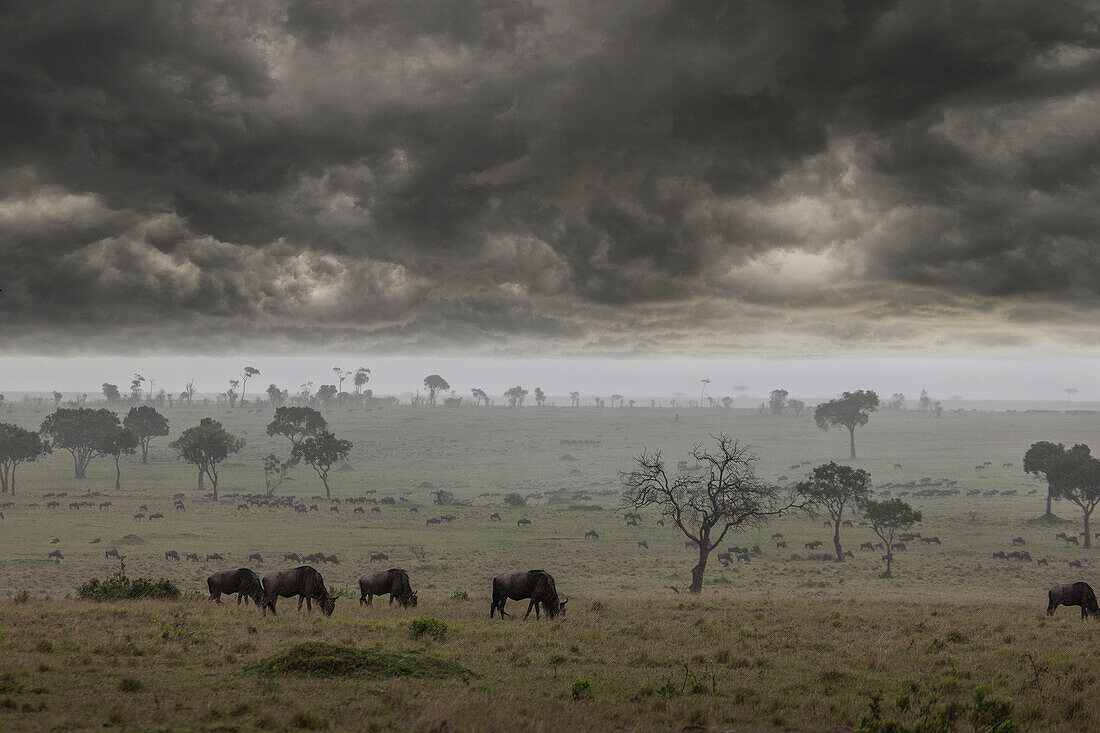
African safari landscape

Introduction

You can go on safari in any month, but each month shows you something different. For the Great Migration in Kenya, gorillas in Uganda, walking safaris in Zambia, or a trip paired with Australia’s southern-hemisphere seasons, timing shapes the trip more than anything else.

Below: the dry, green and shoulder seasons, and when each region peaks.

Understanding Africa’s Seasons

Safari regions run on three seasons, not four:

Dry Season (June–October)

  • Clear skies
  • The best wildlife viewing
  • Sparse vegetation
  • Peak safari months
  • Higher prices, more travelers

Green Season (November–May)

  • Green landscapes
  • Afternoon showers
  • Fewer travelers
  • Lower prices
  • Strong birdlife and newborn animals

Shoulder Season (May–June & October–November)

  • Good value with strong wildlife
  • Some of the most underrated weeks of the year

East Africa (Kenya, Uganda) and Southern Africa (Zambia) fall into these windows differently.

Best Time to Visit Kenya

Kenya works year-round because of its range of ecosystems, from the Maasai Mara to Samburu to the Chyulu Hills.

January–March (Dry Season)

Highlights:

  • Excellent big-cat sightings
  • Calving season (Feb–Mar), with predators close behind
  • Warm, little rain

Best for: Signature Kenya itineraries, Mara conservancies, photography.

April–May (Long Rains)

Kenya's slowest stretch. Some camps close, roads turn to mud and storms can be heavy, but the country is green and the birding is excellent.

Best for: Value travelers and photographers after green-season skies.

June (Shoulder Season)

  • Rains taper off
  • Grass starts thinning
  • Game viewing improves fast

Best for: The migration buildup without peak crowds.

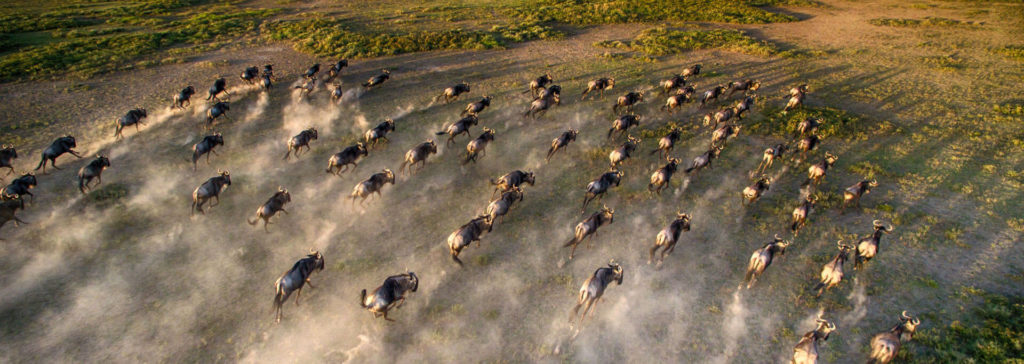
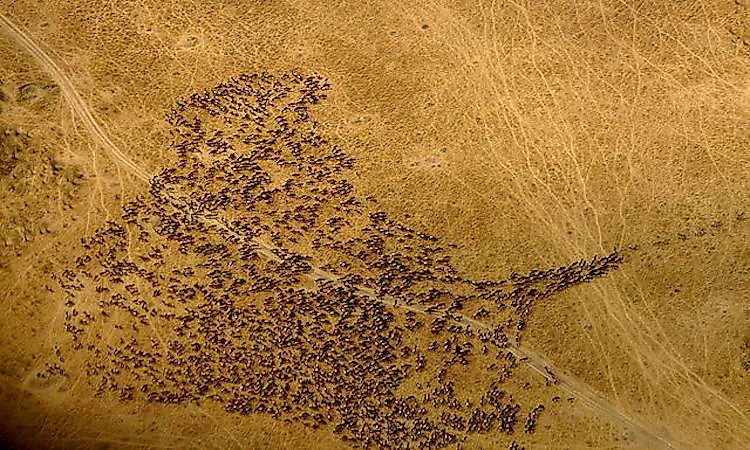
July–October (Great Migration Peak)

The Mara's headline season.

What to expect:

  • Wildebeest crossings (July–September)
  • High predator activity
  • Dry, cool days
  • Higher rates, tight availability

Best for: Big Five itineraries, romantic safaris, family travel.

November–December (Short Rains)

  • Short bursts of rain
  • Green landscapes
  • Fewer tourists
  • Predator viewing stays very good

Best for: Good wildlife at better prices.

Best Time to Visit Uganda (Gorilla Trekking)

Uganda follows rainforest weather, not savanna patterns.

Peak Gorilla Trekking (June–September, December–February)

  • Less rain
  • More predictable trekking
  • Better trails

Green-Season Trekking (March–May, October–November)

  • Fewer travelers
  • Less competition for permits
  • More chance of rain
  • Superb photography conditions

Best for: Travelers who'll take some mud in exchange for a quieter forest.

Best Time to Visit Zambia

Few African countries swing as hard between seasons as Zambia.

June–October (Dry Season / Walking Safari Season)

  • Thin vegetation
  • High predator density
  • Best walking in South Luangwa
  • Best river safaris in the Lower Zambezi
  • Peak-season prices

Best for: Signature Zambia, classic itineraries, first-timers.

November–May (Green Season)

  • Thunderstorms and big skies
  • Thick vegetation
  • Superb birding
  • Calving season
  • Many camps close Jan–Mar

Best for: Photographers, return visitors, value seekers.

Best Time to Visit Victoria Falls

Victoria Falls changes completely with the water level:

High Water (February–July)

  • The falls at full force
  • Maximum spray
  • Tremendous noise
  • Poor visibility from some viewpoints

Low Water (August–December)

  • Clear views of the rock formations
  • Devil’s Pool open (Aug–Jan)
  • Great photography

Best for: Adding to a Zambia itinerary; also pairs well with the Mara and Uganda.

Pick the month by what you most want to see. If you're weighing dates, get in touch and I'll help you choose.

Ready to plan your trip?

Every itinerary begins with a 20-minute planning call. From there, a $250 planning fee, credited in full toward your booked trip and non-refundable if you don’t book. I brief the property before you arrive — that's what the fee funds.

Plan your trip
More from the journal

Back to the Journal
Abstract artistic frame for luxury travel contentAerial view of clear turquoise ocean water and white sand beach, representing a tropical destination.