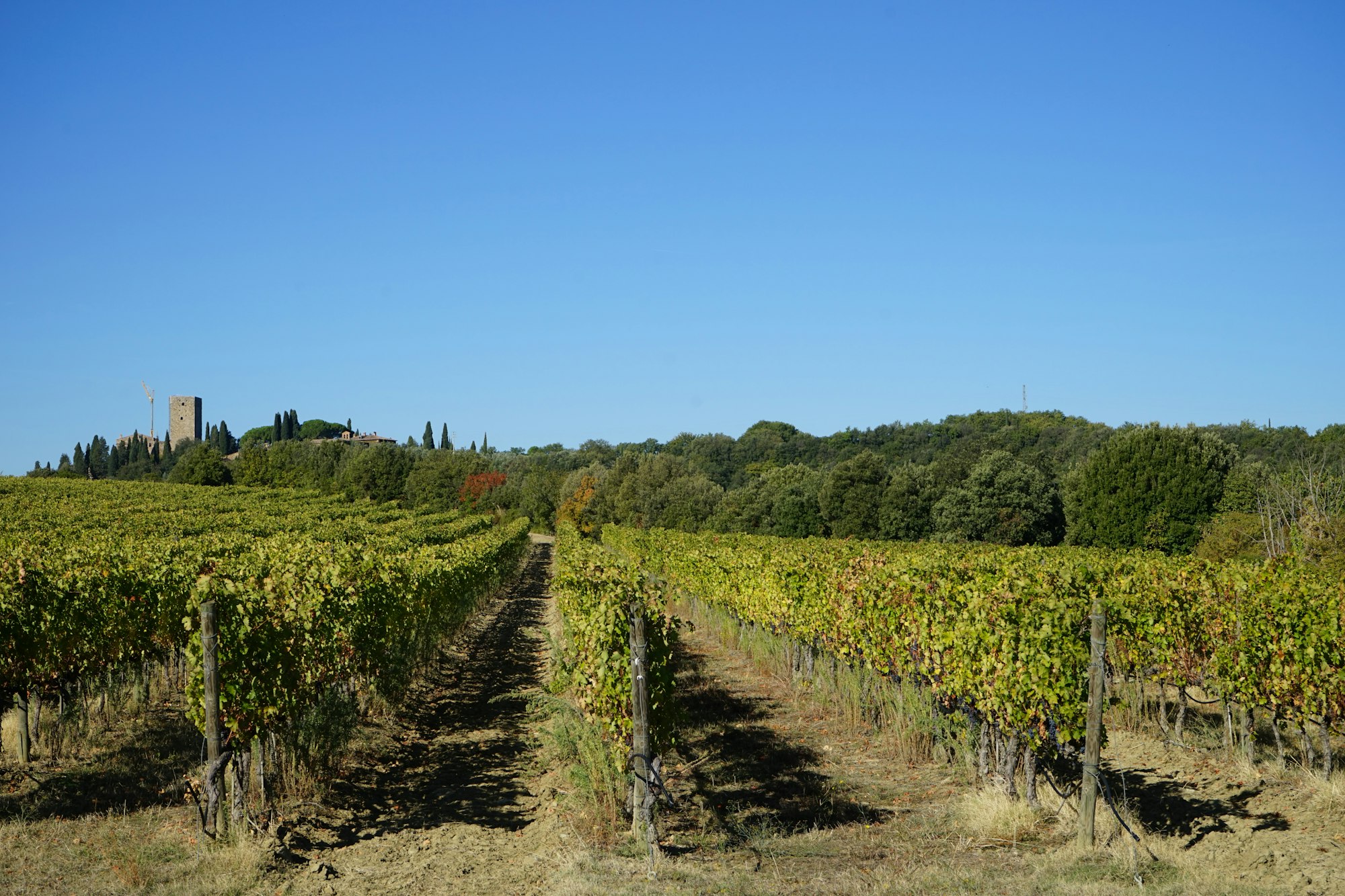
Autumn vineyards and a stone tower near Montalcino, Tuscany. Photo: carlo marzetti / Unsplash

Food, Wine & Culture

Some travelers plan around sights. Ours plan around tables.

Food, Wine & Culture

Some travelers plan around sights. Ours plan around tables. Tuscany's estates and Sicily's kitchens, Lima — quietly one of the world's great food cities — on the way to Machu Picchu, Australia's wine valleys, market mornings and cooking with the family that runs the place. If a trip's success is measured in meals, you're our people.

First, a Few Misconceptions

“A food trip means famous restaurants.”
The meals people describe years later are as often a market stall, a farmhouse kitchen or a counter with eight seats. Famous rooms are part of it. They're not the point.

“You can eat your way through a place in four days.”
Appetite is a resource. One serious meal a day, with the rest of the day built around markets, producers and wandering, beats three tasting menus in a row — by day three, nobody's enjoying the third.

“Wine country is for experts.”
Estates would rather pour for the curious than the credentialed. What helps is a driver, a sensible number of tastings, and lunch treated as an event rather than a gap between pours.

“Culture means museums.”
Sometimes. It also means a cooking lesson in someone's home, a festival the town throws for itself, a workshop where the craft is still a living. I plan for both kinds.

Start With How You Like to Eat

Before I suggest a single destination, I ask:

  • Do you plan days around meals, or fit meals around days?
  • Markets and street stalls, or white tablecloths — or the honest answer, both?
  • Would you rather cook with someone or be cooked for?
  • Is wine a subject of its own, or the supporting act?
  • How much of the trip should food organize — a theme, or the whole architecture?

The answers point to very different trips. All of them are good trips.

Where I Send People Who Travel to Eat

Italy

The Country That Organizes Itself Around Lunch

Italy is the deepest food trip I plan, because the cooking changes every hundred miles and each region insists its version is the correct one.

  • Emilia-Romagna for the source code: Parma, Modena and Bologna — pasta, Parmigiano and balsamic where they're actually from
  • Tuscany for estates and agriturismi, where lunch is made from the farm you're sitting on
  • Sicily for the layered version — Greek, Arab and Norman influences on one plate
  • Puglia for masseria kitchens and olive oil older than the buildings

The trick is restraint: pick two regions, eat them properly, and leave the rest for the next trip you'll inevitably plan on the flight home.

South Africa

The Winelands, and Cape Town's Table

The most underrated food trip on this list. The Cape Winelands pair serious wine with farm-to-table cooking, and Cape Town eats far above its reputation.

  • Franschhoek and Stellenbosch for estate lunches that become the day's main event
  • Farm stalls and tasting rooms between the vines
  • Cape Town for the variety — Cape Malay cooking, seafood, and a restaurant scene that keeps getting better
  • A safari at the end, if you want one, with camp kitchens that are better than they need to be

It pairs naturally with a safari, which makes it the easiest food trip to justify to a travel partner who claims not to care about food.

Peru

Lima First, Then the Andes

Lima is quietly one of the world's great food cities, and most people fly through it on the way to Machu Picchu. I plan it the other way: eat in Lima first, then let food carry you into the culture as you travel.

  • Two or three days in Lima for the restaurants and markets before going anywhere else
  • Market tours with a cook, so the ingredients make sense before they're on your plate
  • The Sacred Valley for Andean ingredients — potatoes in numbers you won't believe, corn, quinoa — cooked where they grow
  • Cooking classes hosted by families, not performed by staff

In Peru, food isn't a break from the sightseeing. It's how the country explains itself.

Japan

Precision as a Form of Hospitality

Japan rewards travelers who take food seriously, because Japan takes it more seriously than anywhere. Every specialty has a master, a counter, and a correct way to eat what's put in front of you.

  • Tokyo for the counters — sushi, tempura, ramen — each a small room devoted to one thing
  • Kyoto for kaiseki, where dinner is a sequence of small arguments for the season
  • Market mornings: Nishiki in Kyoto, and the outer market in Tokyo before the city wakes
  • A sake brewery or a tea house, to see the same precision in drink

The planning caveat: the best small rooms book out and take reservations seriously. This is a trip to build well ahead — which is exactly the kind I like building.

How a Food Trip Gets Built

  • Anchor reservations first; the days are built around them, not the reverse
  • One big meal a day, maximum — appetite is the itinerary's real constraint
  • Markets early, while they're for locals and not yet for visitors
  • At least one session cooking with the people who run the place
  • Unscheduled time left deliberately empty, because the best food find is usually the unplanned one

Plan this trip with us

Ready to plan your trip?

Every itinerary begins with a 20-minute planning call. From there, a $250 planning fee, credited in full toward your booked trip and non-refundable if you don’t book. I brief the property before you arrive — that's what the fee funds.

Plan your trip


Abstract artistic frame for luxury travel contentAerial view of clear turquoise ocean water and white sand beach, representing a tropical destination.