Where to Go in 2026: My Picks
My 2026 picks: Uganda, Kenya, Australia and Zambia, plus Guyana and Northern Albania. Places that cap visitor numbers and still feel wild if you plan them well.
Read

Australia tends to be sold on its icons: the famous reef, the well-known outback landmarks, cities that feel familiar. For travelers who care about nature and wildlife, the best of the country is well away from those routes. Out there, luxury means access, space and solitude, in places that feel untouched, with guides who know them well.
Here are nine wild places in Australia that rarely make the brochures.
Often overlooked in favor of mainland destinations, Kangaroo Island is still one of Australia’s richest wildlife areas.
Why it stands out:
It is easy to reach and still properly wild, which makes it a good choice if you want wildlife without complicated logistics.
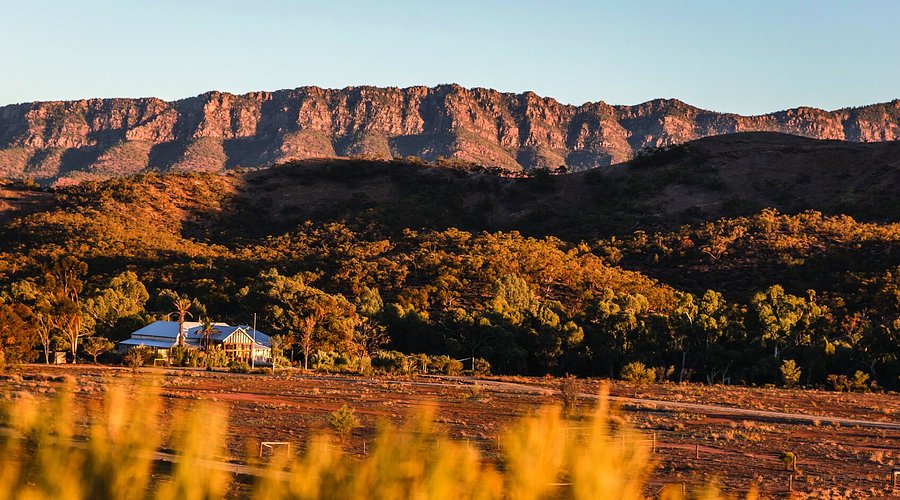
Among the oldest mountain ranges on earth, and still little known outside Australia.
What sets them apart:
One of the last great wilderness regions on the planet.
Why it’s special:
The Kimberley is not easy to get to, and for nature lovers that is a large part of the appeal.
Few places in Australia ask for more respect from visitors, or teach them more, than Arnhem Land.
What defines it:
You travel here by permission, and you go to learn.
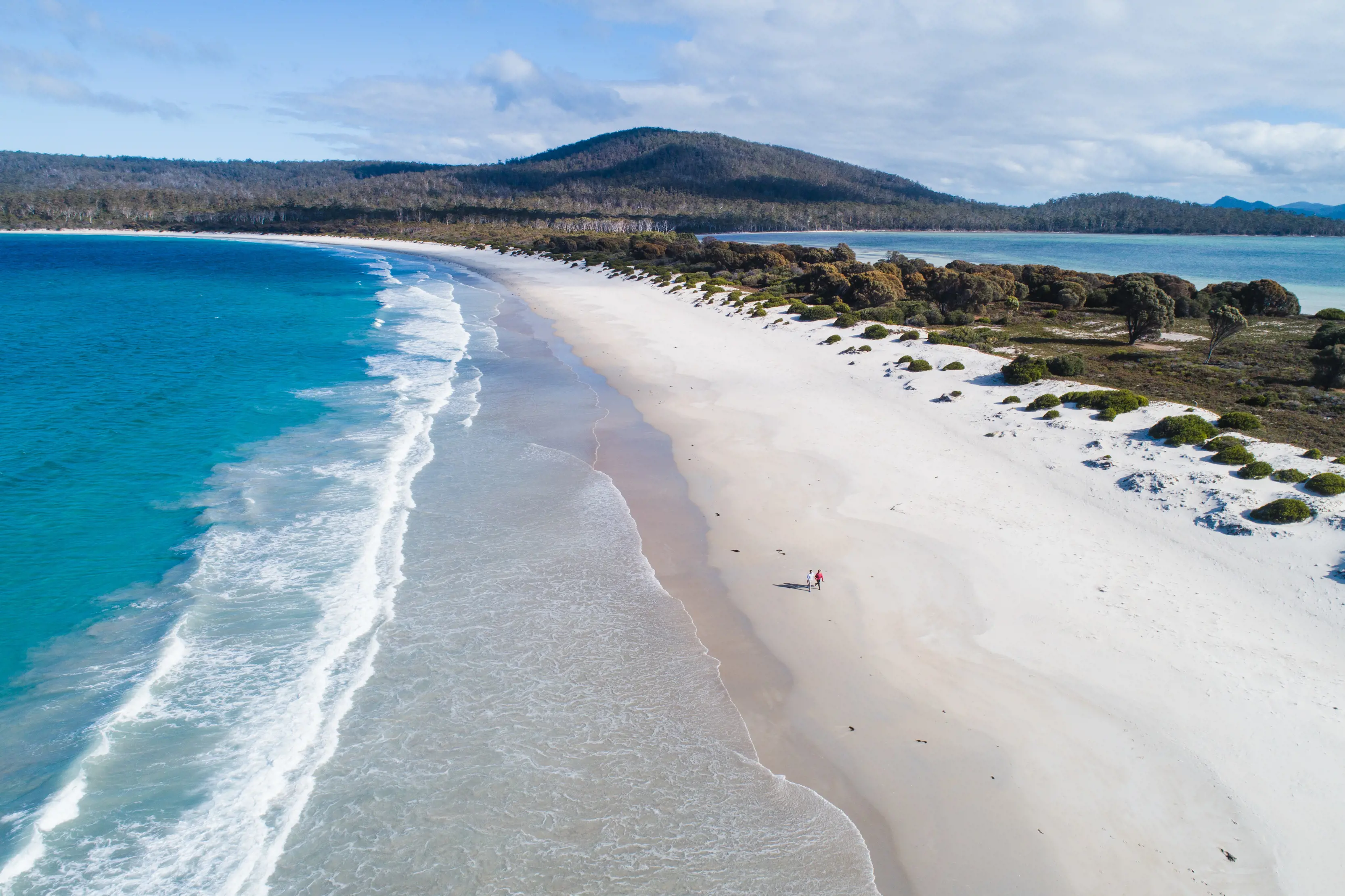
Maria Island is less a destination than a protected conservation experiment.
Why go:
If you want to see conservation happening rather than read about it, this is the place.
One of the largest remaining tracts of temperate rainforest on Earth.
What makes it remarkable:
A good fit for travelers drawn to forests, rivers and long silences.
Far from Queensland's reef image is the Gulf Savannah, a vast seasonal wilderness shaped by water.
Why go:
It feels more like Africa than Australia, without the crowds.
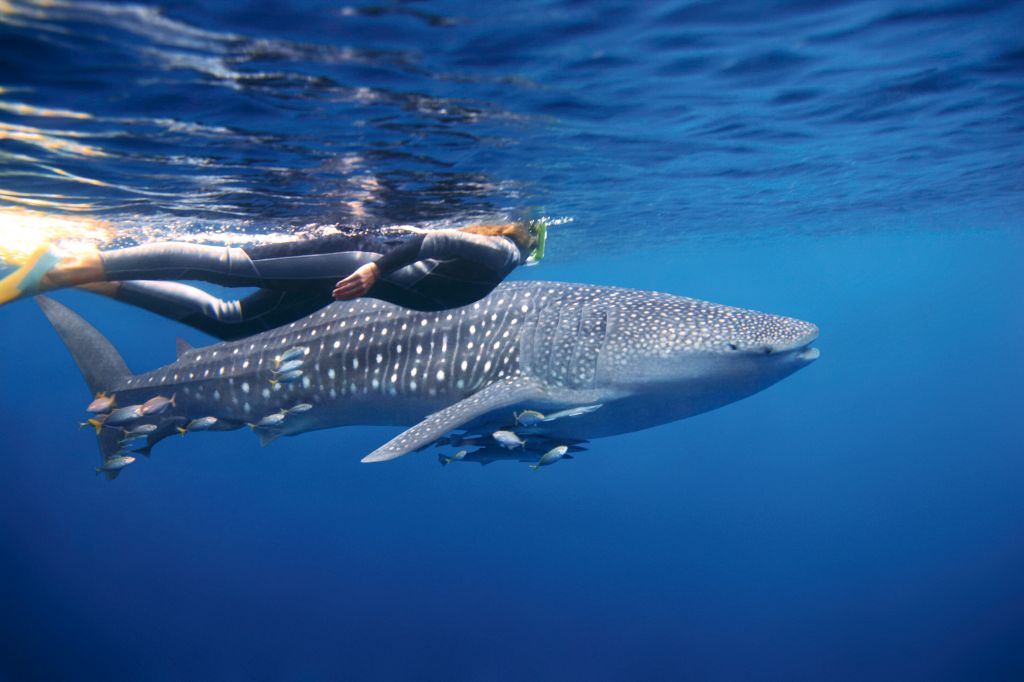
Ningaloo is famous for whale sharks, but most visitors ignore what lies inland.
Why go further:
Seasonal rains turn the Channel Country's dry land into a network of waterways.
Why it matters:
Australia doesn't deliver wildlife on demand. It suits travelers who:
Plan it well and it is one of the most varied and interesting wildlife destinations in the world.
The distances in Australia make careful planning important. I focus on:
If your idea of luxury involves wild places, solitude and understanding the land you're moving through, Australia belongs on your list.
Explore Luxury Adventure Trips
Is Australia suitable for luxury nature travel?
Yes. It has varied wildlife, vast protected landscapes and very good lodges, often without crowds.
Is Australia a good alternative to an African safari?
For many travelers, yes. The wildlife is excellent, the infrastructure familiar and the range of ecosystems remarkable.
When is the best time to travel to wild Australia?
It depends on the region. Getting the season right matters a great deal.
How far in advance should trips be planned?
Ideally 6–12 months ahead for remote lodges and seasonal access.
Australia doesn't reveal itself quickly. It rewards travelers who go past the obvious and follow the seasons. If that sounds like your kind of trip, I would be glad to plan and book it for you as an independent advisor.
Every itinerary begins with a 20-minute planning call. From there, a $250 planning fee, credited in full toward your booked trip and non-refundable if you don’t book. I brief the property before you arrive — that's what the fee funds.
Plan your trip