
.svg)
Where to Go in 2026: Our Expert Picks
Our 2026 picks: Uganda, Kenya, Australia and Zambia, plus Guyana and Northern Albania. Places that cap visitor numbers and still feel wild if you plan them well.
Discover
Once you have decided on a safari, the next question is where. Tanzania, Botswana, Rwanda and South Africa are four of the best answers, and they are very different trips. Here is what each does best, when to go, how long to stay and who it suits, plus how they fit together.
Tanzania is the place for scale. The Serengeti covers 14,763 km², and most people come for the wildebeest migration, around 1.5 million wildebeest and 250,000 zebra moving through the ecosystem over the year.
Most first trips follow the northern circuit: elephants in Tarangire, a day on the floor of the Ngorongoro Crater for lion, buffalo and black rhino, then the Serengeti. The shorter legs are by road, and you fly by light aircraft once the distances get big. Private land such as the Grumeti Reserve adds guided walks and fewer vehicles.
The herds follow the rain, so where you stay should follow the month. Calving on the southern plains around Ndutu usually peaks around February. From about July to October the herds are in the far north, near the Mara River crossings, which are never guaranteed. Plan on nine or ten nights for the full northern circuit, with at least three or four in the Serengeti, split between two camps if you can.
Lamai Serengeti is the camp for the crossing season in the far north. Singita Sasakwa Lodge sits above the Grumeti Reserve, and The Highlands is a quieter base in the Ngorongoro highlands.
Best for: first-time safari travelers who want the classic African plains, the migration and the Crater in one trip, and families with children old enough for long game drives. See our Tanzania itinerary for how the northern circuit fits together.
Botswana is a different kind of safari. The Okavango Delta is a vast inland delta where the Okavango River spreads out into the Kalahari and never reaches the sea. Its floodwater arrives in the dry season, months after the rain falls in Angola.
Camps are small and spread across private concessions and Moremi Game Reserve. You move between them in light aircraft, with luggage typically limited to about 20 kg in a soft bag. Water camps focus on mokoro and boat trips through the channels. Land camps focus on game drives, and many private concessions also allow walking and night drives. The best trips pair one of each.
June to October is the peak season, when the flood is in and wildlife gathers around permanent water. December to March is the green season, with lower rates, newborn antelope and summer birds. Give each camp three nights if you can, so a Delta trip is usually six nights, plus two on the Chobe River for its elephants.
Wilderness Mombo on Chief's Island is a land camp known for big herds and the predators that follow them. Jao Camp in the western Delta is our pick for mokoro and boat trips in high water. On the Chobe, Chobe Game Lodge is the only permanent lodge on the riverbank inside the park.
Best for: couples and repeat safari travelers who want small camps, few vehicles and wildlife seen from the water as well as the road. Our Botswana itinerary covers a water camp, a land camp, the Chobe River and Victoria Falls.
Rwanda is the easiest place in Africa to see mountain gorillas. Volcanoes National Park is only about two and a half to three hours by road from Kigali's international airport, so a gorilla trek can fit into a few days.
This is trekking, not game driving. Twelve gorilla families in the park are habituated for tourism, and eight permits are issued per family each day, so groups never exceed eight people. Treks can take anywhere from one to several hours over steep, muddy ground, and once you find the family you have one hour with them. The minimum age is 15. According to the Rwanda Development Board, a gorilla permit currently costs US$1,500 per person. Permits for June, July and Christmas sell out early.
Rwanda has more than gorillas, though. Golden monkeys live in the bamboo on the lower slopes of the volcanoes, Nyungwe National Park has chimpanzees and forest hiking, and Akagera National Park is a savanna park with all of the Big Five again.
Rwanda works all year. The drier months, June to September and December to February, make for easier trails. Three nights near Volcanoes gives you two treks or a spare day for golden monkeys or bad weather. Add two nights in Akagera for a full trip of about a week.
Wilderness Bisate Lodge has six villas in a volcanic bowl facing Bisoke, Karisimbi and Mikeno. Singita Kwitonda Lodge sits on the park edge and is the very top of the market. One&Only Gorilla's Nest is the most resort-like, with a spa and heated pool.
Best for: travelers with limited time, anyone who has done a classic safari and wants something new, and families with teenagers aged 15 or over. Our Rwanda itinerary combines two gorilla treks with golden monkeys and Akagera.
South Africa is the easiest country to combine a proper safari with a city, wine country and good food. The safari side is built around private reserves next to Kruger National Park.
The Sabi Sand Game Reserve shares an unfenced boundary of roughly 50 kilometers with Kruger, so animals move freely between the two. Only lodge guests can drive there, and rangers can go off-road to follow animals, so sightings are closer and quieter than on Kruger's public roads. It is one of the best places in Africa to see leopard.
Then there is the Cape. Cape Town has Table Mountain, the Cape Peninsula and the penguins at Boulders Beach, and the Cape Winelands around Stellenbosch and Franschhoek are an hour or less from the airport.
Timing is the one tricky part. Cape Town is at its best in the southern summer, roughly November to March, while the bush is best in the dry winter, May to October. April, May, September and October give you a good balance. Three nights in Cape Town, two in the Winelands and three or four in the Sabi Sand makes a ten-day trip.
Ellerman House in Bantry Bay is a small, quiet hotel with a serious art collection. La Residence is a colorful, very personal Winelands stay. In the Sabi Sand, Londolozi Varty Camp suits families and first-timers, and Singita Boulders Lodge suits couples who want a polished, private safari.
Best for: first-time visitors to Africa, food and wine lovers, and families who want a safari without spending every day in the bush. Our South Africa itinerary puts all three together.
You do not have to choose only one. A few pairings we plan often:
For timing across all of them, see our month-by-month safari guide.
If you would like help choosing or combining these countries, get in touch.
Every itinerary begins with a conversation. Tell us what you're dreaming of, and we'll design a journey tailored entirely to you.
Plan Your Trip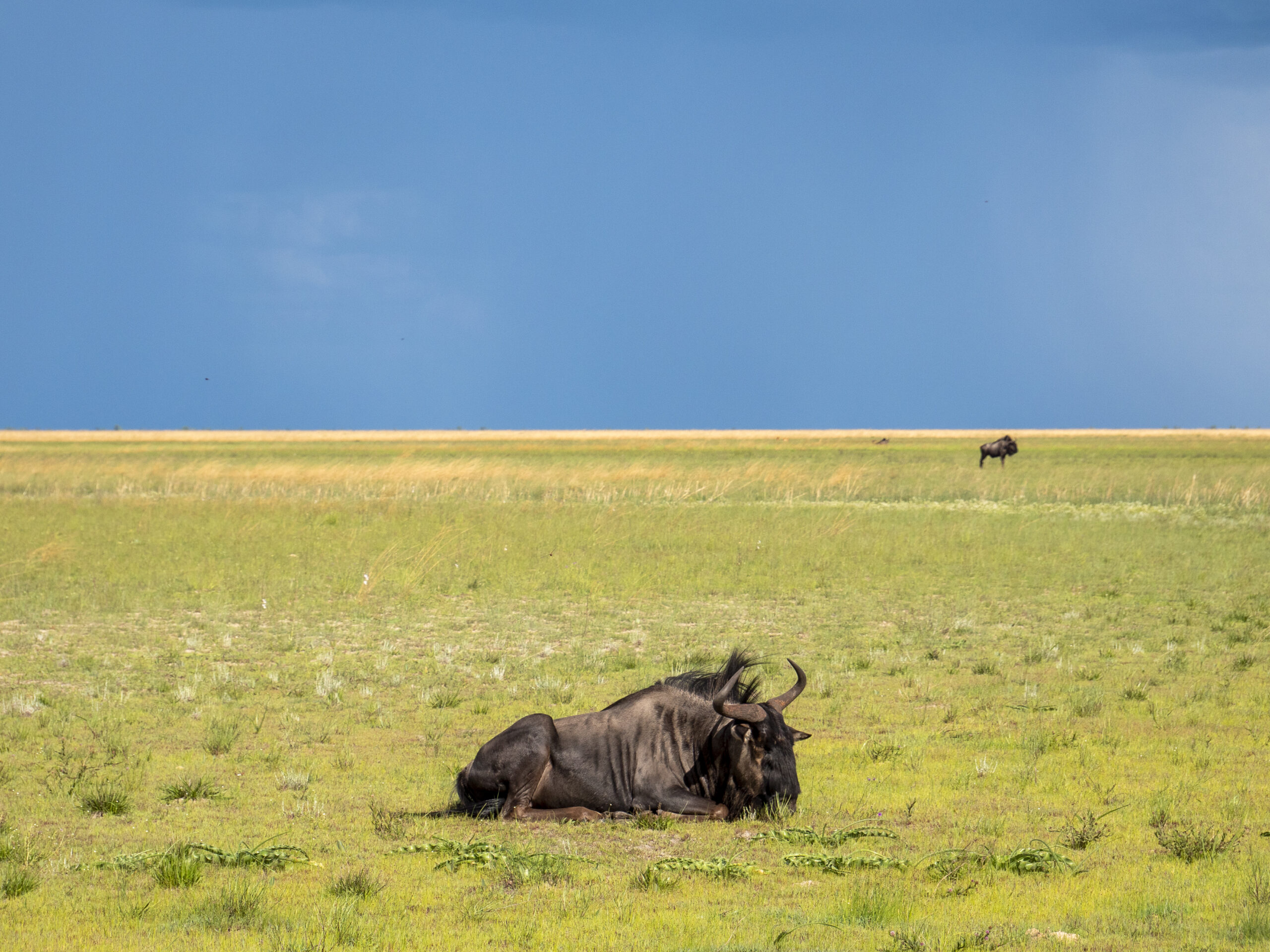


.svg)