Every intinerary begins with a conversation. Tell us what you're dreaming of, and we'll design a journey tailored entirely to you.
Take the Next StepsKnown locally as Mosi-oa-Tunya, “The Smoke That Thunders,” Victoria Falls is one of the most powerful natural spectacles on earth. Where Zambia’s national parks reward patience and observation, this is a place of immediacy and force—a visceral reminder of scale.
Victoria Falls is not a safari destination. It is a natural anchor: a beginning, an ending, or a pause that reframes everything around it.
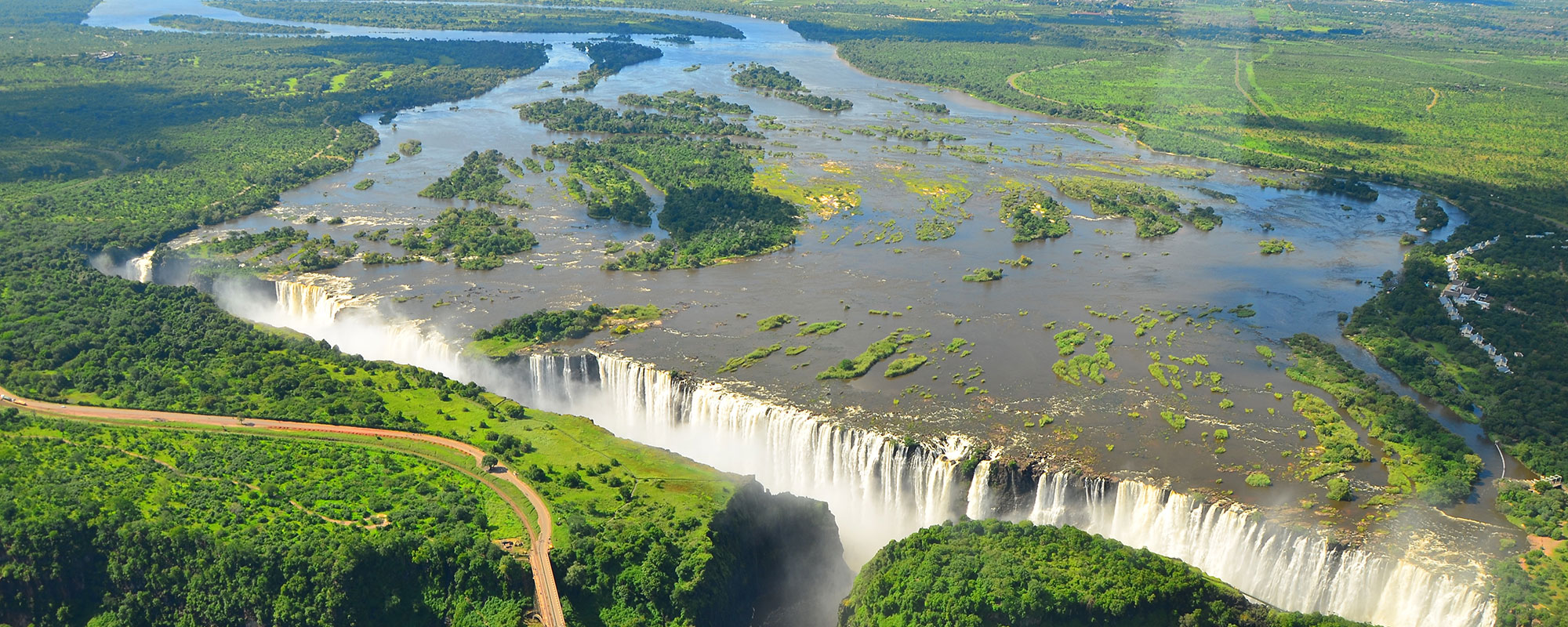
Victoria Falls exists because the Zambezi River is forced through a narrow basalt cleft, plunging more than 100 meters into a zigzagging gorge system. The result is not just a waterfall, but an event—defined by sound, spray, and constant motion.
The experience changes dramatically by season:
Either way, the falls are felt as much as seen.
Victoria Falls rewards being approached from multiple angles.
On foot, rainforest trails along the Zambian side bring you close enough to feel the spray and hear the thunder reverberate through the gorge. From the air, helicopter flights reveal the full width of the falls and the downstream gorges carved by centuries of force. On the river above the falls, the Zambezi is calm—wildlife drifts along the banks, and the presence of the falls is sensed rather than seen.
This contrast is what makes Victoria Falls such a powerful counterpoint to safari.
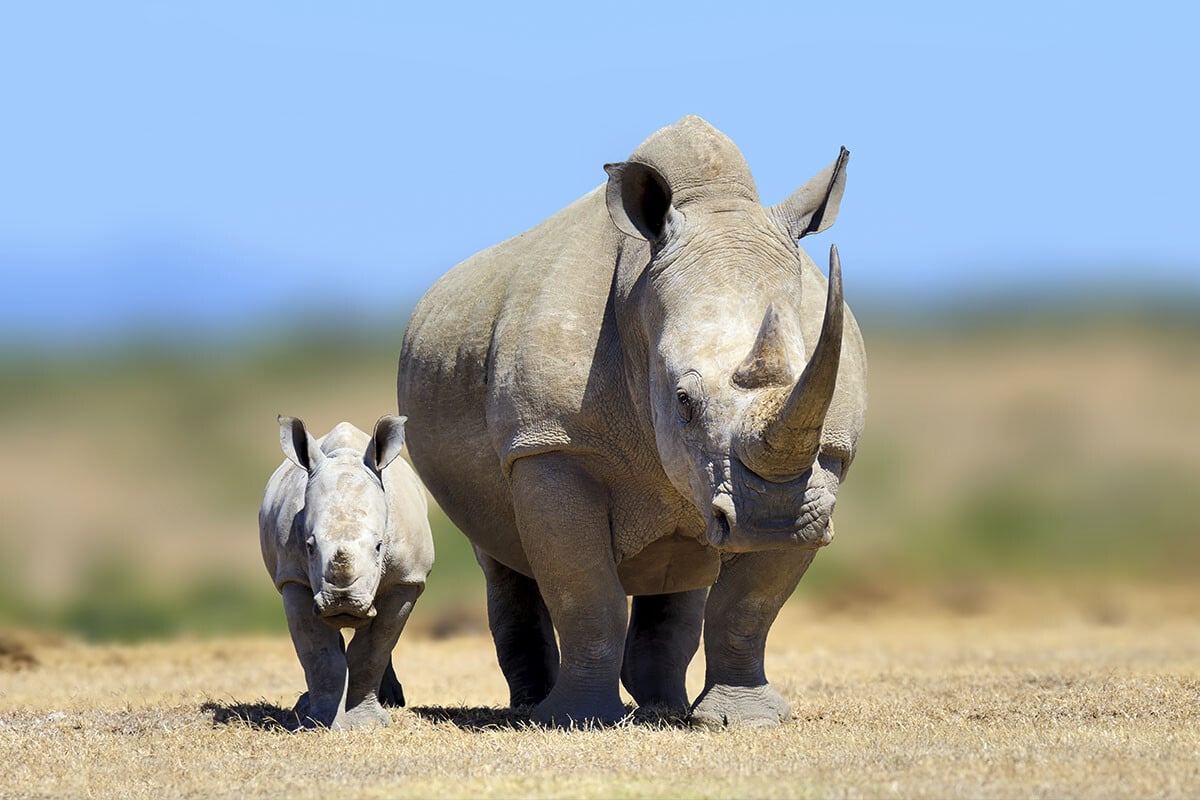
Mosi-oa-Tunya National Park itself is small, but the Zambezi River corridor supports meaningful wildlife movement.
Elephants, buffalo, and plains game move along the riverbanks, and birdlife is constant. These encounters are contextual rather than immersive—best understood as part of the river system rather than a standalone wildlife destination.
At Victoria Falls, the right lodge should soften the edges of the spectacle, offering calm, privacy, and a sense of place away from crowds.
Thorntree sits directly on the Zambezi, upstream from the falls, and offers a modern, design-forward base with strong river access. It works particularly well for travelers pairing Victoria Falls with Lower Zambezi or South Luangwa, providing continuity in style and guiding philosophy.
Tongabezi is one of the Zambezi’s original great lodges, known for its warmth, individuality, and riverfront setting. It suits travelers who value atmosphere and intimacy over polish, and it remains one of the most characterful places to stay near the falls.
Located farther upstream, Royal Chundu offers seclusion and space, with villas set along the river and on a private island. This is our preferred option for travelers who want distance from the activity of the falls, using Victoria Falls as a gentle bookend rather than a focal point.
Each of these properties frames Victoria Falls differently—but all prioritize calm, access to the river, and a sense of transition.
We use Victoria Falls deliberately.
It works best as:
Ideal for:
Less ideal for:
Victoria Falls is not about subtlety or discovery.
It is about presence.
We include it when a journey needs punctuation—something that reminds travelers just how powerful the natural world can be when it asserts itself all at once.
Mammals
Primates
Birdlife (Zambezi riverine specialists)
Reptiles
Every intinerary begins with a conversation. Tell us what you're dreaming of, and we'll design a journey tailored entirely to you.
Take the Next Steps


.svg)