Where to Go in 2026: My Picks
My 2026 picks: Uganda, Kenya, Australia and Zambia, plus Guyana and Northern Albania. Places that cap visitor numbers and still feel wild if you plan them well.
Read
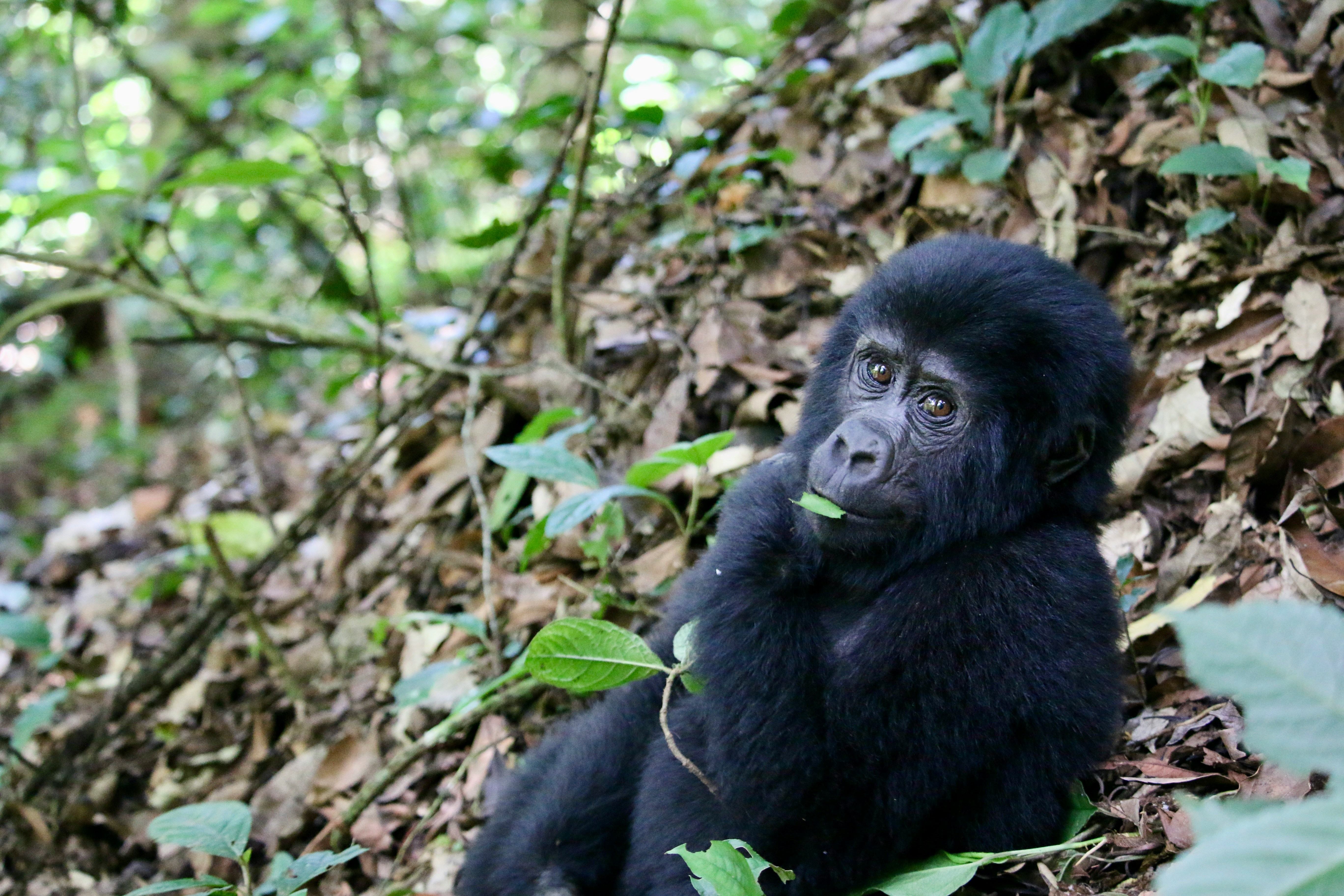
A Uganda gorilla trip is priced like a safari with a permit at its centre. The permit is $800 per person per trek, set by the Uganda Wildlife Authority, and most people trek twice. The standard build — Entebbe or Kigali in, two gorilla treks in Bwindi, and savanna nights in Queen Elizabeth or chimp time in Kibale — runs $10,000–$18,000+ per person, of which the permits themselves are $1,600 per person for the two treks, before a single night is booked. The rest of the total is the same stack as any safari in this series: the lodge, the season, and how you move through a hilly country where the road days are long. What Uganda buys you that Rwanda doesn't is a full safari wrapped around the trek: chimps, tree-climbing lions' country and a channel full of hippos, in the same trip.
Permit prices below are the Uganda Wildlife Authority's published tariff as of October 2026. Everything else on a Uganda trip is bespoke and quoted as a range for your dates. Confirm current figures with me.
Uganda's gorilla permit is $800 per person per trek for foreign non-residents, set by the Uganda Wildlife Authority, identical whoever you book with, paid in full at booking, and the item the whole trip is scheduled around. For comparison, Rwanda's permit is $1,500. The two countries price their permits differently because the experiences are different, and my Rwanda or Uganda comparison does that analysis properly. The mechanics match Rwanda's: one hour with a habituated family once you find them, small trekking groups, and a minimum age of 15. Most people trek twice. The first trek is emotion; the second is when you put the camera down. Two treks means two permits, and the trip is built backwards from the permit dates.
A gorilla trip is built around its permits, which is why they come first above. Everything else on the bill moves with the decisions below.
The permit price does not move; it is the same in January as in July. What the month moves is the lodge rate and the trekking itself. The drier windows, June to September and December to February, mean firmer trails and the firmest demand. The wetter months bring lower lodge rates and a greener, quieter forest, and the trade-off is honest: steep, slippery trails and heavy showers, with treks running daily regardless. In April, May and November the Uganda Wildlife Authority also sells a reduced permit at $600; it cannot be rescheduled, so it suits dates that are already fixed. Season here is a comfort and availability lever, not a permit lever. My post on the case against peak season explains the thinking.
Bwindi is not one place. It is four trekking sectors, and where you sleep decides both the rate and the walk. Buhoma is the established sector with the deepest lodge bench; Ruhija and Nkuringo are steeper, higher and quieter, and the views are the compensation. The top of the market is a small set of forest lodges at the park edge. For the Queen Elizabeth pairing, Kyambura Gorge Lodge is the one place in this trip I can speak about first-hand, and that page says it better than this one can. Uganda's version of the new-entrant point: the lodge set here is smaller and younger than Rwanda's, and a recently opened lodge at a proven sector gate is the insider window.
Uganda's distances are the trip's hidden cost. The drive from Entebbe to Bwindi consumes a full day each way; the scheduled domestic flights to the Kihihi and Kisoro airstrips buy those days back and put the money into nights instead of road. Scheduled internal flights are the standard smart architecture. A private vehicle and driver-guide for the whole circuit is the ground alternative, slower, and the right call only if the road days are part of the trip for you.
Beyond the gorilla permit: chimpanzee tracking in Kibale, the longer gorilla habituation experience above the standard trek ($1,500 per person in 2026, rising to $1,800 from 2027), and national-park entry across Queen Elizabeth and any other parks on the routing. Each is set by the authority, none is discounted, and they stack per person per day. A primate-heavy itinerary carries a fees line a pure savanna trip doesn't.
Trekking is on foot, so there is no vehicle line on the trek itself. Uganda's equivalent of my standing recommendation is twofold. First, a private driver-guide for the savanna and transfer legs: Queen Elizabeth's game drives run like any safari's, and a private game-drive vehicle there typically runs $500 to $600 per day, with the same logic as everywhere in this series, your departure times, your sightings, your pace. Second, porters on the trek. Hired at the trailhead, they carry your bag, steady you on the steep sections, and put trek money directly into the villages at the park edge. I recommend both; porters are paid locally.
Top tier is the small set of forest lodges at the Bwindi park edge, priced for their position and their scarcity. High-end is the wider bench of comfortable lodges in Buhoma and around Queen Elizabeth and Kibale. Per-night rates move with the sector and the season, and I quote them for your dates rather than print a table that will be wrong by the time you read it.
Two treks, not one. Fly at least one of the long legs. Pair Bwindi with Queen Elizabeth or Kibale rather than flying in and out for the gorillas alone: the savanna and the chimps are what make this Uganda rather than a shorter Rwanda.
Gorilla permits sell out six to twelve months ahead, no exceptions. Permits by March for the dry season, or we plan around what's left.
How much is a Uganda gorilla permit? $800 per person per trek for foreign non-residents, set by the Uganda Wildlife Authority and paid in full at booking. A reduced $600 permit applies to April, May and November treks and cannot be rescheduled.
Uganda or Rwanda for gorillas: which costs more, and why? Rwanda's permit is $1,500 against Uganda's $800, and the experiences differ: Uganda's forest is wilder, the treks longer and rougher, and a full safari wraps around them. My comparison post weighs the two properly.
How many treks should I plan for? Two. A second permit costs far less than a second trip, and the second trek is the one you will remember.
When do I need to book? Permits sell out six to twelve months ahead. By March for the dry season.
For sample routes, see my Signature Uganda and Ultimate Uganda itineraries, and my Uganda guide. The companion cost guides cover gorilla trekking in Rwanda, Kenya, Tanzania and Botswana, and what drives the cost of a safari sets out the five decisions behind all of them.
Plan this trip with us. $250 planning fee, credited in full toward your trip.
Every itinerary begins with a 20-minute planning call. From there, a $250 planning fee, credited in full toward your booked trip and non-refundable if you don’t book. I brief the property before you arrive — that's what the fee funds.
Plan your trip