
.svg)
Luxury Australia for Nature Lovers: 9 Wild Places You’ve Never Heard Of
Nine wild corners of Australia that rarely make the brochures, from the Kimberley and Arnhem Land to the Tarkine and Channel Country, and how to time a trip to them.
Read
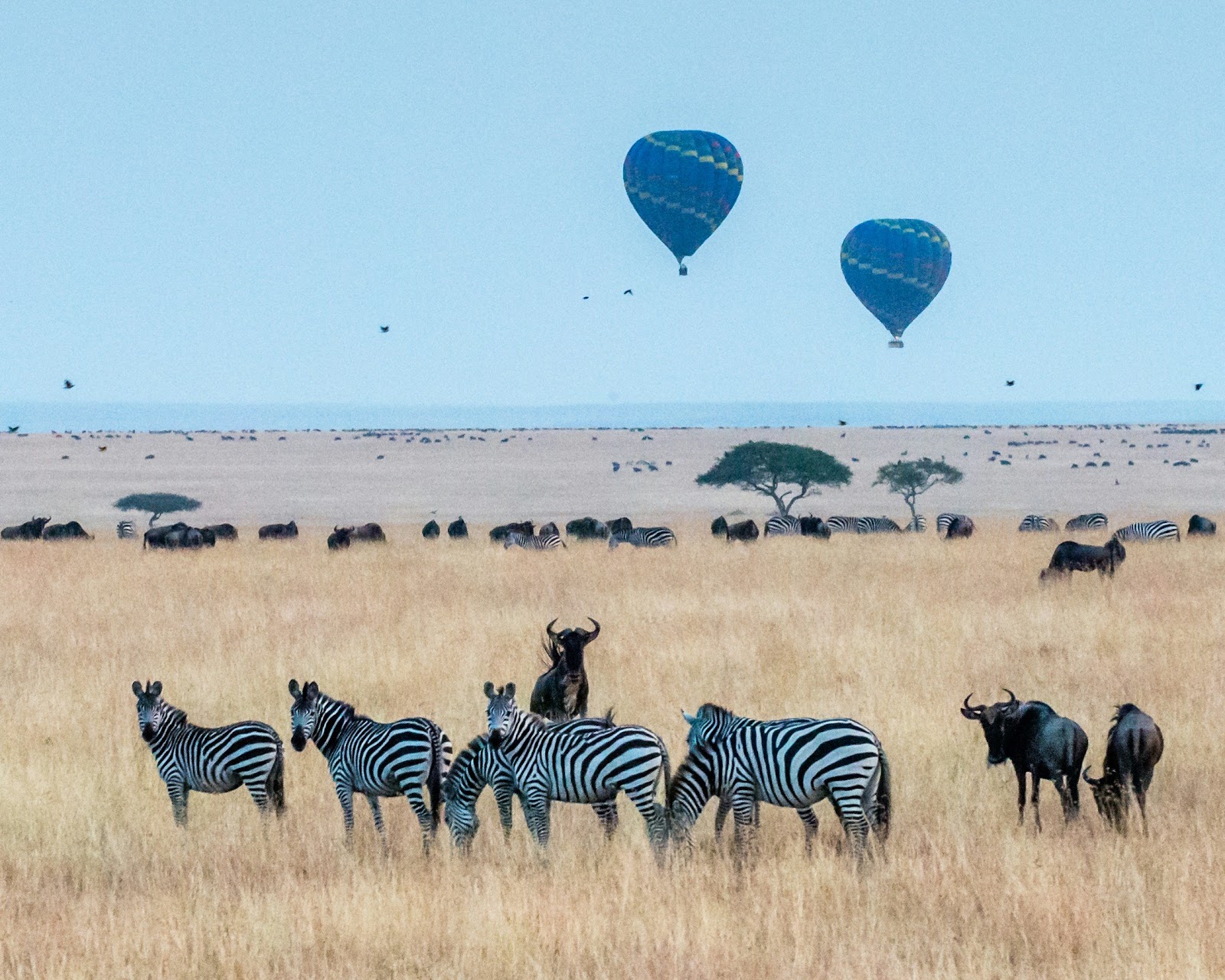
For the kind of Kenya safari I usually plan, eight nights split between a private Masai Mara conservancy and Laikipia or Samburu, at the top camps with a private vehicle, expect roughly $18,000 to $32,000 or more per person sharing in peak season (July to October and the holidays). The same camps outside peak months come down to roughly $14,000 to $22,000. These figures include camps, meals, drinks, activities, park and conservancy fees and light-aircraft flights within Kenya, but not international flights.
A very good trip can be built for less at strong conservancy camps, roughly $10,000 to $20,000, and I explain the trade-offs below.
All figures below are approximate 2026–27 ranges in US dollars, per person sharing. Confirm current rates with me.
In the Mara, rates are highest from July to October, when the migration is usually in the area, and over Christmas and New Year. January to March and June are often a step lower, and April and May, the long rains, are the least expensive, although some camps close. The difference between peak and low season at the same camp is often 40 percent or more.
Kenya has a wide range, from classic tented camps to architect-designed lodges. Where you stay changes the price far more than which region you are in.
Camps in the private Mara conservancies include off-road driving, night drives, walks and limited vehicle numbers. Those benefits are part of the price, and conservancy fees are usually built into the rate. Camps in or overlooking the national reserve or the Mara Triangle follow park rules, and some show reserve fees separately. My guide to the Triangle, the conservancies and the reserve explains the differences.
At the time of writing, the Masai Mara reserve charges non-resident adults about $100 per day from January to June and $200 per day from July to December. Laikipia conservancies such as Lewa charge their own nightly fee, often around $100 per person. Check whether a quote includes these.
Scheduled light aircraft fly from Nairobi's Wilson Airport to the Mara, Laikipia, Samburu and Amboseli, and between them. Each leg is usually a few hundred dollars per person. Baggage is usually limited to 15 kg in soft bags. A private charter costs more but can save time for a family.
Single supplements vary a lot. Some camps waive them in low season, while others charge up to half the rate again. Many Kenyan camps are good for families, with family tents, children's programs and private vehicles. A private vehicle is often included for families at the top camps, or available as an extra.
Small conservancy camps with strong guiding, off-road driving and walks. Low season rates sit at the bottom of this range, peak months at the top.
The best-known camps and lodges, with high levels of design and service, excellent guiding and private vehicles in many cases.
Many trips mix the two, for example a top conservancy camp in the Mara with a high-end lodge in Laikipia or Samburu. Classic camps such as Governor's Camp on the Mara River and Lewa Wilderness in the Lewa Conservancy, at roughly $650 to $1,400 per person per night, also work well as one stop in a longer trip.
Kenya pairs well with other places, and the add-on can change the total more than the camp choice. Gorillas in Rwanda or Uganda are a short flight from Nairobi, but the permits alone cost $800 to $1,500 per person per trek, and most people trek twice. A beach finish on the Kenyan coast or in Zanzibar adds flights and three to five nights of hotel rates. If you plan to add either, tell me early, since it affects the routing and which Nairobi flights work best.
For sample routes, see my Classic Kenya Highlights and Samburu and Mara itineraries, and my guide to Kenya beyond the Mara.
If you would like a costed plan for your dates, tell me about your trip.
Every itinerary begins with a conversation. Tell me what you have in mind, and I’ll plan a trip around you.
Plan your trip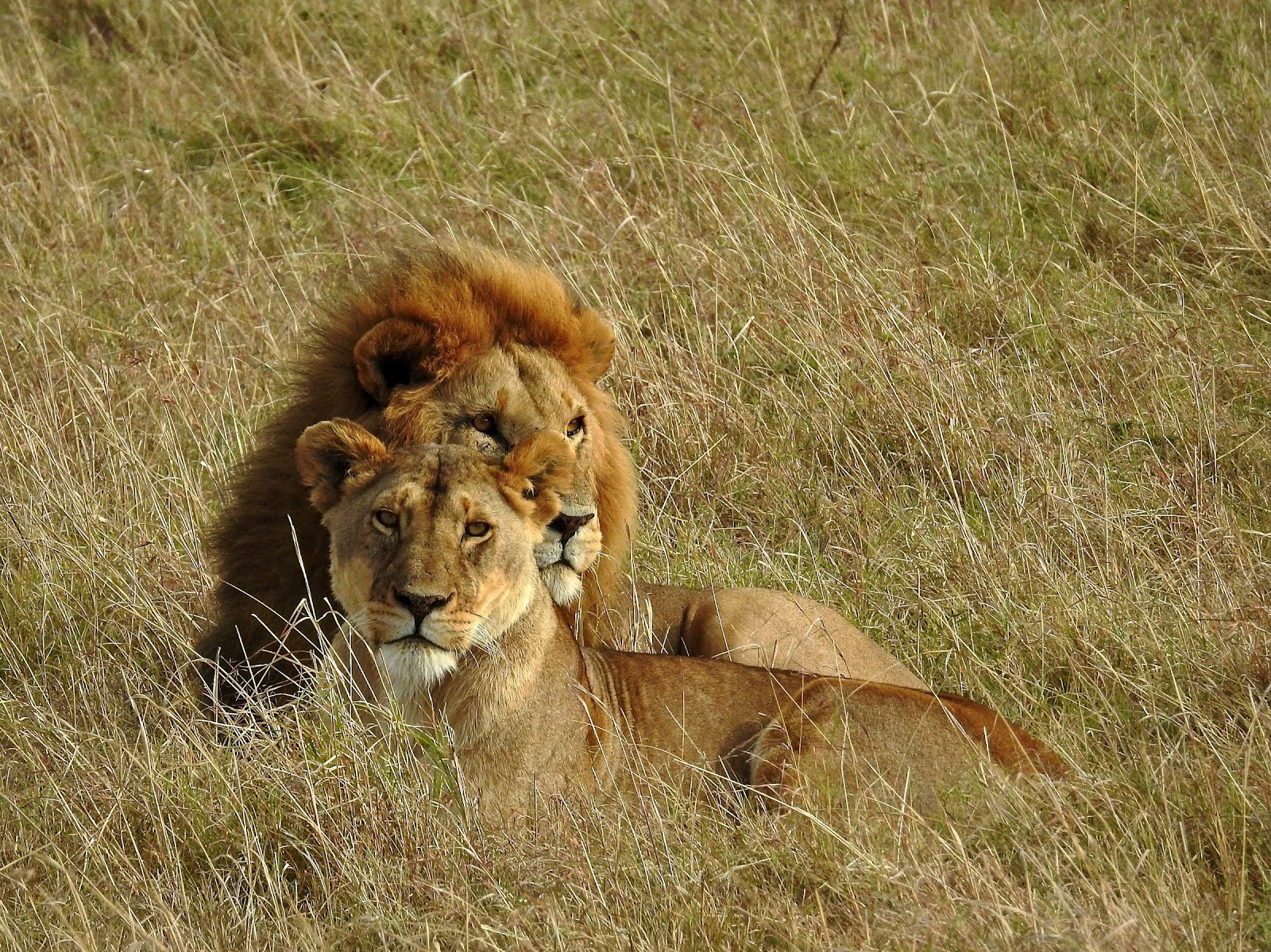


.svg)