Where to Go in 2026: My Picks
My 2026 picks: Uganda, Kenya, Australia and Zambia, plus Guyana and Northern Albania. Places that cap visitor numbers and still feel wild if you plan them well.
Read

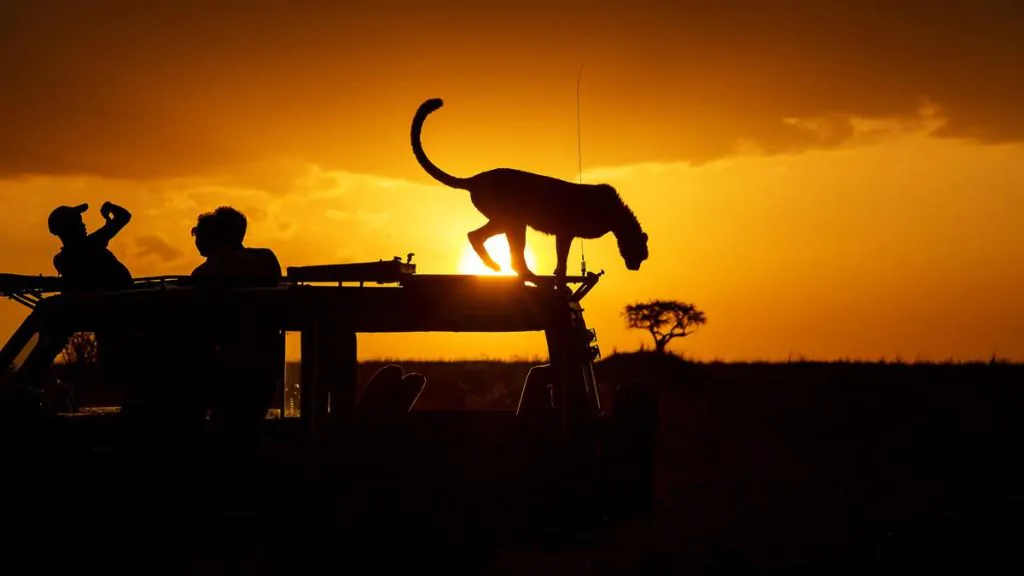
Ask a hundred people when they want to go on safari and ninety will say June, July, or August — because that's when the brochures say to go, and because it's when their calendar has a hole in it. The brochures aren't lying. Peak season is peak for a reason: dry grass, concentrated game, the migration in the Mara. But peak is also the most expensive, most crowded, and — here's the part nobody prints — not obviously the best version of the trip.
Late September and October are our favorite months in East Africa, from experience: we went then, and it was perfect. A little rain, which greens the light and clears the dust. Fewer vehicles than July. Rates stepping down from their peak. The animals did not get the memo that the season was ending.
One honest caveat, because you'll hear it from us if you hear it from anyone: seasons are a tendency, not a promise. Family of ours went one September and caught brutal heat while we were packing light jackets for the same weeks. Weather varies year to year — what doesn't vary is the crowd and price curve, and both bend in your favor outside the peak.
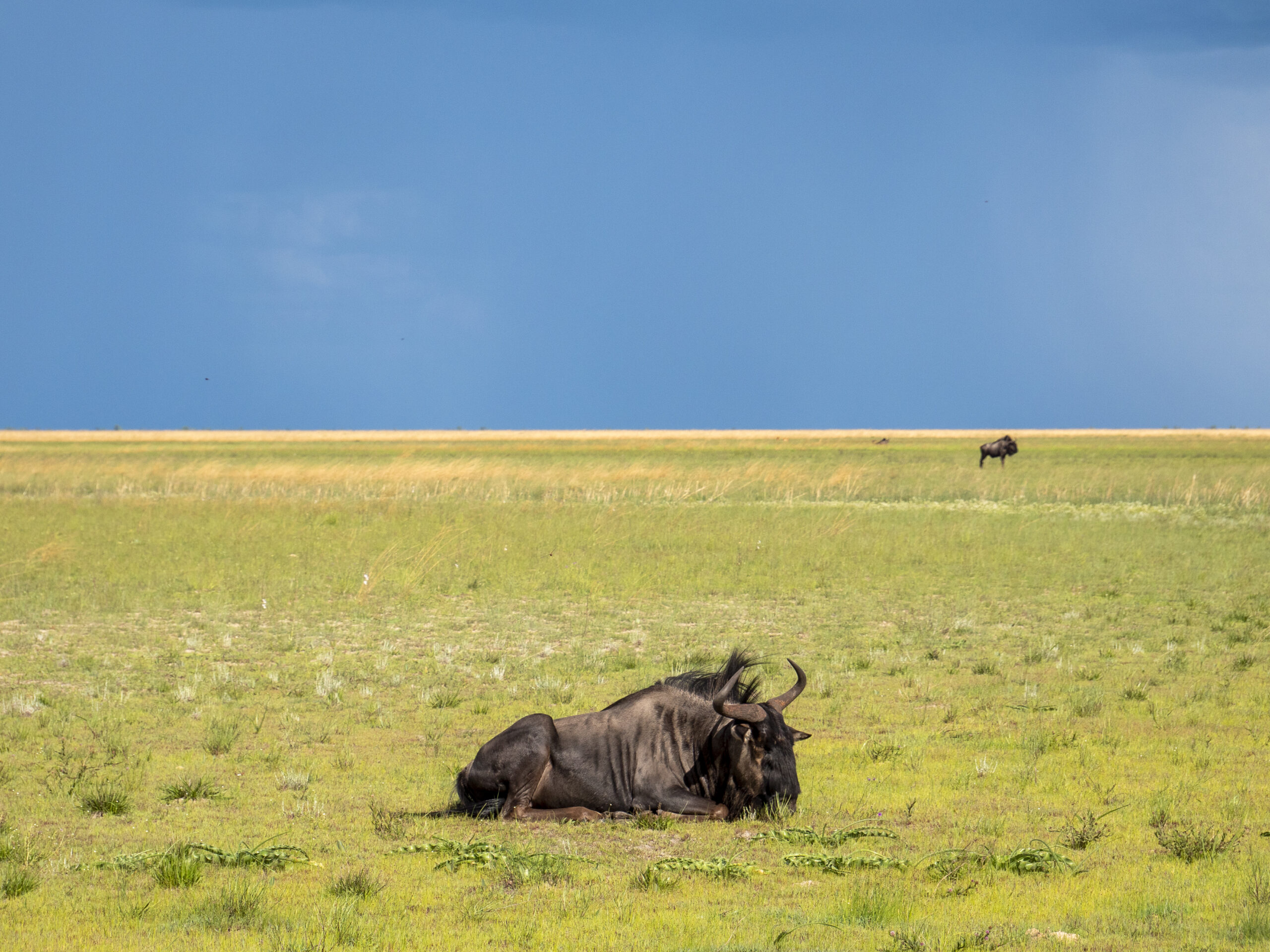
November through April scares people because it's called “the rains,” as if it pours for six months. What it actually is: warm storms that build and break, the most dramatic skies in safari, and a landscape exploding back to life.
It's harder to find wildlife in the long grass — that's true, and guides earn their money. What you get in trade:
If it's your first safari and the dates are fixed in peak — go, happily, and let us put you in the conservancies and camps where peak doesn't feel like a crowd. If your dates can move by even a month, move them: late September–October is the single easiest upgrade in safari planning, and it costs less than the trip you were about to book. And if you've been before and want the version the guides talk about in the off-season — that's the green, and we'll build it with you gladly.
The calendar of what books when is a separate question, and it matters more than the weather: the 2027–28 Safari Availability Calendar is the one page to check before you fall in love with any dates at all. And if you're still deciding which safari is yours, start with why most people book the wrong one.
Every itinerary begins with a 20-minute planning call. From there, a $250 planning fee, credited in full toward your booked trip and non-refundable if you don’t book. I brief the property before you arrive — that's what the fee funds.
Plan your trip