Where to Go in 2026: My Picks
My 2026 picks: Uganda, Kenya, Australia and Zambia, plus Guyana and Northern Albania. Places that cap visitor numbers and still feel wild if you plan them well.
Read
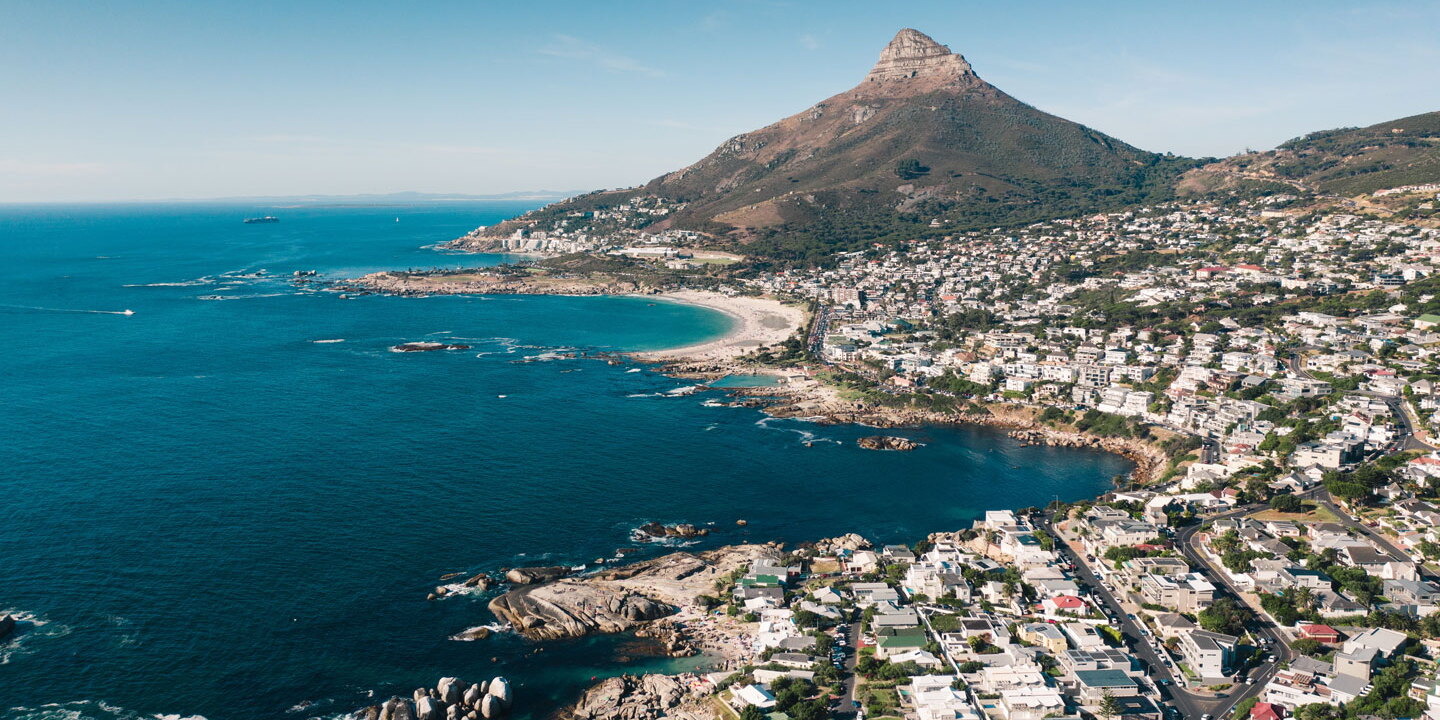
A luxury South Africa trip is really two trips priced differently: city and vineyard nights in the Cape, then safari nights in a private reserve, and the safari nights do most of the spending. A classic build, Cape Town and the Winelands first, then four nights in the Sabi Sand, runs $14,000–$26,000+ per person, with the top Sabi Sand lodges (Singita, Londolozi) setting the ceiling and the Cape Town hotel nights costing a fraction of a safari night. What drives the total: which reserve and lodge, whether the vehicle is private, and the season seesaw between the Cape and the bush. The one figure that holds across every build is the private vehicle, typically $500 to $600 per day.
Every South Africa trip is bespoke and quoted as a range for your dates. Confirm current rates with me.
South Africa is the safari country where the cost story is clearest, because the trip splits in two, and only one half of it is a safari.
Everywhere else in this series, season is one question. In South Africa it's two, and they pull against each other: the bush is at its best from May to September, when the Cape is cool and wet; the Cape is at its best from November to March, when the bush is hot, green and thick. The compromise months, April and October, are when both halves work at once, and they're where the rate picture softens too: good game viewing, mild Cape weather, fewer people. The trade-off stated plainly is that shoulder rates come with a bush that's still drying out or a Cape that can still turn. Festive season is the exception to every softening: December and January in the Cape are peak pricing and peak demand, full stop. My post on the case against peak season explains the thinking.
The nightly rate is the biggest block, and in South Africa it buys a specific thing: a private reserve. In the Sabi Sand or Thornybush, your rate carries a ranger and a tracker, off-road driving, night drives, and a hard cap on vehicles at a sighting. The leopard reliability the Sabi Sand is famous for is a product of that model. The national-park alternative, staying inside Kruger and driving yourself, is a different product at a different price point, and this page doesn't pretend otherwise. At the top of the private-reserve market sit the names the industry measures itself against: Singita's Ebony and Boulders lodges and Londolozi in the Sabi Sand, Singita Lebombo in its Kruger concession, Tswalu alone in the southern Kalahari. Below them, strong family-run and newer reserve lodges deliver the same private-reserve mechanics, and the insider window is a newer lodge in a proven reserve, pricing to establish itself while its game viewing is already the reserve's.
South Africa is the one safari country where transfers are not the hidden driver. The standard architecture is scheduled domestic flights, including the nonstop Cape Town to Skukuza flight that puts you inside the Kruger system without a Johannesburg connection, plus a rental car or private driver for the Cape Town and Winelands days, where the distances are short and the roads are good. Private charter exists, and the reserve airstrips take it, but here it's a convenience upgrade for awkward routings, not the price of admission it becomes in Botswana or Zambia.
No gorilla-permit-scale item exists in South Africa. What applies instead: private-reserve conservation levies and Kruger entry fees where a routing crosses the park. Real money, charged per person per day or per night, and listed inside some lodges' rates and on top of others'. Compare quotes on that basis.
The Sabi Sand's shared-vehicle standard is high, a ranger and tracker, six seats, off-road rights, so the private vehicle here buys something specific: your own departure times, longer at a sighting, and the fix for the lodges' children's age rules. Many set a minimum age for shared drives, often 10, and a private vehicle gets a family around most of it. It typically runs $500 to $600 per day. For photographers and families it's the upgrade I'd put in first; for a couple happy on the lodge's schedule, it's the one driver on this page you can honestly leave shared.
Top tier is the Sabi Sand and Kruger-concession flagships above, and Tswalu in the Kalahari. High-end is the established private-reserve lodges of the Sabi Sand and Thornybush and the top Cape Town hotels. The Cape block, the Cape Town and Winelands nights, is its own, smaller line. Per-night rates move with the lodge and the season, and I quote them for your dates rather than print a table that will be wrong by the time you read it.
Four nights minimum in the bush; fewer and the fixed costs of getting there outweigh the viewing. The private vehicle for families and photographers. April or October for the combined trip, when both halves of the country work at once.
For the dry season, book by March; for the festive season, by June.
Why does the same trip cost more in December than in May? Because it isn't the same trip. December is festive peak in the Cape, with peak pricing and peak demand, and green season in the bush; May is the bush at its best and the Cape cooling off. The two halves of the country run on opposite calendars.
Is a private reserve worth it over staying in Kruger? The private-reserve rate buys a ranger and a tracker, off-road driving, night drives and a cap on vehicles at a sighting. Staying inside Kruger and driving yourself is a different product at a different price point.
How many safari nights do I need? Four. Fewer, and the fixed costs of getting there outweigh the viewing.
What does the Cape Town part add? Hotel nights at a fraction of a safari night, and the thing that makes the trip work for non-safari partners and families: a city, vineyards and a coast around the bush.
For sample routes, see my Cape Town, Winelands and Sabi Sand and Cape, Kalahari and Sabi Sand at the top lodges itineraries, and my guide to the Sabi Sand or the Greater Kruger reserves. The natural comparisons are the Botswana and Kenya cost guides, and what drives the cost of a safari sets out the five decisions behind all of them.
Plan this trip with us. $250 planning fee, credited in full toward your trip.
Every itinerary begins with a 20-minute planning call. From there, a $250 planning fee, credited in full toward your booked trip and non-refundable if you don’t book. I brief the property before you arrive — that's what the fee funds.
Plan your trip