Where to Go in 2026: My Picks
My 2026 picks: Uganda, Kenya, Australia and Zambia, plus Guyana and Northern Albania. Places that cap visitor numbers and still feel wild if you plan them well.
Read
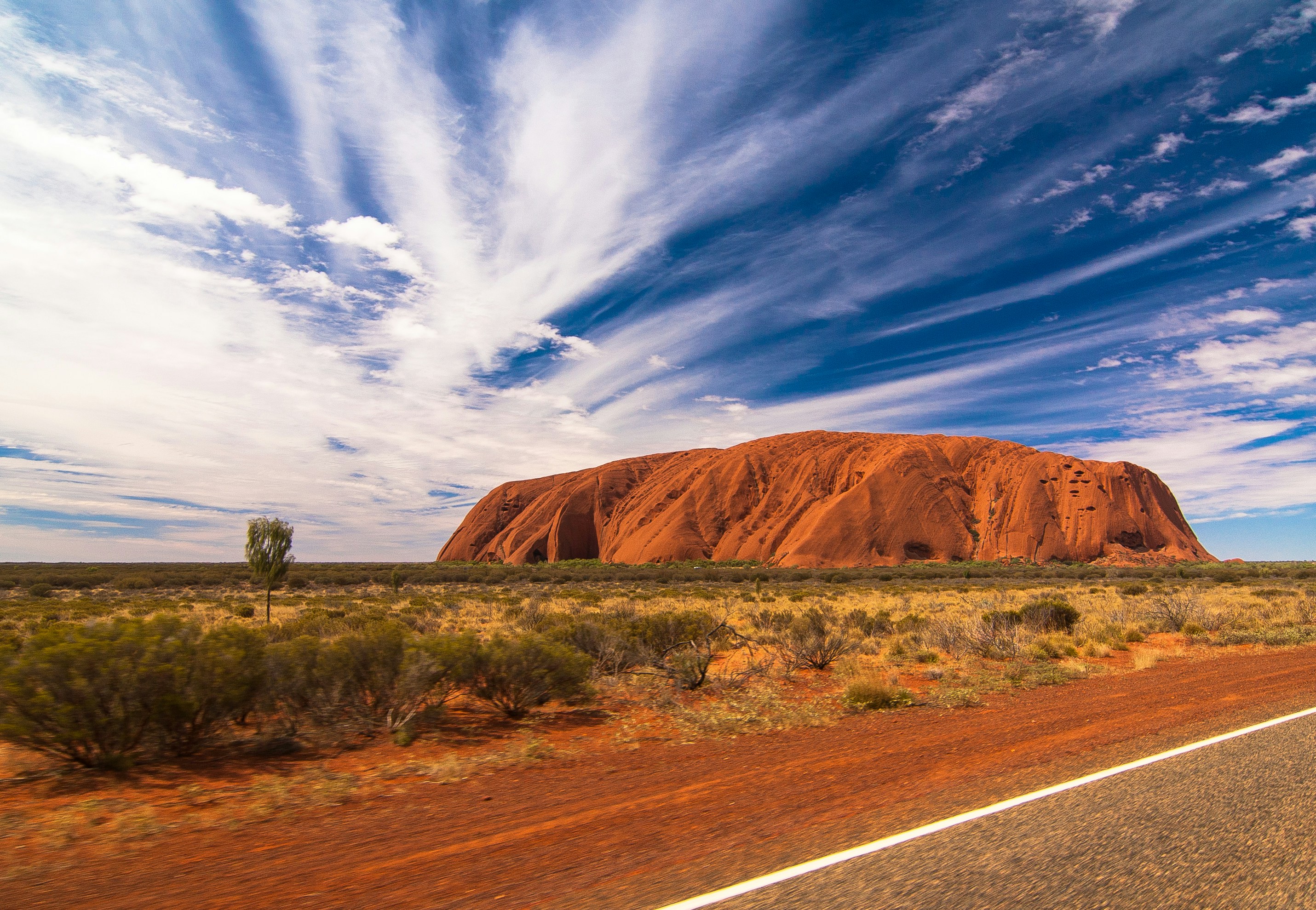
A guide to luxury travel in Australia’s wildest places.
Australia packs ochre deserts, reefs full of color and rainforest older than the Amazon into one country, and each of them is at its best in a different season.
This guide covers the regions, experiences and timing that matter most if you're after nature and comfort in equal measure.
Australia has a combination that is hard to find elsewhere:
The best of it is away from the obvious hotspots: small towns, remote coastlines, desert camps, reef islands and wilderness lodges where you're close to the landscape.
Australia is far away, and that distance is part of why so much of it is still wild. Most of its mammals, reptiles and frogs are found nowhere else on earth. Depending on where and when you go, you can see kangaroos and wallabies, koalas, platypus, echidnas, quokkas, sea lions, dolphins, whale sharks and marine turtles.
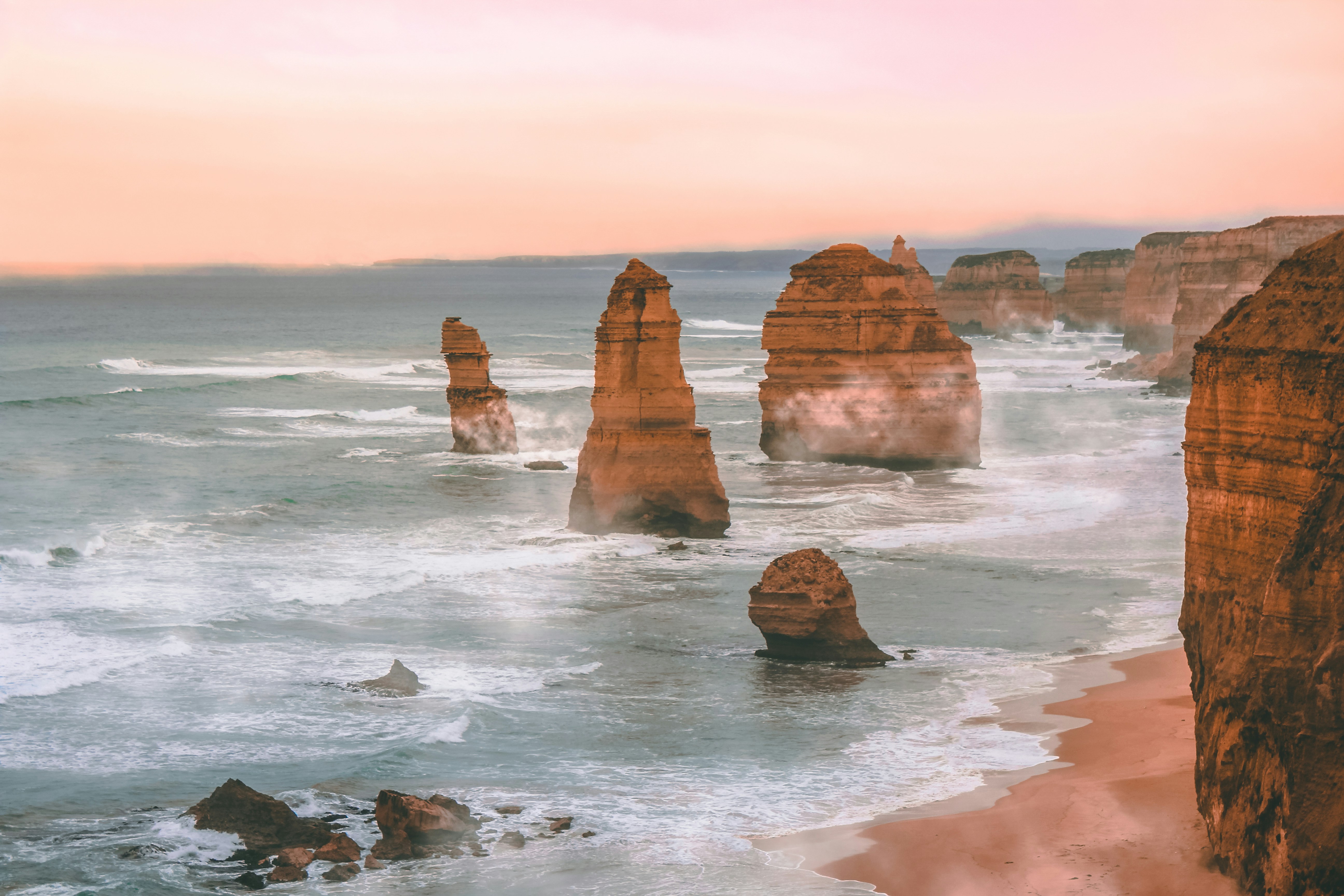
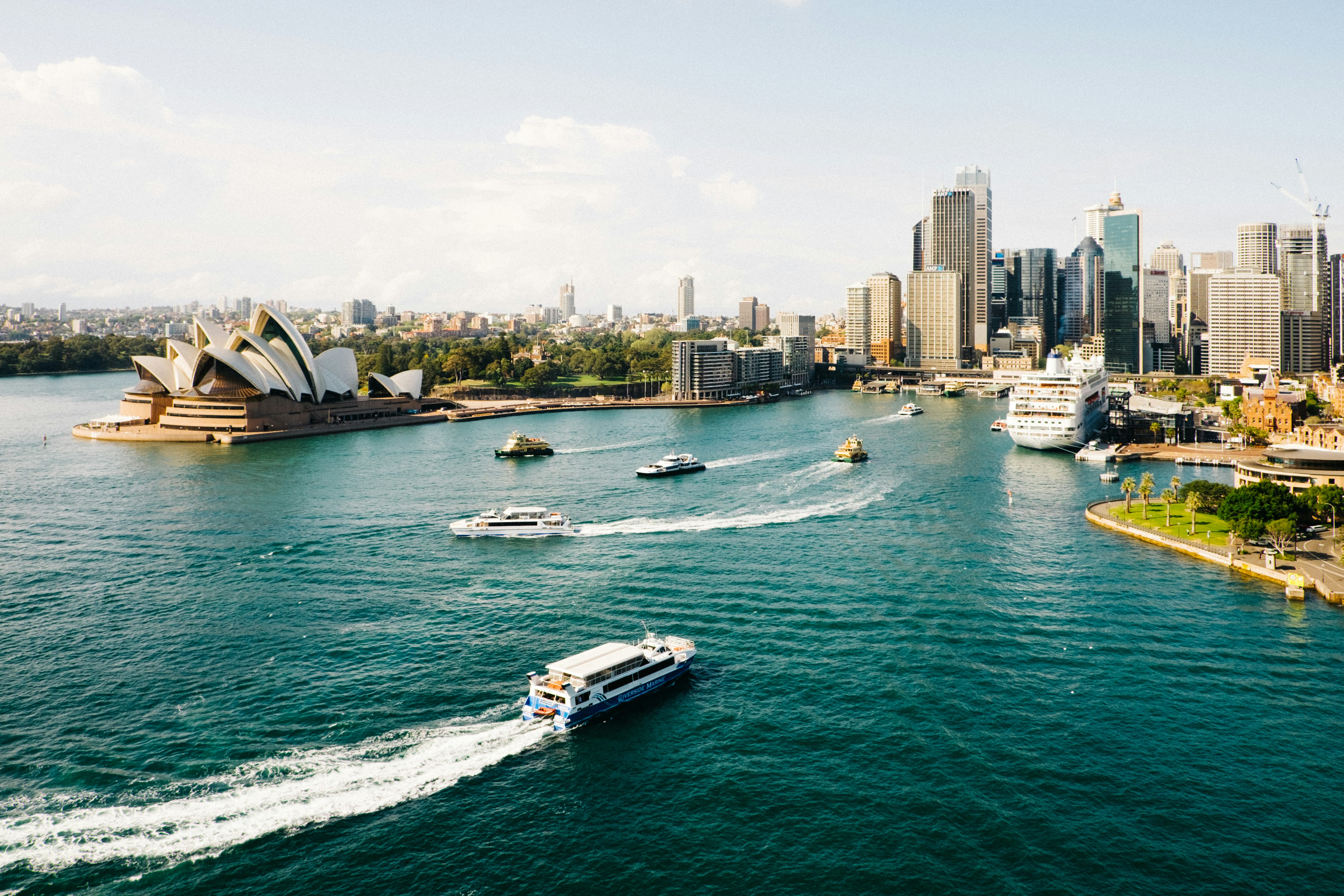
The coastline alone could fill a trip, from the Great Barrier Reef, Lizard Island and the Whitsundays (including Whitehaven Beach) to the Great Ocean Road, Kangaroo Island and Tasmania's Wineglass Bay. Add Sydney and Melbourne, wine regions from the Barossa to Margaret River, and the Red Centre, and one trip can feel like several countries.
The lodges are a reason to go in their own right. The best of them, such as Southern Ocean Lodge, Lizard Island and Qualia, pair top-end comfort with architecture that fits the landscape, and some rival the best lodges in Africa. I spent several days at both Southern Ocean Lodge and Lizard Island in 2025, and both lived up to their reputations.

The spiritual heart of the country, a desert shaped by wind, time and thousands of years of Aboriginal storytelling.
Why go:
Best season:
May to September: cooler days, crisp nights, very clear air.
Where to stay:
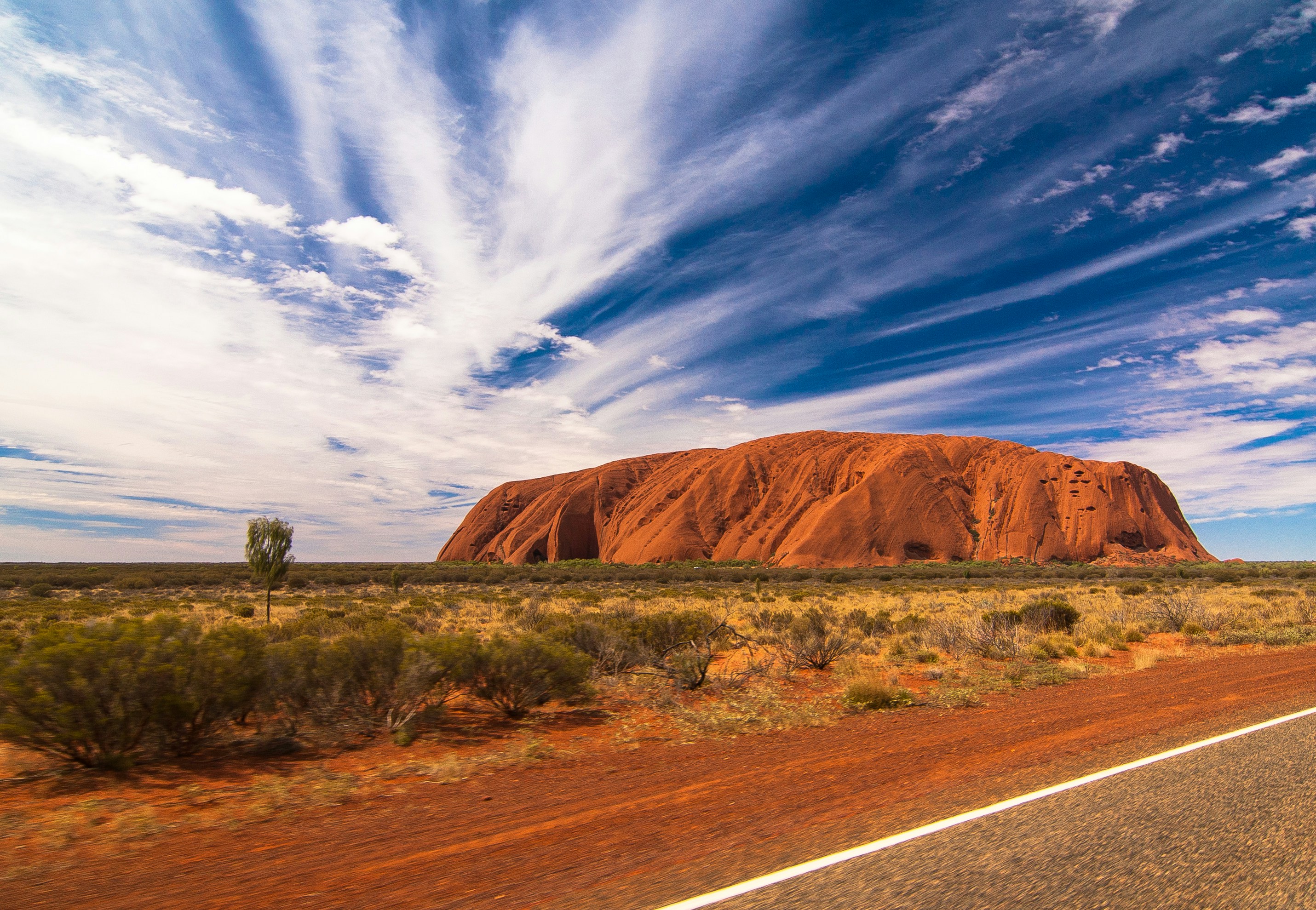
Two World Heritage ecosystems side by side.
Why go:
Best season:
June–October: dry season, calm seas, good visibility, no jellyfish.
Where to stay:


A beautiful city with an easygoing coast on its doorstep.
Why go:
Best season:
September–December: warm days, fewer crowds.
Where to stay:

Australia’s remote southern island feels like a separate country.
Why go:
Best season:
December–February: long summer days.
Where to stay:

Australia’s cultural capital is a city of laneways, serious restaurants and art, with some of the country's best road trips and coastline just outside it.
Why go:
Best season:
October–April: long sunny days and warm evenings, good road-trip weather.
Where to stay:

South Australia gets less attention than it deserves. It combines fine wine with raw wildlife country and rugged luxury lodges.
Why go:
Best season:
March–November: mild weather, active wildlife, good wine-touring conditions.
Where to stay:

When you go changes the trip a great deal.
Explore the Great Barrier Reef with marine biologists, master divers and private guides.
Learn stories, art traditions and wildlife knowledge directly from Traditional Owners.
Helicopter over Uluru, Kimberley waterfalls or reef atolls.
Australia is very good at isolated luxury: glass walls, desert stillness, rainforest calm.
See kangaroos, wallabies, wombats and koalas where they actually live, not in enclosures.
I plan Australia the way I like to travel it myself: unhurried, built around the seasons and focused on nature. Whether that means Uluru at sunrise or the reef in the quiet season, I'll put together a private itinerary around what you want to see.
Tell me when you can travel and what draws you, and I'll take it from there.
Every itinerary begins with a 20-minute planning call. From there, a $250 planning fee, credited in full toward your booked trip and non-refundable if you don’t book. I brief the property before you arrive — that's what the fee funds.
Plan your trip