Where to Go in 2026: My Picks
My 2026 picks: Uganda, Kenya, Australia and Zambia, plus Guyana and Northern Albania. Places that cap visitor numbers and still feel wild if you plan them well.
Read
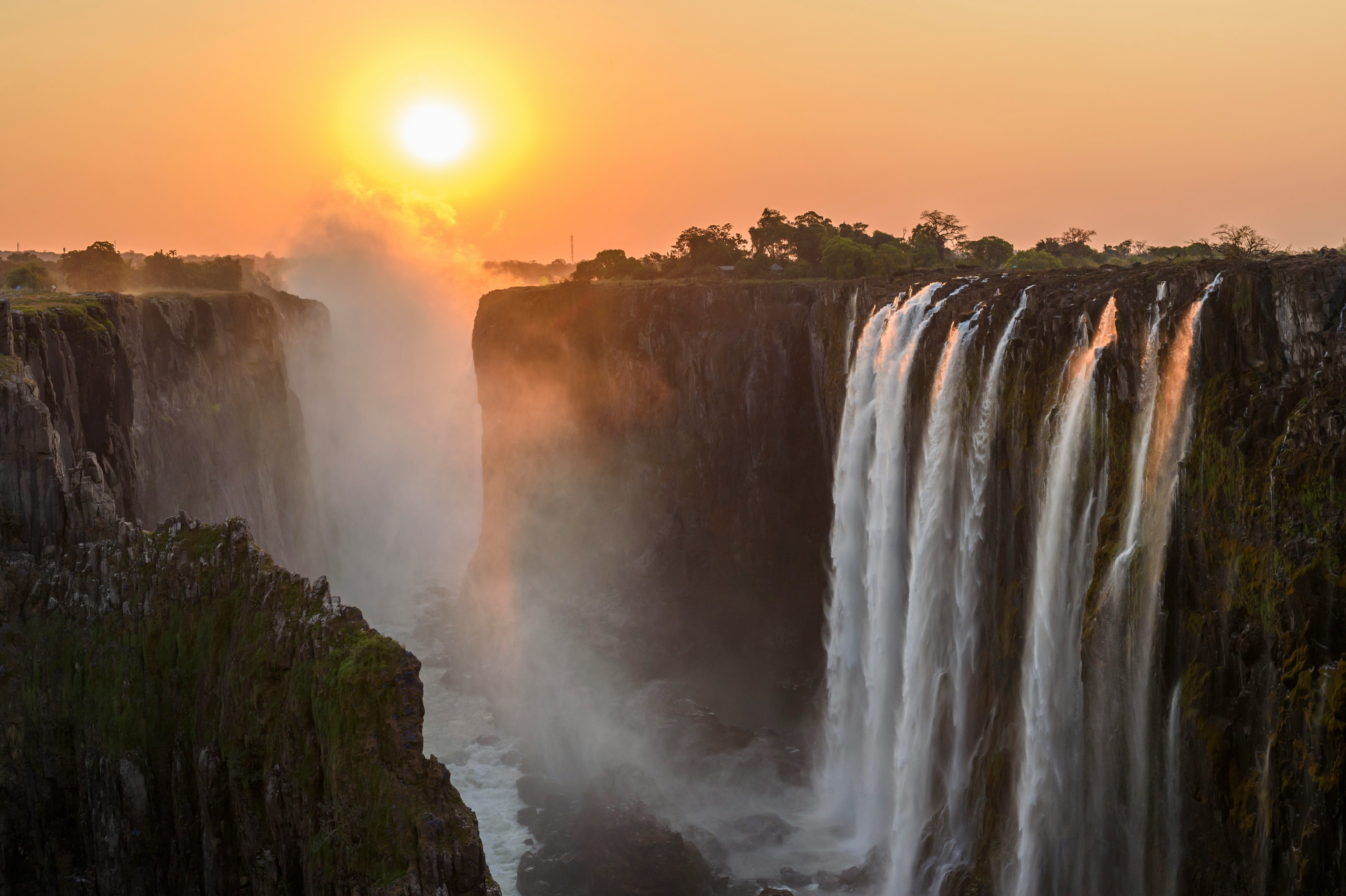
Zambia is the connoisseur's safari, and its cost structure follows its camps: small, often owner-run, and priced for the guiding rather than the thread count. A classic build, South Luangwa walking and driving, the Lower Zambezi by canoe and boat, Victoria Falls to finish, runs $9,000–$16,000 per person in the dry season. The drivers are the same five as everywhere in this series, with two Zambian twists: the season doesn't just move the price, it decides whether the camps are open at all, and how you move matters more than usual, because the parks are far apart and the hops between them are flown. The one figure that holds across every build is the private game-drive vehicle, typically $500 to $600 per day.
Every Zambia trip is bespoke and quoted as a range for your dates. Confirm current rates with me.
Zambia's dry season runs roughly June to October, and outside it the question isn't what a camp costs but whether it exists: many Luangwa and Lower Zambezi camps close entirely in the rains. Inside the season, the lever works as usual. Peak dry, August to October, is when the game concentrates on the rivers and the tiny camps fill. The emerald months that some camps do open bring dramatically lower rates, and the trade-off is the full sentence: lush bush, superb birding and photography, game dispersed, some areas unreachable. November is the hinge, with first rains, dramatic skies, predator action holding and camps starting to close. My post on the case against peak season explains the thinking, and my season-by-season guide to Zambia goes month by month.
Zambia's top camps are small and frequently owner-run, and the rate buys the thing Zambia is famous for: guiding depth, above all on foot. The walking safari was pioneered in the Luangwa and its guide examinations are the industry's hardest. The tier spread here is narrower at the top than Botswana's, with no Mombo-scale outlier, and wider in character: a legendary walking camp can be simpler in build than a mid-tier lodge elsewhere and cost more, correctly. The new-entrant point applies gently. Zambia's camp scene changes slowly, and a reopened or newly taken-over camp under a proven guide is the window to watch.
Lusaka is the hub, Livingstone the Falls gateway, and the parks sit hours apart by road and short hops apart by air. A three-area trip is typically two or three scheduled light-aircraft legs, and each leg is a real line item, so routing is cost design: Luangwa, Lower Zambezi and the Falls in the wrong order pays for the same sky twice. Private charter buys out the schedule logic for groups and awkward connections. Luggage discipline applies as everywhere in fly-in Africa: soft bags, strict limits.
No headline permit. The fees line is national-park entry per person per day across the Luangwa, the Lower Zambezi and Kafue, plus any conservation or community levies a camp lists separately. Per-day fees reward staying longer in fewer parks; the arithmetic argues against park-hopping.
A private game-drive vehicle typically runs $500 to $600 per day, and in the Luangwa's shared-vehicle culture it's the photographer's move. But Zambia's signature premium isn't a vehicle at all: it's private walking, your own top-tier guide and scout on foot, at the pace and risk calibration of your party. Where a camp prices private guiding or private walks separately, that's the line to fund first here. The recommendation stands as everywhere: first upgrade in, last cut.
Top tier is the flagship walking camps of the Luangwa and the top river camps of the Lower Zambezi. High-end is the strong owner-run camps in both valleys and in Kafue. Per-night rates move with the camp and the month, and I quote them for your dates rather than print a table that will be wrong by the time you read it.
Two camps minimum in the Luangwa; each stretch of the river fishes differently. Pair a river camp with a plains camp. Walk every day it's offered.
The walking camps are tiny. For June to October, book by February.
Why do Zambia quotes vary so much between operators? The flight architecture, and whether park fees and guiding sit inside the camp rate or on top of it. Compare like with like.
Is Zambia cheaper than Botswana? They are different models: small, owner-run camps built around walking against Botswana's low-volume fly-in concessions. A classic Zambia build runs $9,000–$16,000 per person in the dry season; Botswana's own totals are on its cost page, and the camps here are small enough that availability shapes the number as much as the rate card does.
When do the camps close? Many Luangwa and Lower Zambezi camps close entirely in the rains. The dry season runs roughly June to October, and camps start closing in November as the first rains arrive.
What am I paying for at the top camps, if they're simple? The guiding. Zambia's walking guides are the product, and a legendary walking camp can be simpler in build than a mid-tier lodge elsewhere and cost more.
For sample routes, see my Classic Zambia Highlights and Signature Zambia itineraries. The connoisseur's comparison is the Botswana cost guide. What drives the cost of a safari sets out the five decisions behind all of them.
Plan this trip with us. $250 planning fee, credited in full toward your trip.
Every itinerary begins with a 20-minute planning call. From there, a $250 planning fee, credited in full toward your booked trip and non-refundable if you don’t book. I brief the property before you arrive — that's what the fee funds.
Plan your trip