Where to Go in 2026: My Picks
My 2026 picks: Uganda, Kenya, Australia and Zambia, plus Guyana and Northern Albania. Places that cap visitor numbers and still feel wild if you plan them well.
Read

Zambia has excellent guiding, few visitors, and wildlife encounters that feel wild and unstaged. But the safari changes a lot through the year: water levels rise and fall, the grass grows and dies back, predator sightings come and go, and walking conditions improve or get worse. Here's what each season offers for big cats, walking, and solitude.
Character: green landscapes, cooler temperatures, few visitors, good birdlife.
The rains have just ended, leaving low rivers, lush vegetation, and beautiful light, which makes this Zambia at its most photogenic. Walking safaris start opening in South Luangwa and Kafue as the trails dry out.
Best for:
Expect:
Character: cool mornings, more wildlife each week, peak walking season.
Clear skies, comfortable weather, and wildlife gathered around permanent water. Big cats are active, and wild dog packs are often denning in South Luangwa.
Best for:
Expect:
Character: hot, dry, and animals everywhere.
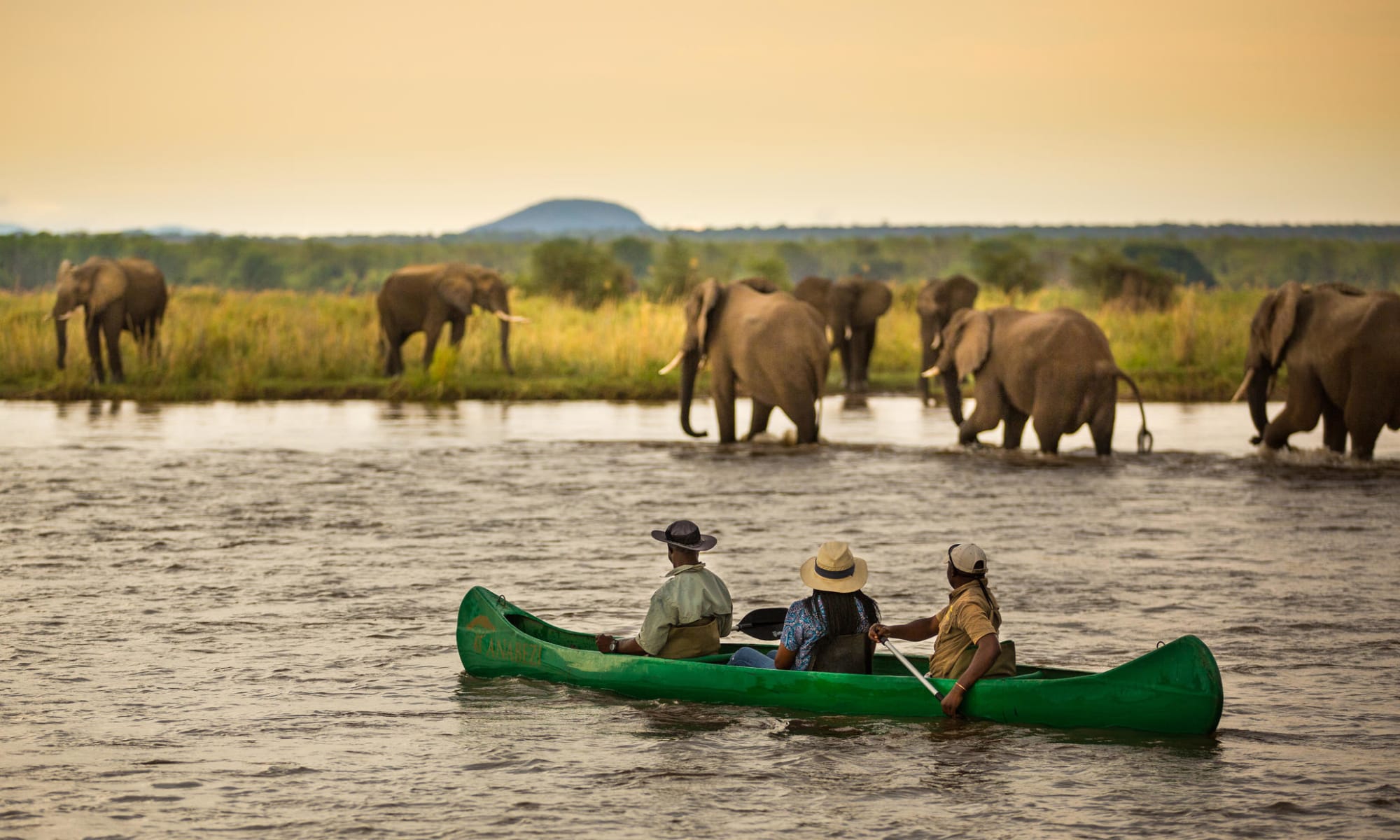
The grass is nearly gone, visibility is excellent, predators are busy, and elephants gather in large numbers along the Luangwa and Zambezi rivers.
Best for:
Expect:
Character: first rains, a short green flush, newborn wildlife.
An underrated month. The landscape freshens, afternoon showers take the edge off the heat, migratory birds arrive, and many antelope give birth.
Best for:
Expect:
Zambia turns very green, but most camps close as roads become impassable. A few lodges in South Luangwa stay open for emerald-season photography, and in very wet years, boating safaris.
Best for:
For the most wildlife: July–October
For photographers and walkers: June–August
For the fewest other people: May–June or November
Every itinerary begins with a 20-minute planning call. From there, a $250 planning fee, credited in full toward your booked trip and non-refundable if you don’t book. I brief the property before you arrive — that's what the fee funds.
Plan your trip