
.svg)
Where to Go in 2026: Our Expert Picks
Our 2026 picks: Uganda, Kenya, Australia and Zambia, plus Guyana and Northern Albania. Places that cap visitor numbers and still feel wild if you plan them well.
Read
Choose Kenya if you want private conservancies, off-road driving, walks and night drives, and a trip that is easy to put together from Nairobi. Choose Tanzania if you want the scale of the Serengeti, the Ngorongoro Crater, and the chance to follow the Great Migration in most months of the year, with Zanzibar at the end.
Both are excellent, and both suit a first safari. The differences are in how you see the animals, when to go and how the trip fits together.
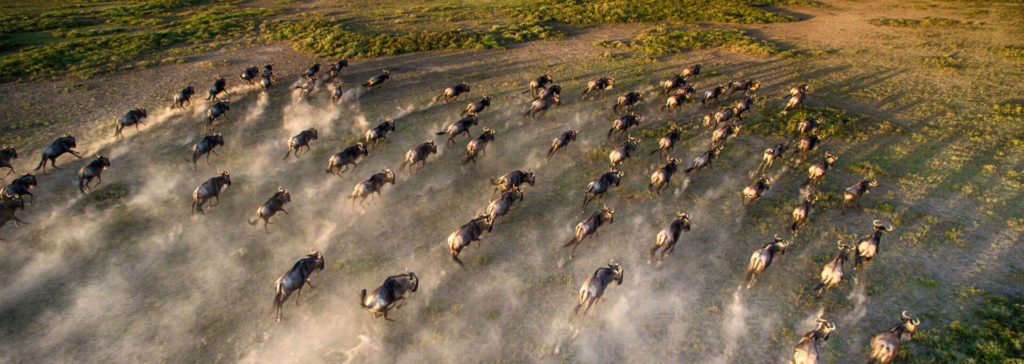
The Masai Mara in Kenya and the Serengeti in Tanzania are the same ecosystem, divided by a border the animals ignore. The wildebeest and zebra move in a loop through both. Roughly, they calve in the southern Serengeti early in the year, move north and west through the middle of the year, and spend part of the dry season in the northern Serengeti and the Mara before heading south again with the short rains.
The Mara is the smaller piece. The Masai Mara National Reserve covers about 1,500 square kilometers, with private conservancies along its northern edge. The Serengeti covers nearly 15,000 square kilometers, about ten times the size. That difference shapes almost everything else.
Kenya's great strength is its private conservancies. The Mara conservancies are land leased from Maasai landowners and run for a small number of camps. Vehicle numbers are limited, guides can drive off-road to a sighting, and night drives and guided walks are allowed. The same model runs through the Laikipia conservancies further north, where you can add rhino, horseback riding and camel walks.
Camps like Mara Plains Camp and Naboisho Camp sit inside conservancies. Angama Mara looks down on the Mara Triangle, the better-managed western part of the reserve. Our guide to the Triangle, the conservancies and the reserve explains the differences.
Most of Tanzania's northern circuit is national park, where vehicles stay on the tracks and drives end at dusk. In return you get size. The Serengeti is big enough that a good camp in the right area can feel remote, especially in the east and the far north. Namiri Plains in the eastern Serengeti is known for big cats, and Lamai Serengeti sits near the Mara River in the north.
There are exceptions. The Grumeti Reserve on the western edge of the Serengeti is a private concession with walks and night drives, and it is where Singita Sasakwa Lodge is. Some wildlife management areas near Tarangire allow the same.
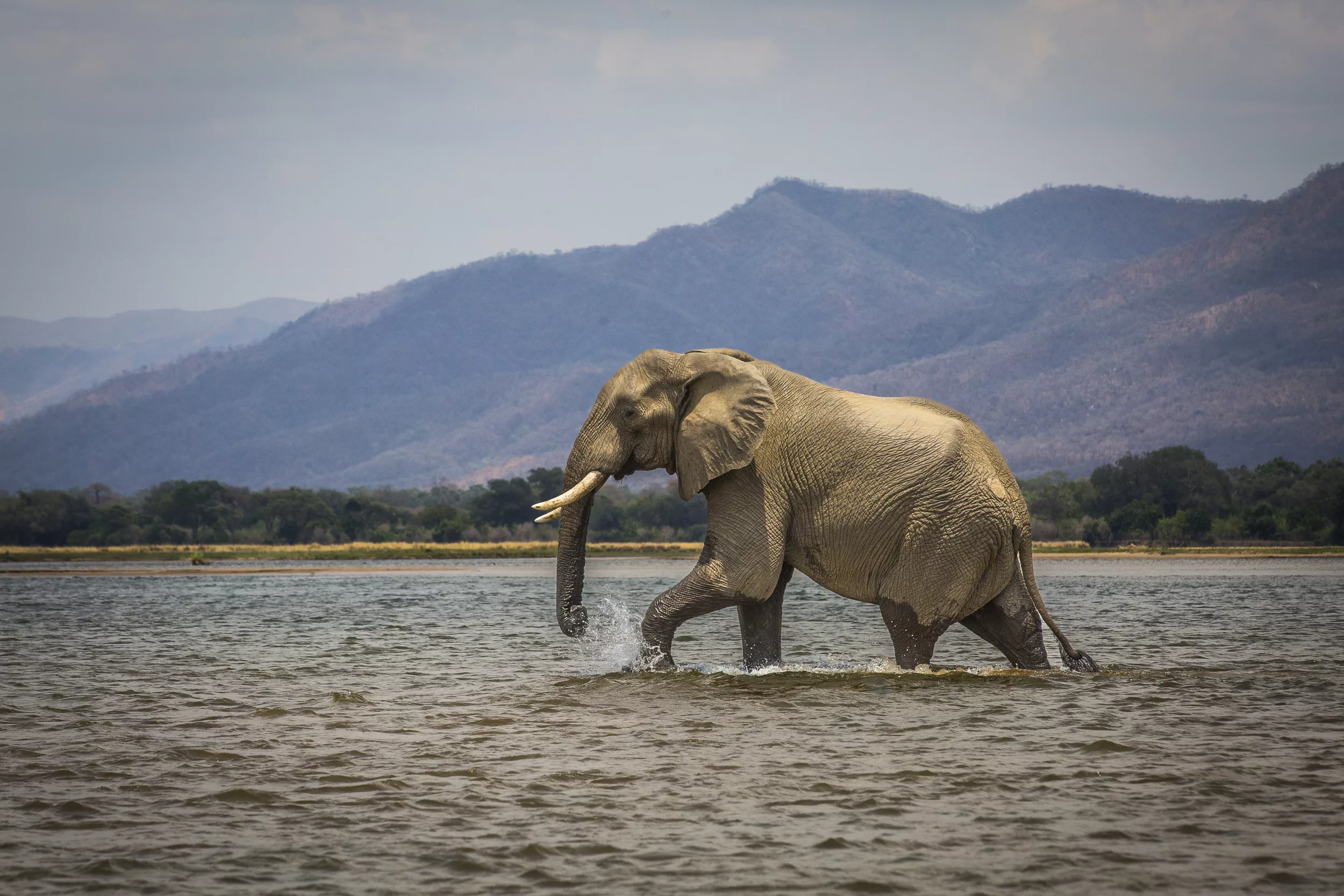
Tanzania also has places Kenya does not. The Ngorongoro Crater is a collapsed volcano with a permanent population of wildlife on its floor, and our guide to the crater and the highlands covers how to do it well. Tarangire is known for elephants in the dry season.
This is where the two countries differ most.
In Kenya, the migration is usually in the Mara from about July to October. The river crossings happen in this window, but they are never guaranteed on a given day. Outside those months, the Mara's resident wildlife is still very good, and the conservancies are quieter and cheaper.
In Tanzania, you can plan around the herds in most months:
Our post on following the Great Migration month by month goes into detail. April and May are the long rains in both countries. Some camps close, and the ones that stay open offer lower rates.
Kenya is easy. Most international flights land in Nairobi, and scheduled light aircraft fly from Wilson Airport to the Mara, Laikipia, Samburu and Amboseli in an hour or so. You can stay in Nairobi the first night and be on a game drive the next afternoon.
Tanzania's safaris usually start at Kilimanjaro International Airport near Arusha. A common shape is to drive the first part of the trip, through Tarangire and the Ngorongoro highlands, then fly to the Serengeti. Distances are larger, so we try to keep the number of moves low.
Kenya's second act is in the north. Samburu has dry-country species you will not see in the Mara, such as Grevy's zebra, reticulated giraffe and gerenuk. Amboseli has elephants with Kilimanjaro behind them. Our post on Kenya's other wildlife regions covers these.
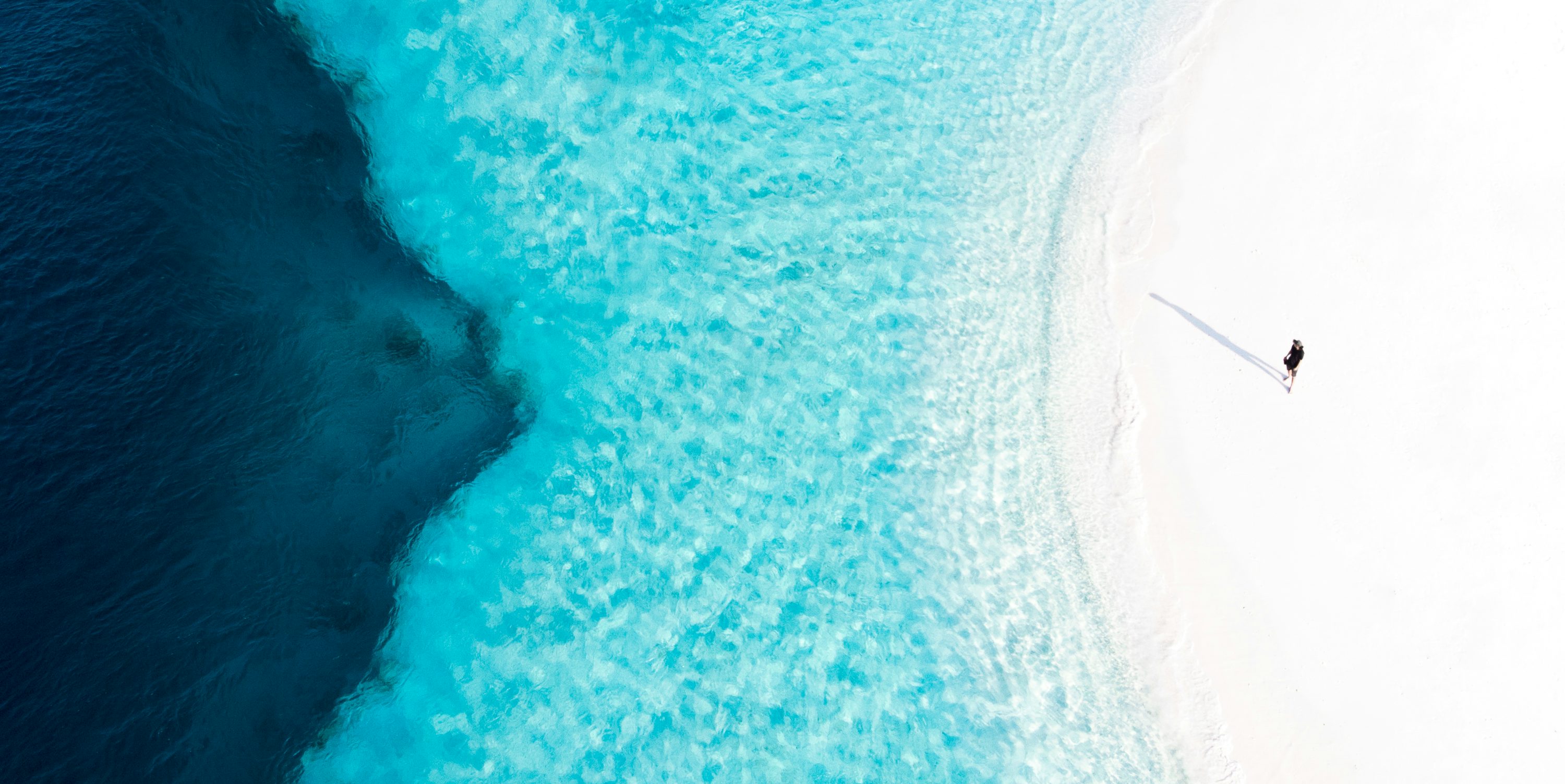
Tanzania's second act is either the south or the sea. Ruaha and Nyerere are large, quiet parks with very few visitors. Zanzibar is a short flight from the Serengeti, which makes a beach finish simple. andBeyond Mnemba Island is our usual choice.
You do not always have to choose. With enough time, a Mara conservancy and the Serengeti can work on one trip, usually connected by a flight through Nairobi or Kilimanjaro. Our Classic Kenya Highlights and Tanzania itineraries show a typical version of each, and our guide to choosing between Tanzania, Botswana, Rwanda and South Africa widens the comparison.
If you would like help deciding between Kenya and Tanzania for your dates, tell us about your trip.
Every itinerary begins with a conversation. Tell us what you have in mind, and we’ll plan a trip around you.
Plan your trip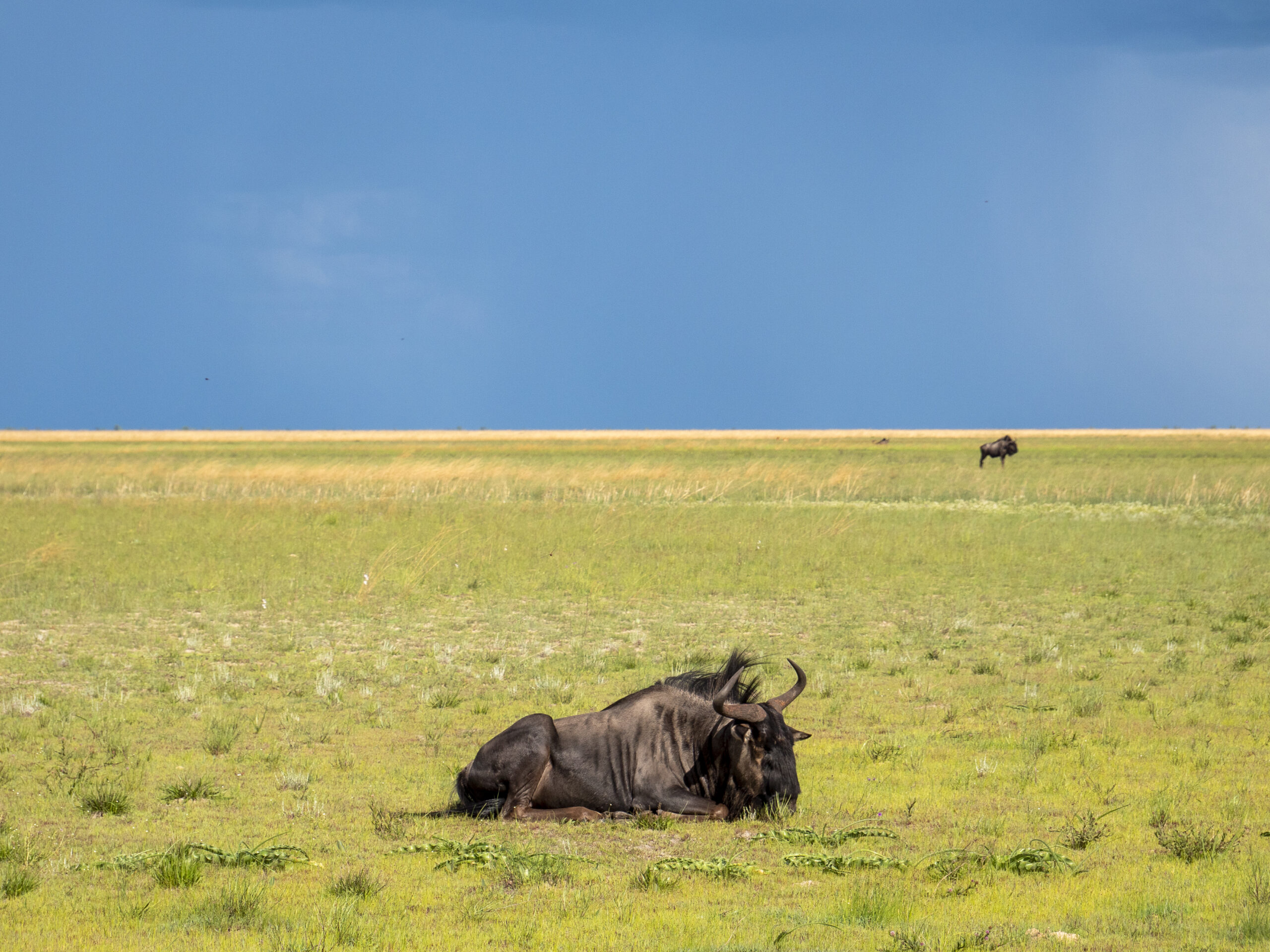

.svg)