
.svg)
Where to Go in 2026: Our Expert Picks
Our 2026 picks: Uganda, Kenya, Australia and Zambia, plus Guyana and Northern Albania. Places that cap visitor numbers and still feel wild if you plan them well.
Discover
The wildebeest migration in Tanzania is a loop that takes the whole year. Estimates vary, but roughly 1.5 million or more wildebeest, with hundreds of thousands of zebra and gazelle, move through the Serengeti ecosystem following the rain and the fresh grass it brings. If you know roughly where the herds are each month, you can put yourself in the right place. Here is how the year usually runs, where to stay in each phase, and how it all links up with Kenya.
These are averages. The herds follow the rain, and a late or early season can shift everything by a few weeks, so we plan around the phase rather than a fixed date.
After the short rains, the herds settle on the short-grass plains of the southern Serengeti and around Ndutu, an area that straddles the park boundary and the Ngorongoro Conservation Area. The grass here grows on volcanic soil and is rich in minerals, which is what the cows need to calve.
Calving runs from about January to March and peaks in February. Most calves arrive within a window of two or three weeks, and at the peak several thousand can be born in a single day. A calf is usually on its feet within minutes and running with the herd within about an hour. All those newborns draw lion, cheetah and hyena, so this is one of the best times of year for predator action on open ground.
There are few permanent lodges on these plains, so most people stay in seasonal or mobile tented camps that set up near the herds for these months. Pair a few nights here with the Ngorongoro highlands, which are on the way. Our guide to the best time to visit Africa covers how February compares across the continent.
The long rains usually fall from about March into May. As the southern plains dry and the grass runs down, the herds drift north-west through the central Serengeti around Seronera. The rut, when bulls compete for females, builds through May and into June.
This is the quietest time of year. Some camps close completely: Lamai Serengeti in the far north shuts for April and May, for example. Roads can be muddy and rain is likely most afternoons. In return you get green landscapes and very few other vehicles. If you go now, a lodge in the central Serengeti is a sensible base, since the area holds resident wildlife all year. Four Seasons Safari Lodge Serengeti sits here, with its pool looking over a waterhole that elephants visit.
By late May and June, large parts of the herds have pushed into the Western Corridor, a long arm of the park that reaches toward Lake Victoria. The Grumeti River is the first real obstacle. It is not as big as the Mara, and many of the crossings are through pools and channels, but it holds large crocodiles, and the herds tend to bunch up on the bank before they commit.
Next to the park on its western side is the Grumeti Reserve, a private area of about 350,000 acres. The migration usually passes through around June and July, and because it is private land you can do guided walks and see far fewer vehicles than on the park roads. Singita Sasakwa Lodge sits on a hill above the reserve with views over the plains. Outside the migration window, the reserve still has good resident game along the river.
This is the phase most people picture. From about July the herds reach the northern Serengeti, the strip of country between the Lobo area and the Kenya border, and start crossing the Mara River. They cross in both directions, often several times, and in late July and August large numbers move over the border into Kenya's Masai Mara for the rest of the dry season. In October they begin to head back south, crossing the river again on the way.
No one can promise a crossing. Herds can gather on the bank for hours or days and then walk away, or a few animals can start and thousands follow in minutes. Rain upstream changes the river, and the herds split and rejoin unpredictably. The way to improve your odds is time: three or four nights in the north, with a guide who knows the crossing points and is willing to wait, gives you a much better chance than one night.
Lamai Serengeti is our usual pick. It is built among the boulders of a kopje just south of the Kenya border, with views over the Mara River valley, and the river is a short drive away. It is about 45 minutes by road from Kogatende airstrip, which is served by scheduled light-aircraft flights. The north is also the busiest part of the park in August, so a well-placed camp and an early start both make a real difference.
When the short rains arrive, usually around November, the southern plains turn green again and the herds start moving back down through the Serengeti. By December most have reached the south, ready for the calving season to begin again. This is a good shoulder period: the herds are on the move, rates are often lower than in the peak months, and there are fewer vehicles than in the north in August.
Mobile camps are tented camps that pack up and move several times a year to stay close to the herds. They are smaller and simpler than permanent lodges, with comfortable beds and en-suite tents but fewer facilities. The point is location. A mobile camp can sit on the calving plains in February and near the Mara River in August, which a fixed lodge cannot. Many travelers pair one with a permanent lodge.
The Serengeti and the Masai Mara are one ecosystem split by a border. The herds spend most of the year in Tanzania and part of the dry season in Kenya, and the Mara River runs through both. From about July to October you can see crossings on either side.
The two sides feel different. The northern Serengeti is larger and more spread out, with fewer camps. The Mara is more compact, with private conservancies that allow night drives and off-road driving. The Mara Triangle, on the western bank of the river, is a good Kenyan base for crossings. If you are weighing the Kenyan side, our post on the Mara Triangle, the conservancies and the Reserve explains the options.
Most migration trips combine the Serengeti with Tarangire and the Ngorongoro Crater on the way in. Match the Serengeti camps to the month: Ndutu in February, the Grumeti in June, the far north from July to October. Our Tanzania itinerary shows how the northern circuit fits together, and we adjust the Serengeti nights to wherever the herds are likely to be. A few days on Zanzibar afterwards is an easy add.
If you would like help timing a migration safari, get in touch.
Every itinerary begins with a conversation. Tell us what you're dreaming of, and we'll design a journey tailored entirely to you.
Plan Your Trip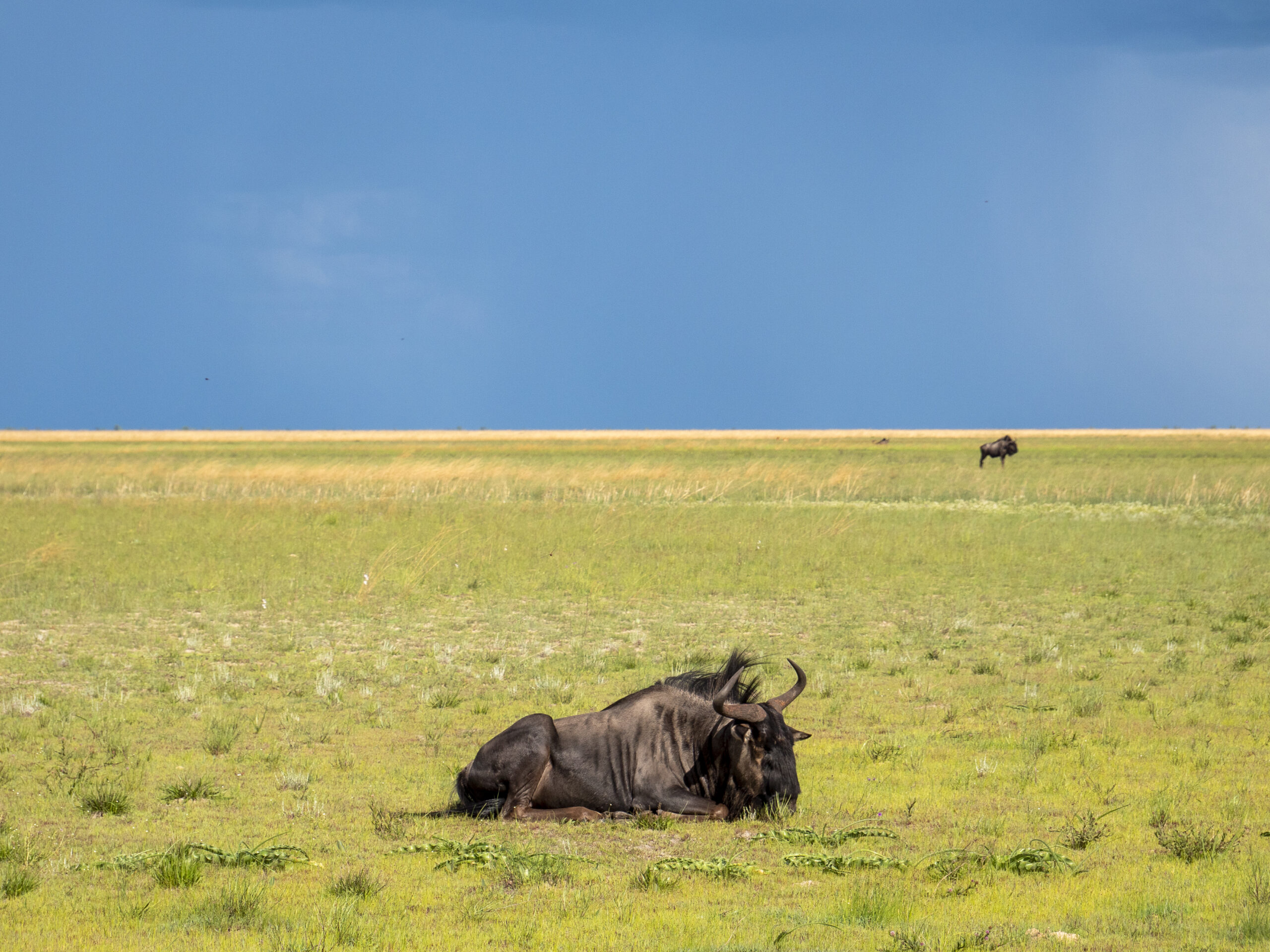


.svg)