Where to Go in 2026: My Picks
My 2026 picks: Uganda, Kenya, Australia and Zambia, plus Guyana and Northern Albania. Places that cap visitor numbers and still feel wild if you plan them well.
Read
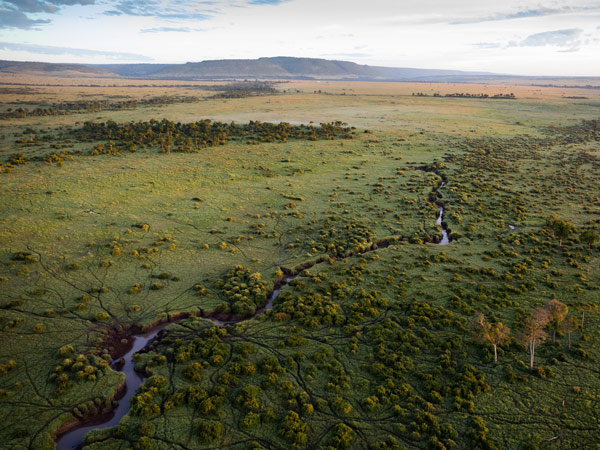
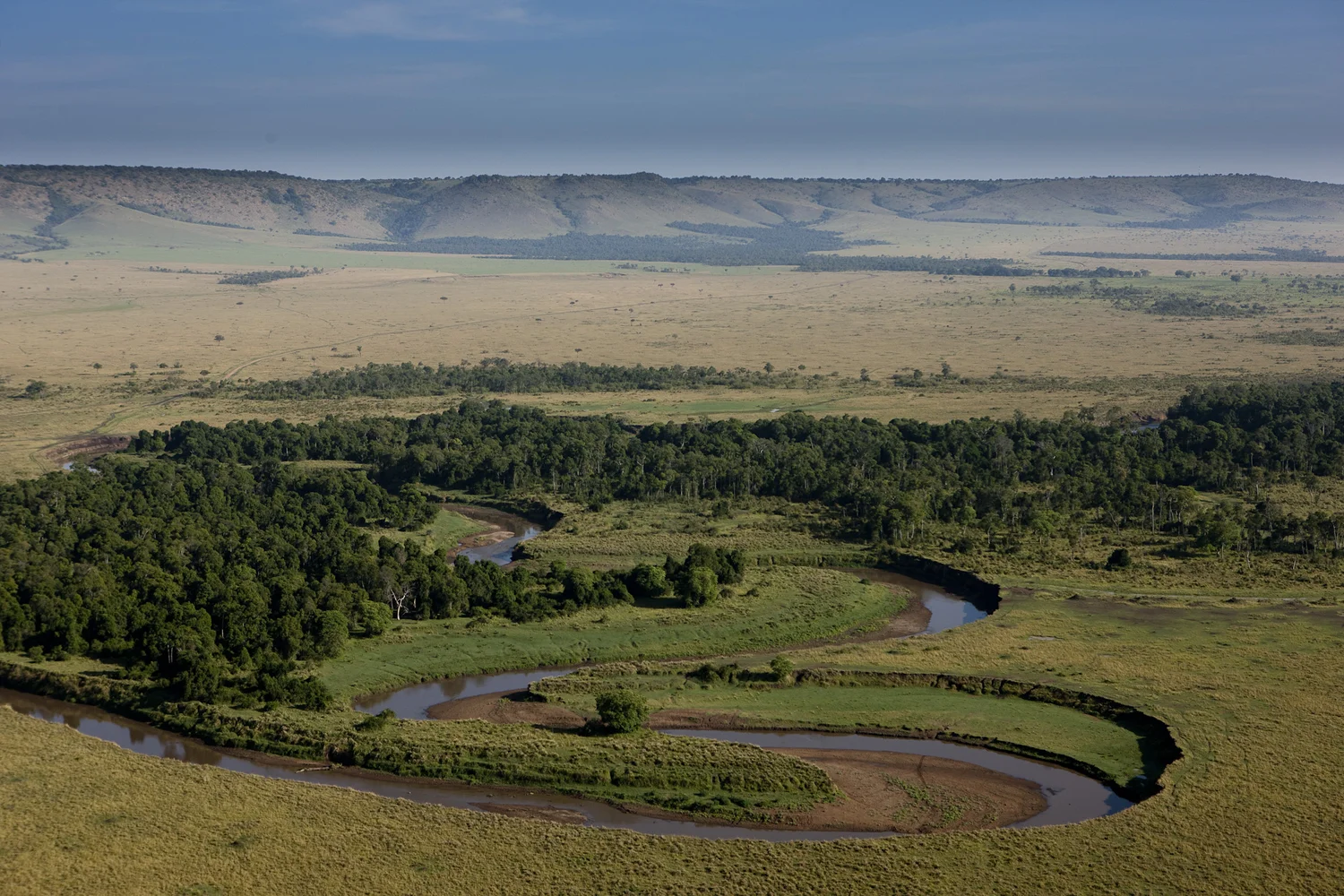
Most people think of “the Mara” as one place. In practice it is three distinct areas that share the same wildlife and the same migration, but run under different rules:
The animals move freely between them. What changes is how many vehicles you share a sighting with, whether you can leave the track, and whether you can go out at night or on foot. Which one you choose will shape your Kenya safari more than any other decision.
The reserve covers the central and eastern part of the ecosystem and is public land. It has very high wildlife density, large open grasslands and migration river crossings along the eastern banks of the Mara River.
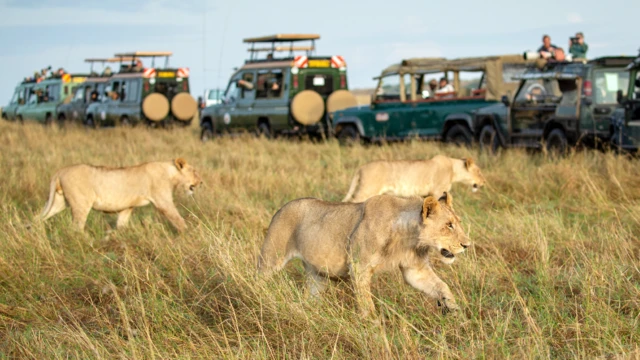
The rules are those of a national reserve. You stay on the tracks, game drives run in daylight only, and walking safaris are not allowed. There is no cap on vehicle numbers, so in peak migration months a good sighting can draw dozens of cars.
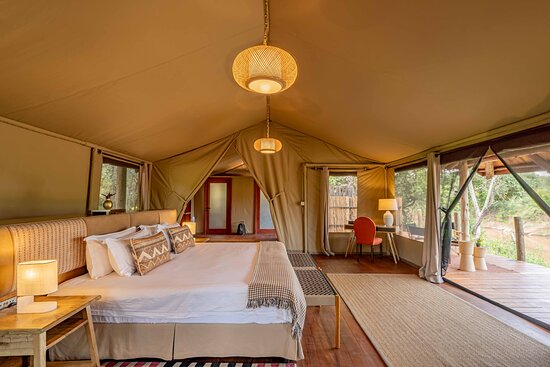
Camps and lodges range from budget to high-end. The one I recommend inside the reserve is Governor's Camp, in a corner of the reserve next to the Triangle.
The Triangle is the western part of the reserve, between the Mara River and the Oloololo Escarpment. It is still public land under the same park rules: no off-road driving, no night drives and no walking. The difference is management. It is run by the Mara Conservancy, which has put money into roads, ranger patrols and visitor control, and on the ground that means fewer vehicles relative to the wildlife and calmer sightings than in the busiest parts of the reserve.
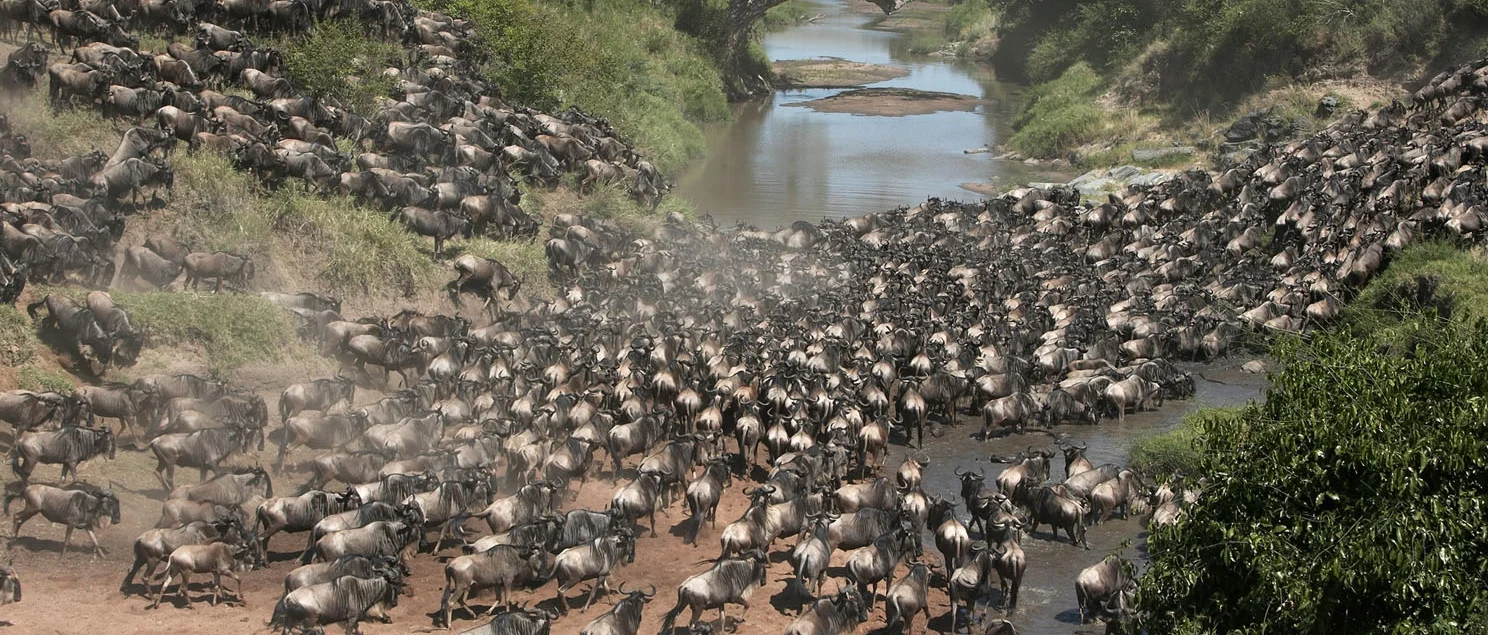
The Triangle sits right on the migration route, and some of the most dramatic river crossings happen here. In peak migration months it is often my preferred stretch of public land. Angama Mara sits on the escarpment above it.
A conservancy is land owned by Maasai families, often hundreds of them, who have agreed to set it aside for wildlife and lease it to a small number of safari camps. The camps pay the landowners a lease fee, typically a fixed annual amount whether the camps are full or not. That gives families a steady income that depends on the wildlife staying, and it funds jobs, guide training, schools and local infrastructure. In some conservancies the owners keep grazing rights, so you may see cattle on the edges.
Each conservancy limits the number of camps and beds on its land, and only guests staying at those camps can drive there. There is no self-driving and no day traffic from outside. The Mara conservancies sit to the north and east of the reserve and are often described as the Greater Mara.
The trade-off is that the biggest river crossings mostly happen inside the reserve and the Triangle. From a conservancy camp you can take a day trip into the reserve during migration season, paying the reserve fee for that day.
For 2026 the reserve charges non-resident adults $100 per person per day from January to June and $200 per person per day from July to December. If you stay outside the reserve, a ticket is valid for 12 hours. The Triangle sells its own tickets, cashless only, valid from 6 am to 6 pm.
Conservancy fees are usually built into the camp's nightly rate. Camps in or overlooking the reserve and the Triangle sometimes show park fees separately, so two quotes that look similar may not be. I always check what a rate includes. My Kenya safari cost guide has current ranges by camp tier.
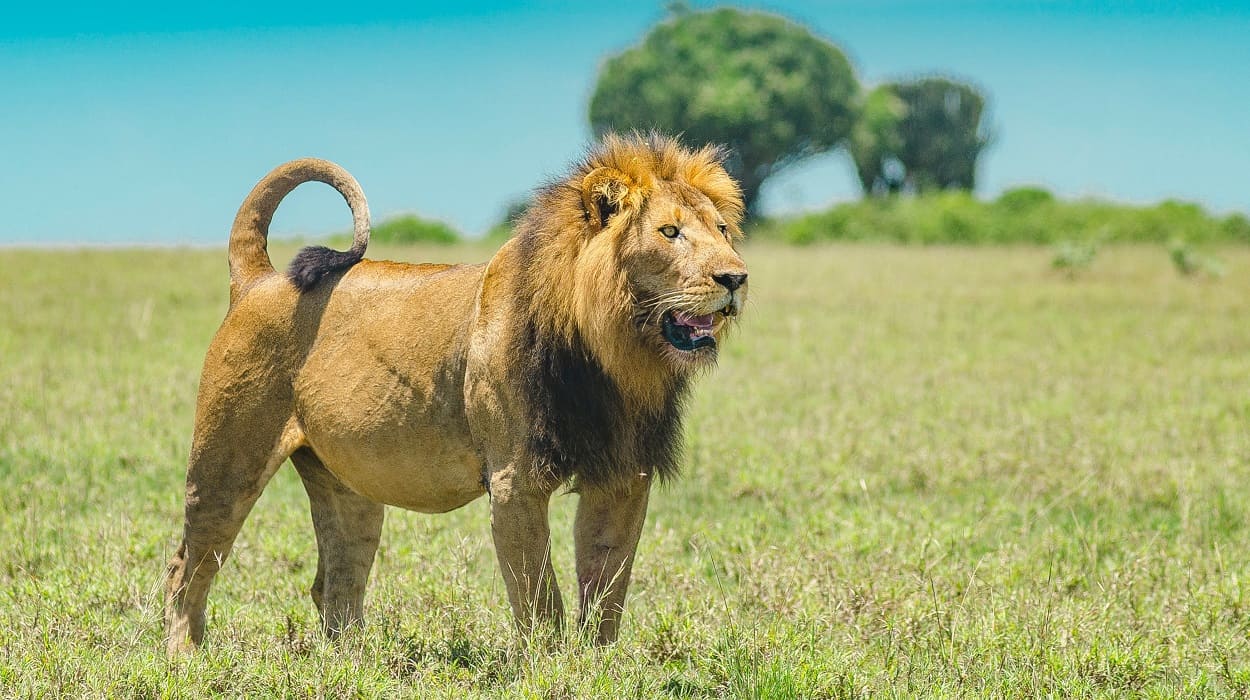
Olare Motorogi. Some of the lowest vehicle densities in the ecosystem and consistently strong lion and leopard viewing. My preferred camp is Mara Plains Camp.
Naboisho. One of the larger conservancies, good for walking and night drives, with strong community involvement. My preferred camp is Naboisho Camp.
Mara North. Large and varied, with some of the best scenery in the Mara and strong migration movement in season.
Ol Kinyei. One of the original conservancies, quiet and low-key, with very few guests. Good for photographers and repeat visitors.
For most of my clients I start with a conservancy. In migration season, pairing a conservancy with a few nights on the Triangle side works well. For more on avoiding crowds across Africa, see my guide to planning a safari without the crowds, and for a sample route, my Samburu and Mara itinerary.
If you're unsure which part of the Mara fits your trip, tell me about your trip and I'll help you decide.
Every itinerary begins with a 20-minute planning call. From there, a $250 planning fee, credited in full toward your booked trip and non-refundable if you don’t book. I brief the property before you arrive — that's what the fee funds.
Plan your trip