Every intinerary begins with a conversation. Tell us what you're dreaming of, and we'll design a journey tailored entirely to you.
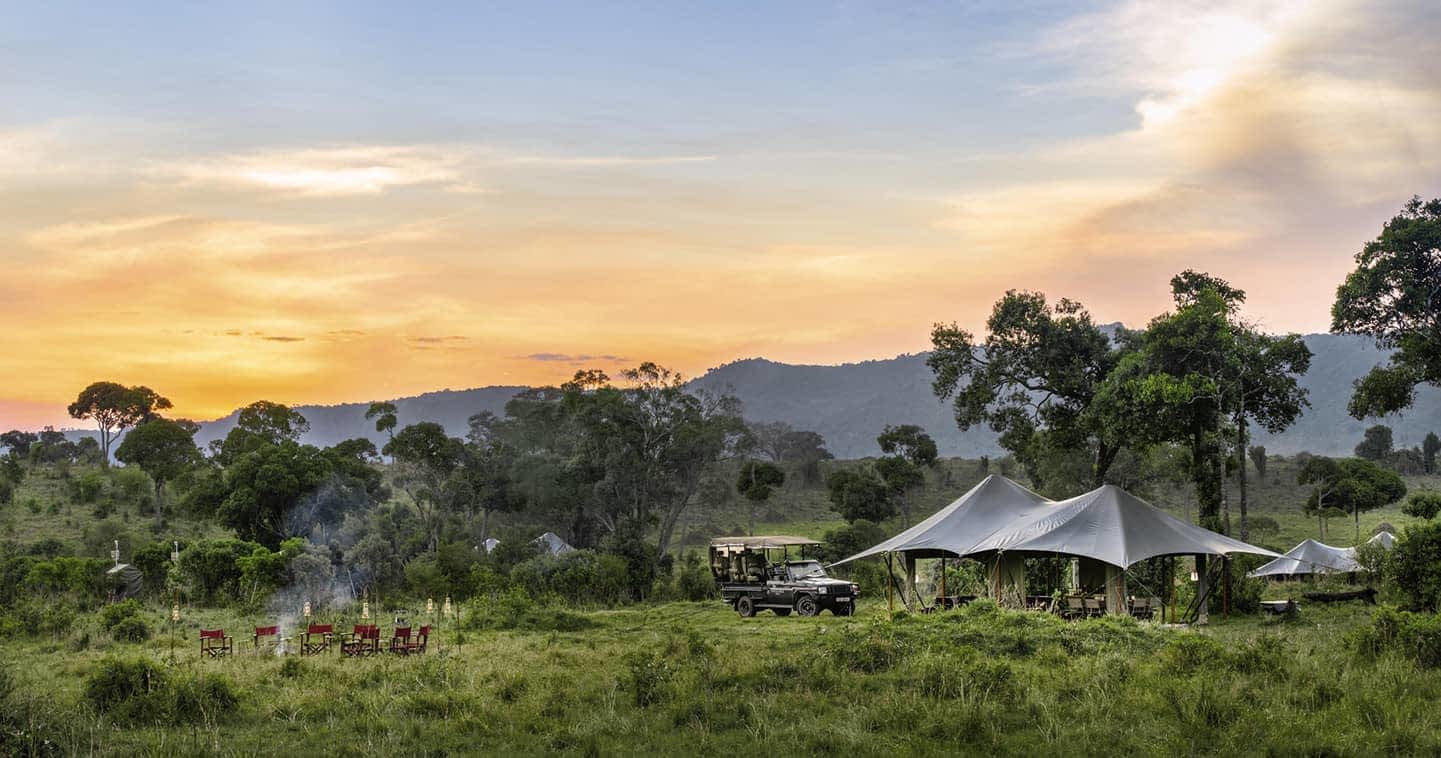
Take the Next StepsThe Mara Conservancies are privately or community-owned lands that border the Masai Mara National Reserve. They share the same wildlife and migration patterns—but offer a fundamentally different safari experience.
This is where Kenya works best.
The conservancy model prioritizes controlled access, land stewardship, and experience quality, allowing wildlife behavior to unfold without pressure and guests to engage more deeply with the ecosystem.
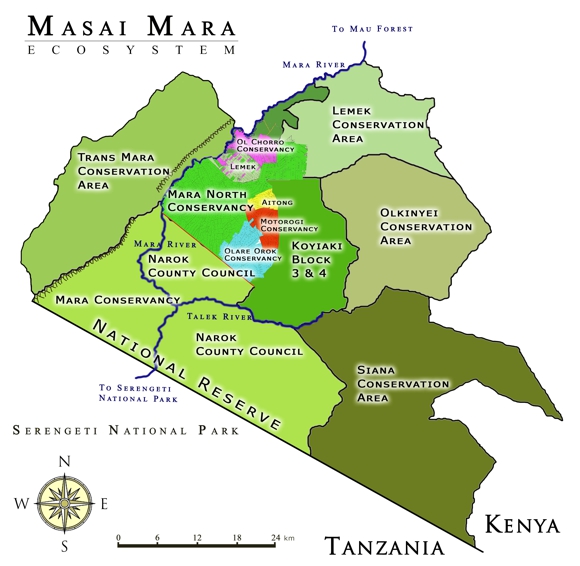
Conservancies exist because the central Masai Mara became a victim of its own success. Vehicle congestion, limited regulation, and pressure on wildlife led landowners to pursue a different model.
In conservancies:
The result is safari that feels intentional rather than reactive.
Each conservancy has a distinct character. We select among them based on wildlife movement, seasonality, and guest priorities.
The gold standard for predator viewing
Olare Motorogi offers some of the lowest vehicle densities in the Mara ecosystem and consistently excellent big cat sightings.
We like it for:
Our preferred camp:
Mara Plains Camp
Balance, flexibility, and strong community integration
Naboisho is one of the largest conservancies, offering a balance between open plains, rolling hills, and strong year-round wildlife.
We use Naboisho for:
Our preferred camp:
Naboisho Camp — refined but grounded, with excellent guides and a strong sense of place. A reliable choice for first-time Kenya travelers who want depth without intensity.
Quiet, intimate, and understated
Ol Kinyei was one of the original conservancies and remains one of the most restrained.
We like it for:
Our preferred camp:
Porini Lion Camp — simple, well-located, and guiding-driven. Best for travelers who want immersion rather than amenities.
Scale and diversity
Mara North covers a large area with varied terrain and strong migration movement.
We use Mara North when:
Our preferred camp:
Saruni Mara — perched on a hill with sweeping views, offering both seclusion and excellent access to the plains below.
Transitional, flexible, and value-driven
Lemek sits between the reserve and several conservancies, making it useful in mixed itineraries.
We use Lemek selectively, often when:
Our preferred camp:
Lemek Camp — a strong, classic safari option focused on guiding and access rather than excess.
For most of our travelers, conservancies deliver a meaningfully better experience than staying inside the reserve alone.
Ideal for:
Less ideal for:
If you are coming to Kenya with us, this is usually where we start the conversation.
The conservancies represent Kenya’s most successful alignment of wildlife protection, community benefit, and guest experience. They are not an upgrade for the sake of luxury—they are a correction to how safari works best.
Mammals
Primates
Birdlife (savannah & conservancy specialists)
Reptiles
Every intinerary begins with a conversation. Tell us what you're dreaming of, and we'll design a journey tailored entirely to you.
Take the Next Steps


.svg)