Masai Mara National Reserve

Density, Drama, and Trade-Offs

Ready to Plan Your Journey?

Every intinerary begins with a conversation. Tell us what you're dreaming of, and we'll design a journey tailored entirely to you.

Take the Next Steps

Masai Mara National Reserve

The Masai Mara National Reserve is the heart of Kenya’s most famous ecosystem. It delivers extraordinary wildlife density, iconic big-cat sightings, and the raw spectacle that made the Mara globally known.

It also comes with real trade-offs.

Understanding those trade-offs—and designing around them—is what separates a considered safari from a chaotic one.
The Core of the Mara Ecosystem

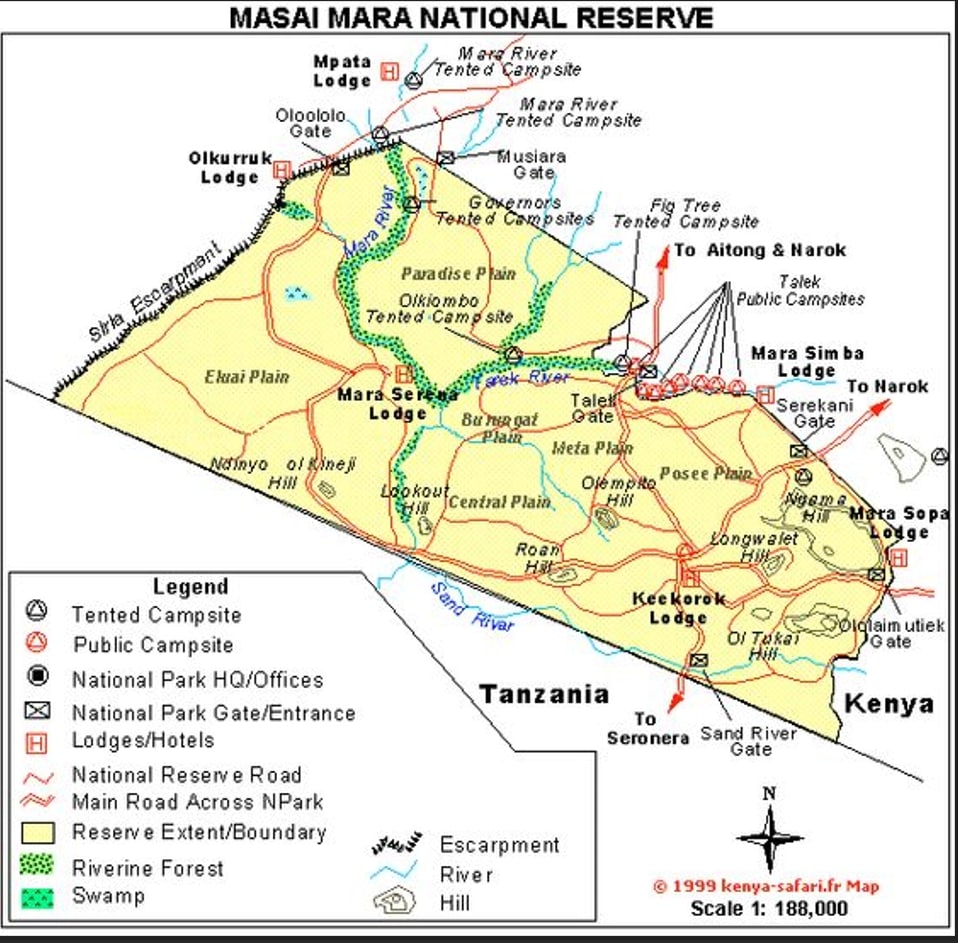
The National Reserve covers the central and eastern portions of the greater Mara ecosystem and forms the anchor for seasonal wildlife movement, including the annual wildebeest migration.

This is where you’ll find:

  • The highest concentration of predators
  • Large, visible herbivore herds year-round
  • Classic open savannah landscapes

From a purely biological standpoint, this is one of Africa’s richest wildlife areas.

Wildlife Density: The Undeniable Strength

The Reserve’s biggest advantage is simple: volume.

Game drives here often produce:

  • Multiple big-cat sightings in a single outing
  • Large prides of lions and visible cheetah coalitions
  • Constant plains game movement

For travelers whose priority is seeing as much wildlife as possible, the Reserve delivers reliably.

The Reality of Vehicle Pressure

The same density that makes the Reserve famous also creates its greatest challenge.

As public land, the Masai Mara National Reserve:

During peak periods—particularly migration season—popular sightings can draw dozens of vehicles, changing the character of the experience.

This does not negate the wildlife value, but it does affect how encounters feel.

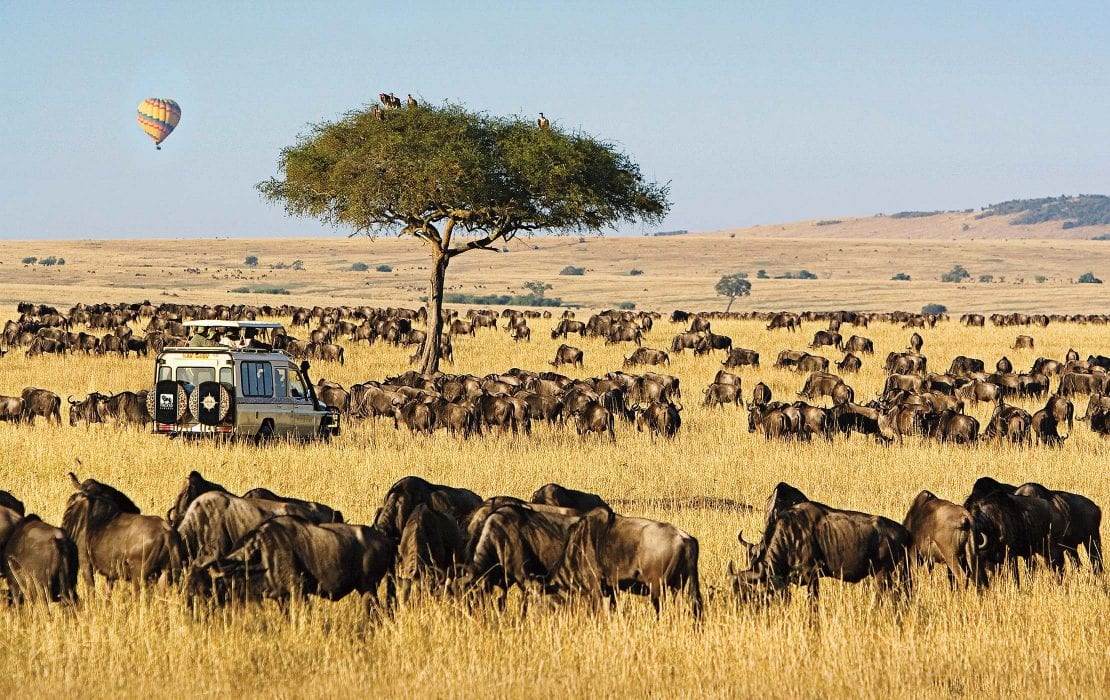
Migration Viewing: Spectacle at Scale

The Reserve remains one of the best places in Africa to witness:

  • Large migration herds on open plains
  • Predator activity tied to migration movement
  • River crossings along certain access points

When conditions align, the spectacle is unmatched. But it is important to be clear: migration viewing in the central Reserve is often shared, not solitary.

For some travelers, that energy is part of the appeal. For others, it is a reason to look elsewhere.

How the Reserve Compares to Other Mara Options

We position the National Reserve carefully within itineraries.

This makes the Reserve most effective when:

  • Wildlife volume is the top priority
  • Travel timing aligns with migration movement
  • Expectations around crowding are realistic

It is not inferior to other options—but it is less refined.

Our preferred camp in the Mara National Reserve is Governor's Camp which is tucked into a remote corner of the Reserve abutting the Mara Triangle.

You might recognize Governor's Camp's core area from Big Cat Diaries. This is the only camp in the Reserve that we recommend based on it's level of comfort and relative exclusivity compared to the camps in the rest of the Reserve.

When We Use the Masai Mara National Reserve

We recommend time in the Reserve when:

  • Guests are first-time safari travelers
  • Migration spectacle is the primary goal
  • The itinerary pairs Reserve time with conservancy or Laikipia stays

Used strategically, the Reserve can deliver unforgettable moments without overwhelming the journey.

Who the Masai Mara National Reserve Is Right For

Ideal for:

  • First-time Kenya visitors
  • Migration-focused travelers
  • Guests prioritizing quantity of wildlife
  • Travelers comfortable sharing sightings

Less ideal for:

  • Guests seeking solitude or silence
  • Photographers wanting controlled access
  • Travelers interested in walking or night safaris

How We Think About the Masai Mara National Reserve

The National Reserve is the engine of the Mara ecosystem.

It is powerful, productive, and occasionally overwhelming. When included with intention—and balanced with better-managed areas—it delivers exactly what it promises: one of the most wildlife-rich experiences on the planet.

The key is knowing when and how to use it.

Species in the Area

Mammals

  • African elephant
  • African buffalo
  • Lion
  • Leopard
  • Cheetah
  • Spotted hyena
  • Plains zebra
  • Blue wildebeest (core of the Great Migration)
  • Topi
  • Plains giraffe
  • Eland
  • Impala
  • Thomson’s gazelle
  • Grant’s gazelle
  • Warthog
  • Hippopotamus

Primates

  • Olive baboon
  • Vervet monkey

Birdlife (savannah & river specialists)

  • African fish eagle
  • Martial eagle
  • Secretary bird
  • Saddle-billed stork
  • Marabou stork
  • Grey crowned crane
  • Lilac-breasted roller
  • White-headed buffalo weaver

Reptiles

  • Nile crocodile
  • Monitor lizard

Lion

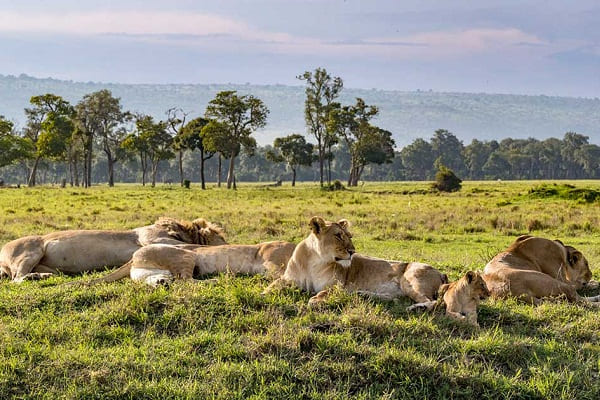
The Masai Mara National Reserve supports one of the highest densities of lions in Africa, sustained by open grasslands, abundant prey, and the seasonal pulse of the Great Migration. Large prides are often visible in daylight, sprawled across plains or coordinating hunts in the open—behavior made possible by the Reserve’s expansive visibility and prey-rich environment. While lions are widespread across the ecosystem, the Mara Reserve offers uniquely reliable encounters and frequent interactions between rival prides. For travelers focused on seeing lions in action rather than by chance, understanding where density, prey, and visibility align is key to making the most of time in the Reserve.

Ready to Plan Your Journey?

Every intinerary begins with a conversation. Tell us what you're dreaming of, and we'll design a journey tailored entirely to you.

Take the Next Steps

No items found.