Every intinerary begins with a conversation. Tell us what you're dreaming of, and we'll design a journey tailored entirely to you.
Take the Next StepsThe Mara Triangle occupies the western portion of the greater Masai Mara ecosystem, bordered by the Mara River and managed independently from the rest of the reserve. While it shares the same wildlife and migration patterns as the central Masai Mara, the experience here is fundamentally different.
This difference comes down to management, access, and restraint.
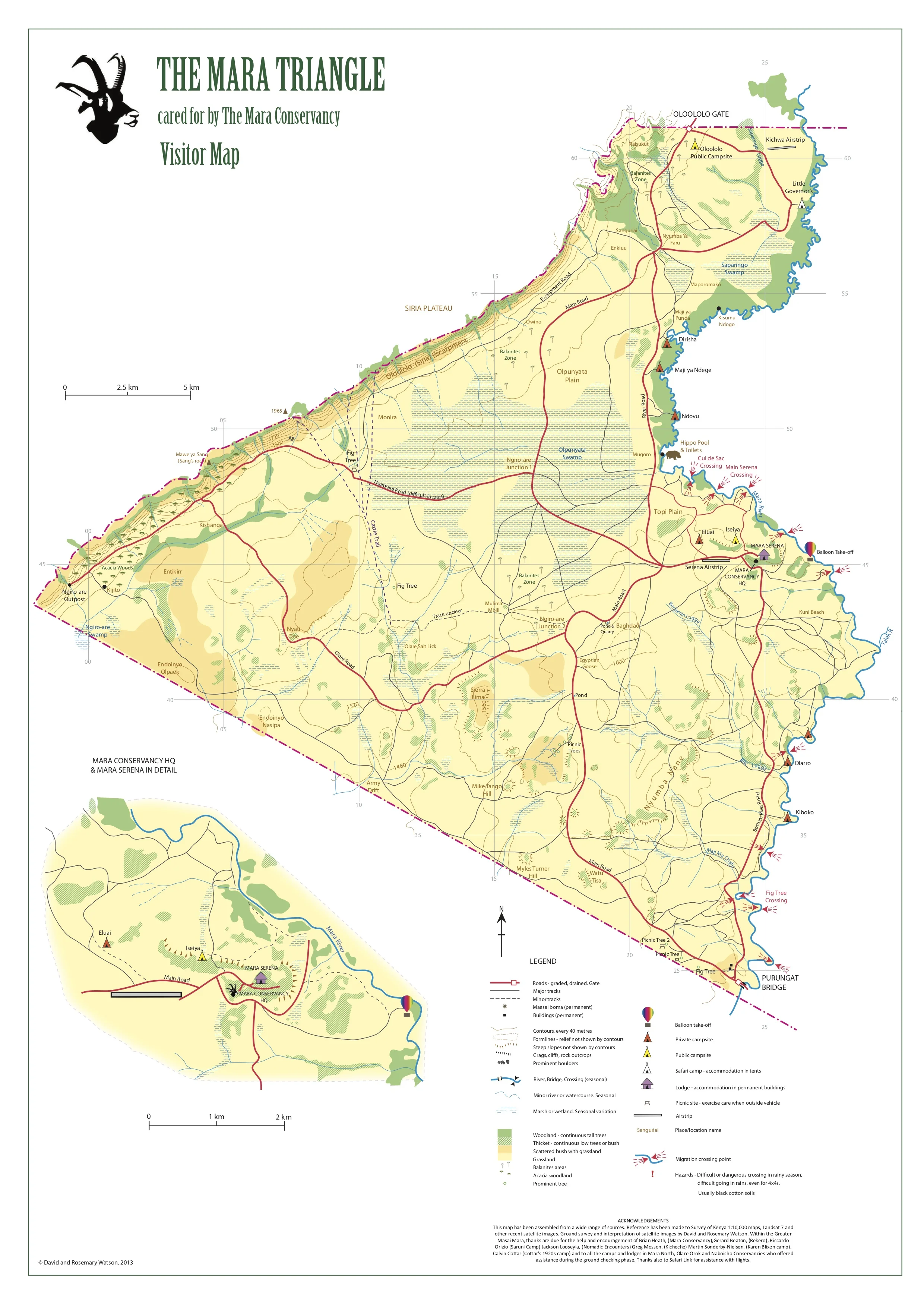
Unlike the rest of the Masai Mara National Reserve, the Triangle is managed by the Mara Conservancy, a public–private partnership that has prioritized infrastructure, conservation enforcement, and visitor control.
On the ground, this translates to:
It remains public land—but it is public land run well, which meaningfully changes the experience.
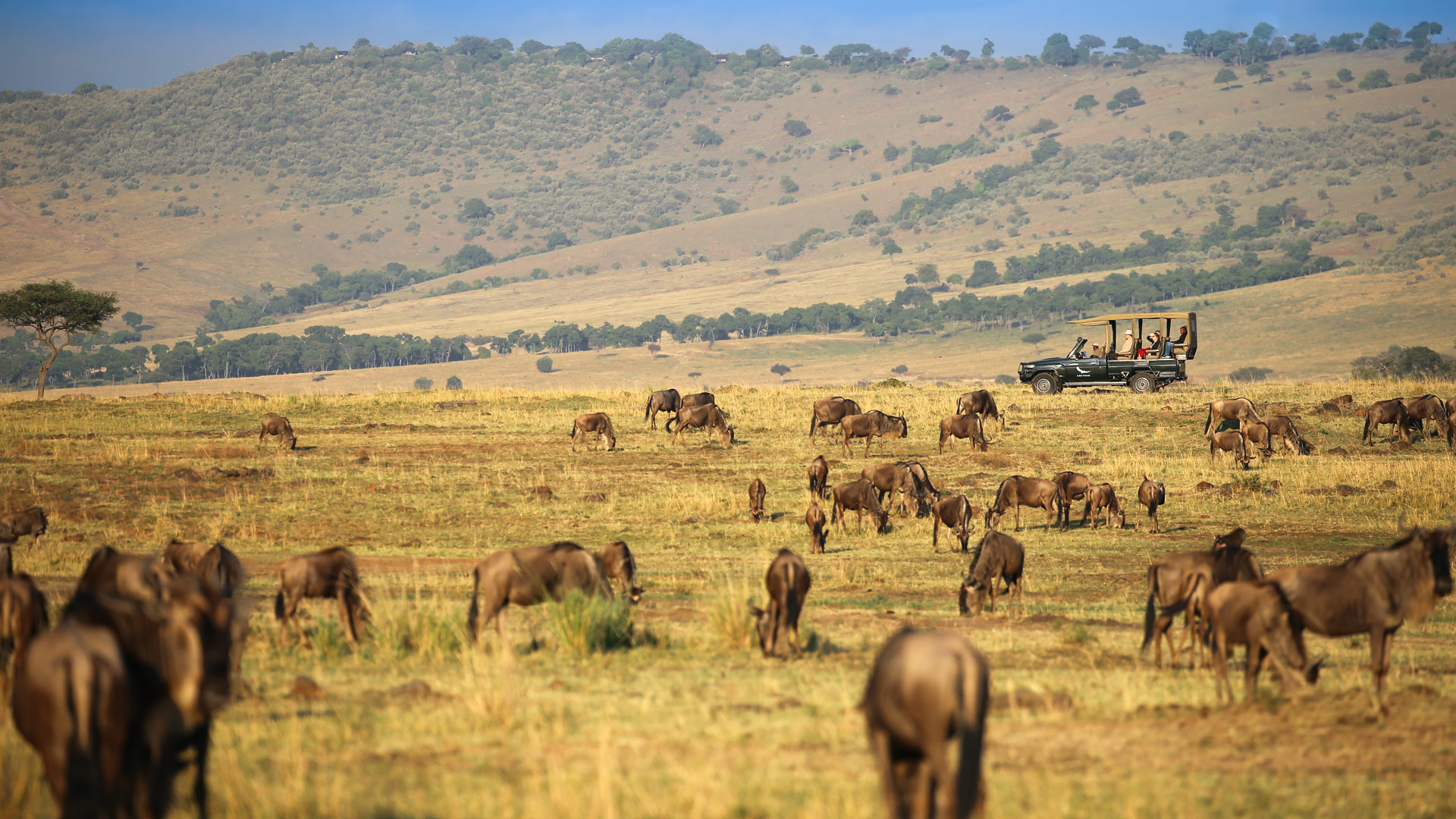
The Mara Triangle sits directly within the migration corridor and supports the same concentrations of wildlife as the rest of the Mara:
What differs is the quality of encounters. Sightings here are more likely to unfold with space and order, without the vehicle congestion that can dominate other parts of the reserve.
During peak migration months, this is often our preferred sector of public land, particularly along the Mara River.
Some of the most dramatic river crossings in the Mara ecosystem take place within the Triangle. While crossings are never guaranteed, the geography and management here often allow for:
When crossings happen in the Triangle, they tend to feel less performative and more natural, which matters for travelers who care about how wildlife is experienced—not just that it is seen.
Lodge choice is critical in the Triangle. The right property should offer immediate access to the river and plains, while providing distance and perspective from the intensity of daily game drives.
Angama sits high on the Oloololo Escarpment overlooking the Mara Triangle, offering one of the most dramatic vantage points in East Africa. Its location allows quick access down onto the plains while retreating each evening to complete quiet and space.
We like Angama for travelers who want:
It works particularly well for guests pairing the Triangle with conservancies or Laikipia later in their itinerary.
Bateleur Camp offers a more classic safari feel, with tents set within the ecosystem itself rather than above it. Its location provides strong access to Triangle game-driving areas and migration routes.
Bateleur suits travelers who value:
It is a solid choice for guests who want to stay grounded in the plains while still benefiting from the Triangle’s superior management.
We position the Mara Triangle carefully within Kenya itineraries.
This makes it especially effective when:
It is not the most refined Mara experience—but it is often the most disciplined public one.
Ideal for:
Less ideal for:
The Mara Triangle is about execution rather than exclusivity.
When timed well and paired with the right lodge, it delivers one of East Africa’s most reliable wildlife experiences—without the disorder that often defines public reserves elsewhere in the Mara.
It is proof that in the Masai Mara, how land is managed matters as much as where you go.
Mammals
Primates
Birdlife (savannah & river specialists)
Reptiles
Every intinerary begins with a conversation. Tell us what you're dreaming of, and we'll design a journey tailored entirely to you.
Take the Next Steps


.svg)