
.svg)
Where to Go in 2026: Our Expert Picks
Our 2026 picks: Uganda, Kenya, Australia and Zambia, plus Guyana and Northern Albania. Places that cap visitor numbers and still feel wild if you plan them well.
Discover
The Ngorongoro Crater is on almost every first safari in Tanzania, and for good reason: a collapsed volcano with a floor full of animals, including one of the few places in East Africa where you have a fair chance of black rhino. It is also easy to do badly, with a late start, a crowded floor and a long drive back. Here is how the Crater day works, where to stay, what else the highlands offer, and how it fits with Tarangire and the Serengeti. If you are still choosing a country, start with our guide to Tanzania, Botswana, Rwanda or South Africa.
The Crater sits inside the Ngorongoro Conservation Area, which covers about 8,292 km² between the Rift Valley and the Serengeti plains and has been a UNESCO World Heritage Site since 1979. The Crater itself is only a small part of it. Its floor covers about 260 km² and lies roughly 600 meters below the rim, at around 1,800 meters above sea level.
Unlike Tanzania's national parks, the Conservation Area was set up for both wildlife and people. Maasai families live and herd cattle across the highlands, which makes it a very different landscape from a fenced or uninhabited park. You will pass their homesteads and herds on the roads, and that is part of what makes the area worth more than a single day.
You go down in a safari vehicle with a licensed guide. The rules are strict, and they exist because so many vehicles share a small space:
Exact gate times, fees and limits change from time to time, so we confirm them for each trip. The practical effect is that the Crater takes half a day or most of a day.
The most useful thing you can do is be at the descent road when it opens, around dawn. The early light on the floor is lovely, the animals are active, and you get time on the floor before most vehicles arrive from lodges farther away. By late morning the popular sightings can draw a line of vehicles. Many guides take a picnic breakfast or lunch so you can stay down without driving back up to eat.
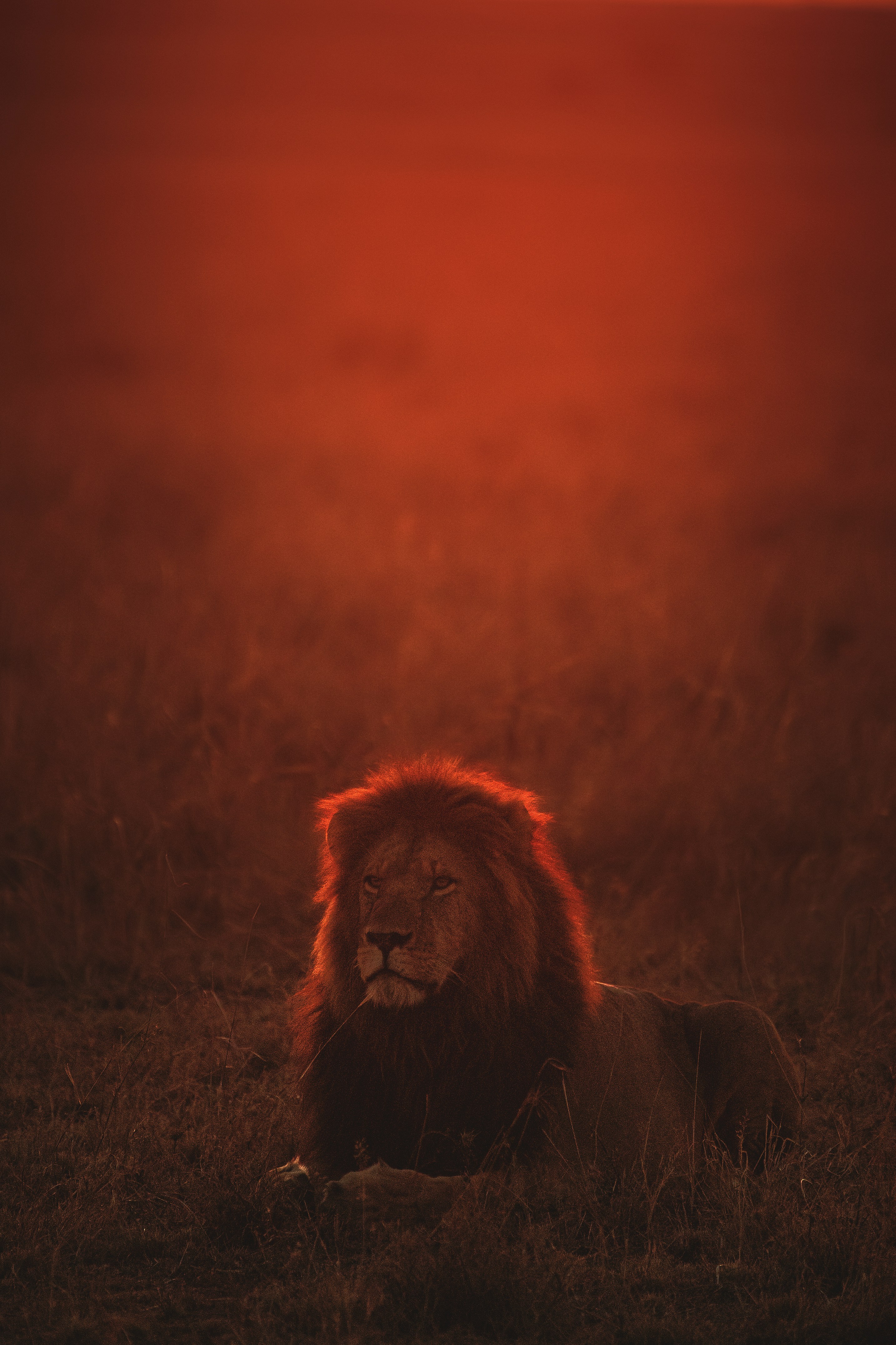
The floor is a mix of open grassland, a soda lake, swamp and patches of forest. Buffalo, wildebeest, zebra and hippo are near-certain, and lion and spotted hyena are often seen. Large bull elephants often feed in the swamps and forest. The headline animal is black rhino. The population is small and closely protected, and they can be shy and distant, so a sighting is never guaranteed. Binoculars help a lot here.
Where you sleep decides how early you can be on the floor and what else you can do with your time.
Lodges on the rim give you the shortest drive to the descent road. andBeyond Ngorongoro Crater Lodge is the best known, but it has been closed since January 2025 for a complete rebuild and is planned to reopen in January 2027. If you are travelling from 2027 it is worth a look, though we would want to see early reviews before recommending it as the only option.
The Highlands, an Asilia camp, sits on the slopes of Olmoti Crater in Maasai country, about an hour from the Ngorongoro Crater. It has eight domed suites with wood-burning stoves, and it is set up for walking as much as driving. It is high and cold at night, and the drive to the Crater is longer than from the rim, but you get a much quieter side of the highlands.
Karatu is a farming area on the outer slopes, below the Crater rim. Gibb's Farm is a working coffee farm with a farmhouse dating to 1929, garden cottages and food grown mostly on the farm. The Crater gate is about forty minutes away, so you will not be first onto the floor, but it is warmer than the rim and a very comfortable place to spend two nights. Guided walks lead into the forest to caves where elephants dig for mineral-rich soil.
Most visitors only see the Crater. If you have an extra day, two smaller craters to the north are well worth it, and both are done on foot with a guide and a ranger.
Both are much easier from The Highlands than from Karatu. The Empakaai walk is steep on the way back up, so it suits people with reasonable fitness.
Visits to Maasai communities are offered all over the Conservation Area. They vary a lot in quality. The better ones are arranged through a lodge with a long relationship with a particular village, are small, and leave time for conversation rather than a performance. Ask your guide what the visit involves and how the community benefits before you go. Staying at a camp like The Highlands, in the middle of Maasai grazing land, usually gives you a more natural sense of daily life than a drop-in visit.
The Crater sits in the middle of the northern circuit, so it fits naturally between Tarangire and the Serengeti.
Tarangire National Park is best known for its elephants and baobabs, especially in the dry season when animals gather along the river. Chem Chem Lodge, about two hours by road from Arusha, sits in a private wildlife corridor between Tarangire and Lake Manyara, with walking on its own land and drives into the park. It closes each year from 1 April to 14 May.
From the highlands, the road drops down onto the Serengeti plains, passing the turn-off for Olduvai Gorge, where Mary and Louis Leakey's excavations found some of the most important early human fossils. Where you go next in the Serengeti depends on the month. Our post on following the Great Migration explains where the herds are through the year. In the far north, Lamai Serengeti is our pick for the river crossing season.
Two nights in the highlands is the minimum: one full Crater day plus arrival and departure. Three lets you add Olmoti or Empakaai. A typical northern circuit runs two nights in Tarangire, two or three in the highlands and three or four in the Serengeti. Our Tanzania itinerary follows this shape.
If you would like help planning the Crater and the northern circuit, get in touch.
Every itinerary begins with a conversation. Tell us what you're dreaming of, and we'll design a journey tailored entirely to you.
Plan Your Trip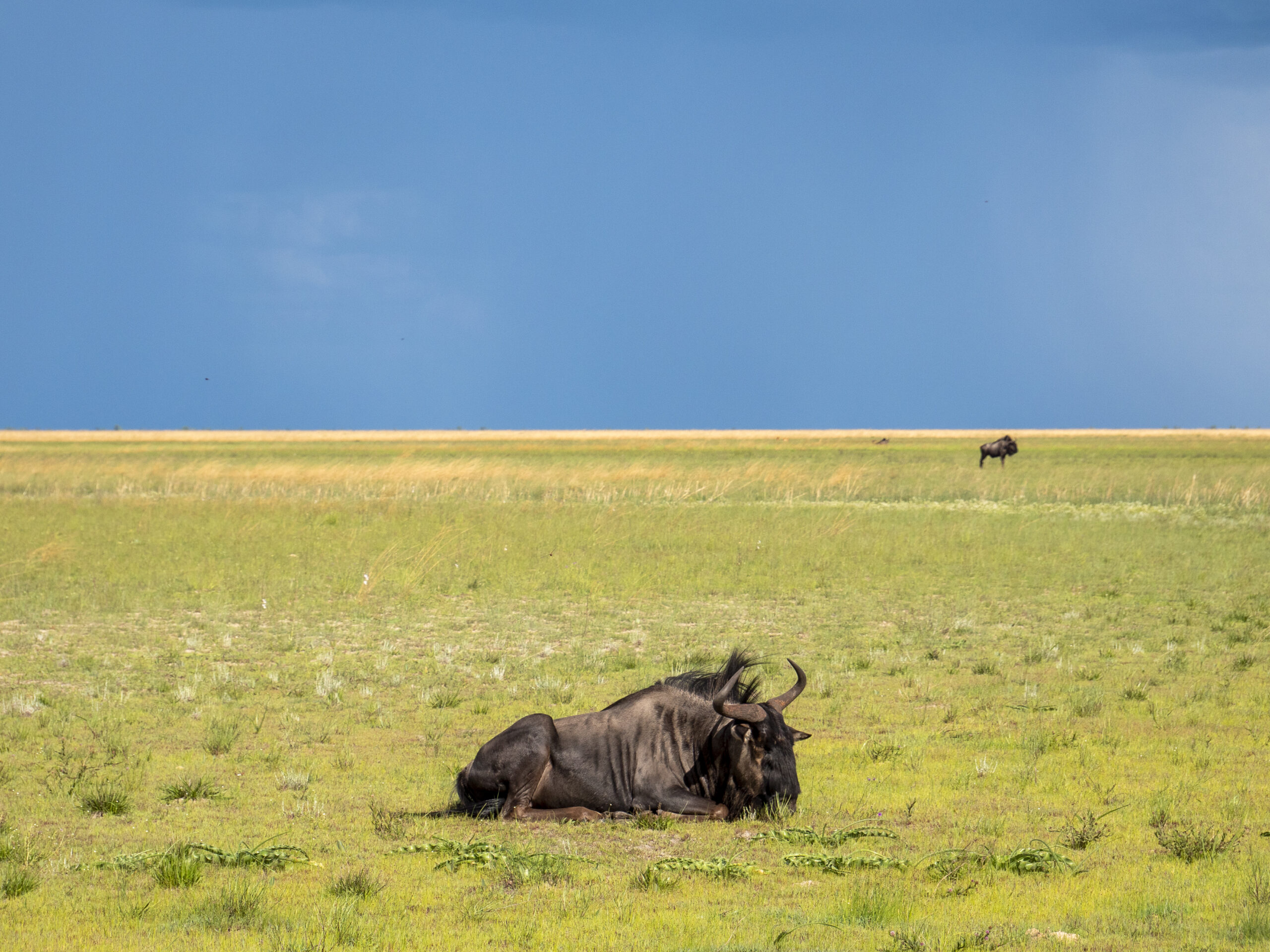



.svg)