Where to Go in 2026: My Picks
My 2026 picks: Uganda, Kenya, Australia and Zambia, plus Guyana and Northern Albania. Places that cap visitor numbers and still feel wild if you plan them well.
Read
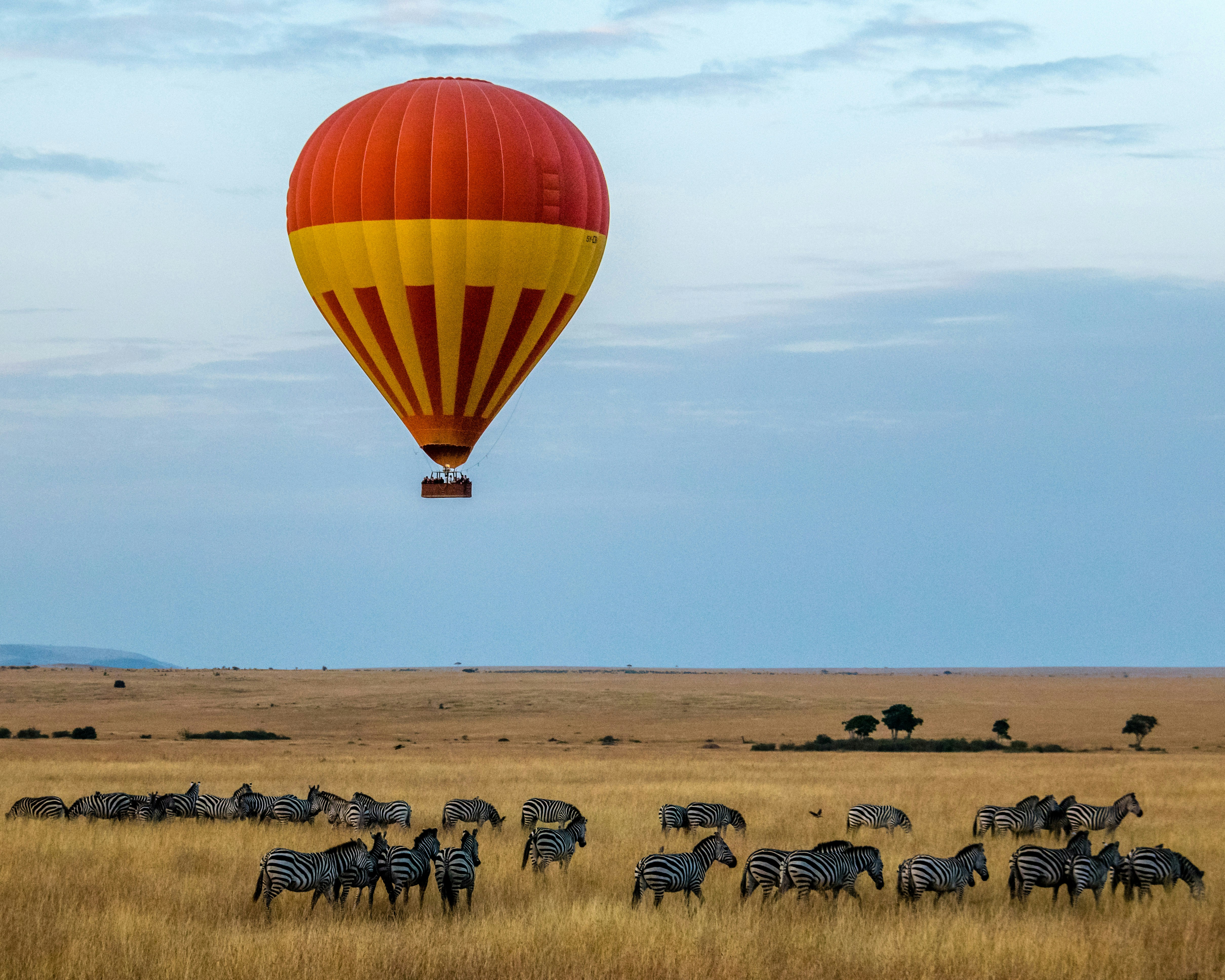
Not because they pick a bad destination. Almost nobody picks a bad safari destination — the famous parks are famous for good reason. They book the wrong safari because they start from the park's name instead of from the animal they actually want to see, and they treat the month as an afterthought instead of the whole ballgame.
Here's how it usually goes. Someone decides this is the year. They've heard of the Masai Mara, so the Mara it is — in February, because that's when their vacation falls. They arrive wanting river crossings. The crossings happen July to October. They see a lovely, green, largely empty savanna, some resident game, and they come home saying safari was "nice." It was the right park. It was the wrong safari.
The fix is to plan in the opposite order: animal first, park second, month third, lodge last. The lodge is the part everyone obsesses over, and it matters — but a perfect lodge in the wrong place in the wrong month loses to a good lodge in the right place in the right month, every time.
What do you actually want to see? Start there.
| You want to see | Go here | In these months | Why |
|---|---|---|---|
| Migration river crossings | Masai Mara (Kenya) / Northern Serengeti (Tanzania) | Jul–Oct | The herds bunch at the Mara River; crossings are a numbers game played over days, not a scheduled event |
| The migration on the move — calving | Southern Serengeti / Ndutu (Tanzania) | Jan–Mar | Half a million calves in a few weeks; predator action follows |
| Elephants in serious numbers | Chobe (Botswana), Hwange (Zimbabwe), Amboseli (Kenya) | Dry season, Jun–Oct | Dry months pull herds to permanent water; Amboseli adds Kilimanjaro as the backdrop |
| Big cats — leopards, lions, cheetahs | Leopards: Sabi Sand (South Africa) and South Luangwa (Zambia). Lions and cheetahs: the Mara and the Serengeti | Year-round; best Jun–Oct | Broken out, because they're different trips: Sabi Sand's leopards are the most habituated in Africa (private reserves, off-road, night drives); the Mara/Serengeti game is big prides and cheetahs hunting open plains |
| Gorillas | Volcanoes (Rwanda) / Bwindi (Uganda) | Drier months: Jun–Sep, Dec–Feb | Trekking is the trip; everything else is a bonus. Permits are the constraint — see below |
| Wild dogs | Okavango & Linyanti (Botswana), Mana Pools (Zimbabwe), Nyerere — the old Selous (Tanzania), South Luangwa (Zambia) | Jun–Oct | Dogs den in the dry season and hunt the floodplains; never guaranteed, and that's the point |
| Birds, and green-season drama | Zambia & Botswana's emerald season | Nov–Apr | Carmine bee-eaters, woodland kingfishers and European rollers pour in from the north; Kasanka hosts one of Earth's largest mammal migrations — millions of fruit bats. Skies detonate at sunset, rates drop — the photographers' season |
| Chimpanzees | Mahale and Gombe (Tanzania), Kibale (Uganda) | Jun–Oct (Kibale works year-round) | Trekking chimps is the gorilla trip's wilder cousin — louder, faster, deep-forest. Mahale adds Lake Tanganyika: track chimps in the morning, swim off a dhow in the afternoon |
| The weird list — pangolin, aardvark, serval | Tswalu Kalahari (South Africa); night drives in South Luangwa and the Lower Zambezi | Jun–Oct | The specialists' safari. These are night-drive and tracking animals — Tswalu is the most reliable pangolin address in Africa, and a good Luangwa guide treats an aardvark sighting like a lottery win |
| Walking safari, properly | South Luangwa (Zambia), Mana Pools (Zimbabwe) | Jun–Oct | Zambia invented the walking safari. You haven't understood the bush until you've been on foot in it |
Two things to notice about that table. First, the same park appears in different rows for different months — the Serengeti in February and the Serengeti in August are different trips wearing the same name. Second, there is no row for "the best safari." It doesn't exist. There is only the best match.
Timing errors are quieter than destination errors, and they cost the same money.
None of this is secret knowledge. It's sequencing. An advisor's job in safari planning is mostly this matching work — interrogating "we want to go on safari" until it becomes "we want leopards and elephants, we can travel in September, and we don't want to share a vehicle" — and then booking the permits, camps, and internal flights in the order they sell out, not the order they appear on an itinerary.
It's also why I built the 2027–28 Safari Availability Calendar: a one-page view of what to book, where, and by when — gorilla permits by March, the Okavango's best camps by the December before. If you're within a year of wanting to go, get the calendar and check your dates against it before you fall in love with a plan the calendar says is already gone.
And if you're further out and just want the matching done for you, that's the work. Start here — the planning fee is $250, credited in full toward your trip, and the first thing it buys is the right park in the right month.
Every itinerary begins with a 20-minute planning call. From there, a $250 planning fee, credited in full toward your booked trip and non-refundable if you don’t book. I brief the property before you arrive — that's what the fee funds.
Plan your trip