Where to Go in 2026: My Picks
My 2026 picks: Uganda, Kenya, Australia and Zambia, plus Guyana and Northern Albania. Places that cap visitor numbers and still feel wild if you plan them well.
Read
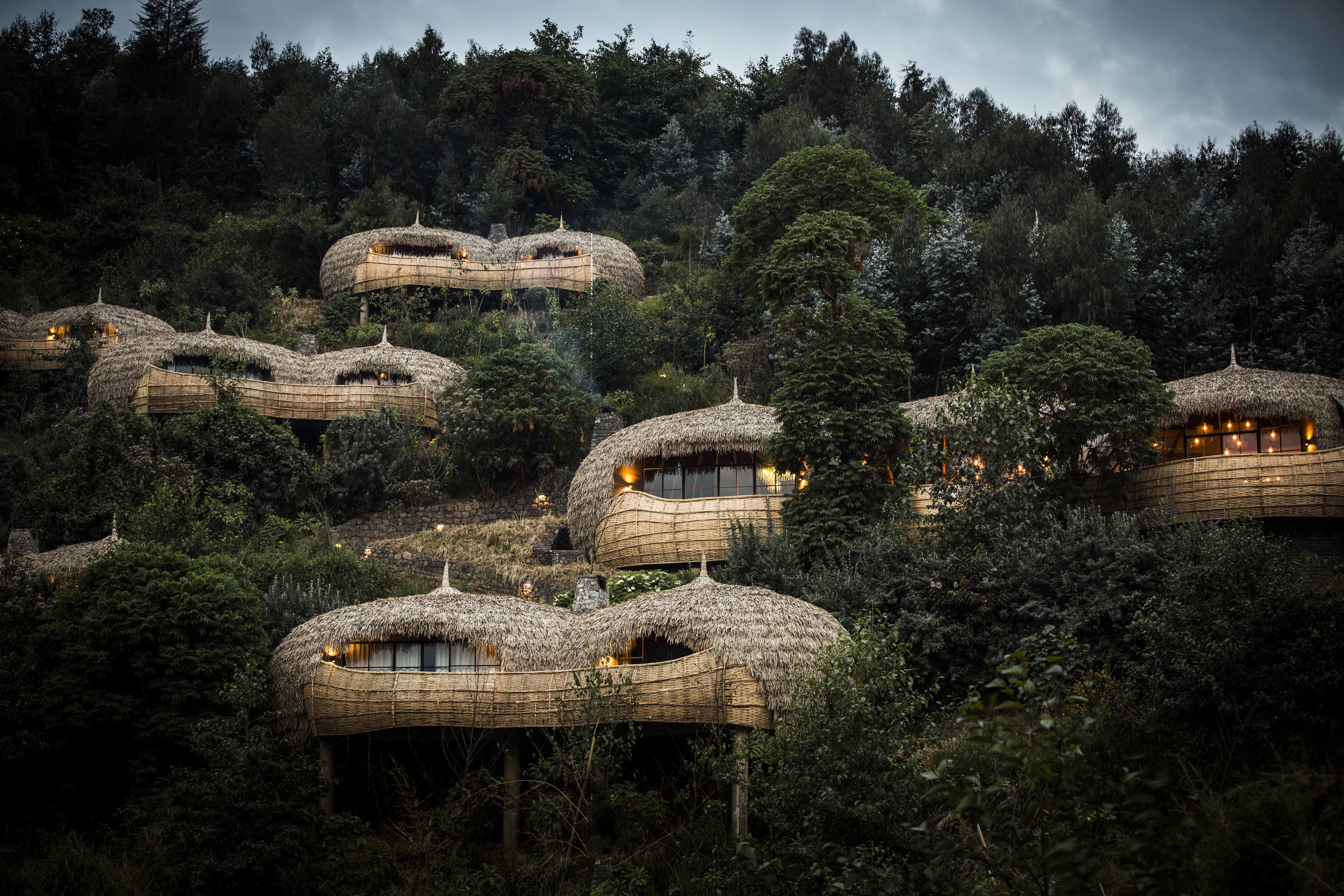
Some of the most extraordinary stays on Earth aren't on the "best hotels" lists, because the lists rank thread counts and these places trade in something rarer. Every stay below is properly luxurious — private villas, serious kitchens, service that knows your name — but that's not why it exists. It exists because of one species. The animal came first; the lodge is the closest thing to it that luxury has managed to build. The remoteness, the price, the waiting list: all of it is downstream of a single animal's address.
If you understand that, you understand how to book them: the animal sets the season, the season sets the dates, and the lodge is the last decision, not the first. Seven of the best examples on earth:
Wilderness Bisate sits in an eroded volcanic amphitheatre at the edge of Volcanoes National Park, close enough to the park gate that the trek starts almost from your villa's terrace. Six forest villas, a reforestation program planting tens of thousands of indigenous trees, and one purpose: at dawn you walk into the forest and spend an hour with a mountain gorilla family. Everything at Bisate — the altitude, the architecture, the price — is the cost of that hour, and it's worth it. Best window: the drier months, June–September and December–February — and don't write off October: we went in October and it was spectacular, greener forest and fewer trekkers on the mountain. Permits are limited per day and go first; they are the booking, the lodge is the wrapper.
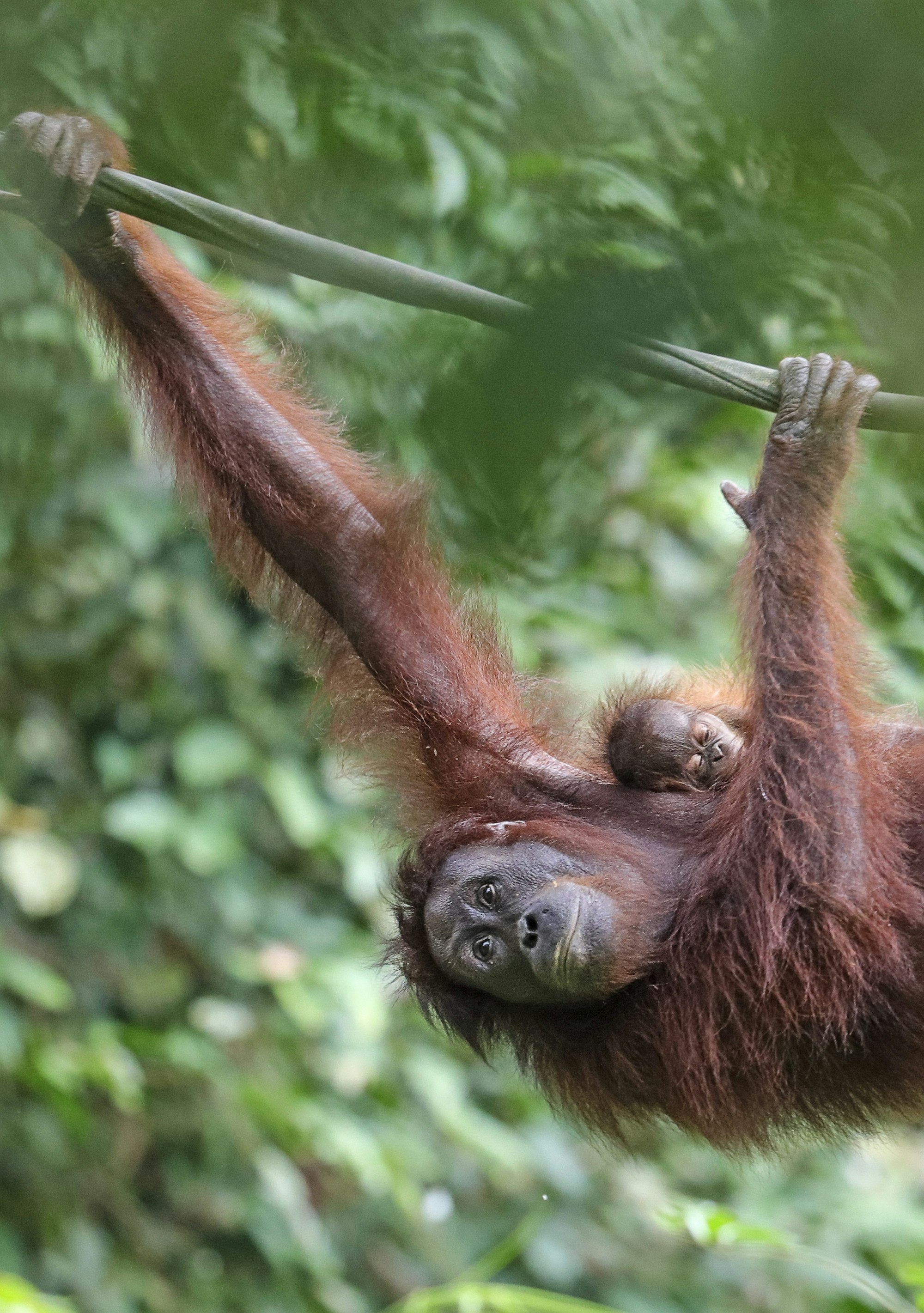
Deep in the Danum Valley Conservation Area — 130 million years of unlogged rainforest — this lodge's canopy walkway exists for one resident: the wild orangutan, swinging through the same trees the walkway threads. Borneo is one of only two islands on Earth where orangutans live wild, and Danum is where the forest was never cut. Go expecting a rainforest that happens to have a lodge in it, not the reverse. And reset your template: this is not the polished Africa-lodge version of luxury — no savanna deck, no plunge pool. The luxury here is access to primary forest that was never logged, with a canopy walkway strung through it. Best window: March–September, the drier stretch.
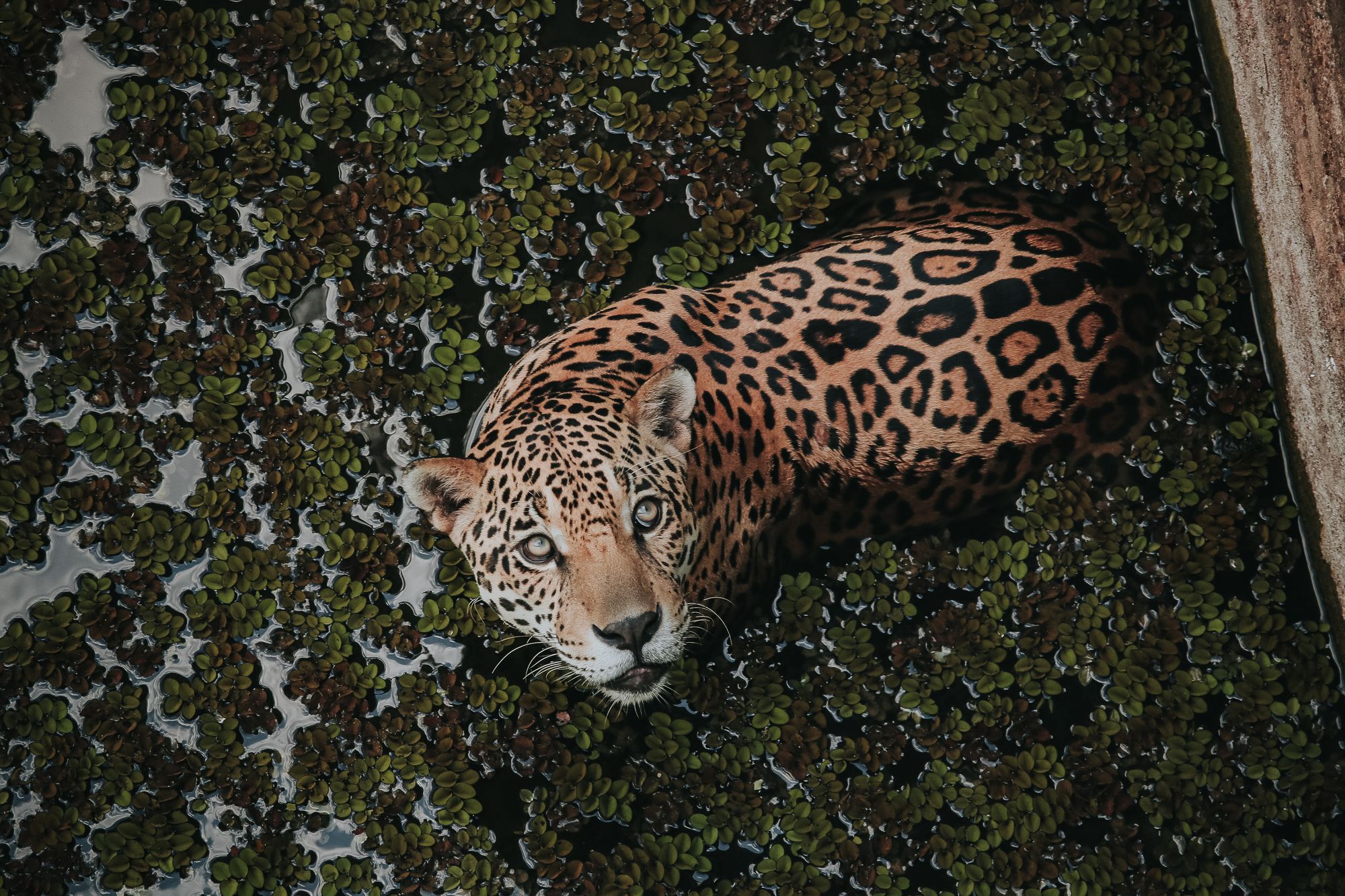
The Pantanal is the best place on Earth to see a wild jaguar reliably, and Caiman — a working cattle ranch turned conservation project in the southern Pantanal — is its landmark stay. Through the Onçafari project, jaguars here are habituated to vehicles the way Serengeti leopards are, which changes a one-in-a-hundred sighting into a reasonable expectation across a few days. The lodge exists because the cats do; the cattle are now the supporting act. Set expectations honestly: Caiman is a working ranch, not a manicured safari lodge — the luxury isn't thread count, it's habituated jaguars and the researchers who know each one by name. Best window: the dry season, July–October, when jaguars hunt the riverbanks.
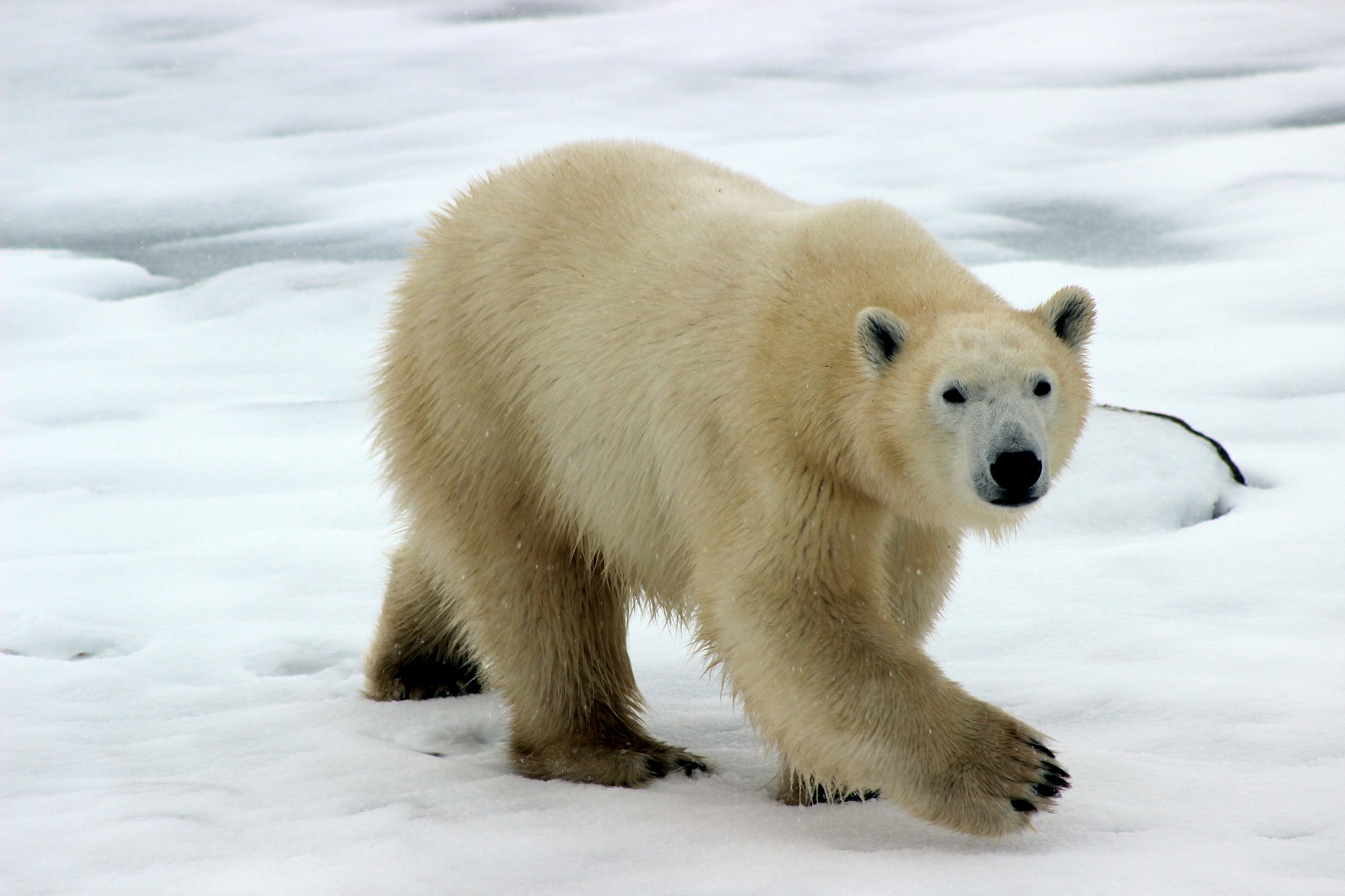
On the Hudson Bay coast in Manitoba, at the exact latitude where polar bears gather to wait for the sea ice, Seal River Heritage Lodges built a wilderness lodge behind a fence designed to keep bears out — and viewing platforms designed to watch them wander past at eye level. In summer the bears share the tundra with wildflowers and beluga whales in the river estuary. There is no road here. The bears are the road. Best window: summer bear season July–August; the classic Churchill freeze-up season is October–November.
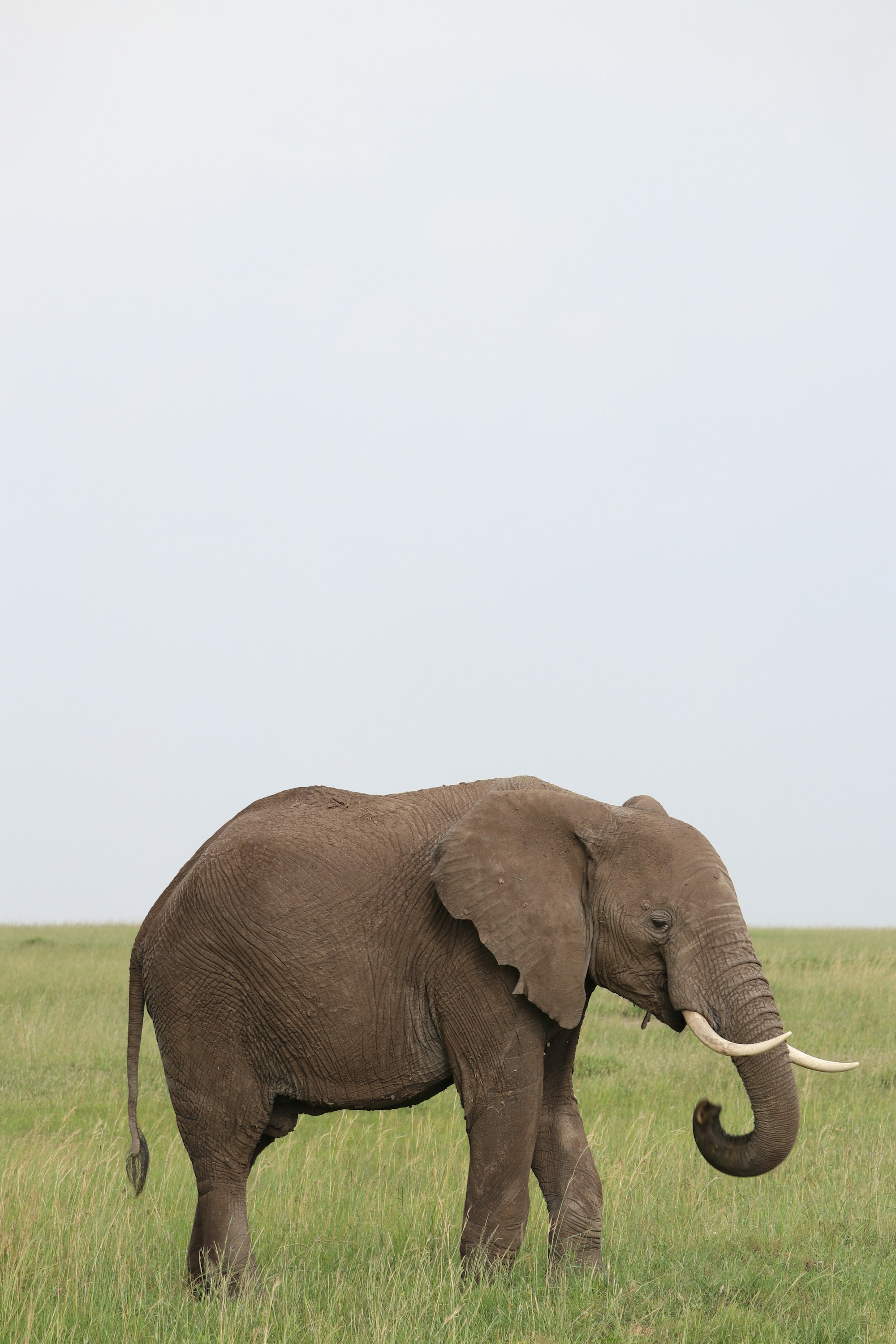
In the Mathews Range of northern Kenya, Sarara Camp overlooks a waterhole used by elephants coming down from the forest — and it exists in partnership with the Reteti Elephant Sanctuary, Africa's first community-owned elephant sanctuary, where orphaned calves are raised by Samburu keepers for release back into this exact landscape. Staying here funds the loop: tourism paying for the elephants' return. This is the feel-good entry on the list, and it earns it. Best window: the dry months, June–October and January–February.
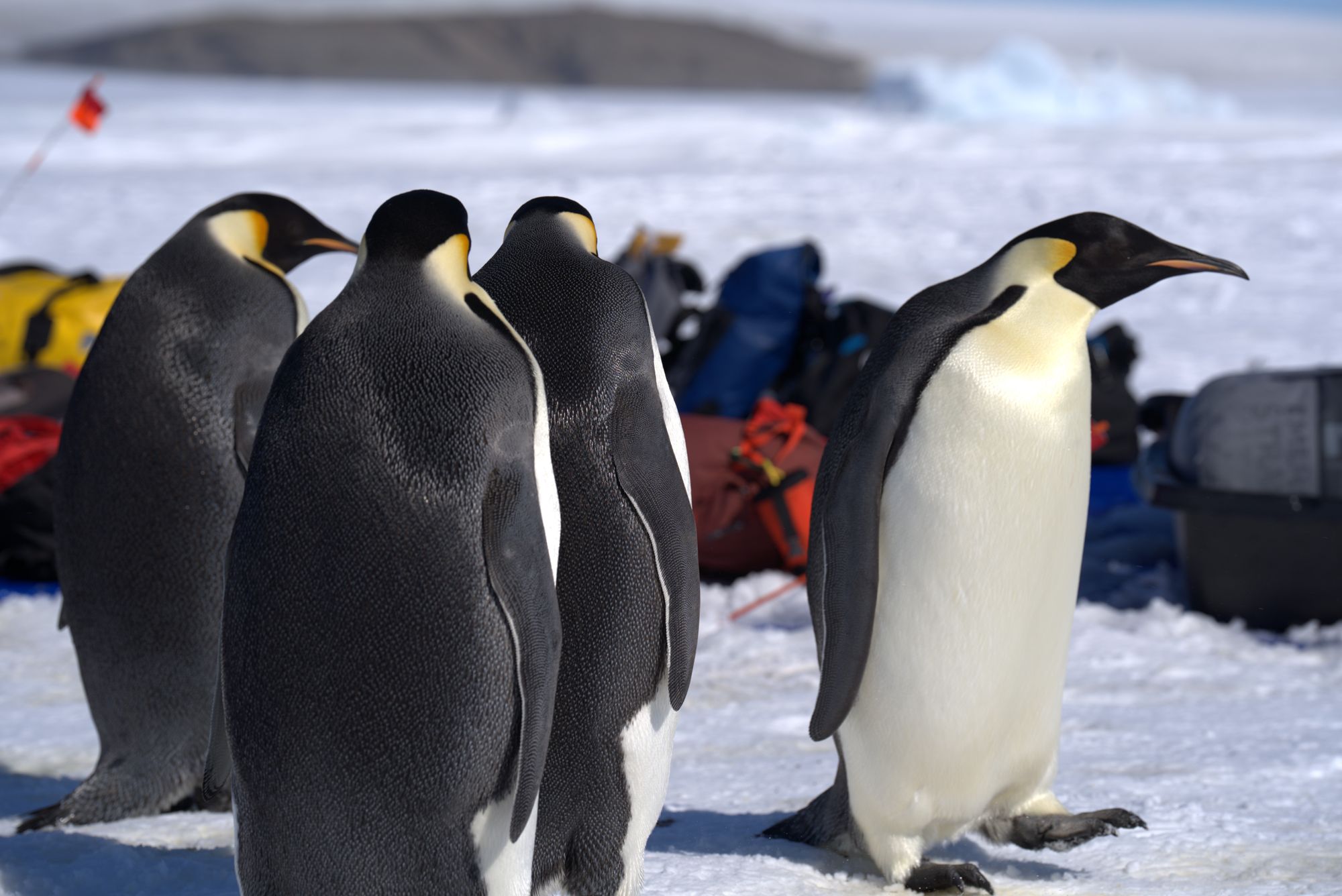
The only hotel on this list on a continent with no hotels. White Desert's camps in the Antarctic interior fly you to an emperor penguin colony — thousands of birds, utterly unafraid, at the bottom of the world. The camp exists for roughly eight weeks a year, is built and removed each season, and the penguins are the entire reason for its existence and its price. Nothing else in travel works like this, because nowhere else is like this. Best window: November–December, when the chicks are out and the season opens.
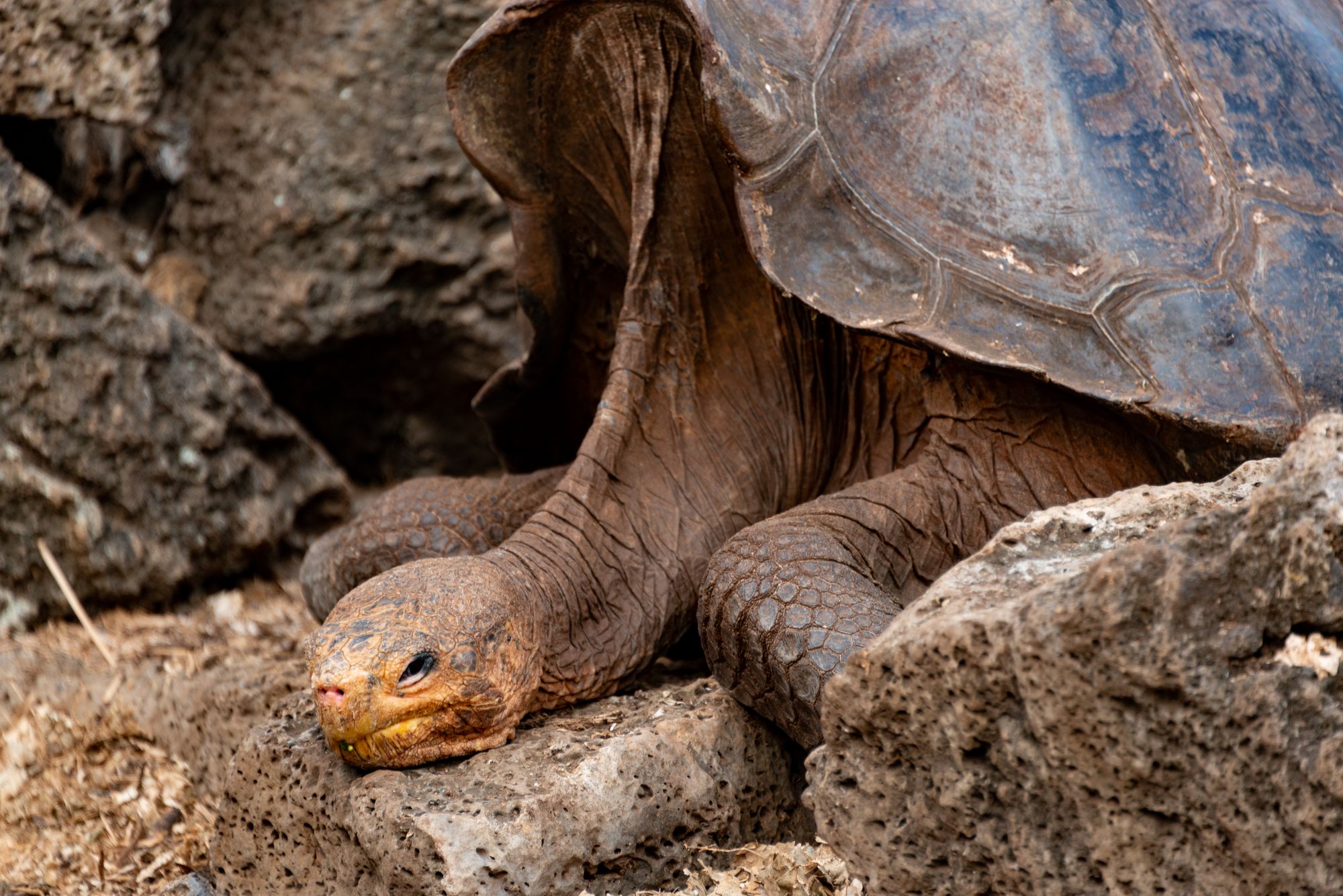
One entry on this list is deliberately not a hotel. In the Galápagos we don't book land-based lodges — a permanent footprint on fragile islands is the wrong way to see them. The environmentally lighter way is also the better trip: a small expedition yacht (16–20 guests, naturalist-led; Ecoventura's Relais & Châteaux yachts are the standard we'd book). You sleep aboard, move between islands overnight, and meet the giant tortoises where they roam in the Santa Cruz highlands on a guided excursion. The animals here famously have no fear of people — from a boat, you live inside that fact across a dozen islands instead of one. Best window: year-round; December–May brings warmer seas and the most wildlife activity.
Notice what these seven share: none of them can be booked well at the last minute, and for none of them is the room the point. The booking order is always animal → season → permits or access → lodge → flights. Get it backwards and you'll have a beautiful hotel and a story about the one that got away.
This matching — which animal, which month, which lodge, in which order — is most of what I do. If one of these seven is on your list, start the conversation: the planning fee is $250, credited in full toward your trip, and for trips like these it buys the sequencing that decides whether you see the animal at all.
Every itinerary begins with a 20-minute planning call. From there, a $250 planning fee, credited in full toward your booked trip and non-refundable if you don’t book. I brief the property before you arrive — that's what the fee funds.
Plan your trip