Where to Go in 2026: My Picks
My 2026 picks: Uganda, Kenya, Australia and Zambia, plus Guyana and Northern Albania. Places that cap visitor numbers and still feel wild if you plan them well.
Read
A guide to luxury travel in Kenya’s best safari country.
Kenya is where the modern safari began. It has golden savannah, Maasai and Samburu culture, and some of the highest wildlife densities in Africa. Between the Mara’s big cats and Laikipia’s small private conservancies, it combines wilderness, privacy and culture in a way few countries can.
Here are the regions, seasons and experiences worth knowing about.
What Kenya offers:
Add warm hospitality and some of the best guiding in Africa, and it is hard to beat.
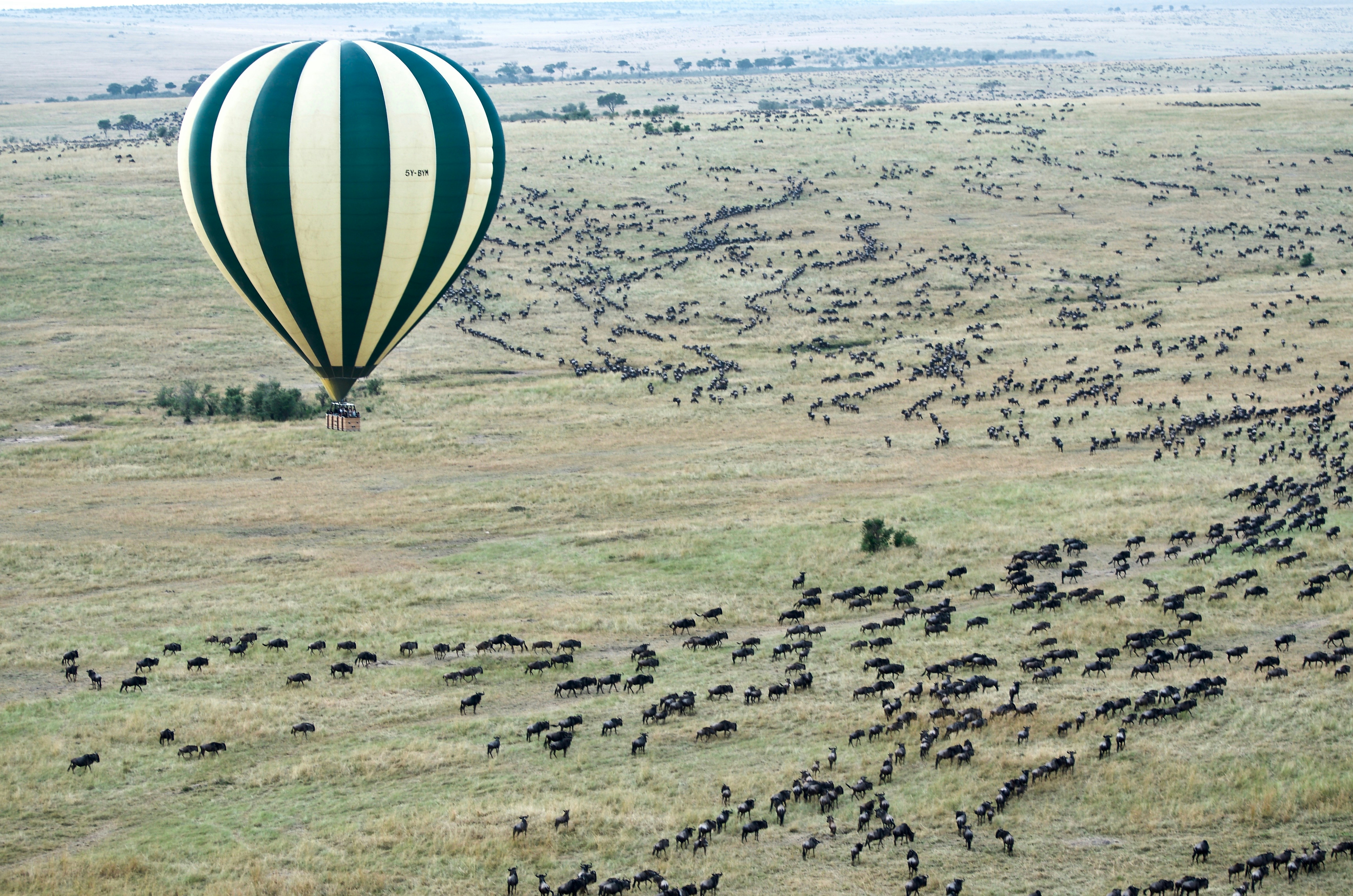
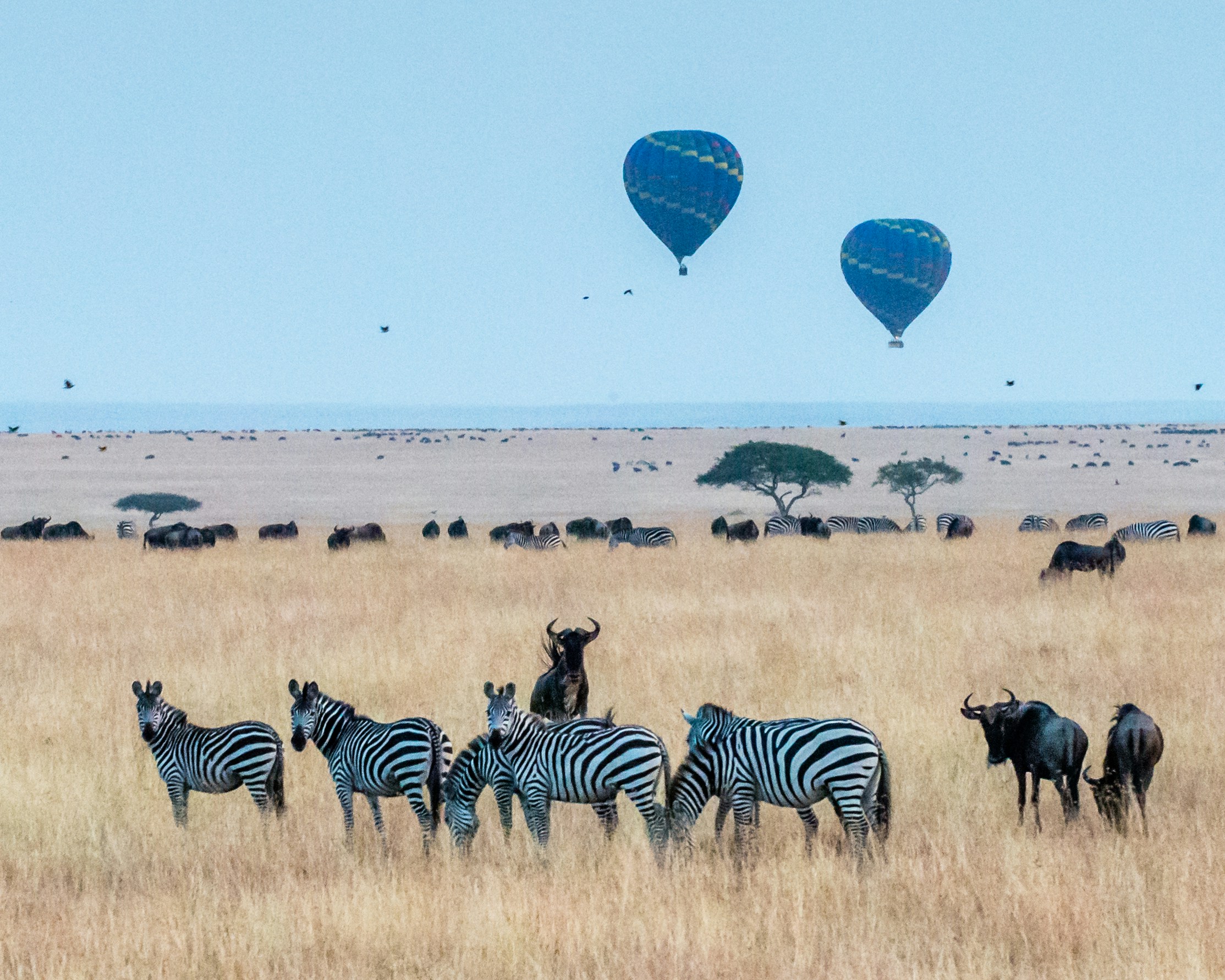
Kenya’s most famous wildlife area is a vast savannah full of lions, cheetahs, leopards and elephants, and the stage for the seasonal migration of zebra and wildebeest.
The Mara has three distinct regions:
Why go:
Best season:
July–October for the Migration; January–March for excellent big-cat sightings and fewer crowds.
Where to stay:
Don’t miss:


Laikipia is the most exciting up-and-coming region in Kenya, a patchwork of private conservancies with very exclusive game viewing, walking safaris and serious conservation work.
Why go:
Best season:
June–September and December–March for dry weather and clear views.
Where to stay:
Don’t miss:

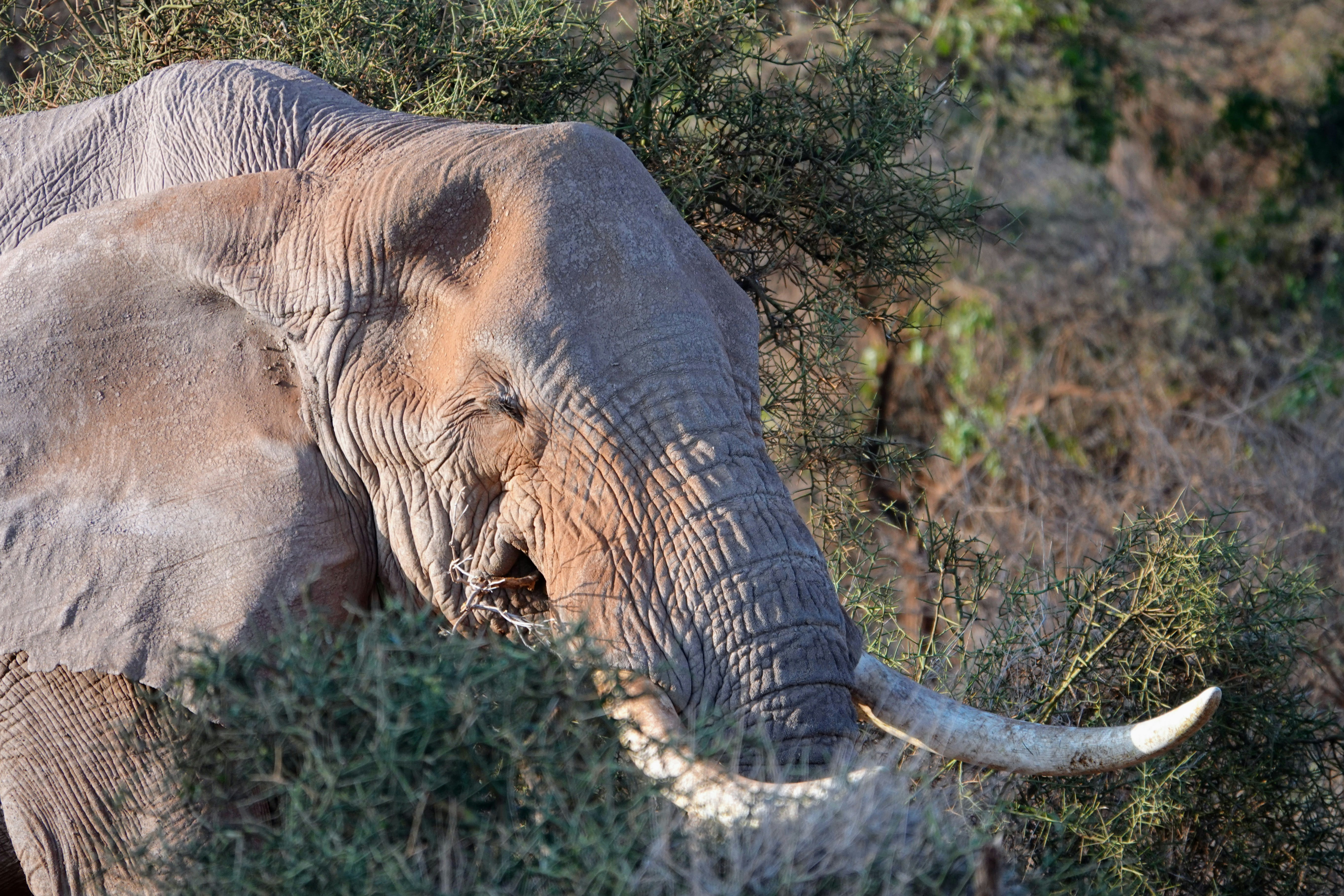
Amboseli is known for big-tusked elephant herds with Mount Kilimanjaro behind them, and it is one of the best places in Africa for photography.
Why go:
Best season:
June–October, when skies are clearest and animals gather around water.
Where to stay:
Don’t miss:

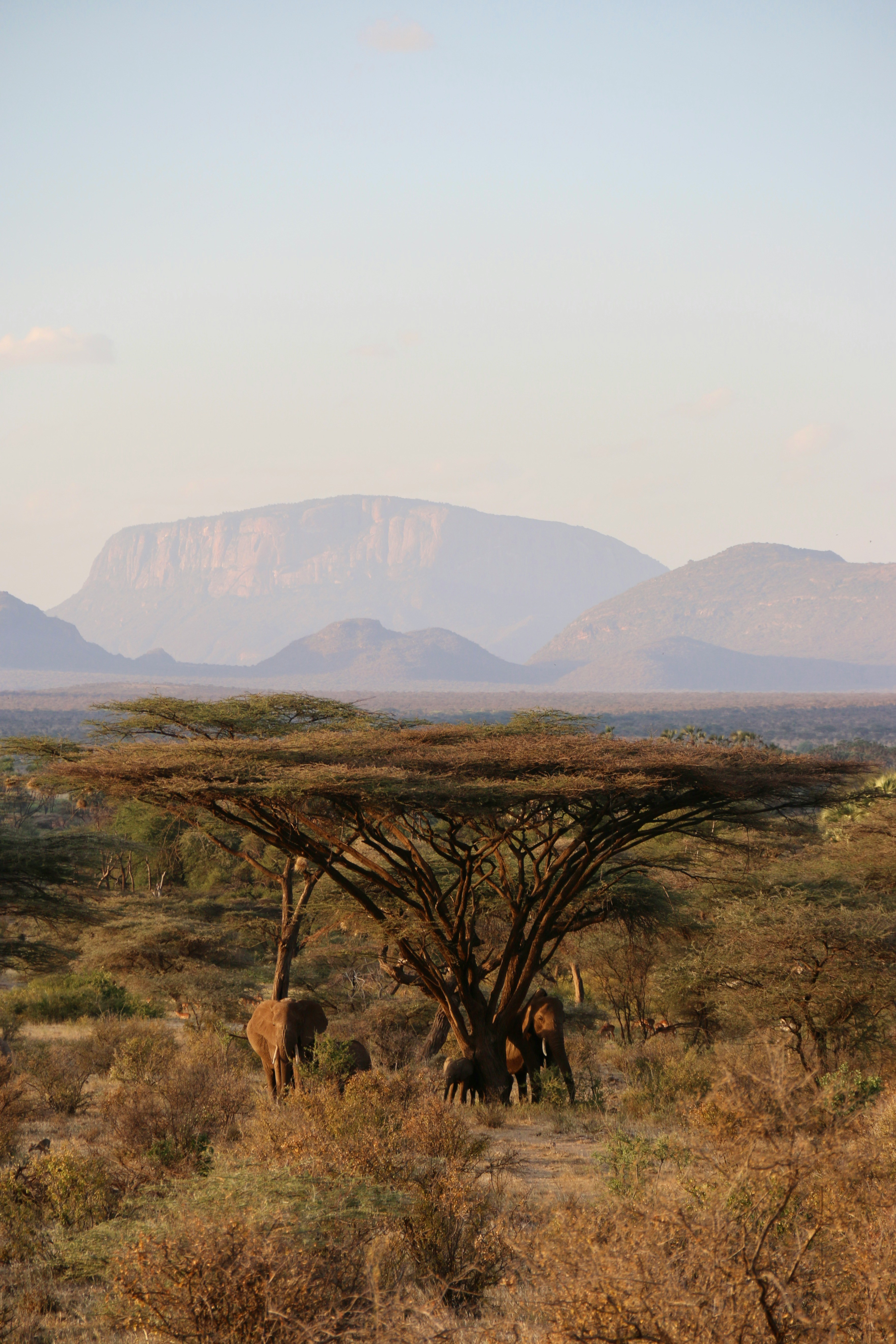
Samburu is rugged and stark, home to the Samburu people and to “northern species” you won't find elsewhere in Kenya.
Why go:
Best season:
December–March and June–October for the driest conditions.
Where to stay:
Don’t miss:

The Rift Valley lakes make a good break from the big savannah parks, with green forest, lake views and excellent birds.
Why go:
Best season:
All year, though June–October has clearer skies and better photography.
Where to stay:
Don’t miss:

Nairobi is worth more than a night in transit. It is a lively capital with excellent restaurants, markets, museums and conservation centers.
Why go:
Best season:
All year.
Where to stay:
Don’t miss:


Kenya works year-round, but each season is different.
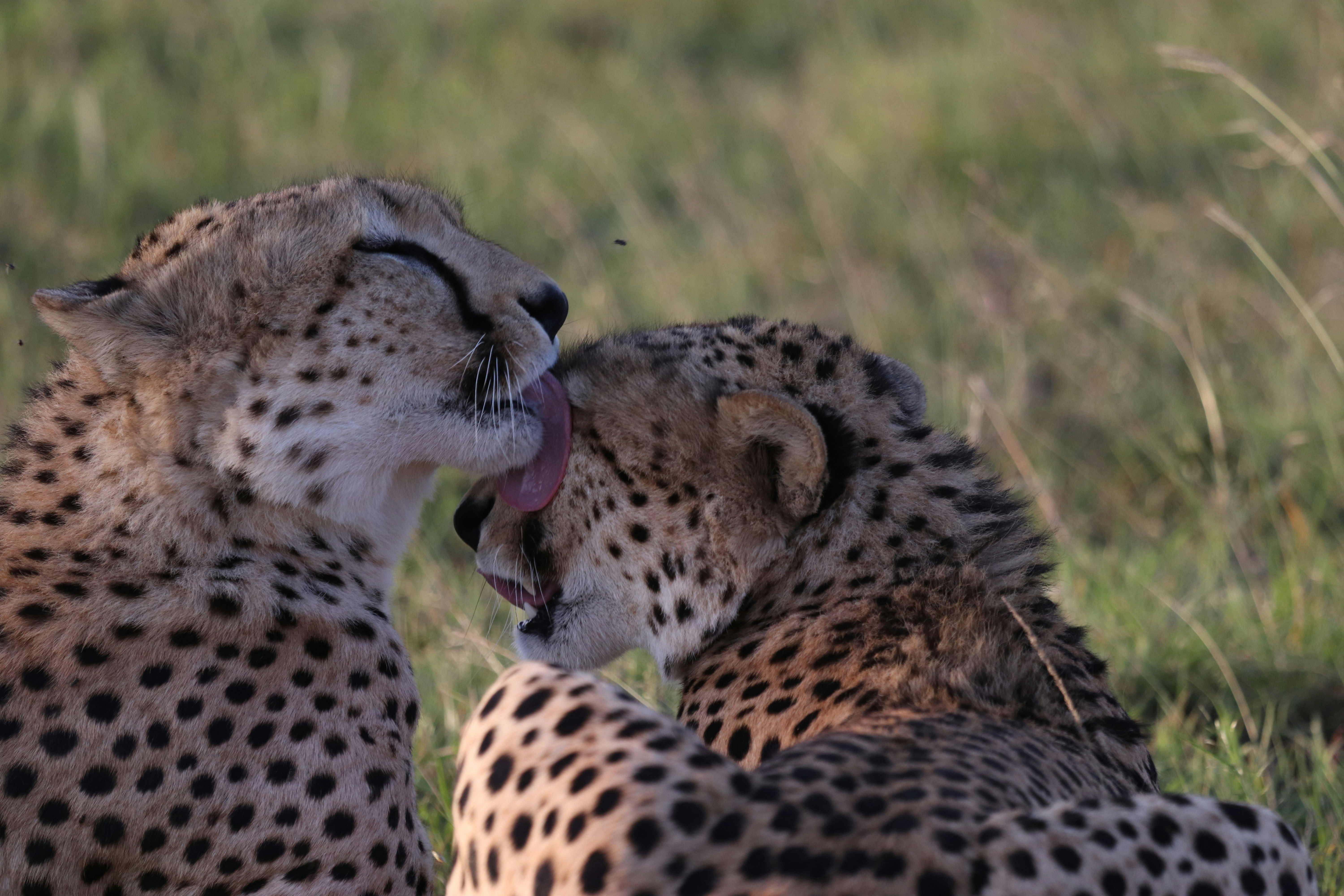
Follow lions, cheetahs and leopards with expert guides in one of the most predator-rich ecosystems in the world.
Access limited to conservancy guests, fewer vehicles, walking safaris and close sightings.
One of the most memorable views you can get on safari.
Ride among giraffes, zebra and plains game at an easy pace.
Learn traditions, stories and conservation practices directly from local leaders.
Photograph big tuskers against the snow on Kilimanjaro.
Where you go within Kenya matters as much as going at all. A crowded public reserve and a private conservancy are very different safaris, and the routing, camps and guides make the rest of the difference. I build Kenya trips around private conservancies, strong guiding and low-impact lodges, at your pace, and around what you most want to see: the Mara’s predators, Laikipia’s privacy, Amboseli’s elephants or Samburu’s northern species. I plan and book as an independent advisor affiliated with Fora Travel, and at many camps and lodges that can add perks such as a property credit or an upgrade, where available.
Tell me when you'd like to travel and what you most want to see.
Every itinerary begins with a 20-minute planning call. From there, a $250 planning fee, credited in full toward your booked trip and non-refundable if you don’t book. I brief the property before you arrive — that's what the fee funds.
Plan your trip