
.svg)
Why travel with us?
We design bespoke, exceptional journeys focused on nature-centered, seasonal, and immersive travel. Discover the difference: high-touch itineraries, private guiding, and honest, expert guidance worldwide.
Discover
Every intinerary begins with a conversation. Tell us what you're dreaming of, and we'll design a journey tailored entirely to you.
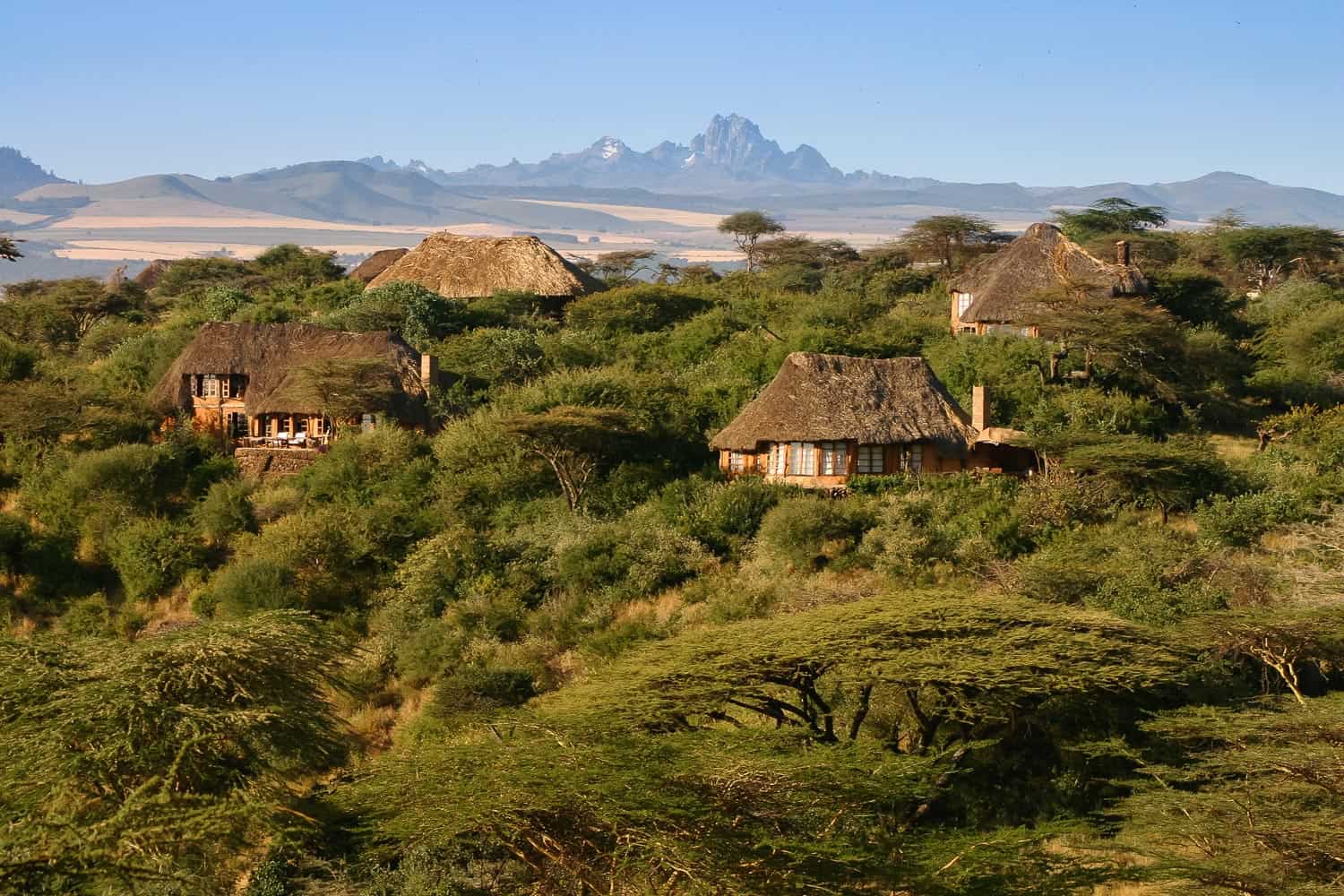
Take the Next StepsIf you’re planning a safari in Kenya, you’ll quickly encounter the term “private conservancy.” For many travelers, the concept is unfamiliar—but choosing a conservancy over a national reserve is one of the most important decisions you can make. Conservancies offer exclusivity, flexibility, meaningful community impact, and wildlife encounters that feel far more intimate than in the main parks.
This guide explains what conservancies are, how they work, and why they form a core part of Wild Atlas Explorations’ safari philosophy.
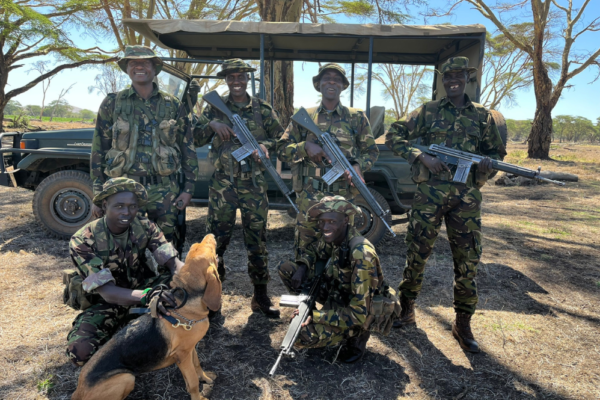
A private conservancy is a wildlife area managed through a partnership between local landowners (often Maasai families) and responsible tourism operators. It is not government-owned. Instead, it is community-owned land leased for wildlife conservation with strict limits on development.
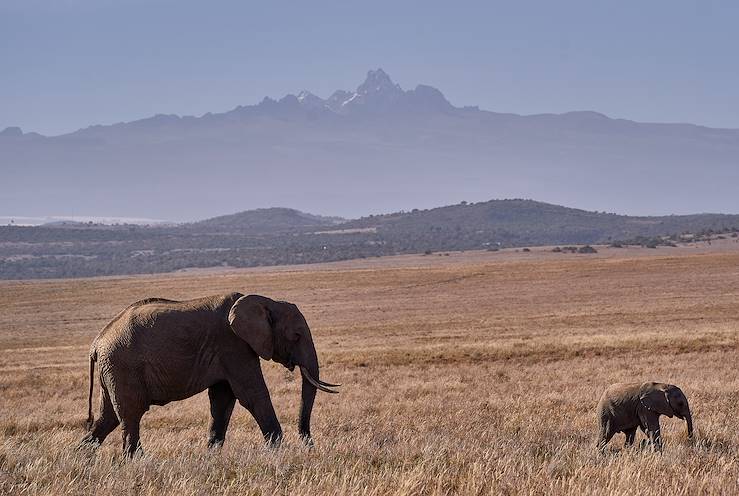
Think of it as a preserved, private extension of the greater ecosystem—with better rules, fewer crowds, and stronger conservation outcomes.
At the center of every conservancy is a lease payment system.
Tourism operators pay local landowners for access to their land.
This provides:
This model has transformed conservation across Kenya.
Conservancies allow activities and behaviors that national reserves cannot.
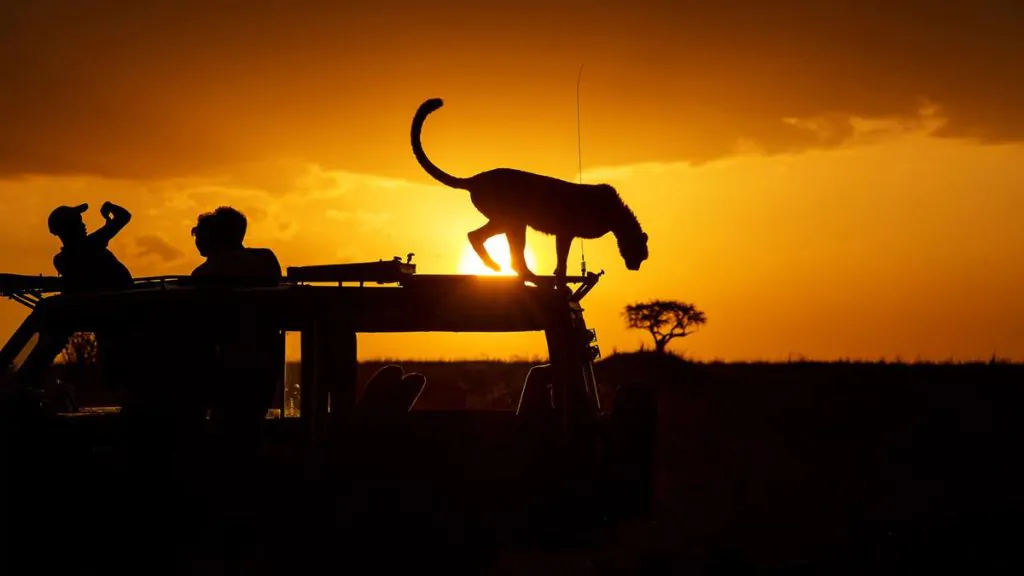
This lets guides track wildlife behavior naturally. Perfect for:
Rare in many safari destinations.
Walking offers an entirely different way to experience the Mara ecosystem.
Spot predators like:
Conservancy rules limit:
This ensures serene, respectful wildlife encounters.
These are the regions Wild Atlas Explorations uses most often:
High predator density, exceptional big-cat viewing.
One of the most scenic regions of the Mara ecosystem.
Top for walking safaris, community impact.
Great for photographers and repeat visitors.
Private conservancies combine world-class wildlife, low-impact tourism, and meaningful community partnership better than any other safari model. For travelers who value exclusivity, ethics, and extraordinary experiences, conservancies are an unmatched choice.
At Wild Atlas Explorations, they’re a cornerstone of our Kenya itineraries.
Every intinerary begins with a conversation. Tell us what you're dreaming of, and we'll design a journey tailored entirely to you.
Take the Next Steps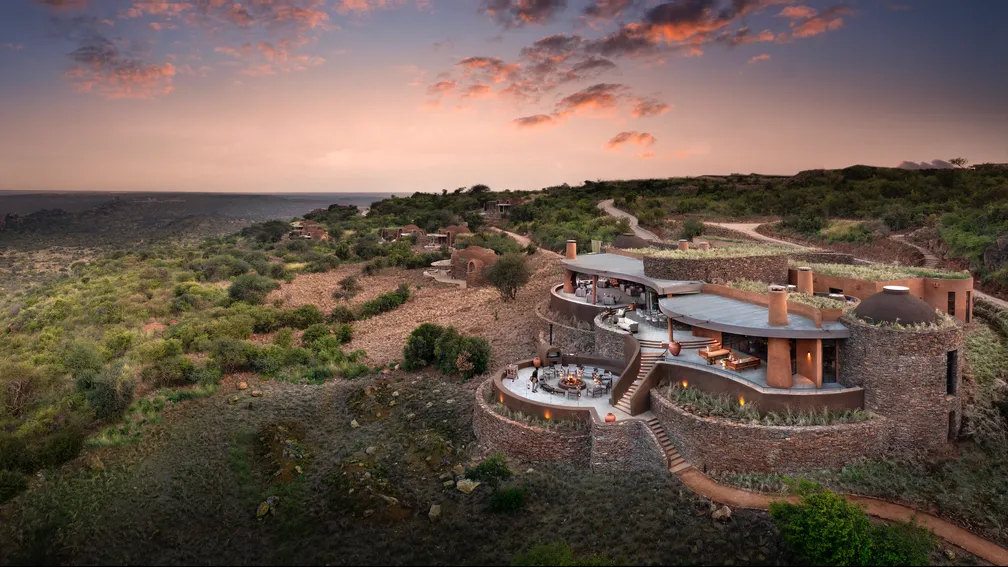





.svg)