
.svg)
Where to Go in 2026: Our Expert Picks
Our 2026 picks: Uganda, Kenya, Australia and Zambia, plus Guyana and Northern Albania. Places that cap visitor numbers and still feel wild if you plan them well.
Read
Go in the dry season, roughly June to October, if you want the most reliable game viewing, the Okavango flood at its height and a first safari with the fewest surprises. Go in the green season, roughly November to March, if you want lower rates, newborn animals, storms and birdlife, and easier access to the best camps.
Both are good times to be in Botswana. They are simply different trips, and the right one depends on what you want to see and how much you want to spend.
Botswana has one rainy season, from about November to March, and a long dry season the rest of the year. The Okavango Delta adds a twist. Its water comes from rain that falls in the Angolan highlands months earlier, so the flood reaches the Delta after the local rains have stopped. It arrives around April and May, peaks around June to August, and recedes through the hot months of September and October.
This means the Delta is at its wettest in the middle of the dry season, while the rest of the country is at its driest. That combination is why the dry months are so strong for wildlife.
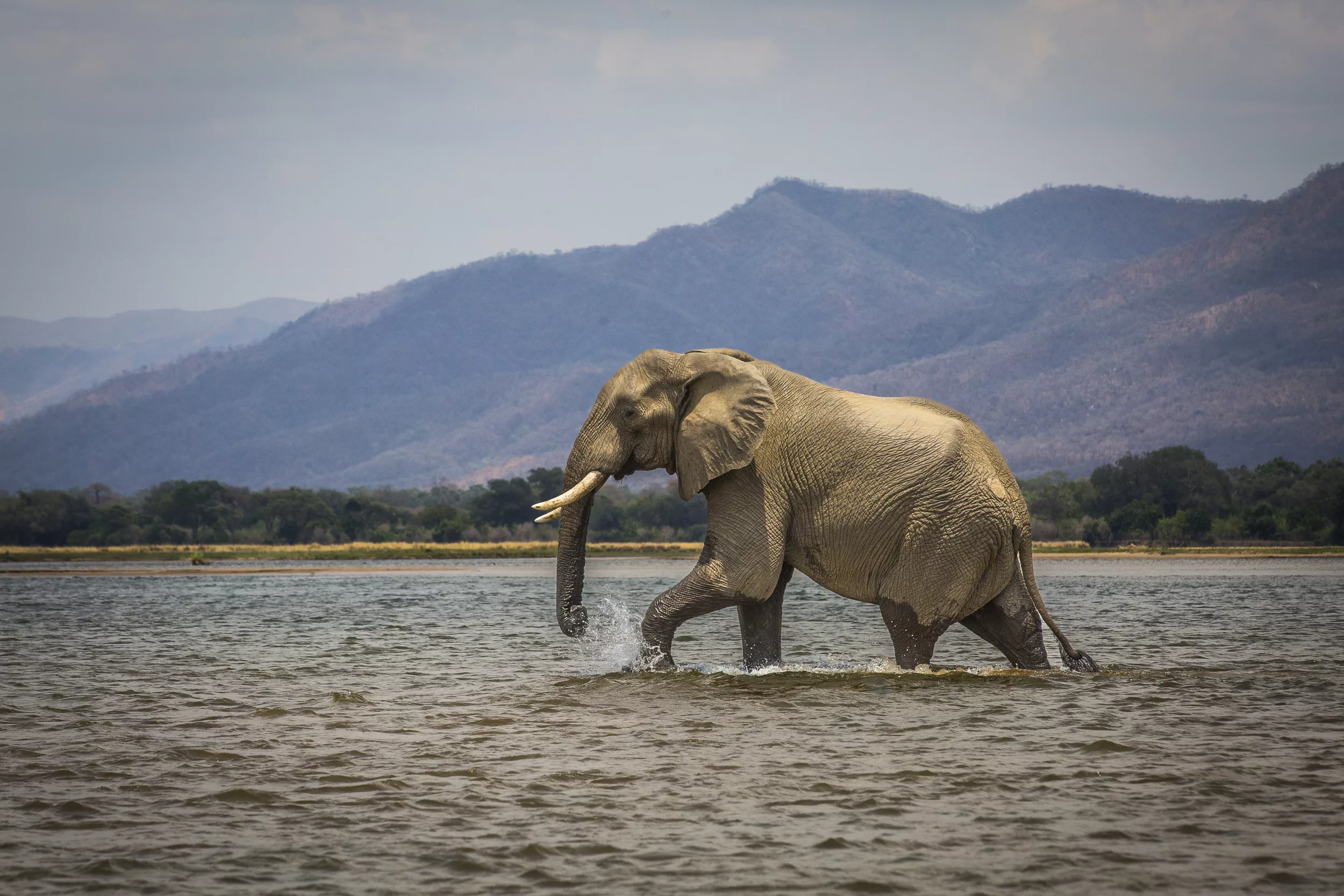
As the bush dries out, animals gather near permanent water and the vegetation thins, so they are easier to find and to see. Elephant and buffalo herds build up along the rivers and channels, and predators follow.
The trade-offs are cost and demand. These are the most expensive months, and the best camps often sell out 12 to 18 months ahead. It is also when more people are traveling, although Botswana's private concessions keep vehicle numbers low even in peak season.
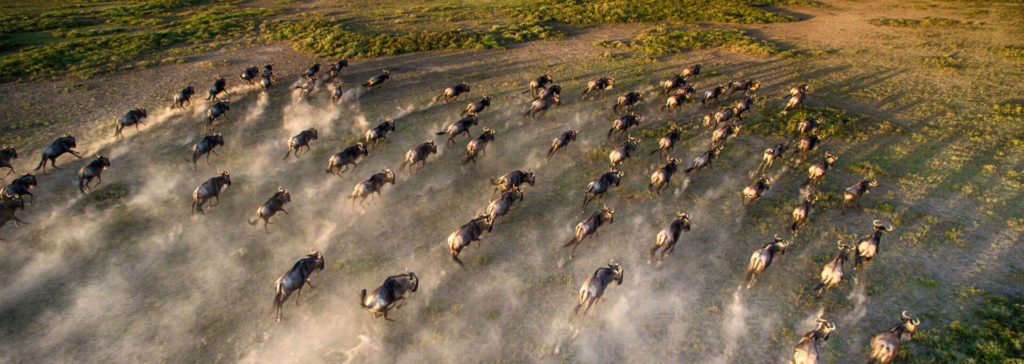
The first rains usually arrive in November. The landscape turns green within days, and the feel of a safari changes.
The trade-offs: wildlife is more spread out, because water is everywhere. The grass grows tall, which can hide smaller animals. It is hot and humid, and some days are wet. In the Delta, water levels are at their lowest before the next flood, so mokoro trips may be limited at some camps. A few camps close for part of January and February.
April and May sit between the two seasons, and November, the first month of the green season, often prices like a shoulder month. These are often the best value. In April and May the rains have stopped, the landscape is still green, the flood is starting to arrive and rates have not yet reached their peak. November can be very hot until the rains break, but the game viewing is often still excellent and prices drop.
The rate difference is significant. At many camps, the green season rate is 40 to 50 percent below the peak dry season rate for the same room. Some camps also offer longer-stay or combination deals in the green season. That saving can mean an extra camp, a longer stay, or a step up to a camp that would be out of reach in August.
Camp choice matters more in the green season. Camps with permanent water, such as Jao Camp, Wilderness Vumbura Plains and Duba Plains Camp, can usually run boating and mokoro trips for more of the year. Land camps with strong resident game, such as Wilderness Mombo in Moremi and Kwara Camp, are good in every season. Our post on water camps vs land camps explains the difference.
In the dry season, a classic shape is a water camp, a land camp and a third area such as the Linyanti or Chobe. In the green season, swap one Delta camp for the Makgadikgadi or the Kalahari, where the wet months are the highlight.
For more on how a trip comes together, read Planning a Botswana Safari, and see our Botswana itinerary for a sample route.
If you would like help choosing the right season and camps for your dates, tell us about your trip.
Every itinerary begins with a conversation. Tell us what you have in mind, and we’ll plan a trip around you.
Plan your trip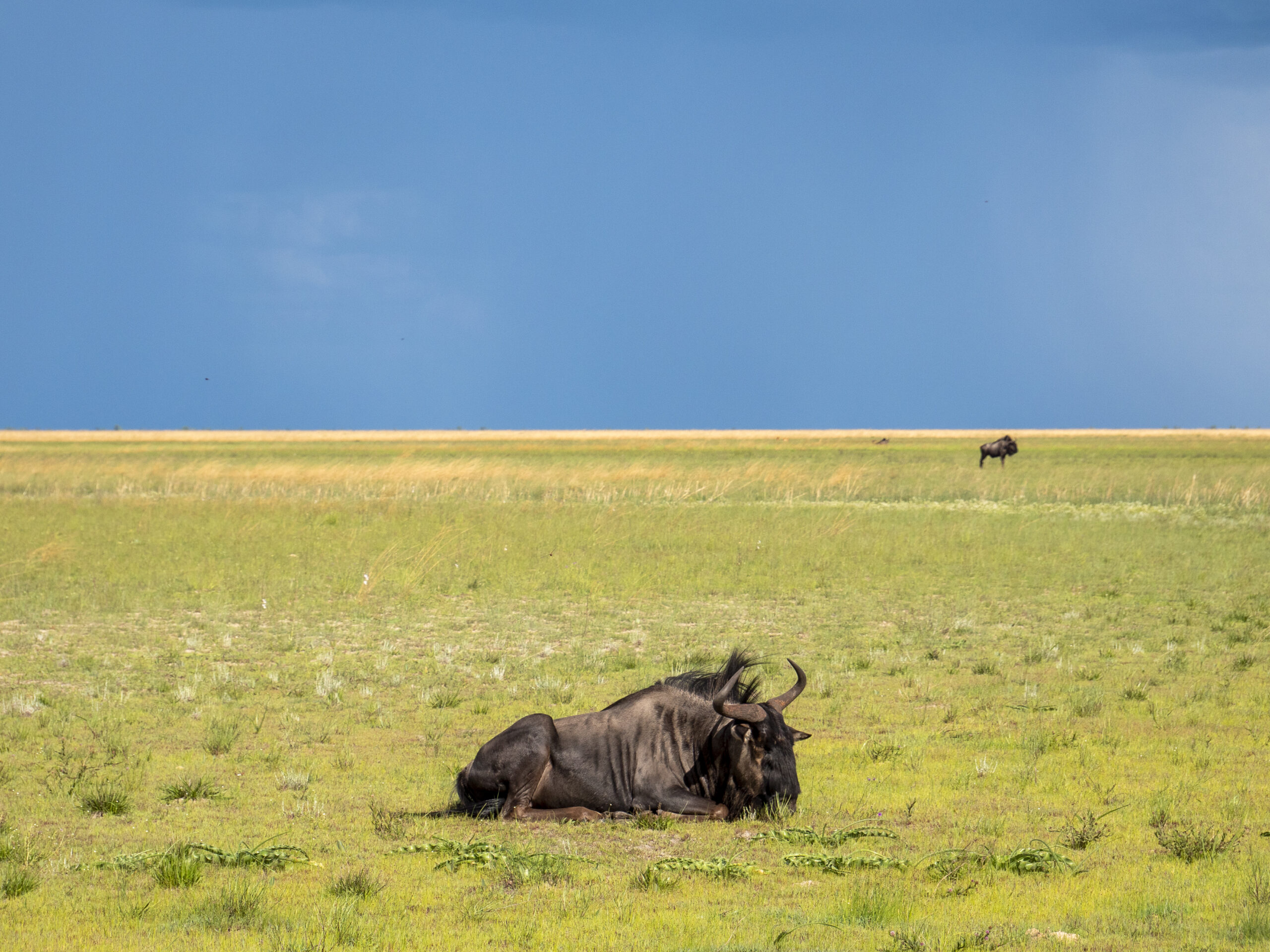

.svg)