
.svg)
Where to Go in 2026: Our Expert Picks
Our 2026 picks: Uganda, Kenya, Australia and Zambia, plus Guyana and Northern Albania. Places that cap visitor numbers and still feel wild if you plan them well.
Discover
The first decision in planning the Okavango Delta is what kind of camp you want. Some camps sit deep in the permanent waterways and are built around boats and mokoro. Others sit on drier ground at the edge of the floodplains and are built around game drives. A few do both. The difference shapes your days more than anything else, so here is what each type offers, how the flood changes things through the year, and why we usually combine one of each.
The Okavango River rises in the highlands of Angola and flows into north-west Botswana, where it spreads out across the Kalahari and never reaches the sea. The rain falls in Angola around January and February, and the floodwater takes months to work its way down. It spreads across the Delta from about March, and the flood is usually at its highest from June to August, in Botswana's dry winter. At its peak the Delta can swell to around three times its permanent size.
So the Delta has two parts. The permanent swamp in the north and center has deep channels and papyrus all year. Around it are seasonal floodplains that fill and drain, with islands of palms and woodland in between. Water camps sit in or near the permanent swamp. Land camps sit where the seasonal floodplains meet dry ground, which is where the big herds and their predators spend most of the year. The whole Delta has been a UNESCO World Heritage Site since 2014.
At a water camp the main activities are on the water:
What you see is different too. Hippo, crocodile and red lechwe are common, and the birdlife is excellent, from fish eagles and kingfishers to herons and storks. Sitatunga, a shy swamp antelope, live in the papyrus. Big cats and large herds are less dense than at the best land camps, and that is the trade-off.
Xigera Safari Lodge stands on an island in Moremi Game Reserve and is one of the most design-led camps in the Delta, with a large collection of contemporary African art. Mokoro and boat trips are the main draw when the flood is in. Because it is inside Moremi, there are no night drives.
Jao Camp sits on a forested island in the Jao Reserve, a private concession on the western side of the Delta, looking over the Jao Flats. It has mokoro and boat trips in high water and game drives and walks as the water drops. Since 1 January 2026 the Jao Reserve camps have been sold through their own company, the Jao Collection, instead of Wilderness. Wilderness disputes the change in Botswana's courts, and the case was still open at the time of writing, so we confirm booking terms directly.
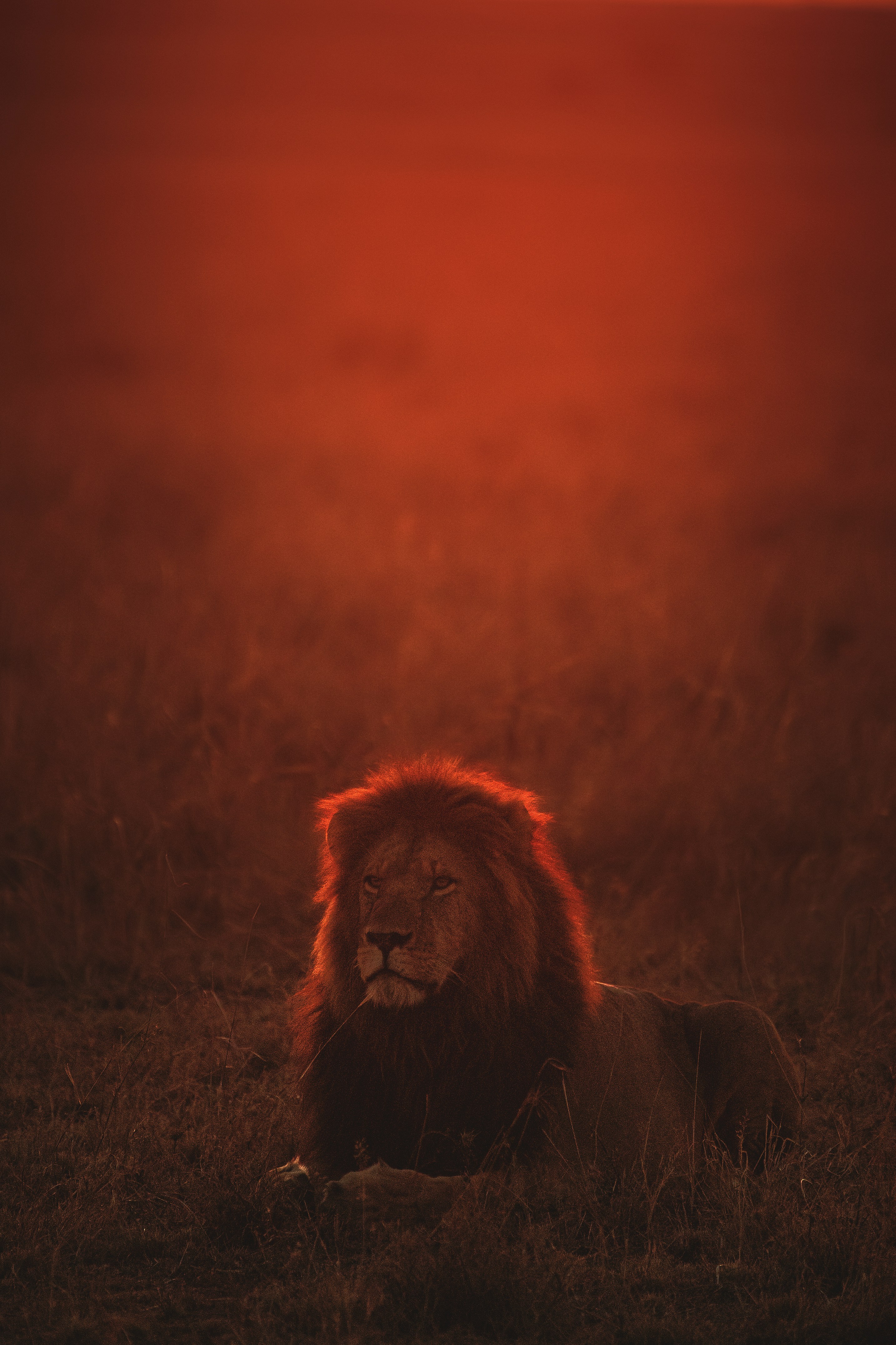
Land camps are built for game drives. They sit on the edge of the floodplains where grazing animals gather, and the predators follow. Expect lion, leopard, spotted hyena and, with luck, wild dog, plus elephant, buffalo, giraffe and plenty of antelope. Camps in private concessions can also offer night drives, off-road driving to follow animals, and walks. Some land camps also run boat or mokoro trips when the water is high enough, but it is not their focus.
Wilderness Mombo sits on Chief's Island, the largest island in the Delta, inside Moremi Game Reserve. Chief's Island stays dry when the floods rise, so wildlife concentrates there, and Mombo is known for big herds and the predators that hunt them. It is one of the most expensive camps in Botswana and books up early.
&Beyond Sandibe Okavango Safari Lodge sits in a private concession bordering Moremi. It is a game-drive camp, with drives continuing after dark, and good predator sightings. There are no mokoro or boat trips, so plan your water time elsewhere.
Duba Plains Camp is in a private concession in the northern Delta and is best known for its lions and the buffalo they hunt. It sits in a wetter area than most land camps, with floodplains and palm islands, and it does offer boating and mokoro trips, but most people come for the cats.
A few camps sit where deep water and dry land meet and can offer both properly. Wilderness Vumbura Plains, in a private reserve in the far north of the Delta, is the best example. You can do a game drive across open plains in the morning and a mokoro trip through the papyrus in the afternoon. It works well as the only Delta camp on a short trip.
The time of year changes what each camp can do.
If water activities matter to you, ask what will actually be running in your travel month. Water levels vary from year to year, and a camp that offers mokoro in July may not in November. Our month-by-month safari guide shows how Botswana compares with other countries through the year.
A water camp and a land camp give you two very different safaris. The water camp is quiet and slow, with birds and reflections and the sound of the pole in the water. The land camp gives you the big predators and the action. Done together, three nights at each, you see the Delta properly.
Order matters a little. Many people like to start with the water camp to slow down after long flights, then finish at the land camp. Others prefer to end on the water. Either works. If you have time for only one camp, choose one that does both, like Vumbura Plains.
Many trips also add time in Moremi Game Reserve, the Linyanti and Selinda concessions for elephants and wild dog, or the Chobe River. Our post on planning a Botswana safari covers the flights, luggage and how many camps to include, and our Botswana itinerary pairs a water camp with a land camp, then the Chobe and Victoria Falls.
If you would like help choosing the right Delta camps for your dates, get in touch.
Every itinerary begins with a conversation. Tell us what you're dreaming of, and we'll design a journey tailored entirely to you.
Plan Your Trip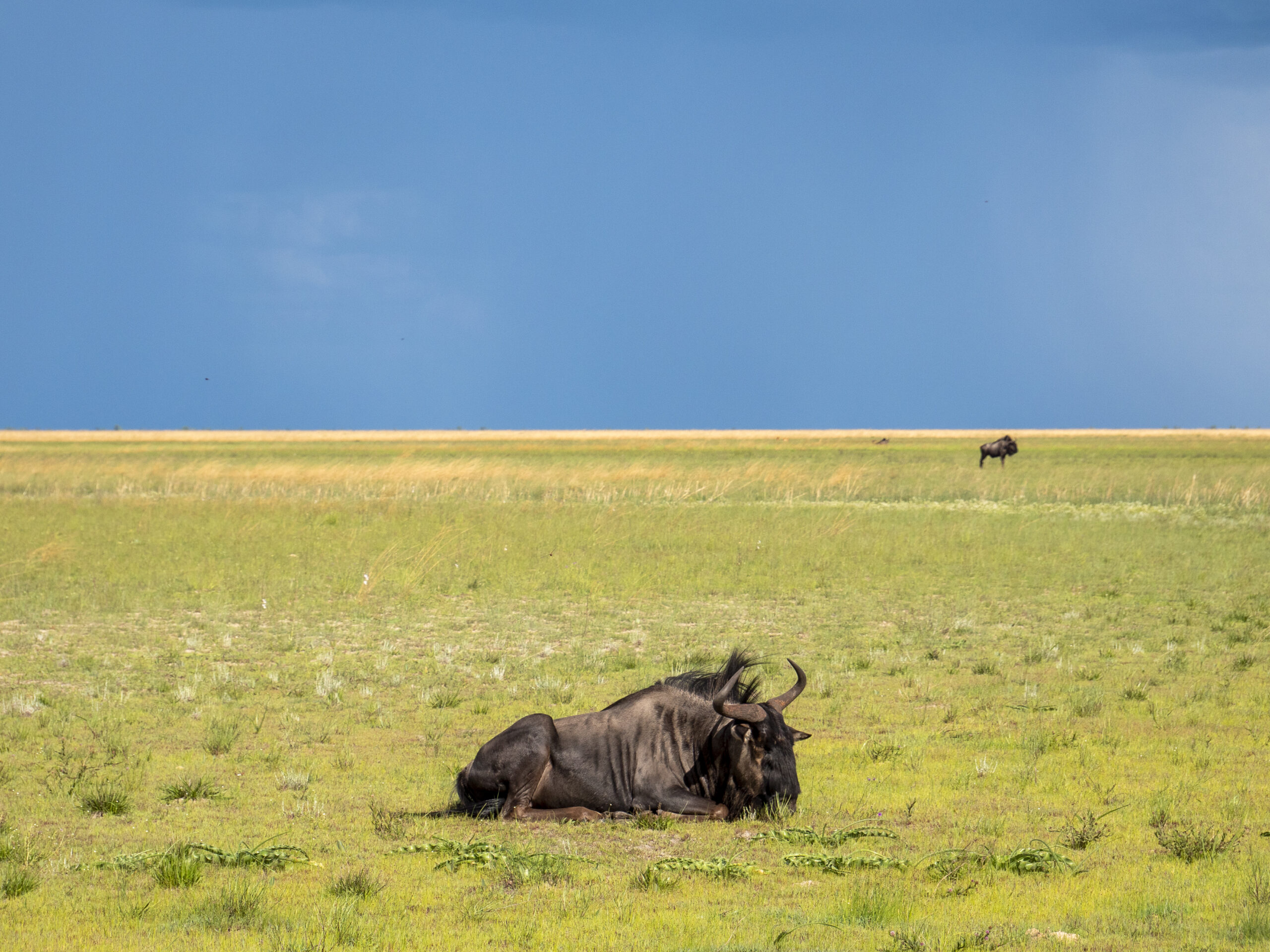


.svg)