
.svg)
Why travel with us?
We design bespoke, exceptional journeys focused on nature-centered, seasonal, and immersive travel. Discover the difference: high-touch itineraries, private guiding, and honest, expert guidance worldwide.
Discover
Every intinerary begins with a conversation. Tell us what you're dreaming of, and we'll design a journey tailored entirely to you.
Take the Next StepsWhen travelers think about African safaris, the same destinations tend to dominate the conversation. Iconic, yes—but often crowded, predictable, and narrowly defined.
Uganda tells a different story.
For wildlife travelers willing to look beyond the obvious, Uganda offers one of the most diverse and intellectually rewarding safari circuits in Africa: ancient rainforests, classic savannahs, primate encounters, boat safaris, and conservation success stories—all within a single, thoughtfully designed journey.
At Wild Atlas Explorations, we consider Uganda one of Africa’s most underrated wildlife destinations—not because it lacks wildlife, but because it rewards travelers who value depth, diversity, and conservation over spectacle alone.
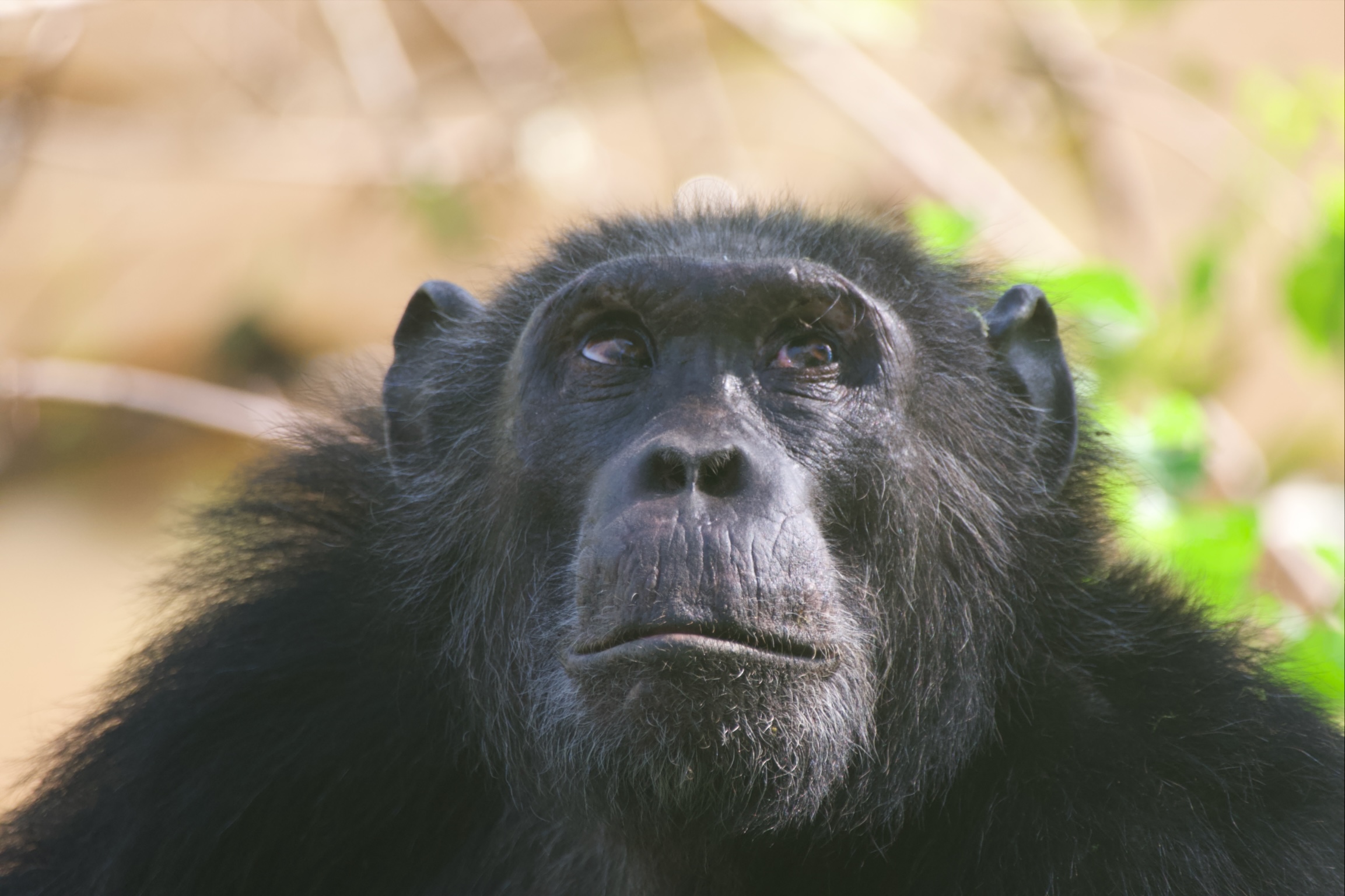
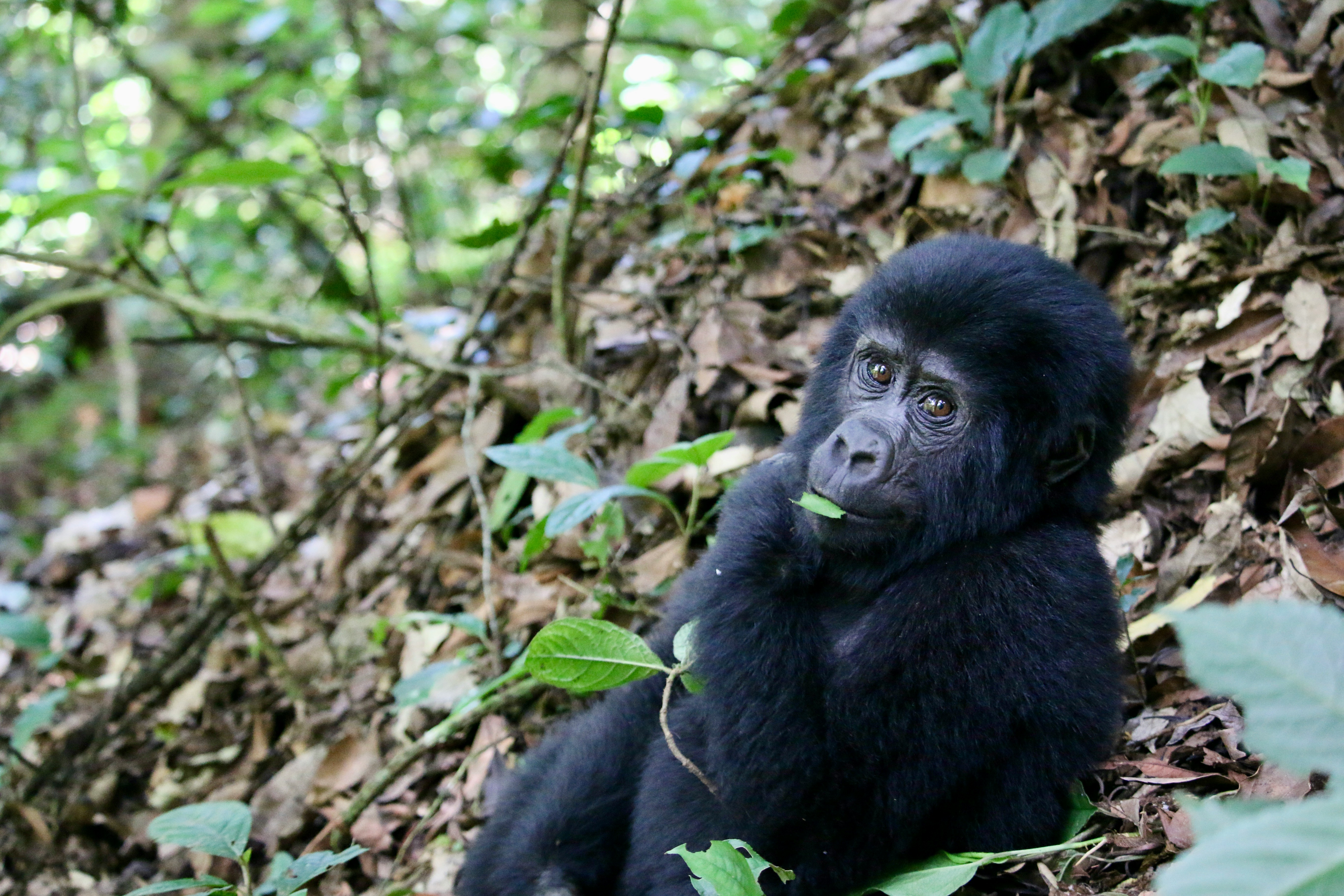
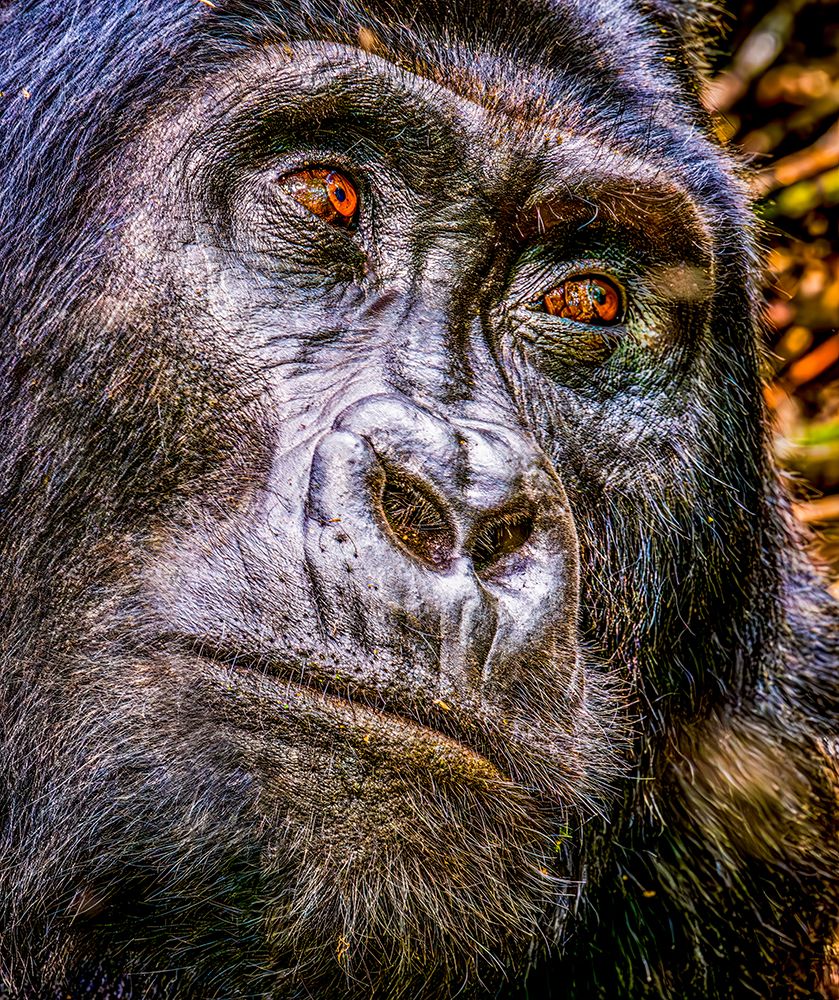
Uganda has long been associated with one experience: mountain gorilla trekking.
While gorilla trekking is extraordinary, this narrow perception has overshadowed the country’s broader safari potential. As a result:
For serious wildlife travelers, this is precisely the appeal.
Uganda is not about ticking boxes. It is about understanding ecosystems—and how they connect.
What makes Uganda unique is not any single park, but the contrast between them.
Few African destinations allow travelers to move so seamlessly between radically different environments within one itinerary.
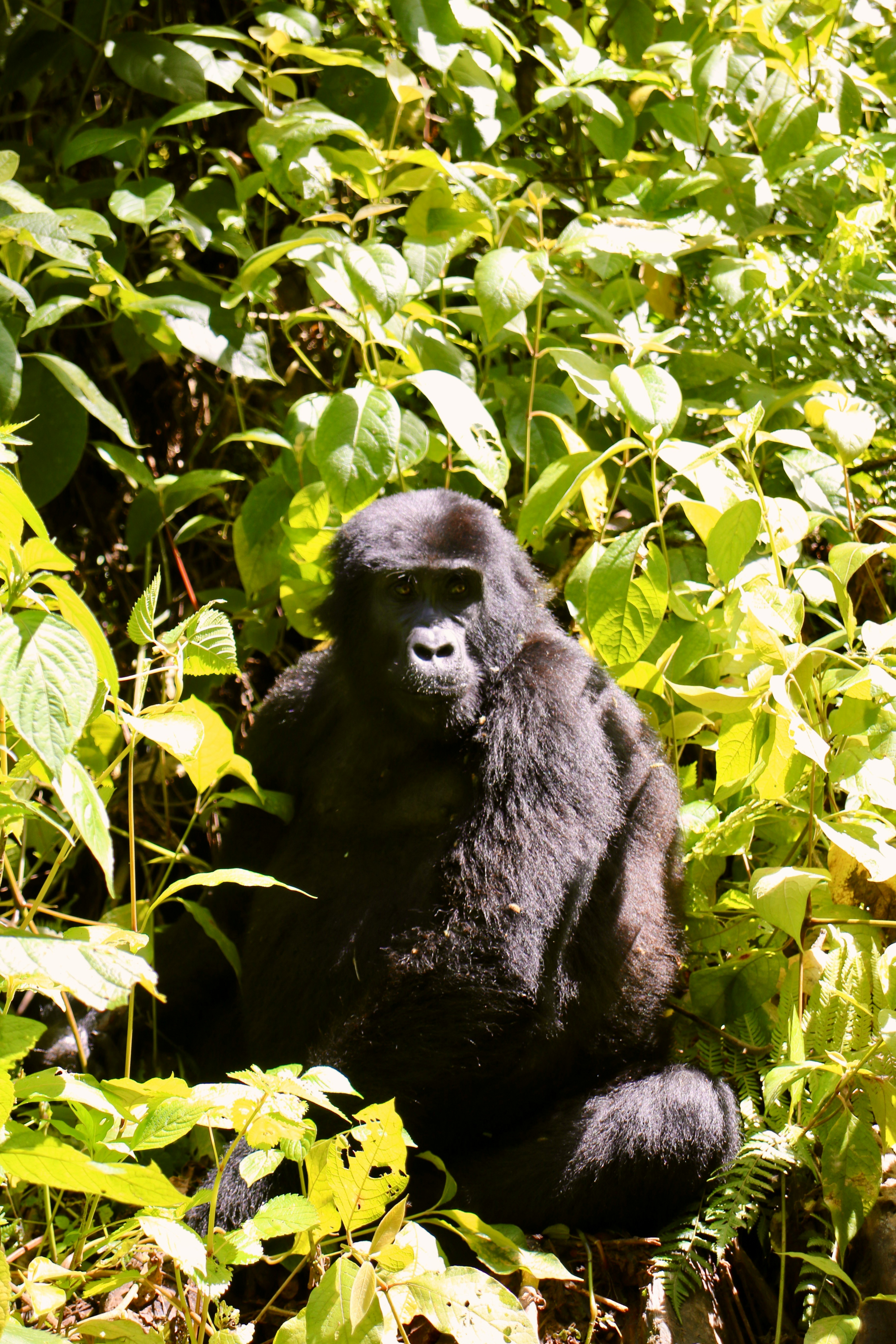
Bwindi is one of the most biologically rich rainforests in Africa and home to roughly half of the world’s remaining mountain gorillas.
What sets Bwindi apart:
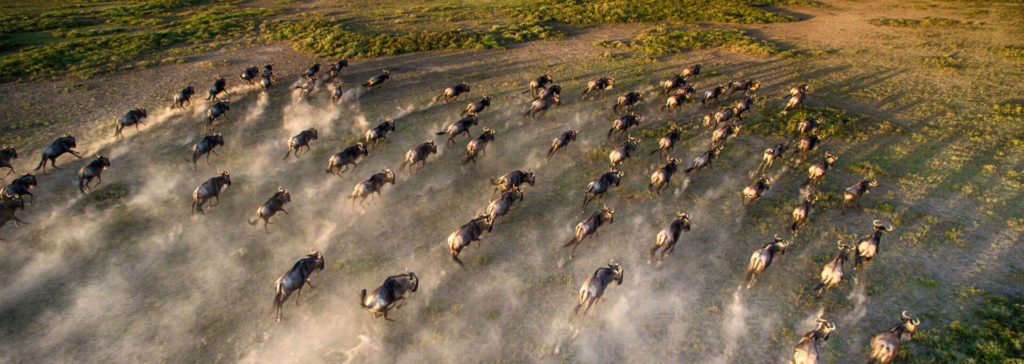
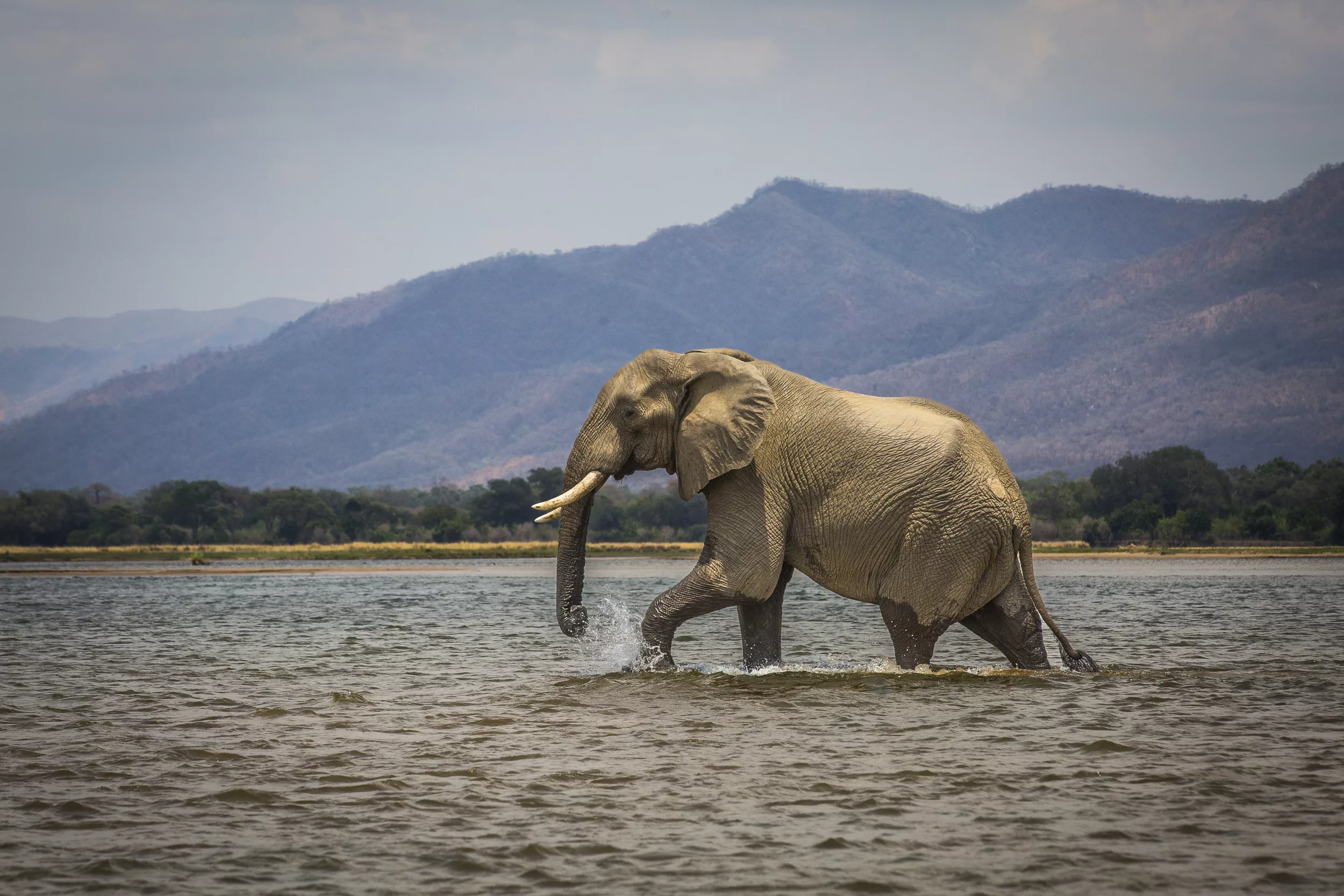
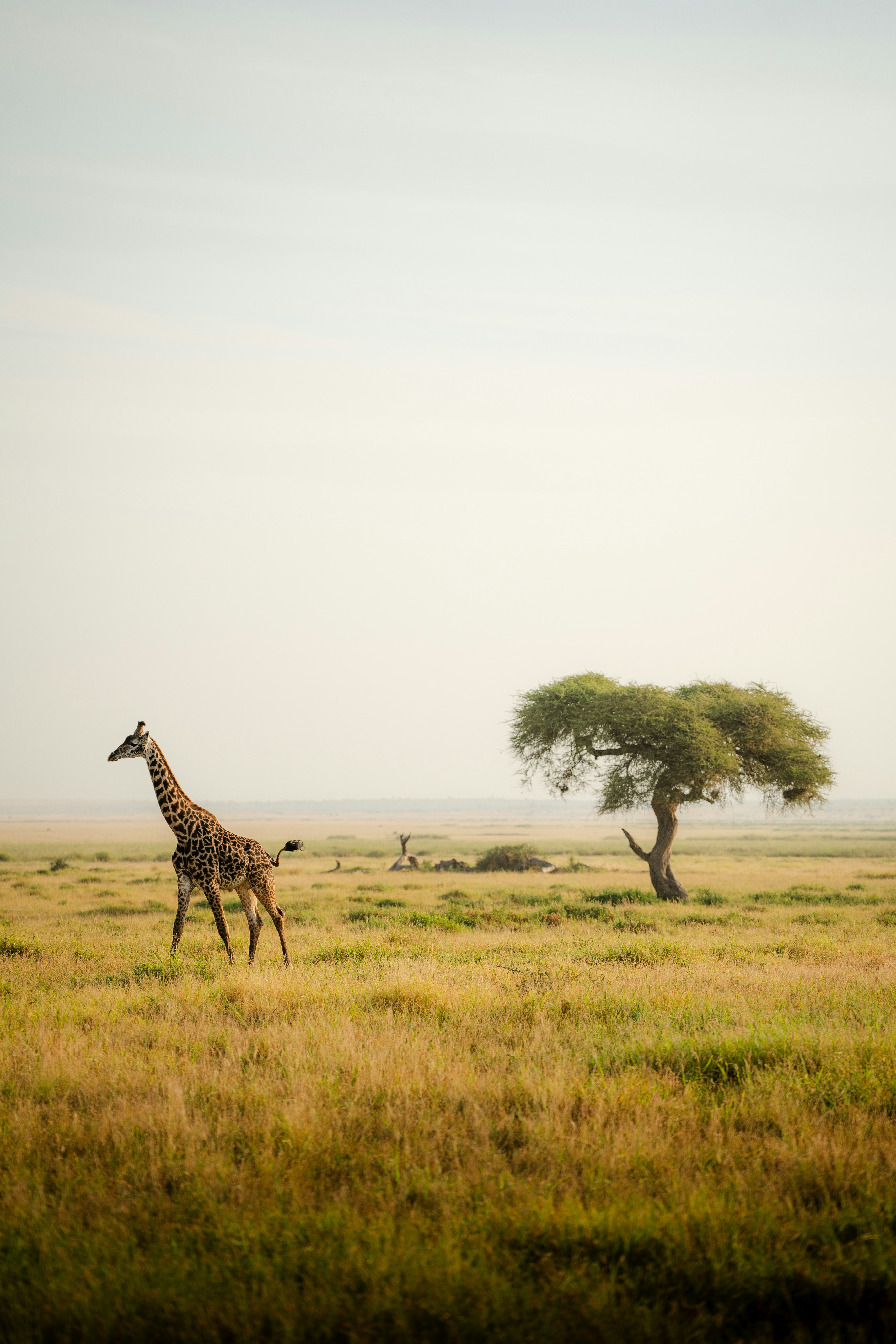
In striking contrast to Bwindi’s dense forest, Queen Elizabeth National Park opens into classic savannah landscapes shaped by water.
Highlights include:
This is where Uganda’s safari diversity becomes clear: wildlife viewing that is relaxed, uncrowded, and behavior-focused.
Further north, Murchison Falls National Park offers yet another shift in perspective.
Here, the Nile funnels through a narrow gorge before exploding into a dramatic cascade, creating one of Africa’s most powerful natural spectacles.
Why Murchison matters:
Together, these regions create a safari circuit that feels exploratory, varied, and intellectually rich.
Uganda’s wildlife experiences are inseparable from its conservation framework.
Key elements include:
For conservation-focused travelers, Uganda offers rare transparency: you can see how tourism directly supports protection efforts.
This is not conservation as marketing—it is conservation as infrastructure.
Uganda is best suited to travelers who value:
It is especially compelling for:
Uganda rewards curiosity.
Uganda requires thoughtful planning to reveal its full potential.
Our approach emphasizes:
When designed well, Uganda becomes one of the most complete safari journeys in Africa.
If you’re drawn to wildlife travel that prioritizes conservation, diversity, and authenticity, Uganda deserves your attention.
We design Uganda journeys for travelers who want to experience Africa beyond the obvious—moving from rainforest to savannah with purpose and insight.
👉 Explore Conservation-Led Journeys
Is Uganda safe for safari travel?
Yes. With expert planning, Uganda is a safe and rewarding safari destination with professional guiding and strong conservation oversight.
Is Uganda only about gorilla trekking?
No. Uganda offers savannah safaris, boat safaris, primate tracking, and exceptional birdlife alongside gorilla trekking.
How physically demanding is gorilla trekking?
Treks vary in difficulty. With proper planning, routes can be matched to fitness levels, and porters are always available.
How does Uganda compare to more famous safari destinations?
Uganda offers greater ecological diversity and fewer crowds, making it ideal for travelers seeking depth over volume.
How far in advance should Uganda safaris be planned?
Ideally 6–12 months in advance, particularly for gorilla trekking permits and peak seasons.
Uganda doesn’t announce itself loudly.
It reveals itself slowly—through misty forests, open savannahs, powerful rivers, and conservation stories that unfold over time.
For travelers who care deeply about wildlife and the future of wild places, Uganda offers something rare in modern safari travel: authentic discovery.
Wild Atlas Explorations designs journeys that bring that discovery to life—thoughtfully, respectfully, and without crowds.
Every intinerary begins with a conversation. Tell us what you're dreaming of, and we'll design a journey tailored entirely to you.
Take the Next Steps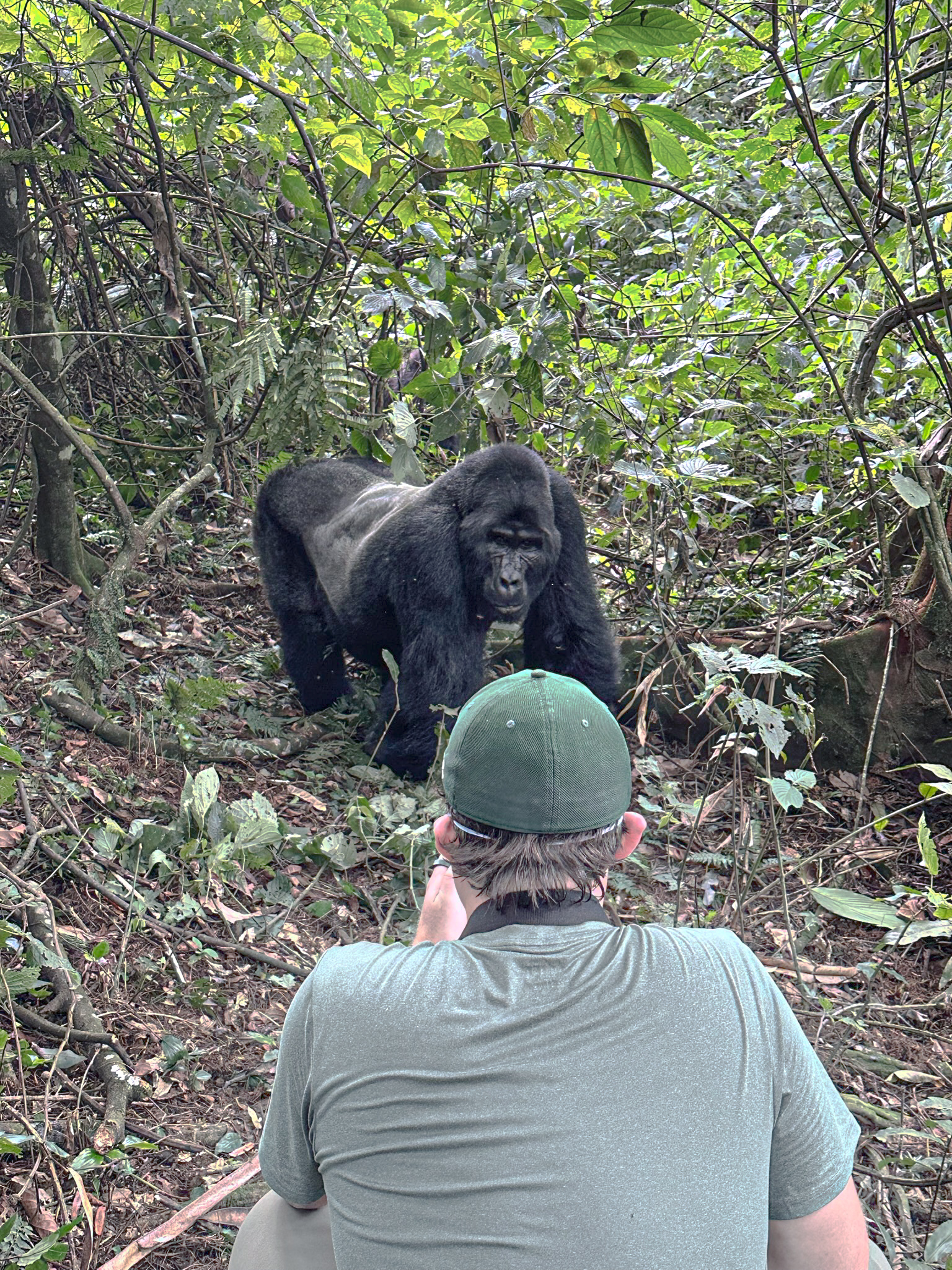






.svg)