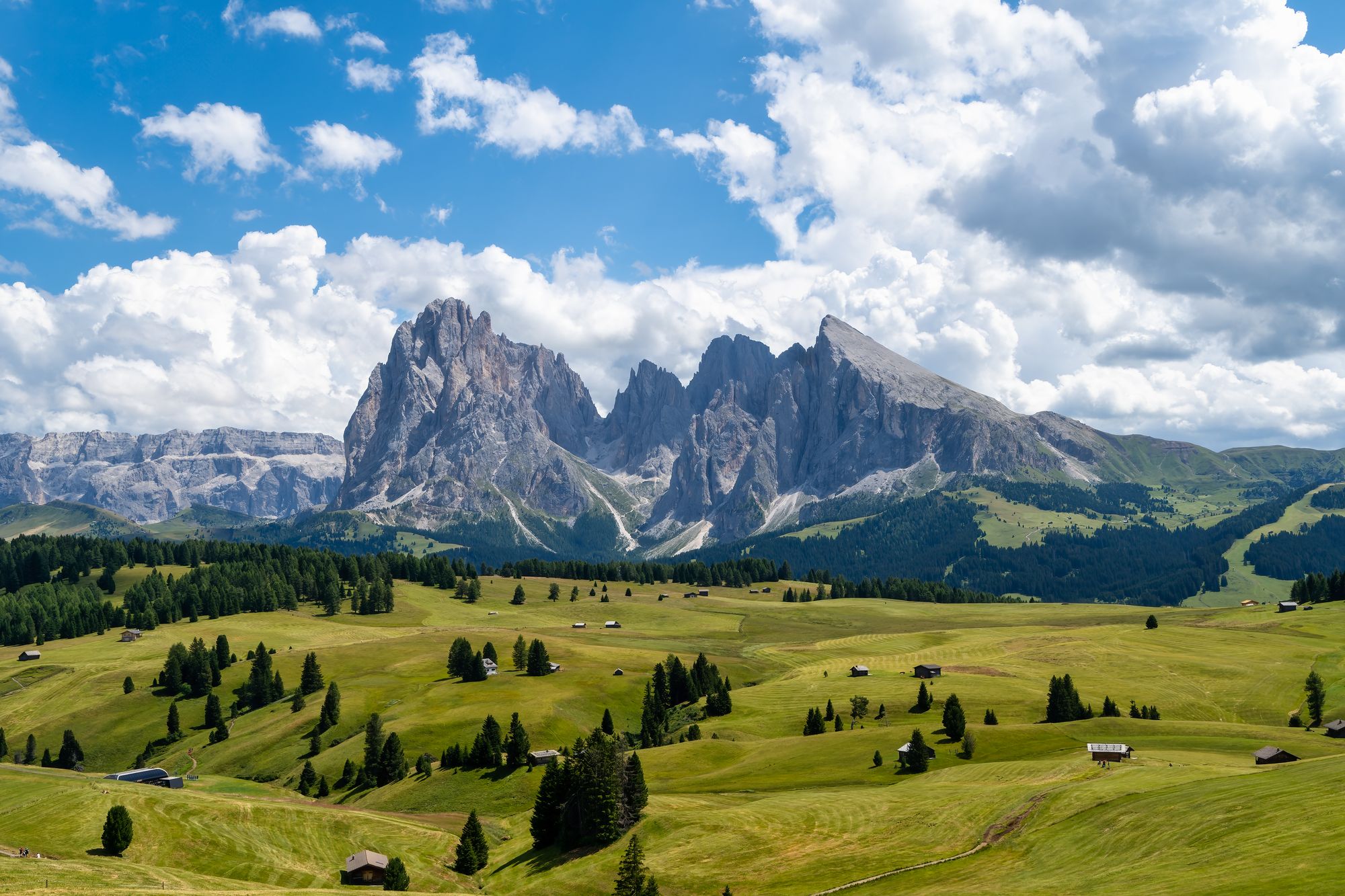
The Dolomites run on two seasons — skiing and hiking — and the region's best hotels are not generic Alpine chalets; they're design-forward, food-serious mountain lodges run by South Tyrolean families who've done this for generations. Where you stay decides which lift system, which valley, and which version of the mountains you get. These five are the ones I'd book, by trip type.
Book with us and you'll pay the same rate as booking direct — but with the good stuff layered on where the property offers it: breakfast each morning, a resort credit to spend, and an upgrade on arrival when one's available. We also brief the property before you get there, so they know who's arriving and why it matters. That's what the fee funds.
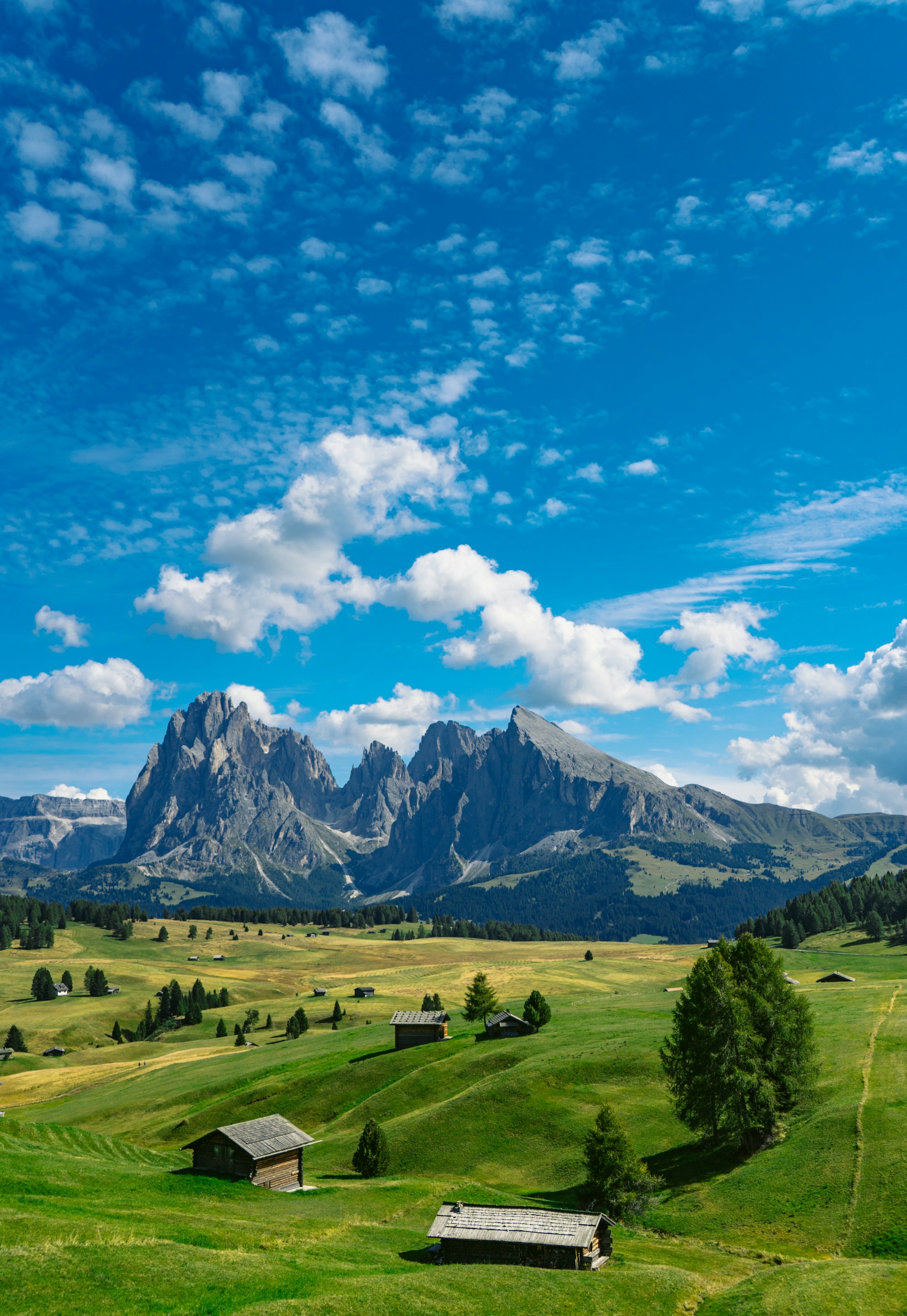
Ski-in, ski-out on Europe's largest high-alpine meadow, and in summer the trailhead is the front door. Contemporary stone-and-timber architecture, a serious COMO Shambhala spa, and the meadow doing most of the decorating.
Book it if: the mountains are the itinerary — skiers in winter, hikers in summer, spa at the end of both days.
Skip it if: you want a village with nightlife; the Alpe is a protected meadow, and evenings are the hotel.
Practical line: The meadow-facing suites. In ski season this is the strongest single booking on the list.
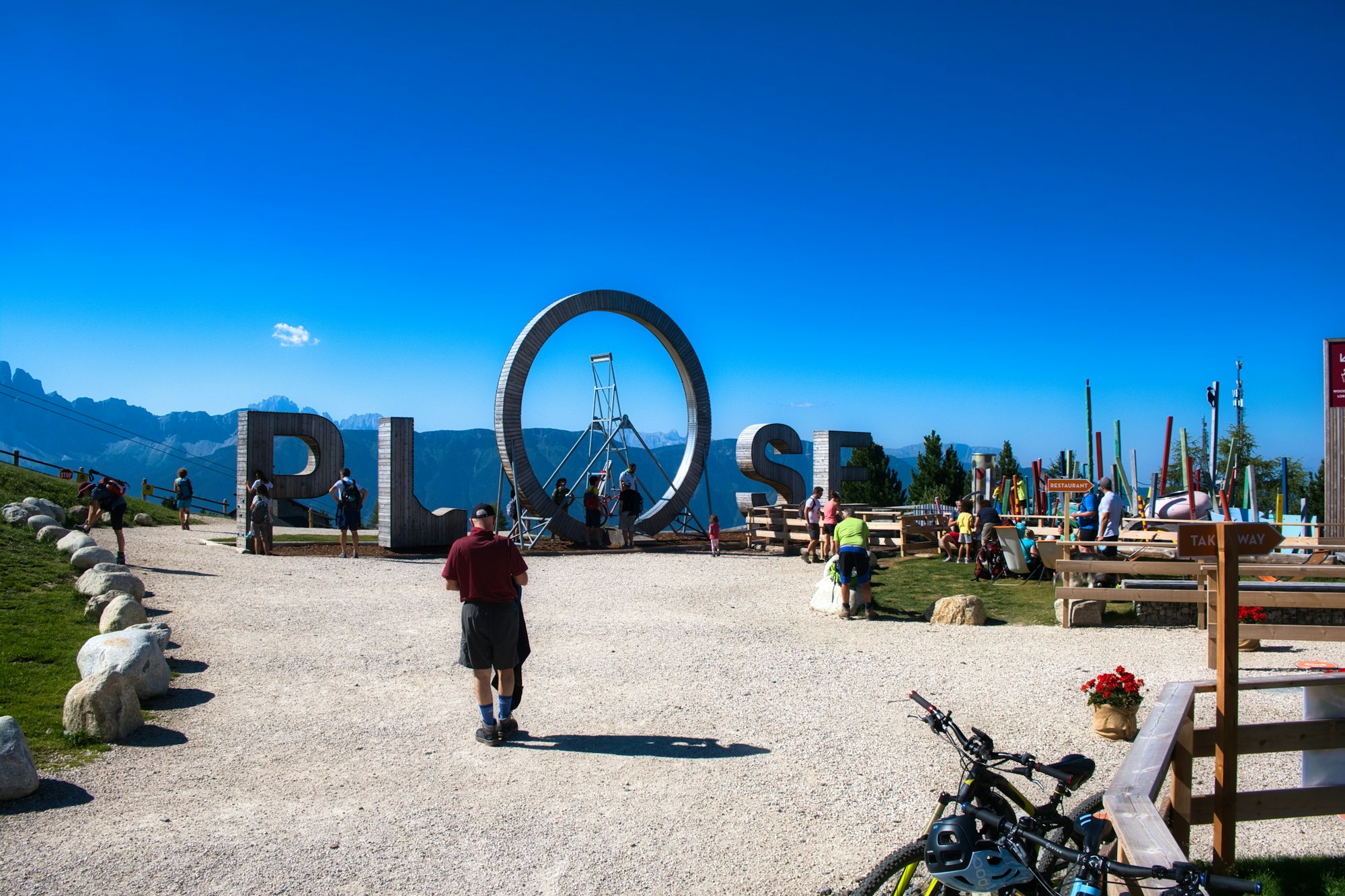
Three timber towers in a protected forest at 1,800 meters, adults-focused, architecturally striking, and built around silence — spring water, forest air, and a spa that treats the landscape as the treatment. The Dolomites' most distinctive stay.
Book it if: you're a couple traveling to decompress at altitude — design people especially.
Skip it if: you're bringing kids, or you measure a hotel by its activity desk.
Practical line: Book a tower suite for the full-height Dolomite view; two to three nights is its natural length.
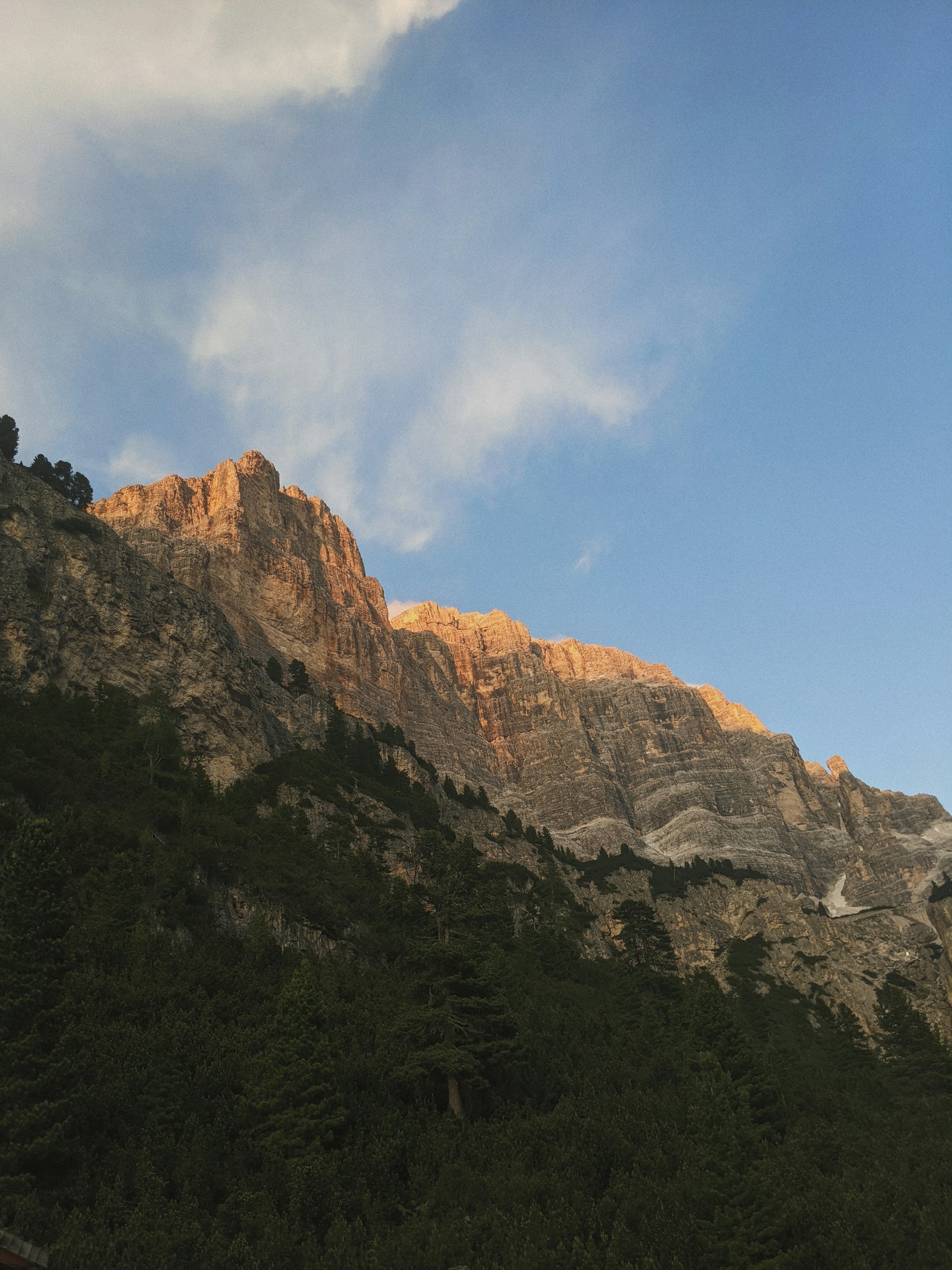
The Pizzinini family's legendary Rosa Alpina, now under Aman — the Alta Badia valley's flagship, in the heart of the Dolomiti Superski circuit, with the region's most serious dining tradition. The connoisseur's base.
Book it if: skiing plus gastronomy is the trip, and you want the valley's best address.
Skip it if: budget is a live constraint — Alta Badia's top table is priced like it.
Practical line: Alta Badia is the food valley (multiple Michelin stars within a short drive); let me build the restaurant bookings when we book the room — they go first.
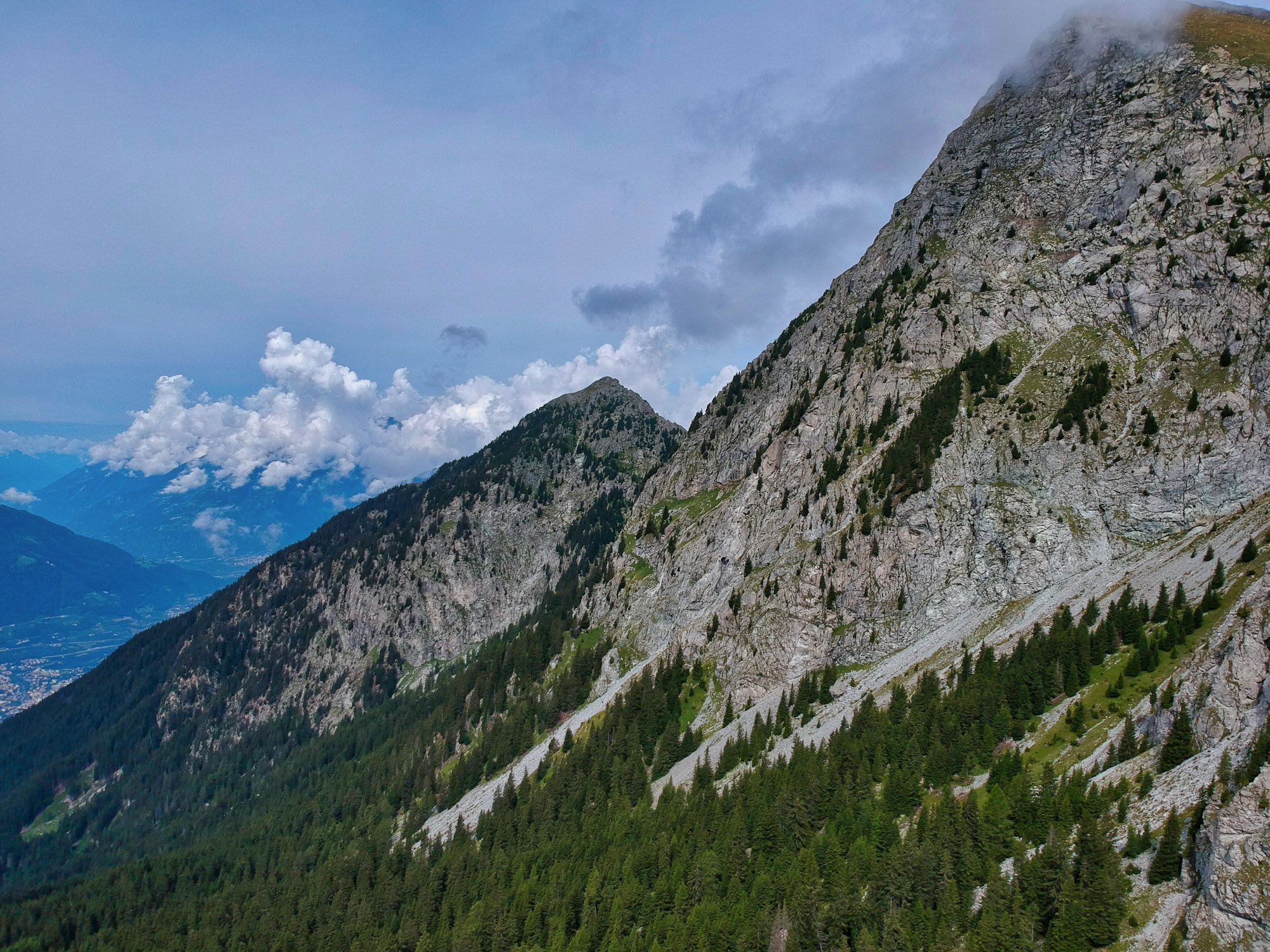
A family-run South Tyrolean resort with one of the Alps' great spa setups — a long heated natural pool, acres of gardens, and a warmer, more generous mood than the design hotels. The valley position above Merano gives it a longer, softer season.
Book it if: you're a family, or spa-first travelers who want alpine without altitude extremes.
Skip it if: hard-core skiing is the point — this is a wellness base, not a lift base.
Practical line: Pairs naturally with a Merano day and an onward drive to Lake Garda.
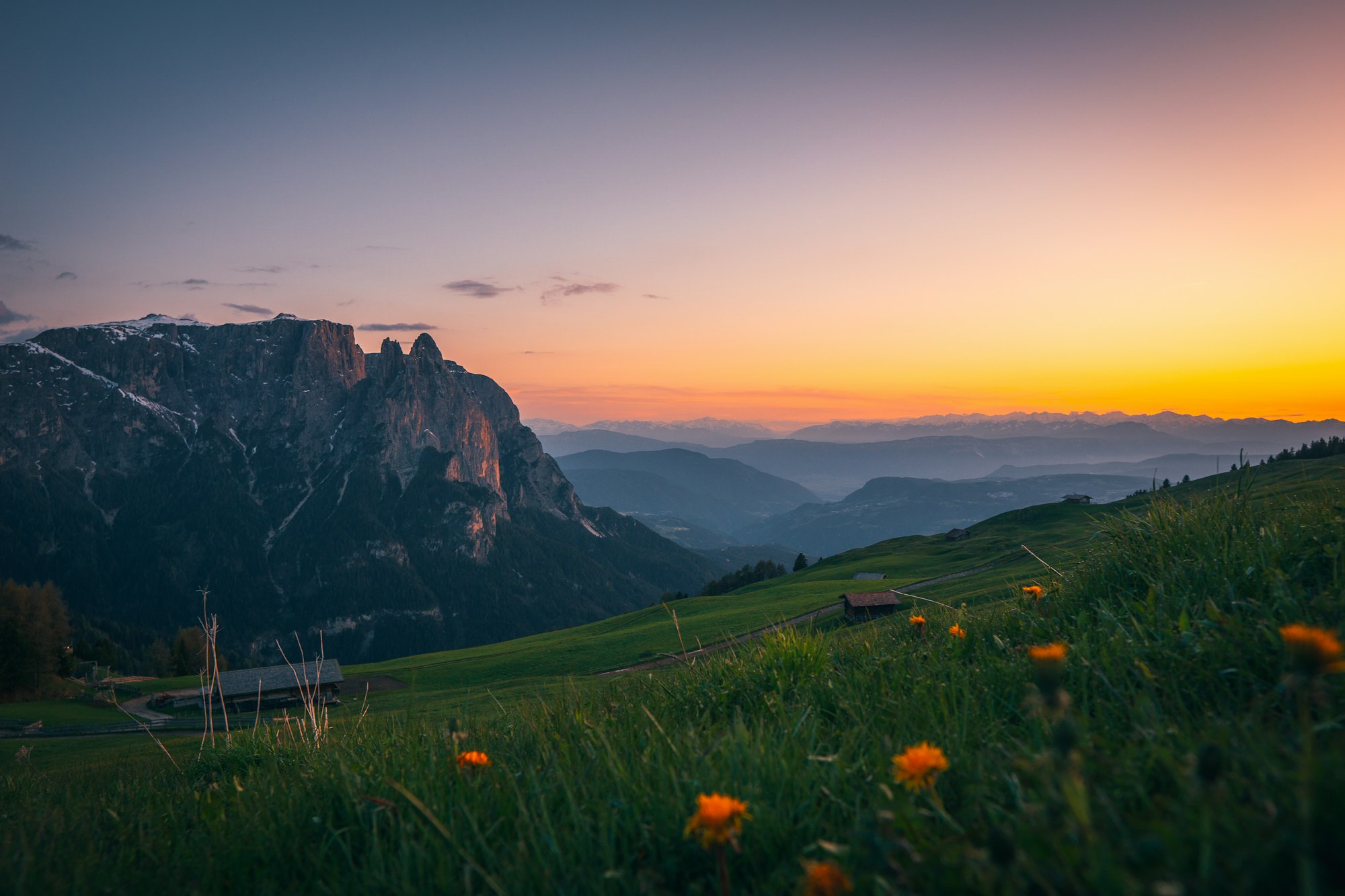
All-wood chalets and suites on the meadow itself, run by the Adler family — think safari-lodge logic applied to the Alps: everything included, guides on staff, and the landscape as the program. Small, personal, and quietly luxurious.
Book it if: you like the lodge model — hosted, guided, unhurried.
Skip it if: you want à la carte choice and a big-hotel spa menu.
Practical line: The chalet units are the family/group play; book the guided hike program on arrival day, not the last day.
Both are peak. Ski: mid-December to early April (the Superski circuit is the draw). Hike: mid-June to late September, when the rifugi are open.
Alpe di Siusi for meadow scenery and gentle terrain; Alta Badia for food and the Sellaronda; the Merano side for spa and a softer climate.
Fly to Venice or Milan, drive 2.5–3.5 hours, or let me arrange the transfer. Innsbruck also works for the northern valleys.
Yes — it's one of Italy's best pairings. Mountains first, then descend to the water.
The good ones do, a full season ahead for Christmas, February, and August. This is a book-by-December conversation for peak dates.
Plan this trip with us. $250 planning fee, credited in full toward your trip.
Start the inquiry

