Semliki National Park

Uganda’s “Dr. Seuss” Forest

Ready to Plan Your Journey?

Every intinerary begins with a conversation. Tell us what you're dreaming of, and we'll design a journey tailored entirely to you.

Take the Next Steps

Semliki National Park

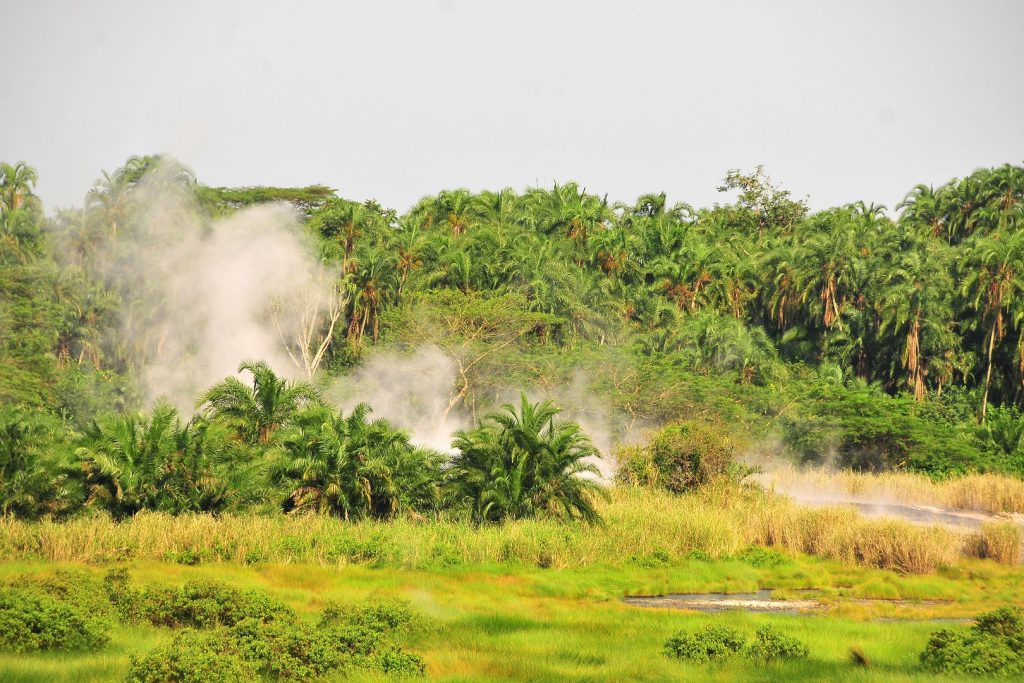
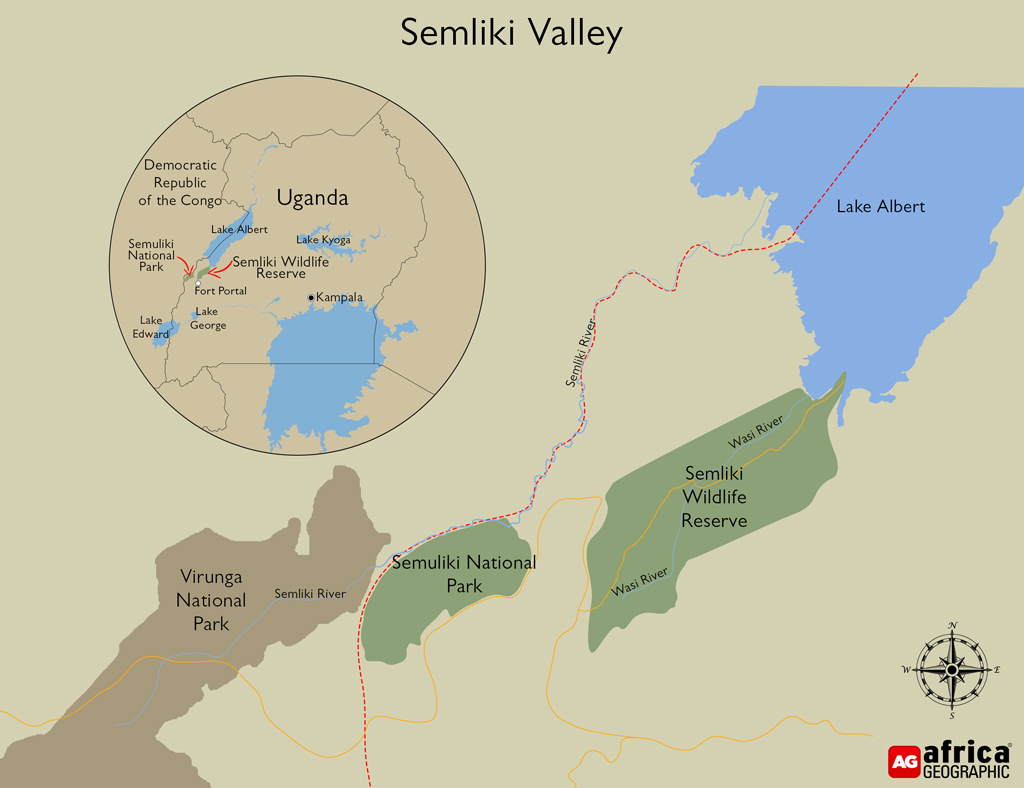
Semliki National Park feels unlike anywhere else in Uganda. Sitting at the base of the Rwenzori Mountains along the border with the Democratic Republic of Congo, Semliki protects the easternmost edge of the Congo Basin rainforest—and with it, a collection of species that feel almost imagined.

This is why Semliki is often described, affectionately, as “Dr. Seuss land.” The wildlife here is not defined by size or spectacle, but by oddity, rarity, and evolutionary detours.
A Congo Forest in East Africa

Semliki’s low elevation, heat, and humidity create conditions more typical of Central Africa than East Africa.

The forest is:

  • Dense and layered
  • Loud with insects, birds, and primates
  • Defined by movement and sound rather than sightlines

For travelers already visiting Kibale or Bwindi, Semliki highlights how dramatically ecosystems—and species—can change within western Uganda.

Shoebills and Wetland Giants

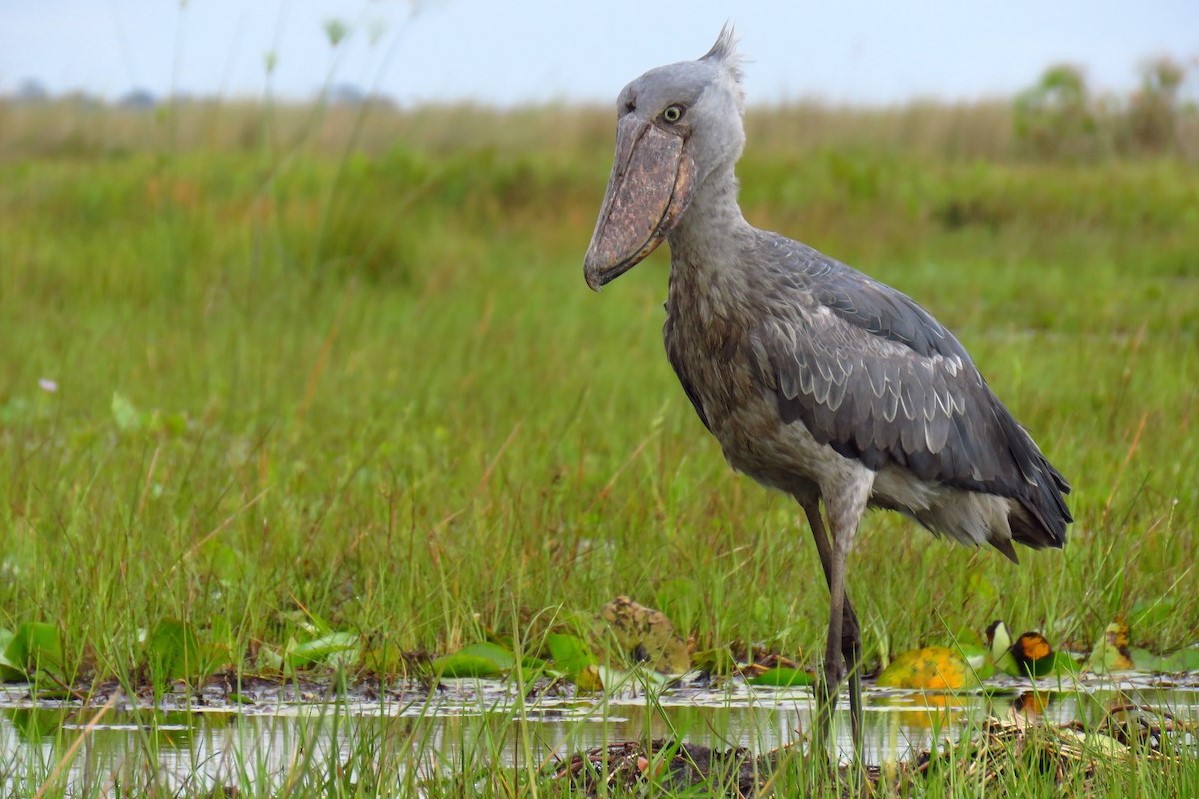
Semliki’s wetlands and riverine systems support one of Africa’s most sought-after birds: the shoebill.

Shoebill sightings here are:

  • Possible with time and patience
  • Most likely along swampy channels and river edges
  • Deeply memorable when they happen
  • Departing from more luxurious accomodations than are available in Entebbe

For many wildlife-literate travelers, the chance to encounter a shoebill is reason enough to include Semliki.

Note that the shoebill experience here is a bit odd sometimes. Some of the communities surrounding the national park have been inundated due to flooding issues over the years. This means that there are submerged towns that shoebill expeditions canoe through. It is not uncommon to see a shoebill perched on a mostly submerged swingset.

“Dr. Seuss Land”: The Species Oddities

Semliki is famous among naturalists for its unusual species mix, many of which feel visually or behaviorally out of place.

The park is known for:

  • Congo Basin birds rarely seen elsewhere in East Africa
  • Primates with distinctive coloration and calls
  • Forest specialists that defy classic safari expectations

Encounters here often feel surprising rather than predictable—one of Semliki’s defining strengths.

Where to Stay: Semliki Safari Lodge

There is one clear base for exploring the park.

Semliki Safari Lodge

Remote, atmospheric, and perfectly placed

  • Located on the edge of the forest with views toward the Rwenzoris
  • Open-air design that embraces the heat and sound of the jungle
  • Strong guiding focused on ecology and species interpretation

This is not a lodge for luxury seekers—it is for travelers who want to feel inside the ecosystem, day and night.

Semliki’s Role in an Uganda Safari

We include Semliki selectively.

Semliki works best when:

  • Travelers are curious about biological diversity
  • Birdlife or rare species are a priority
  • The goal is contrast, not convenience

It pairs naturally with Kibale Forest, offering a progression from primate-dense rainforest to Congo Basin oddity.

Who Semliki Is Right For

Ideal for:

  • Repeat Africa travelers
  • Birders and wildlife specialists
  • Guests interested in rare and unusual species
  • Travelers comfortable with heat, humidity, and subtlety

Less ideal for:

  • First-time safari travelers
  • Guests focused on large mammals or predators
  • Travelers expecting polished infrastructure

How We Think About Semliki

Semliki is never essential—but for the right traveler, it is unforgettable.

It is a park you include because you understand that rarity and strangeness are part of what makes Africa endlessly compelling.

Species in the Area

Mammals

  • Forest elephant (rare and elusive)
  • Pygmy antelope species
  • Bushbuck
  • Water chevrotain (unusual, nocturnal)
  • Giant forest hog

Primates (Central African crossover species)

  • Chimpanzee
  • Red-tailed monkey
  • Black-and-white colobus monkey
  • De Brazza’s monkey (rare in Uganda)
  • Grey-cheeked mangabey

Birdlife (Congo Basin oddities & wetland specialists)

  • Shoebill
  • White-crested hornbill
  • Red-billed dwarf hornbill
  • Yellow-throated cuckoo
  • Blue-headed coucal
  • Black-dwarf hornbill
  • Congo serpent eagle
  • Lyre-tailed honeyguide (highly unusual morphology)

Reptiles & Amphibians

  • African rock python
  • Monitor lizard species
  • Congo Basin frog species with unusual calls and coloration

Shoebill

Semliki National Park lies at the eastern edge of the Congo Basin, and its wetlands and lowland forest support species found nowhere else in Uganda—including the elusive shoebill. Unlike the open papyrus swamps of Bangweulu, Semliki’s shoebills inhabit dense, humid floodplains along the Semliki River, where sightings are rare, atmospheric, and deeply earned. Their presence signals a dramatic ecological shift from East African savanna to Central African rainforest. For travelers drawn to biological edges and true frontier experiences, Semliki offers a chance to encounter one of Africa’s most enigmatic birds in its most unexpected setting.

Ready to Plan Your Journey?

Every intinerary begins with a conversation. Tell us what you're dreaming of, and we'll design a journey tailored entirely to you.

Take the Next Steps

No items found.