South Luangwa National Park

Africa’s Walking Safari Capital

Ready to Plan Your Journey?

Every intinerary begins with a conversation. Tell us what you're dreaming of, and we'll design a journey tailored entirely to you.

Take the Next Steps

South Luangwa National park

South Luangwa National Park is one of Africa’s most intellectually satisfying safari destinations. Remote, seasonal, and shaped by the Luangwa River, it is a place where wildlife is encountered on foot as often as from a vehicle, and where predator–prey dynamics play out in close proximity.

This is safari stripped of excess—focused on behavior, movement, and understanding.
A Valley Shaped by the River

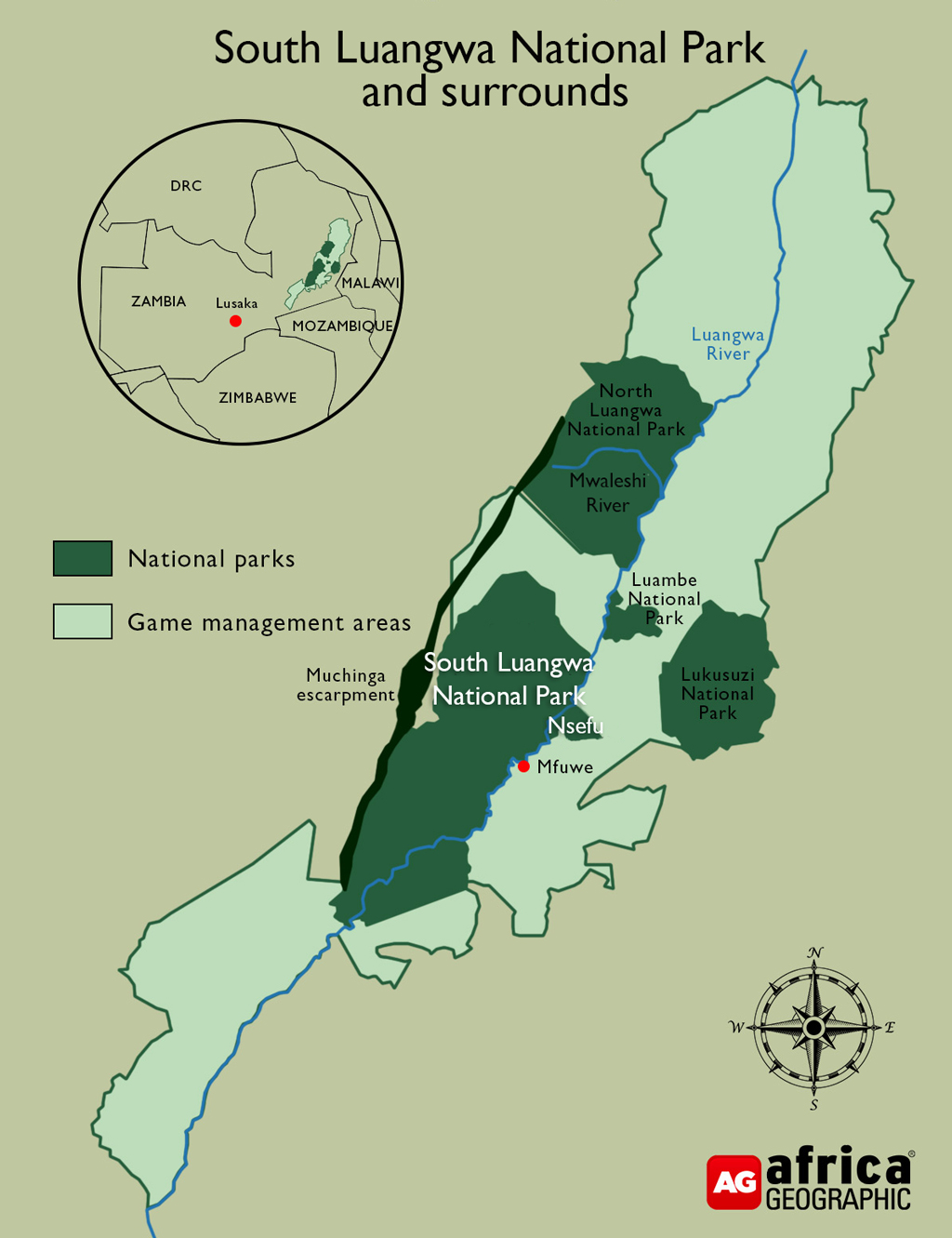
South Luangwa sits within the Luangwa Rift Valley, with the Luangwa River acting as the park’s lifeline. During the dry season, wildlife concentrates along its banks and oxbow lagoons, creating some of the highest game densities in Africa.

The landscape is defined by:

  • Meandering river channels and lagoons
  • Mopane woodland and open plains
  • Seasonal transformation from floodplain to dust

This cyclical change governs everything—from animal movement to the rhythm of each safari day.

Walking Safaris: Where Luangwa Sets the Standard

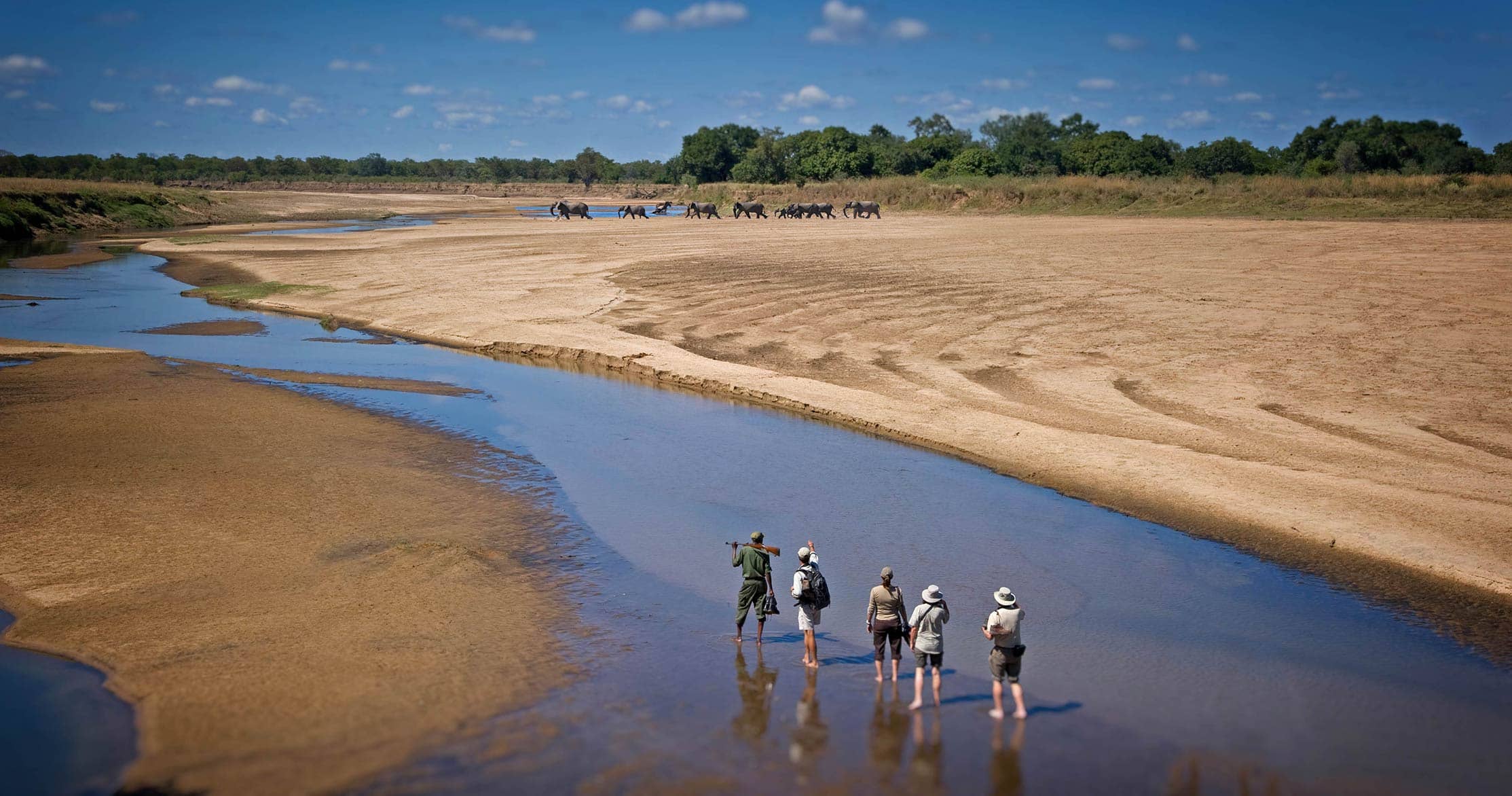
South Luangwa is widely regarded as the birthplace of the modern walking safari.

Walking here is:

  • Led by highly trained guides and armed scouts
  • Focused on tracks, behavior, and ecology
  • Designed to slow observation rather than chase sightings

Encounters on foot—whether with elephant at a distance, hippo trails cutting through reeds, or the aftermath of a night hunt—create a deeper understanding of how the ecosystem functions.

This is safari for travelers who want context, not just photographs.

Predator Density and Daytime Leopard Sightings

South Luangwa is especially known for:

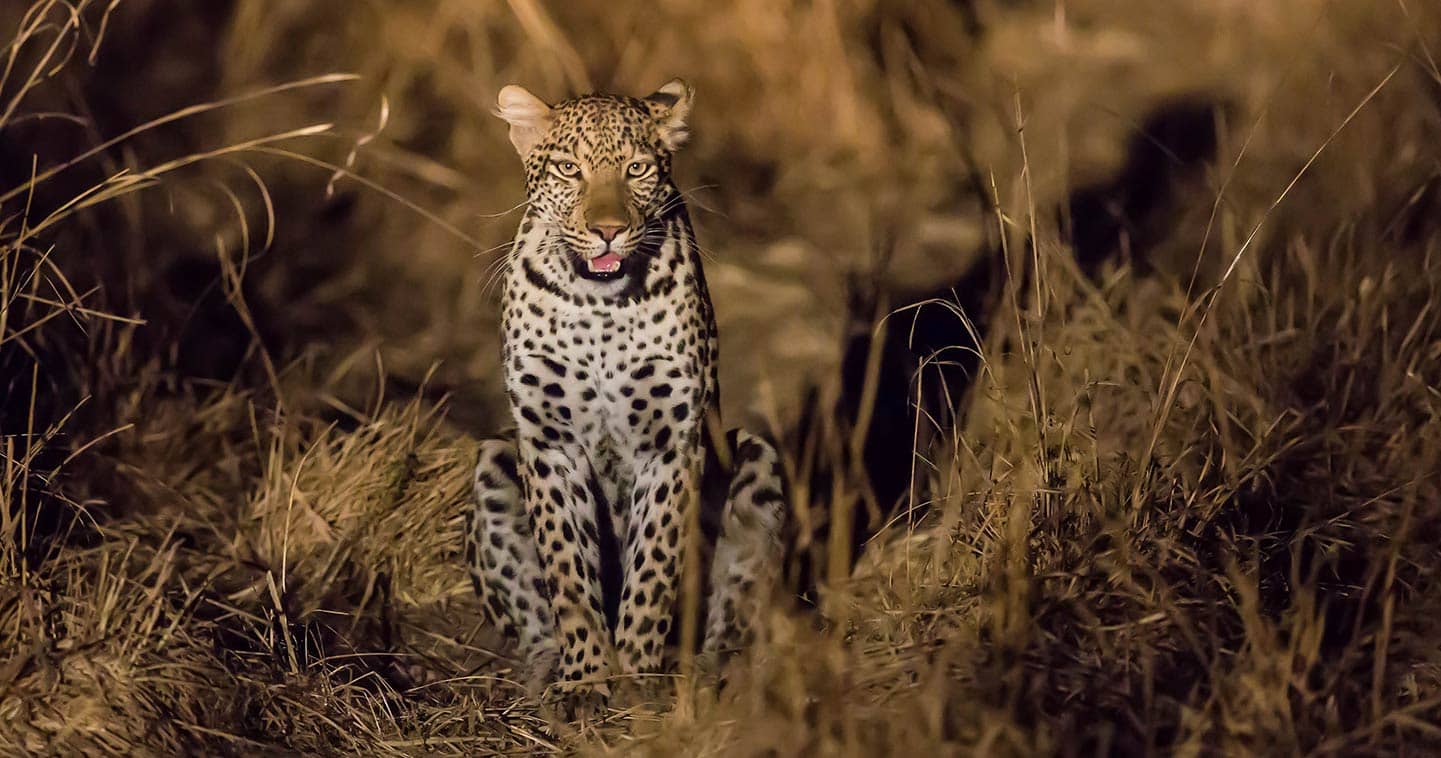
  • Exceptionally strong leopard populations
  • Regular daytime leopard sightings
  • Complex lion pride dynamics

The park’s thick riverine cover allows predators to remain active during daylight hours, making sightings feel frequent but never staged.

Wildlife interactions here tend to be intimate and prolonged rather than fleeting.

A Different Kind of Safari Rhythm

Unlike parks designed around all-day game drives, South Luangwa follows a measured, intentional pace.

Typical days often include:

  • Morning walking safari or drive
  • Midday rest during peak heat
  • Afternoon drive transitioning into night safari

This rhythm allows guests to experience the park across light, temperature, and behavior changes—critical for understanding predator activity.

How South Luangwa Feels Different

Compared to East Africa and even other parts of Zambia, South Luangwa feels:

  • More immersive
  • Less vehicle-centric
  • Rich in behavioral sightings

There are no crowds, no migration spectacles, and no artificial density points. Instead, the park rewards patience and curiosity.

Where We Like to Stay in South Luangwa

South Luangwa’s strength lies not just in its wildlife, but in its exceptional small camps, many of which pioneered walking safaris and low-impact design. Lodge choice here shapes the entire experience.

These are some of our preferred options, each suited to a different style of traveler.

Time + Tide Chinzombo

Refined comfort, exceptional guiding

  • Set on a sweeping bend of the Luangwa River
  • Spacious villas with strong privacy and views
  • Excellent balance of walking safaris and vehicle-based game drives

Chinzombo works well for travelers who want top-tier guiding and polish without losing connection to the landscape.

Who South Luangwa Is Right For

Ideal for:

  • Experienced safari travelers
  • Guests interested in walking safaris
  • Wildlife photographers focused on predators
  • Travelers seeking depth over spectacle

Less ideal for:

  • Guests with limited mobility
  • Travelers seeking constant action
  • First-time safari guests wanting predictability

How We Think About South Luangwa

We position South Luangwa as a thinking person’s safari.

It works best when:

  • Travelers want to move beyond classic game drives
  • The goal is understanding animal behavior
  • The itinerary allows time to slow down

For many guests, South Luangwa becomes the point at which safari stops being a checklist—and becomes a practice.

Species in the Area

Mammals

  • African elephant
  • African buffalo
  • Lion
  • Leopard (one of Africa’s strongest populations)
  • Spotted hyena
  • African wild dog
  • Plains zebra
  • Plains giraffe (Thornicroft’s subspecies)
  • Puku (Luangwa endemic antelope)
  • Impala
  • Warthog
  • Hippopotamus

Primates

  • Vervet monkey
  • Yellow baboon

Birdlife (riverine & woodland specialists)

  • Pel’s fishing owl
  • African fish eagle
  • Carmine bee-eater
  • Saddle-billed stork
  • Southern ground hornbill
  • Lilian’s lovebird (regional specialty)
  • White-backed night heron

Reptiles

  • Nile crocodile
  • Monitor lizard

Leopard

South Luangwa National Park is widely regarded as one of the best places in Africa to see leopards, thanks to a dense prey base, mature riverine woodland, and decades of careful guiding that allow these elusive cats to be followed respectfully. Leopards here are frequently active by day and especially visible at night, when spotlighting reveals hunting, feeding, and cub rearing behaviors rarely seen elsewhere. Their success reflects the park’s ecological stability and low-impact safari model. For travelers focused on truly understanding leopard behavior—not just spotting one—South Luangwa rewards time, patience, and the right guiding expertise.

Ready to Plan Your Journey?

Every intinerary begins with a conversation. Tell us what you're dreaming of, and we'll design a journey tailored entirely to you.

Take the Next Steps

No items found.